


The debate surrounding animal sheltering in the United States has reached a critical juncture as experts and advocates question the ethical implications of the "no-kill" movement. In a recent and highly transparent episode of The Rocky Mountain Vet Podcast, PETA Senior Vice President Daphna Nachminovitch joined renowned veterinarian Dr. Jeff Young and co-host Andrew Duffer to dissect the complexities of modern sheltering. The conversation centered on how the popular "no-kill" slogan, while appealing to the public and donors, may be inadvertently fueling a crisis of "ghost animals"—vulnerable creatures that are turned away from shelters to maintain high statistical "save rates," only to suffer and die outside the system.
The Statistical Illusion of No-Kill Policies
The "no-kill" movement generally defines a shelter as such if it maintains a "save rate" of 90% or higher. This metric, popularized by organizations like Best Friends Animal Society, has become the gold standard for public perception and fundraising. However, the podcast participants argue that this number creates a perverse incentive for shelters to be highly selective about which animals they admit.
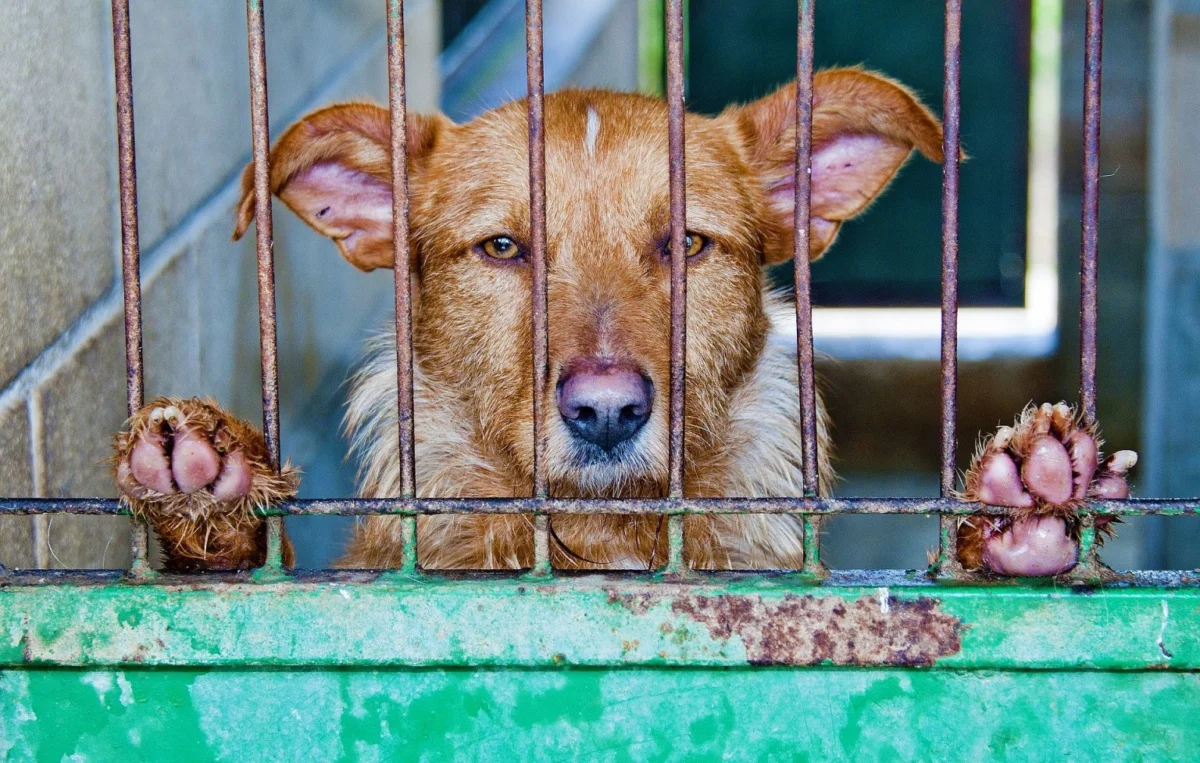
Andrew Duffer highlighted the concept of "ghost animals," referring to those that are denied entry into limited-admission (no-kill) facilities. When a shelter is at capacity or encounters an animal that is elderly, sick, injured, or behaviorally challenged, it may refuse intake to avoid a potential euthanasia that would negatively impact its save rate. Because these animals are never processed, they do not appear in any official database. "If a shelter refuses to take in an animal, that animal doesn’t show up in the data—but they still exist, and they still suffer," Duffer noted during the episode. These animals often end up abandoned in rural areas, left in foreclosed homes, or struggling to survive on the streets, where they face slow deaths from starvation, exposure, or untreated medical conditions.
The Burden on Open-Admission Shelters
While no-kill shelters receive much of the public’s praise and financial support, open-admission shelters—often run by municipalities or organizations like PETA—serve as the "safety net" for the entire community. These facilities have a policy of never turning away an animal in need, regardless of its health, age, or temperament.
By accepting the most difficult cases—the animals that no-kill shelters refuse—open-admission facilities inevitably have higher euthanasia rates. This often leads to severe public backlash. Daphna Nachminovitch pointed out that professionals working in open-admission shelters are frequently subjected to harassment, being labeled "murderers" or "Nazis" for performing the difficult task of ending the suffering of animals that are beyond help. This vilification has led to a crisis in the profession, with many skilled workers being "pushed out" due to the emotional toll and social stigma associated with their roles.

Nachminovitch was particularly critical of the influence of Best Friends Animal Society, stating, "I think Best Friends has had a very, very bad influence on the state of sheltering in our country." The argument presented is that by prioritizing the 90% save rate above all else, the movement has shifted the focus from reducing animal suffering to managing public relations.
A Chronology of the No-Kill Movement
To understand the current friction, it is necessary to look at the evolution of animal sheltering in the U.S. Over the last four decades, the industry has shifted from a model focused primarily on animal control and public safety to one focused on rescue and adoption.
- 1980s-1990s: The "no-kill" philosophy gains traction, spearheaded by the formation of Best Friends Animal Society and the success of the San Francisco SPCA under Richard Avanzino. The goal was to eliminate the euthanasia of healthy, adoptable animals.
- 2000s: The movement grows as social media allows rescues to showcase individual animals, increasing public pressure on municipal shelters to lower euthanasia rates.
- 2016: Best Friends Animal Society announces its "No-Kill 2025" initiative, aiming to make every shelter in the U.S. no-kill by the year 2025.
- 2020-Present: The COVID-19 pandemic initially saw a surge in adoptions, but the subsequent economic downturn, housing crisis, and veterinary shortages have led to a massive influx of animals into the system. This has strained the no-kill model, leading to increased "managed intake" policies—a euphemism for turning animals away or requiring long waiting lists for surrenders.
Ethical Concerns and Public Safety
Dr. Jeff Young, known for his work on the television series Dr. Jeff: Rocky Mountain Vet, offered a scathing critique of the conditions within some no-kill facilities. He argued that the pressure to avoid euthanasia leads to "warehousing," where animals are kept in cages for years, leading to severe psychological deterioration. "I’ve been in no-kill shelters all over the world and all over this country," Dr. Young said. "I’ve never been in one that I felt I couldn’t prosecute for cruelty or neglect."
Furthermore, the podcast touched upon the dangerous trend of shelters adopting out aggressive animals to maintain their save rates. When a shelter is committed to a no-kill policy, it may downplay or ignore a dog’s history of aggression to move it into a home. This not only puts the adopting families and the community at risk but also fuels the myth that shelter animals are "damaged goods," potentially discouraging future adopters from seeking pets at any shelter.
Supporting Data and the Scale of the Crisis
According to data from Shelter Animals Count, a national database that tracks shelter statistics, the "gap" between intake and outcomes is widening. In 2023, more animals entered shelters than left them, leading to a population backlog that increases the pressure on both open-admission and no-kill facilities.
- National Intake: Approximately 6.5 million companion animals enter U.S. shelters nationwide every year.
- Euthanasia Trends: While euthanasia rates have dropped significantly since the 1970s (when an estimated 13 million animals were killed annually), the current rate has plateaued at approximately 920,000 per year.
- The PETA Perspective: PETA advocates for a focus on the "root cause" of the crisis. Their "SNIP" (Spay/Neuter and Intervention Program) clinics have sterilized more than 250,000 animals since 2001. PETA argues that without mandatory spay/neuter laws and an end to the breeding industry, shelters will remain trapped in a cycle of overpopulation.
Analysis of Implications for Animal Welfare
The "no-kill" vs. "open-admission" debate is more than just a disagreement over terminology; it represents a fundamental split in how society values animal life versus the quality of that life.
From a journalistic perspective, the implications are three-fold:
- Resource Allocation: Donors often flock to no-kill shelters because the messaging is emotionally comforting. This leaves municipal shelters—which handle the majority of animal control, cruelty investigations, and rabies prevention—underfunded and overstretched.
- Public Trust: If the public discovers that "no-kill" shelters are achieving their stats by leaving animals to suffer in the streets, it could lead to a massive loss of trust in the entire animal rescue infrastructure.
- Legislative Stagnation: If the public believes the shelter crisis is "solved" by the no-kill movement, there is less pressure on legislators to pass meaningful spay/neuter laws or regulations on the commercial breeding of pets (puppy mills).
The Path Forward: Prevention over Slogans
The participants in The Rocky Mountain Vet Podcast concluded that real progress requires moving beyond "sexy slogans." Dr. Young emphasized that the "tip of the spear" must be aggressive spay/neuter programs, humane education, and legislation.
By focusing on reducing the number of animals born, the industry can eventually reach a point where no-kill is a reality rather than a marketing tactic. This would require a unified front where limited-admission and open-admission shelters work together rather than in opposition. It also requires the public to understand that euthanasia, while tragic, is often a more humane end than the "slow kill" of abandonment or life-long confinement in a cage.
As the 2025 deadline set by major no-kill proponents approaches, the scrutiny on shelter data and the "ghost animal" phenomenon is likely to intensify. The conversation between Daphna Nachminovitch and Dr. Jeff Young serves as a stark reminder that in the world of animal welfare, the most important numbers aren’t always the ones found on a spreadsheet—they are the lives of the animals that the system is failing to count.

