


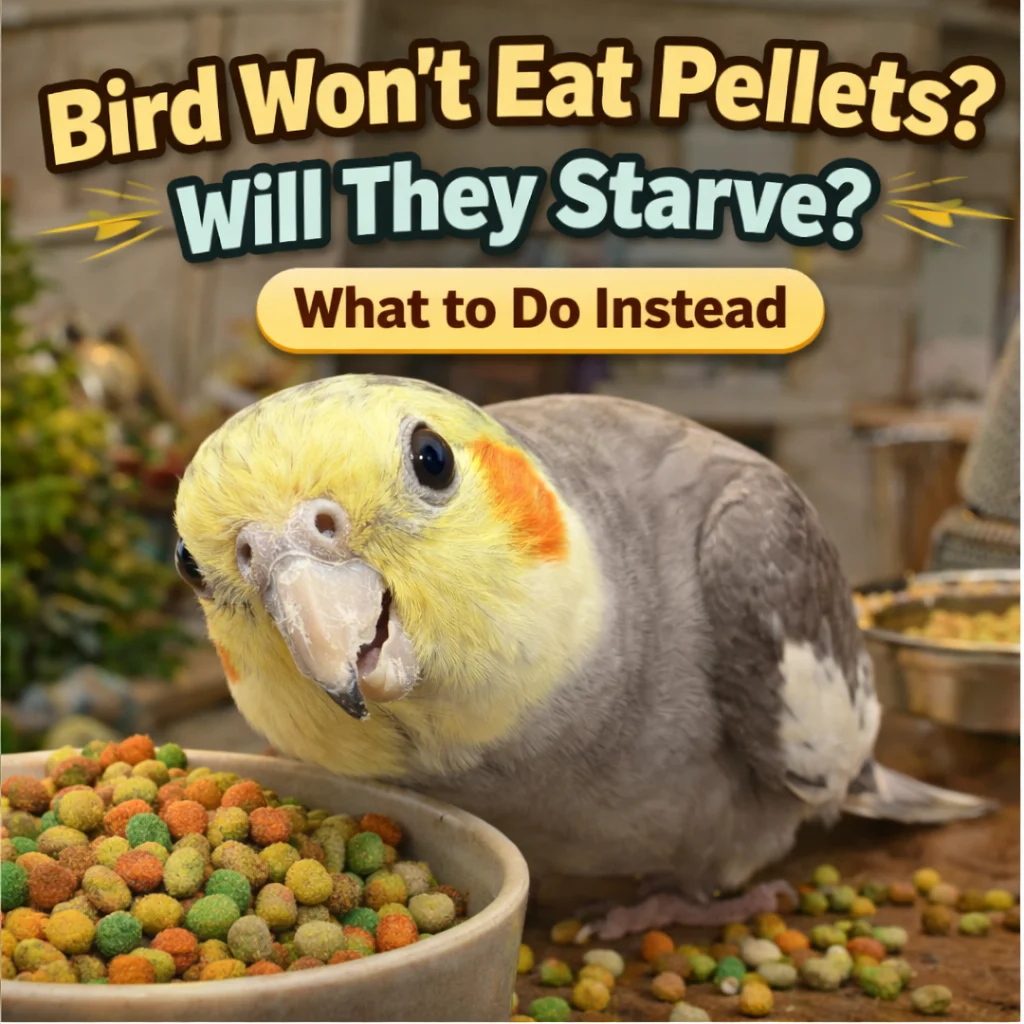
The health and longevity of pet birds are intrinsically linked to their diet, yet a significant challenge facing many avian owners is the successful transition of their feathered companions from traditional seed-heavy diets to nutritionally complete pellets. This dietary shift, widely recommended by avian veterinarians, is often met with resistance from birds, leading to owner frustration and, in some cases, dangerous attempts at abrupt changes. Understanding the avian psyche and employing evidence-based, force-free methods are paramount to ensuring a safe and effective dietary transformation, safeguarding the bird’s well-being and fostering a stronger bond with its caretaker.
The Nutritional Imperative: Why Pellets are Paramount
Historically, pet birds were often fed diets consisting predominantly of seeds, a practice rooted in convenience and a lack of comprehensive understanding of avian nutritional needs. However, decades of research have illuminated the severe deficiencies inherent in a seed-only diet. Seeds, while a natural food source for wild birds, are typically high in fat and carbohydrates, but critically low in essential vitamins (particularly Vitamin A, D, and E), vital minerals (such as calcium), and balanced amino acids. This nutritional imbalance can lead to a host of debilitating health issues over time.
According to data compiled by various avian veterinary associations, a significant percentage of health problems observed in pet birds, including liver disease, kidney dysfunction, obesity, feather abnormalities, and compromised immune systems, are directly attributable to long-term malnutrition from seed-based diets. For instance, Vitamin A deficiency, common in seed-fed birds, can lead to respiratory infections, poor feather quality, and squamous metaplasia, a condition where epithelial tissues are replaced by non-functional squamous cells. Conversely, commercially formulated pellets are designed to be nutritionally complete, providing a balanced blend of carbohydrates, proteins, fats, vitamins, and minerals in every bite. This eliminates the bird’s ability to selectively pick out favored, less nutritious components, a common issue with seed mixes. Avian experts generally recommend that pellets should constitute 70-80% of a pet bird’s daily intake, supplemented with a variety of fresh vegetables, fruits, and occasional healthy treats.
Understanding Avian Neophobia and Social Learning
The primary reason birds resist new foods, including pellets, is not stubbornness but an innate survival mechanism known as neophobia – the fear of new things. In the wild, parrots and other birds encounter a vast array of plant life, some of which can be toxic. Their survival depends on learning from their parents and flock members what is safe to eat and what to avoid. This social learning process can take weeks or even months in a natural environment, where young birds meticulously observe and mimic the feeding behaviors of experienced adults.
When a pet bird refuses a new food, it is essentially signaling that it doesn’t recognize the item as a safe or viable food source. They often watch their owners intently, not out of greed, but to glean cues about food safety. Offering a new food by hand, for example, can act as a powerful reassurance signal. This deep-seated instinct explains why simply replacing seeds with pellets often results in a bird ignoring the new food, picking around it, or even tossing it out of the bowl. The bird is not deliberately being difficult; it is acting on evolutionary programming that prioritizes recognized safety over novel nutrition. Therefore, the transition process must respect this biological predisposition, focusing on teaching and positive association rather than coercion.
The Perils of Abrupt Dietary Changes
A common, yet dangerously misguided, approach to diet transition is to abruptly remove all familiar food, particularly seeds, with the expectation that hunger will eventually compel the bird to eat pellets. This strategy is unequivocally condemned by avian veterinarians and animal welfare organizations due to its severe risks. Birds, especially smaller species, have high metabolic rates and limited reserves. A sudden and significant reduction in food intake can quickly lead to hypovolemia, rapid weight loss, liver damage (hepatic lipidosis), and a weakened immune system, potentially culminating in critical illness or even death within a matter of days.
The "waiting them out" method also profoundly erodes the trust between a bird and its owner. Food is a fundamental aspect of a bird’s security and well-being. Depriving them of familiar, trusted food sources can induce significant stress, anxiety, and fear, leading to behavioral problems and a strained relationship. Experts emphasize that the goal is not to starve a bird into submission but to gently guide it towards accepting a healthier diet through positive reinforcement and gradual exposure. The shift must be understood as an intentional educational process, not a test of wills.
A Structured Approach: The Pellet Transition Reset
For owners struggling with a bird that won’t eat pellets, a systematic, force-free approach is crucial. This "Pellet Transition Reset" emphasizes consistency, patience, and understanding avian psychology.
Phase 1: Familiarization and Positive Association
The initial phase focuses on introducing pellets without creating any pressure or perceived threat. This can involve:
- Novelty Presentation: Offer pellets in a separate bowl at a different time of day, or as a "treat" from your hand, rather than directly replacing the existing food. The goal is for the bird to see pellets as a new, interesting item, not a substitute.
- Visual and Sensory Appeal: Some birds respond better to moistened pellets, which can mimic the texture of softer, natural foods. Crushing pellets into a powder and sprinkling them over a small amount of familiar food can also introduce the taste and smell subtly.
- Social Eating: Eating pellets yourself (or pretending to) can signal safety to your bird. Allowing the bird to "steal" pellets from your plate or hand can also foster positive association.
- Observation, Not Expectation: In this phase, the primary objective is for the bird to investigate, touch, or even mouth the pellets, not necessarily to eat them consistently. Any interaction should be considered a small victory.
Phase 2: Gradual Substitution and Dietary Shift
Once the bird shows some familiarity or curiosity towards pellets, a slow and methodical reduction of the old diet begins, paralleled by an increase in pellet availability.
- Incremental Mixing: Start by mixing a very small amount of pellets (e.g., 5-10%) into the bird’s regular seed mix. Gradually increase the proportion of pellets over several weeks or even months, depending on the bird’s adaptability. A common recommendation is to increase pellets by no more than 5-10% each week.
- Timed Access: Consider offering pellets first thing in the morning when the bird is hungriest, with a small portion of seeds introduced later in the day. This encourages the bird to try the pellets while ensuring they don’t go hungry.
- Foraging Opportunities: Incorporate pellets into foraging toys. This transforms eating into an enriching activity, stimulating the bird’s natural instincts and making the pellets more appealing.
- Fresh Produce Integration: Continue offering a wide variety of fresh vegetables and fruits. These provide additional nutrients and can make the overall diet more diverse and appealing.
Phase 3: Monitoring, Reinforcement, and Consistency
Throughout the transition, vigilant monitoring is non-negotiable to ensure the bird is consuming adequate calories and nutrients.
- Daily Intake Monitoring: Observe the amount of pellets consumed and the amount of familiar food left. Pay close attention to droppings – changes in consistency or volume can indicate dietary distress.
- Weight Checks: Regular weighing (e.g., weekly) using a digital gram scale is critical. Any significant weight loss (more than 5-10% of body weight) warrants immediate consultation with an avian veterinarian and a temporary pause or reversal of the transition process.
- Positive Reinforcement: Praise, gentle words, and favored non-food treats can reinforce any positive interaction with pellets.
- Unwavering Consistency: The success of this transition hinges on consistency. Small, daily exposures, maintained over time, build long-term acceptance. Patience is the ultimate virtue in "parronting" a bird through this crucial dietary change.
Expert Perspectives and Official Recommendations
Leading voices in avian health consistently advocate for these structured, force-free transition methods. Dr. Evelyn Reed, a prominent avian veterinarian specializing in nutritional medicine, states, "The transition to a pellet-based diet is arguably the most impactful health decision an owner makes for their bird. It’s not a sprint; it’s a marathon requiring profound patience and a deep understanding of avian behavior." Similarly, organizations like the Avian Welfare Coalition emphasize that "force-feeding or starving a bird into eating new foods is unethical and dangerous, undermining the bird’s welfare and trust. Our responsibility is to educate and guide, never to coerce." The consensus among veterinary associations underscores that any significant dietary change should ideally be undertaken with guidance from an avian veterinarian, especially for birds with pre-existing health conditions or those that are particularly resistant.
Broader Implications for Avian Health and Ownership
The successful transition to a pellet-based diet carries profound implications for both the individual bird and the broader pet bird community. For the bird, it translates into a significantly improved quality of life: enhanced feather condition, increased energy levels, a stronger immune system, and a dramatically extended lifespan, often by several years. The reduction in diet-related chronic diseases also means fewer painful ailments and a better overall state of well-being.
For owners, while the initial effort can be considerable, the long-term benefits are substantial. Reduced veterinary costs for treating diet-induced illnesses, a more active and vibrant companion, and the satisfaction of providing optimal care are invaluable. This shift also reflects an evolving understanding of pet bird ownership, moving beyond simple pet-keeping to a more informed, responsible, and empathetic "parronting" approach. It highlights the educational imperative for both new and experienced bird owners to continuously update their knowledge on avian care best practices.
In conclusion, the challenge of transitioning a pet bird to a pellet diet is common but entirely surmountable with the right approach. By understanding the underlying psychological and physiological reasons for a bird’s resistance, and by applying patient, consistent, and force-free methods, owners can successfully guide their birds toward a healthier, more fulfilling life. This journey is a testament to the bond between humans and their avian companions, built on trust, understanding, and a commitment to their well-being.

