


The equine racing industry is currently navigating a period of intense regulatory and public scrutiny following the release of recent safety data from the Horseracing Integrity and Safety Authority (HISA). The report identifies Churchill Downs, the historic venue of the Kentucky Derby, as one of the deadliest racing environments in the United States. According to the federal oversight body, Churchill Downs recorded the third-highest number of horse fatalities in 2025, a statistic that has reignited debates regarding the efficacy of current safety protocols and the moral implications of high-stakes thoroughbred racing. While the Kentucky Derby remains a pinnacle of American sporting culture, characterized by its traditional attire and significant wagering pools, the underlying data suggests a growing disparity between the event’s prestige and the physical welfare of its equine participants.
Statistical Overview of Equine Mortality at Churchill Downs
The 2025 racing season at Churchill Downs was marked by a total of 19 horse deaths, occurring either during live racing events or at the associated training facilities. This figure is particularly significant when contextualized against the track’s operating schedule, which consisted of only 70 racing days during the calendar year. This ratio of fatalities to racing days has placed Churchill Downs under a microscope, as industry analysts and animal welfare organizations compare these numbers to other premier tracks across North America.
The Horseracing Integrity and Safety Authority (HISA), which was established by Congress to provide uniform safety and integrity standards for the sport, noted in its annual report that the concentration of deaths at specific venues like Churchill Downs warrants immediate investigation. While the national average for equine fatalities has seen a general downward trend over the last decade—largely due to better medication controls and pre-race veterinary screenings—outliers like Churchill Downs suggest that local conditions, such as track surface consistency or training intensities, may be contributing factors.
The financial performance of Churchill Downs Inc. (CDI) stands in stark contrast to these safety concerns. In 2025, the company reported a net profit of $383 million against a total revenue of $2.93 billion. Critics argue that the corporation’s substantial financial resources should be more aggressively diverted toward advanced diagnostic technologies, such as PET scans and AI-driven gait analysis, which can identify pre-existing micro-fractures before they result in catastrophic breakdowns.
A Chronology of Crisis: From Eight Belles to the 2023 Suspension
The current scrutiny is the culmination of a series of high-profile incidents that have marred the reputation of the Kentucky Derby over the past two decades. A pivotal moment in public perception occurred during the 2008 Kentucky Derby when the filly Eight Belles suffered a catastrophic collapse. Seconds after finishing second in the race, she fractured both front ankles and was euthanized on the track in front of thousands of spectators and a national television audience. This incident served as a catalyst for the formation of various safety committees, yet the industry has struggled to eliminate the occurrence of such "breakdowns."
The crisis reached a new peak in 2023, a year that saw 12 horses die at Churchill Downs in the weeks surrounding the Derby. One of the most publicized deaths was that of Lost in Limbo, a thoroughbred who broke loose before a race and was subsequently forced to compete, only to suffer a fatal injury during the event. The surge in fatalities led to a rare and significant intervention: Churchill Downs suspended its racing operations in June 2023 to conduct an internal and independent review of the track conditions and veterinary protocols.
The subsequent investigation concluded that there was no single "smoking gun" or specific cause for the cluster of deaths. Instead, the report cited a combination of factors, including individual horse health, training regimens, and the inherent risks of the sport. However, the resumption of racing did not see an end to the fatalities, as evidenced by the 19 deaths recorded in 2025.
Recent Fatalities and the Mechanics of Injury
The 2025 data includes several high-profile cases that highlight the different ways horses are lost in the industry. Sorcerer’s Silver, for instance, suffered a fractured leg during the Kentucky Derby day events; while the horse survived the initial injury, such fractures often lead to long-term complications that end a racing career. Conversely, the horse Valley of Fire was euthanized earlier that season after breaking both front legs during a routine training session.
Veterinary experts explain that the majority of catastrophic injuries in thoroughbreds are the result of accumulated "micro-damage" to the bone. Thoroughbreds are bred for speed, often resulting in heavy bodies supported by relatively thin limbs. When these horses are campaigned frequently or trained on surfaces that lack proper cushioning, the repetitive stress can lead to fractures that are invisible to the naked eye but catastrophic under the pressure of a full-speed gallop.
The use of medication is another critical factor. Historically, the industry has relied on various legal therapeutic medications to manage pain and inflammation. However, the HISA has moved to strictly regulate these substances, arguing that masking pain can lead a horse to over-exert an already compromised limb. The transition to these stricter federal standards has been met with resistance from some trainers, but HISA officials maintain that uniform rules are the only way to ensure a level playing field and prioritize animal safety.
The Role of HISA and Federal Oversight
The Horseracing Integrity and Safety Act, which led to the creation of HISA, represents the most significant shift in the regulation of American horse racing in history. Prior to its implementation, racing was governed by a patchwork of state-level commissions with varying rules on medication, track safety, and jockey conduct. HISA’s mandate is to centralize this authority and implement data-driven safety measures.
One of HISA’s primary tools is the Equine Injury Database (EID), which tracks every racing-related fatality in the country. By analyzing this data, HISA can identify "at-risk" horses through their past performance and veterinary history. However, the effectiveness of HISA is often challenged in court by various racing associations and state governments who argue that the federal government is overstepping its constitutional authority. Despite these legal hurdles, HISA’s reporting has brought a new level of transparency to the industry, forcing tracks like Churchill Downs to answer for their mortality rates in a public forum.
Economic Implications and the "Social License to Operate"
The horse racing industry is currently facing what many experts call an "existential crisis." While the Kentucky Derby remains a massive revenue generator, the broader industry is seeing a significant decline. Wagering on horse racing in the United States has dropped by approximately 57% in real value since 2003. Analysts attribute this decline to several factors: the rise of alternative forms of gambling (such as legal sports betting on football and basketball), a changing demographic that is less interested in the sport, and, perhaps most importantly, a growing public distaste for animal fatalities.
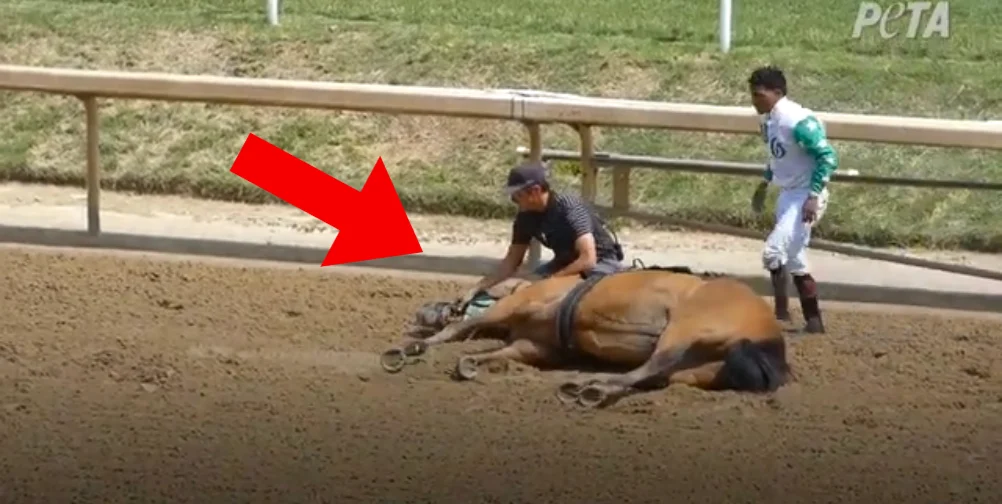
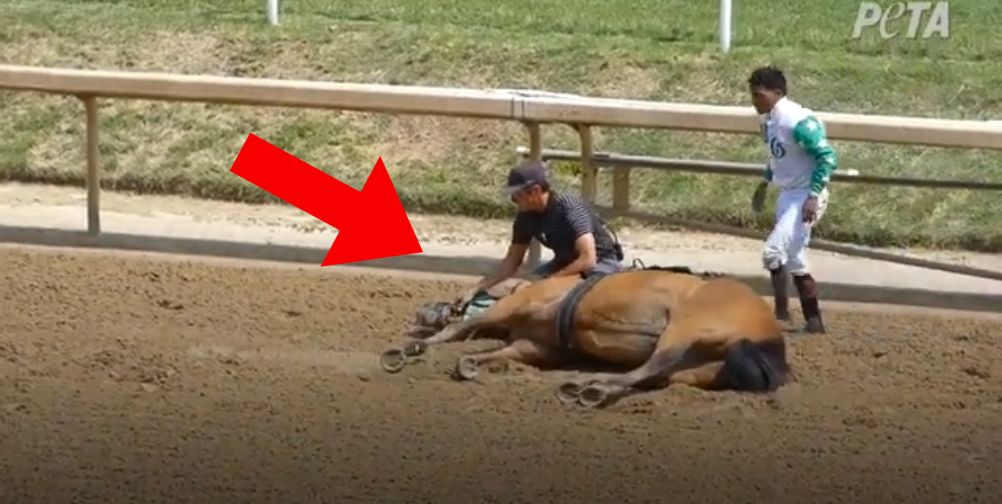
In modern ethical discourse, the concept of a "Social License to Operate" refers to the ongoing acceptance of a company or industry’s business practices by the general public. For horse racing, this license is under threat. Advocacy groups, most notably PETA (People for the Ethical Treatment of Animals), have been successful in bringing footage of track injuries to a mainstream audience. PETA’s investigations and public campaigns have urged bettors and sponsors to distance themselves from Churchill Downs, citing the 2025 fatality report as evidence of systemic failure.
The industry’s response has been a mix of defensive posture and genuine reform. Churchill Downs Inc. has invested in new turf courses and increased the presence of state-of-the-art veterinary equipment. However, the high profit margins reported by the company lead many to question if enough is being done. If the public perceives that a corporation is prioritizing dividends over the lives of the athletes that generate its wealth, the pressure for legislative bans on the sport could intensify.
Future Outlook and Necessary Reforms
As the industry looks toward future Triple Crown seasons, the pressure on Churchill Downs to reform its safety culture is at an all-time high. Several potential reforms are currently being debated among stakeholders:
- Transition to Synthetic Surfaces: Some advocates and trainers suggest that Churchill Downs should replace its traditional dirt track with a synthetic surface, such as Tapeta or Polytrack. Data from other venues suggests that synthetic surfaces have a lower rate of catastrophic breakdowns compared to dirt, though they present their own set of maintenance challenges and can be unpopular with traditionalists.
- Enhanced Pre-Race Screening: The implementation of mandatory standing MRI or PET scans for every horse entered in high-stakes races could identify pre-existing conditions that are currently missed by manual veterinary inspections.
- Stricter Entry Requirements: Limiting the number of times a horse can race within a certain timeframe could prevent the "over-racing" that contributes to bone fatigue.
- Increased Corporate Accountability: Industry experts suggest that a portion of all wagering revenue should be legally mandated to go into a national equine welfare and aftercare fund, ensuring that horses are protected both during and after their racing careers.
The future of the Kentucky Derby and the sport of horse racing at large may depend on the industry’s ability to prove that it can operate without a predictable "body count." While the pageantry of the Derby continues to draw millions of viewers, the shadow cast by the 19 fatalities of 2025 remains a significant hurdle. For Churchill Downs, the challenge is no longer just about hosting a successful race; it is about ensuring the survival of the sport in an era where animal welfare is a non-negotiable public demand. Without meaningful change, the "most exciting two minutes in sports" may increasingly be viewed through the lens of a preventable tragedy.

