


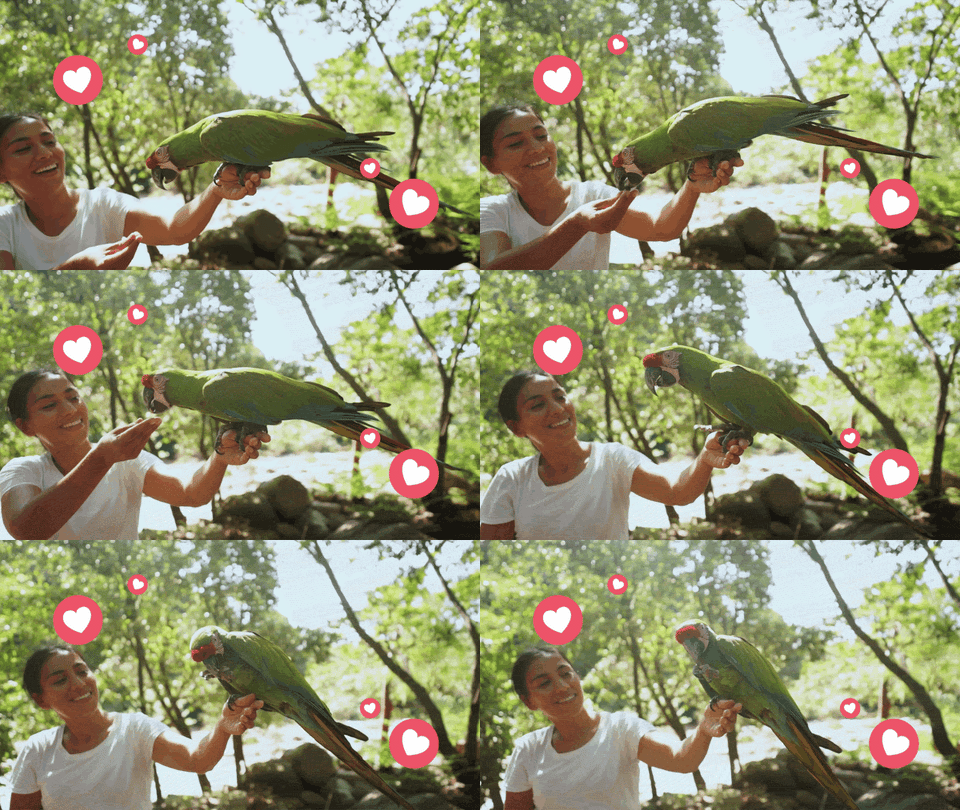
Living with a fully flighted parrot presents a unique blend of joy and responsibility. While the freedom of flight is integral to a bird’s natural well-being, it also introduces specific challenges within a domestic environment. Among the fundamental behaviors crucial for a harmonious and safe coexistence, the "step up" command stands paramount. This seemingly simple action—a bird voluntarily stepping onto a handler’s finger, hand, or a designated perch—is not merely a parlor trick but a cornerstone of avian husbandry, directly influencing a bird’s safety, welfare, and the strength of its bond with human companions. Without a reliably trained step-up, daily interactions can devolve into frustrating pursuits across furniture and fixtures, creating stress for both bird and owner and, more critically, exposing the bird to significant dangers.
The Critical Importance of Foundational Bird Training
The ability to calmly and effectively cue a bird to step up is a vital safety mechanism. Imagine a scenario where a child inadvertently leaves a door ajar, or a sudden loud noise spooks a parrot, sending it flying towards an open window or a hot stove. In such moments of potential crisis, the swift and confident execution of a "step up" can mean the difference between averting a tragedy and facing a heartbreaking accident. Avian veterinarians and behaviorists consistently emphasize that this skill is foundational to responsible pet bird ownership, enabling safe handling for routine care, health checks, medication administration, and emergency transport.
Historically, bird training often relied on less humane methods, sometimes involving coercion or restraint. However, modern avian behavior science, mirroring advancements in canine and other animal training, has overwhelmingly embraced positive reinforcement. This methodology focuses on rewarding desired behaviors, creating a positive association between the bird, the trainer, and the requested action. This shift has not only improved the efficacy of training but, more importantly, enhanced the welfare and psychological well-being of companion birds. The "step up" command, when taught through positive reinforcement, becomes an act of trust and cooperation rather than submission.
Understanding the Reluctance: Why Birds May Not Step Up
When a bird refuses to step up, it is rarely an act of "stubbornness" in the human sense. Instead, avian experts attribute this reluctance to underlying factors such as fear, confusion, past negative experiences, or physical discomfort. Recognizing these root causes is the first step toward effective training.
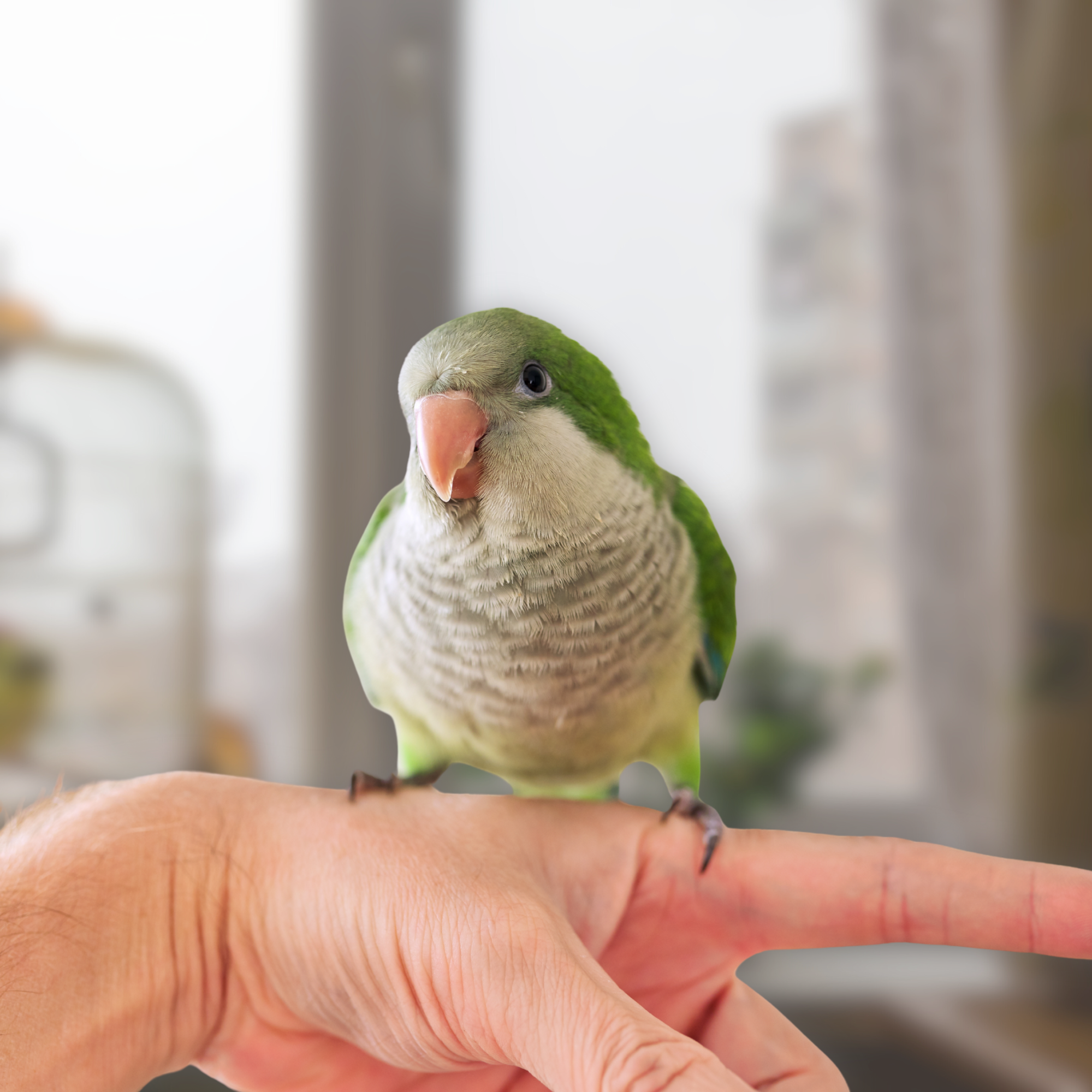
- Past Trauma and Negative Associations: Birds, particularly those rescued or rehomed, may have a history of forced handling, improper wing clips, or even abuse. These experiences can lead to a deep-seated fear of hands or human interaction, making them hesitant to approach or step onto a presented hand.
- Unfamiliarity with Human Anatomy as a Perch: A human finger or hand differs significantly from a natural branch or a cage perch. It can feel warm, move unexpectedly, or offer an unstable surface, which can be disorienting or frightening for a bird.
- Unsteady Handling: Once a bird does step up, a handler’s sudden movement, an unsteady arm, or a lack of confidence can scare the bird, reinforcing negative associations with the action.
- Physical Limitations: Younger birds may lack coordination, while elderly or arthritic birds might struggle with balance, grip strength, or discomfort when stepping onto an uneven surface. These physical challenges require a more patient and accommodating approach.
- Ineffective Training Methods: Inconsistent cues, a lack of clear rewards, or attempting to force the behavior can lead to frustration and resistance. Birds are intelligent creatures that thrive on clear communication and positive reinforcement.
The Science and Art of Teaching the Step Up
Effective bird training, particularly for the step-up, relies on principles of operant conditioning, where behaviors are strengthened or weakened by their consequences. Positive reinforcement, involving the addition of something desirable (a treat, praise) after a behavior, is the most humane and effective approach.
-
Establishing Trust and Positive Associations (Phase 1: Building a Foundation): Before any physical cue, the priority is to build a trusting relationship. This involves spending time near the bird without demanding interaction, offering favorite treats through cage bars, and speaking in a calm, soothing voice. The goal is for the bird to associate the human’s presence, and specifically their hands, with positive experiences. For birds highly fearful of hands, starting with a neutral object like a stick perch or a dowel can be an effective bridge. The trainer presents the stick, offers a treat when the bird shows interest, and gradually moves the stick closer, always respecting the bird’s comfort zone. This phase can take days, weeks, or even months, depending on the bird’s background and temperament.
-
Introducing Clear Cues (Phase 2: Communicating the Request):
- Verbal Cue: A simple, consistent phrase like "step up" should be chosen. It should be delivered in a calm, neutral tone.
- Visual Cue: The hand, finger, or stick perch should be presented just below the bird’s chest, allowing the bird to easily step onto it.
- Gentle Pressure: This is the physical prompt. A very light, upward nudge against the bird’s lower chest or belly serves as a clear signal to lift a foot. It is crucial this is a nudge, not a push, to avoid startling or unbalancing the bird. The pressure should be just enough to encourage the bird to shift its weight.
-
Reinforcement and Shaping (Phase 3: Rewarding Progress):
- Immediate Reward: As soon as the bird lifts one foot, or ideally, both feet, onto the hand/perch, an immediate reward is given. This could be a small, high-value treat (e.g., a sliver of almond, a piece of millet, a sunflower seed for larger parrots), verbal praise ("Good bird!"), or a gentle head scratch if the bird enjoys it. The immediacy of the reward is critical for the bird to associate the action with the positive consequence.
- Shaping Behavior: Initially, reward even partial steps or a lean towards the hand. Gradually, raise the criteria, rewarding only when both feet are firmly on the hand. This process, known as shaping, helps the bird understand the desired complete behavior.
- Short, Positive Sessions: Training sessions should be brief, typically 5-10 minutes, and conducted once or twice a day. Ending on a positive note, even if it means asking for a simpler behavior the bird knows, encourages the bird to look forward to the next session. Consistency is more important than duration.
Troubleshooting Common Challenges and Fear Responses
When a bird exhibits resistance—biting, flying away, or freezing—it’s crucial to interpret these as signs of fear, confusion, or discomfort, rather than deliberate disobedience. Force or punishment will only erode trust and exacerbate the problem.

- Biting: A bite is almost always a defensive reaction. It signals the bird feels threatened, overwhelmed, or trapped. If a bird bites, immediately withdraw the hand (without a dramatic reaction) and reassess the situation. Go back to a step where the bird was comfortable, focusing on trust-building and positive associations from a distance. Consider using a stick perch initially to create a barrier between the hand and the bird, gradually transitioning to the hand as trust grows.
- Flying Off: This indicates the bird is uncomfortable or feels pressured. It needs more space and less direct interaction initially. Return to trust-building exercises, offering treats without requiring physical interaction.
- Freezing: A frozen posture, often accompanied by wide eyes or ruffled feathers, is a fear response. The bird is too scared to move. Reduce pressure, offer space, and return to less demanding interactions.
- Inconsistency: If the bird steps up sometimes but not others, re-evaluate the consistency of cues, rewards, and the environment. Distractions, handler mood, or even the bird’s energy levels can play a role. Ensure the training environment is calm and free of distractions.
Advanced Training: Expanding on the Foundation
Once the step-up is mastered, it becomes a gateway to a richer training repertoire, further enhancing the bird’s cognitive engagement and the human-animal bond.
- Step-Down: This is the inverse of the step-up. The bird learns to calmly step off the hand onto a designated perch or surface. The process mirrors the step-up: verbal cue ("step down"), visual cue (the target perch), and reinforcement when the bird successfully places one foot, then both feet, onto the new surface. This is vital for teaching a bird to return to its cage or play stand willingly.
- Laddering: A dynamic exercise where the bird alternates stepping from one hand to the other (e.g., "step up" onto the left hand, then "step up" onto the right hand, and so on). This builds agility, coordination, and reinforces responsiveness to cues, teaching the bird to look to the handler for direction. It also builds confidence in being handled and helps in navigating around obstacles.
- Target Training: This involves teaching the bird to touch its beak to a specific object (a "target stick"). This highly versatile skill can be used to guide the bird to different locations, encourage it to enter its cage, or even teach complex tricks without direct physical contact. The "step up" can be integrated with target training by having the bird target the hand, then step up.
- Station Training: Teaching a bird to go to and remain on a specific perch or "station" for a period. This is invaluable for managing bird behavior, especially during mealtimes or when guests are present, providing a safe, predictable space for the bird.
Broader Implications: Welfare, Public Perception, and the Human-Animal Bond
The widespread adoption of effective, positive reinforcement training methods like the step-up has profound implications for companion parrots.
- Enhanced Welfare: A well-trained bird is a safer bird. It is less likely to suffer accidents, experiences less stress during vet visits, and can be easily managed in emergencies. This reduces the likelihood of injury or illness, contributing to a longer, healthier life.
- Reduced Rehoming: Many parrots are rehomed or relinquished to rescues due to behavioral issues, a significant portion of which stem from a lack of understanding or training. A bird that can be easily handled and communicated with is far less likely to become a source of frustration for its owners, thereby increasing its chances of remaining in a stable, loving home. Avian rescue organizations consistently report that birds with basic training, like the step-up, are significantly easier to adopt out.
- Stronger Human-Animal Bond: Training is a powerful form of communication. When a bird understands and responds to cues, it fosters a deeper connection based on mutual respect and trust. Owners experience the satisfaction of a responsive companion, and birds gain confidence and a sense of security in their interactions. This bond transcends mere ownership, transforming into a partnership.
- Public Perception and Advocacy: As more pet bird owners successfully train their companions, it elevates the public perception of parrots as intelligent, trainable, and deeply social animals, rather than just decorative pets. This can lead to greater advocacy for avian welfare, responsible breeding practices, and a better understanding of their complex needs.
Conclusion: A Lifelong Commitment to Communication
The journey of bird training, beginning with the fundamental "step up," is a testament to the evolving understanding of avian intelligence and emotional capacity. It is a continuous process of clear communication, unwavering patience, and consistent positive reinforcement. Diane Burroughs, LCSW, an expert with over 30 years of experience in avian behavior and psychotherapy, underscores this philosophy. Her work, which combines Applied Behavior Analysis (ABA) with practical strategies, emphasizes building trust, confidence, and positive experiences. Her contributions, recognized in publications like the Journal of Avian Medicine and Surgery and at conferences like ExoticsCon, highlight the professional dedication required to foster healthy human-parrot relationships.
The ability of a parrot to confidently step onto a hand is more than just a learned behavior; it is a visible manifestation of trust, a critical safety measure, and a gateway to a more enriched life for both bird and owner. By investing time and effort in this foundational skill, bird enthusiasts are not just training a pet; they are cultivating a lifelong bond based on understanding, respect, and mutual joy, ensuring that their feathered companions thrive in a world designed for humans. This commitment to thoughtful, positive training reflects the highest standards of responsible pet ownership and contributes significantly to the overall well-being of these magnificent creatures.

