


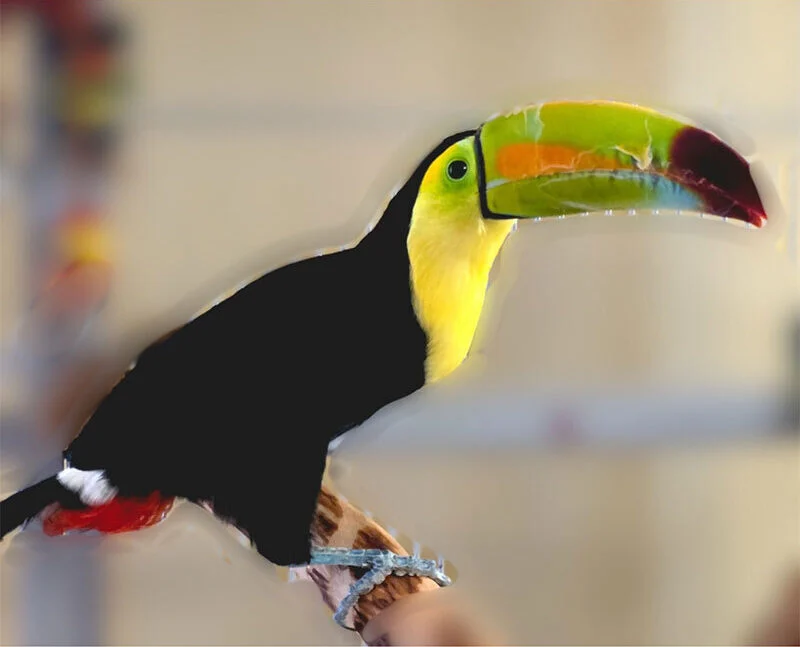
Toucan Sam, the vibrant avian celebrity who captivated Las Vegas residents for months after escaping his enclosure in November 2025, has finally been safely captured. His remarkable journey across the desert cityscape concluded on February 26, 2026, when he was spotted by alert homeowners, leading to a swift and successful rescue operation by the Southwest Exotic Avian Rescue (SWEAR) group. The exotic bird is now undergoing a crucial quarantine period and medical evaluation at the SWEAR facility, marking the beginning of his recovery from a challenging winter spent in an unfamiliar environment. This dramatic rescue not only brings a sigh of relief to the community that followed his adventures but also underscores the complex challenges associated with exotic pet ownership and the vital role of dedicated rescue organizations.
The Allure and Intricacies of Toucan Ownership
Toucans, members of the Ramphastidae family, are undeniably striking birds renowned for their disproportionately large, often vibrantly colored beaks and iridescent plumage. Native to the tropical and subtropical rainforests of Central and South America, these omnivorous birds typically thrive in warm, humid climates, their natural diet consisting primarily of fruits, insects, and small vertebrates. Their exotic beauty often entices individuals to consider them as pets, yet their specialized needs and complex behaviors present significant challenges for even experienced avian enthusiasts.
A toucan’s diet, for instance, is highly specific and critical for their health. Unlike many other pet birds, toucans require a low-iron fruit-based regimen, supplemented with specialized pellets designed to prevent iron storage disease (hemochromatosis), a common and potentially fatal condition in captivity. Fruits high in iron, such as citrus, spinach, and fortified cereals, must be strictly avoided. Their unique beaks, while large, are surprisingly lightweight and serve multiple purposes: reaching fruit on distant branches, peeling fruit, regulating body temperature, and even defense. However, in a domestic setting, these beaks can be susceptible to injury, and their strength can be underestimated.
Beyond diet, toucans are active, intelligent, and social birds that demand extensive interaction and ample space to fly and forage. They are not typically "cuddly" pets and can exhibit behaviors that differ significantly from more common pet birds, including vocalizations that, while natural, can be quite loud and startling, and a territoriality or even aggression that many prospective owners underestimate. The list of items toxic or harmful to toucans is extensive, necessitating meticulous attention to their environment to prevent accidental ingestion or exposure. Furthermore, the legalities surrounding exotic bird ownership vary widely by region, often requiring special permits or adherence to strict welfare standards. Sam’s story serves as a poignant reminder of the inherent complexities, substantial financial commitment, and profound responsibilities associated with keeping such magnificent, wild-at-heart creatures.
Chronology of a Desert Escapade: Months on the Loose
Toucan Sam’s unexpected saga began in November 2025, when he slipped from his enclosure and vanished into the vast urban and natural landscape surrounding Las Vegas. The exact circumstances of his escape remain unclear, but the incident quickly transformed into a local phenomenon. For over three months, the distinctive bird became an unlikely local celebrity, his bright colors a stark contrast against the muted desert palette of Southern Nevada.
Sightings of the toucan poured in from various neighborhoods across the Las Vegas Valley, transforming his escape into a community-wide watch. Organizations like the Southwest Exotic Avian Rescue (SWEAR), a non-profit dedicated to the rescue, rehabilitation, and rehoming of exotic birds, immediately began monitoring his movements. Volunteers meticulously tracked Sam’s trajectory, documenting his appearances through numerous photographs and videos shared across social media platforms and local wildlife networks. Each sighting was crucial, helping to map his general range and understand his survival strategies.
Despite the frequent observations, the actual capture of such a swift and intelligent bird in an expansive urban and semi-wild environment proved exceedingly difficult. Toucans are naturally wary and agile flyers, making direct intervention a formidable task. Attempts at capture required careful planning, considering the bird’s welfare, the safety of all involved, and the public’s presence. SWEAR, with its experience in handling difficult rescues, advised residents to report sightings but cautioned against approaching or attempting to capture the bird themselves, as this could stress Sam or inadvertently drive him further away. Public cooperation was paramount in ensuring Sam remained undisturbed and safe from potential harm until a professional intervention could be executed.
Survival Against the Odds: An Unusually Mild Desert Winter
The most pressing concern for Toucan Sam’s well-being during his extended outdoor adventure was the harsh reality of the Las Vegas winter. Toucans are accustomed to the consistent warmth, high humidity, and dense foliage of tropical climates, where temperatures rarely fluctuate drastically. The arid desert environment of Southern Nevada, however, is characterized by significant diurnal temperature fluctuations, often scorching hot days followed by cold, sometimes freezing, desert nights.
Temperatures in Las Vegas can plummet well below freezing during winter months, and sustained exposure to such conditions can be fatal for tropical birds. Risks include hypothermia, frostbite (particularly on their sensitive feet and beak), and compromised immune systems, making them susceptible to opportunistic infections. Fears for Sam’s survival were widespread among concerned citizens and avian experts, who understood the physiological challenges such a climate posed to a tropical species. Dr. Evelyn Reed, an avian veterinarian with extensive experience in exotic birds, stated, "A tropical bird like a toucan is simply not built for sustained cold. Their metabolism and feather insulation are adapted for warmth, not freezing temperatures. Every night he spent out there was a roll of the dice."
However, providence intervened in the form of an unusually mild winter season for Las Vegas and its surrounding areas during late 2025 and early 2026. This exceptional weather pattern, marked by higher-than-average nighttime temperatures and fewer severe cold fronts than is typical for the region, played a critical role in Toucan Sam’s ability to endure. While still challenging, the absence of extreme cold snaps significantly mitigated the immediate life-threatening risks, allowing him to forage and maintain his body temperature more effectively than he would have in a typical Las Vegas winter. This fortunate climatic anomaly was undoubtedly a crucial factor in keeping Toucan Sam safe and alive for over 90 days in the wild, a testament to his resilience coupled with a stroke of environmental luck.
The Moment of Capture: Community Vigilance and Expert Intervention
The prolonged pursuit of Toucan Sam finally culminated on February 26, 2026, thanks to the vigilance and quick thinking of a local Las Vegas couple. The toucan, likely driven by hunger or seeking temporary shelter from the elements, ventured into their open garage. Recognizing the distinctive bird from the extensive local news coverage and community alerts that had circulated for months, the homeowners acted swiftly and responsibly. They carefully closed the garage door, effectively containing the bird within the enclosed space without causing it distress or injury. Their calm and measured response was critical in preventing Sam from taking flight once more.
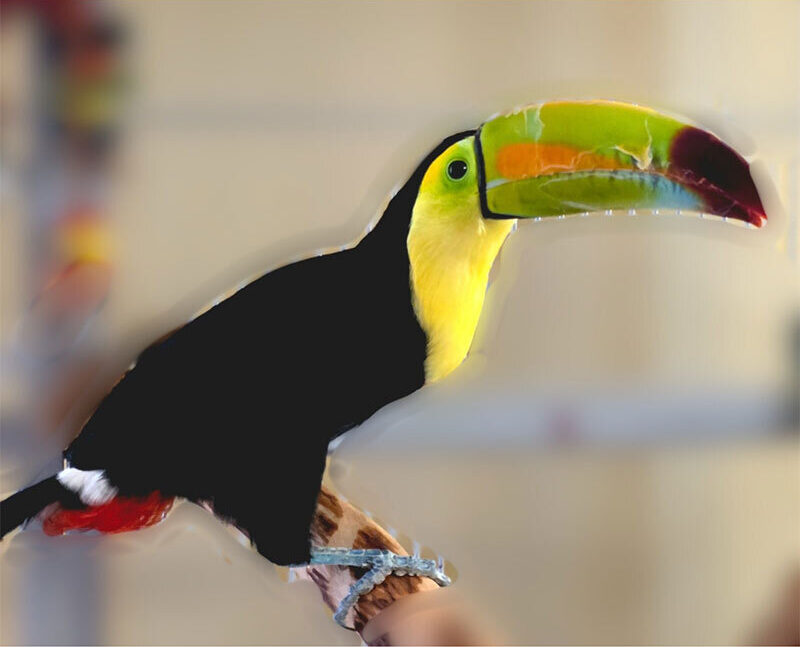
Immediately following the containment, the homeowners contacted SWEAR. The organization’s rapid response team mobilized to the location without delay, understanding the urgency of the situation. Upon arrival, the experienced SWEAR volunteers, equipped with specialized nets, carriers designed for avian transport, and a deep understanding of bird behavior, executed a textbook capture. Their priority was the bird’s safety and minimizing any stress during the apprehension process. Employing gentle techniques and relying on their expertise in handling exotic birds, the team managed to secure Toucan Sam efficiently and without incident. This brought a definitive end to Sam’s precarious journey across the Las Vegas skyline, transforming him from a wild wanderer back into a bird under human care. The successful capture was a testament to the power of informed community awareness combined with the dedicated efforts and specialized skills of avian rescue professionals.
Immediate Care and Critical Quarantine Protocols
Following his capture, Toucan Sam was transported directly to the SWEAR facility, where he immediately underwent an initial health assessment. This critical first step involved a thorough physical examination by an avian veterinarian to identify any visible injuries, signs of dehydration, malnourishment, or other indicators of distress from his time in the wild. As a standard and paramount protocol for any rescued exotic bird that has spent time in an uncontrolled outdoor environment, Sam was placed under a mandatory quarantine period, typically lasting 30 to 45 days.
This isolation is paramount for several crucial reasons. Firstly, it prevents the potential spread of any pathogens, parasites, or diseases he might have contracted during his time outdoors to other birds already residing within the rescue facility. This biosecurity measure protects the health of the entire avian population at SWEAR. Secondly, the quarantine period allows veterinary staff and trained caregivers to closely monitor his health, behavior, appetite, and droppings without the added stress of interacting with other birds or a bustling environment.
During this period, blood samples were meticulously drawn. These samples are crucial for comprehensive diagnostic testing, screening for a wide range of avian diseases that could pose a threat. This includes, but is not limited to, Psittacine Beak and Feather Disease (PBFD), Polyomavirus, Chlamydiosis (psittacosis), Pacheco’s disease, and, critically, Avian Influenza (bird flu). The concern about what Sam may have eaten or drunk while on the loose – potentially contaminated food or water sources, or even wild insects that could carry parasites – underscores the importance of these thorough tests. Specialized dietary adjustments were also immediately implemented to correct any nutritional deficiencies he might have developed and to transition him back to a controlled, low-iron diet suitable for toucans. This intensive care regime is designed to ensure a full recovery and safeguard the health of all birds at the sanctuary.
Assessing Injuries and Rehabilitation Prospects
While Toucan Sam’s survival in the wild for several months was remarkable, his ordeal did not leave him entirely unscathed. Upon closer examination at the SWEAR facility, veterinarians noted two distinct injuries: a chip off the tip of his long, prominent beak and the loss of a small patch of feathers. The beak, a toucan’s primary tool for feeding, preening, climbing, and even defense, is a highly sensitive and vital structure. A chipped beak, depending on its severity and location, can impact his ability to effectively manipulate food, peel fruit, and could potentially require ongoing monitoring or even specialized veterinary intervention, such as filing or smoothing, to prevent further damage or discomfort. The beak is also crucial for social interactions and thermoregulation.
Feather loss, while often a sign of stress, minor trauma, or nutrient deficiency, is generally less concerning than beak damage. New feathers will typically grow back during the next molting cycle, provided the bird is receiving proper nutrition and is in a safe, low-stress environment. The SWEAR team is diligently providing a supportive environment to facilitate his physical healing. This includes a precisely balanced diet tailored to his specific nutritional needs, a quiet and secure enclosure to minimize stress, and careful observation of his beak’s condition and overall demeanor. The long-term prognosis for these types of injuries is generally good with appropriate veterinary intervention and diligent care, and the primary focus remains on ensuring he can regain full functionality and live a high quality of life. The psychological impact of his prolonged escape and capture is also being monitored, with enrichment activities introduced to help him readjust to captivity.
The Unanswered Question of Ownership and Future Sanctuary
One significant aspect of Toucan Sam’s story that remains unresolved is the identity of his original owners. Despite extensive media coverage, widespread social media alerts, and public appeals following his rescue, no individuals have yet come forward to reclaim the bird. This situation presents a complex challenge for SWEAR, as the organization must adhere to legal protocols regarding unclaimed animals while prioritizing Sam’s welfare.
While the immediate priority is Sam’s health and rehabilitation during his quarantine, the question of his permanent placement looms. If the original owners are not identified or do not come forward within a reasonable timeframe as stipulated by local animal welfare laws, SWEAR will initiate a formal process to determine the best long-term outcome for Sam. This could involve placing him in a loving, experienced home equipped to handle the unique demands of toucan care, a process that involves rigorous screening and home checks to ensure suitability. Alternatively, if a suitable private home cannot be found, or if his needs are deemed too specialized for typical private ownership, he may be integrated into the SWEAR facility’s permanent resident population, effectively becoming a long-term sanctuary resident. Reputable exotic bird rescues often serve as sanctuaries for animals whose owners cannot be found, are no longer able to provide adequate care, or whose needs are too complex for the average pet owner. Regardless of the path forward, SWEAR is unequivocally committed to ensuring Toucan Sam lives his "best life," free from the dangers of the wild and provided with the specialized attention, diet, and enrichment he requires.
SWEAR’s Vital Role and the Broader Context of Exotic Pet Rescue
The successful rescue of Toucan Sam highlights the invaluable and often unsung work performed by organizations like the Southwest Exotic Avian Rescue (SWEAR). Founded to address the growing need for specialized care for abandoned, neglected, or escaped exotic birds, SWEAR provides a critical service within the community, often operating on limited budgets and relying heavily on volunteers and public donations. Their mission extends beyond emergency rescue to include comprehensive rehabilitation, educational outreach aimed at promoting responsible pet ownership, and careful rehoming processes to ensure a permanent, suitable placement for each bird.
The challenges faced by SWEAR and similar exotic animal rescue organizations are immense. These include the significant financial burden of specialized veterinary care, specific dietary requirements, appropriate climate-controlled housing, and the extensive training needed for staff and volunteers. Furthermore, they often deal with animals suffering from past trauma, neglect, or behavioral issues stemming from inappropriate living conditions. Sam’s story also casts a spotlight on the broader issues surrounding exotic pet ownership. While many exotic pet owners are responsible and dedicated, the inherent difficulties in meeting the complex needs of wild animals in a domestic setting often lead to situations where birds escape, are surrendered when owners become overwhelmed, or face neglect due to a lack of understanding of their species-specific requirements. This phenomenon places immense strain on rescue organizations and local wildlife services, who are frequently the last resort for these animals. The public’s fascination with exotic animals must be balanced with a realistic understanding of the profound commitment, resources, and knowledge required to provide humane and appropriate care throughout an animal’s lifespan, a crucial message that SWEAR consistently promotes through its educational initiatives.
Implications and a Hopeful Outlook for the Avian Adventurer
Toucan Sam’s extraordinary three-month escapade and subsequent rescue serve as a compelling narrative, drawing attention to both the remarkable resilience of wildlife and the dedicated efforts of human intervention. His survival against the odds in a harsh desert environment underscores the inherent adaptability of some species, yet also highlights the profound risks tropical birds face when removed from their natural, highly specific habitats. The incident reinforces the critical importance of secure enclosures for exotic pets, the necessity of microchipping or other identification methods for rapid reunification, and the invaluable role of community vigilance and collaboration with specialized rescue groups in wildlife emergencies.
For SWEAR, the successful rescue of Toucan Sam is a significant achievement, further solidifying their reputation as experts in avian care and rescue. It also serves as a powerful fundraising and awareness-building tool, illustrating the tangible impact of their work. As Toucan Sam navigates his recovery and quarantine, the hope is that he will fully heal, both physically and psychologically, and eventually find a stable, enriching environment for the rest of his life. His journey, from a beloved pet to a fleeting desert celebrity and now to a recovering patient under expert care, is a testament to the unexpected adventures that can unfold when the wild meets the urban. The Las Vegas community, having followed his story with bated breath, eagerly awaits further updates on his progress, collectively hoping for a peaceful and healthy future for this colorful avian wanderer who briefly captured their hearts and imaginations.

