


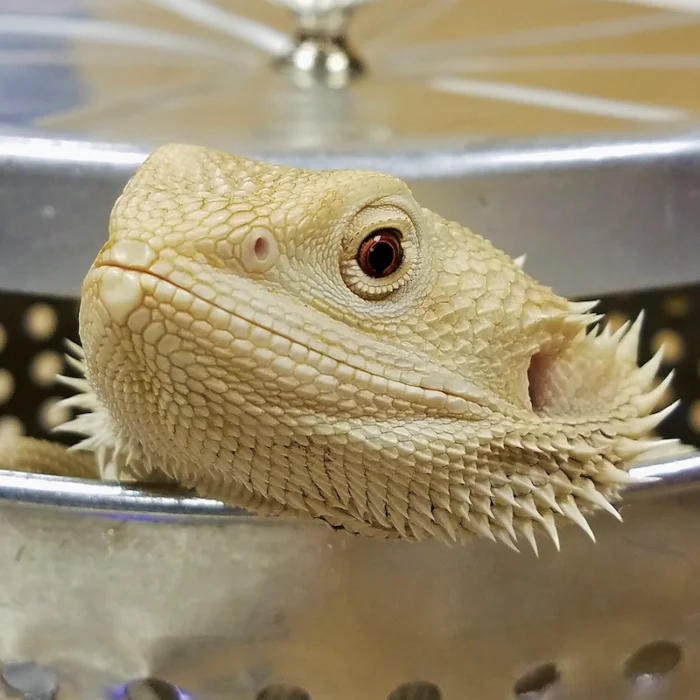
The landscape of modern veterinary medicine continues to evolve as the standard of care for non-traditional species reaches new heights of clinical sophistication and ethical consideration. On February 24, 2026, LafeberVet hosted a specialized educational session titled Palliative and Pain Management Strategies for Exotic Animals, presented by Jade Kingsley, BA/BSc, BVSc, PgDip, MANZCVS (Avian Health). This webinar, which has been formally approved by the American Association of Veterinary State Boards (AAVSB) Registry of Approved Continuing Education (RACE) program, provides one hour of continuing education credit for veterinarians and veterinary technicians. The initiative reflects a broader industry shift toward recognizing the complex needs of exotic pets, ranging from avian species to reptiles and small mammals, particularly as they enter their geriatric years.
The Rising Demand for Specialized Exotic Care
The veterinary industry has witnessed a significant demographic shift in pet ownership over the last decade. While dogs and cats remain the primary focus of many general practices, the population of exotic pets—including birds, reptiles, rabbits, and rodents—has surged globally. According to industry data, avian and exotic pet ownership grew by an estimated 15% between 2020 and 2025, driven by urban living trends and an increasing fascination with biodiversity.
As these animals live longer due to improved husbandry and nutrition, practitioners are increasingly faced with the challenges of managing chronic conditions and age-related decline. Unlike domestic dogs or cats, many exotic species are "prey" animals, meaning they have evolved a biological imperative to mask signs of illness or pain to avoid predation. This "masking phenomenon" presents a unique diagnostic hurdle for veterinarians. The webinar led by Dr. Kingsley addresses these specific challenges, focusing on how practitioners can identify subtle behavioral changes and implement effective analgesic protocols before a condition becomes terminal.
Core Pillars of the Palliative Approach
The 2026 curriculum focuses on a multidisciplinary approach to end-of-life care. Palliative care, distinct from hospice, focuses on relieving symptoms and improving the quality of life for patients with serious, often chronic, illnesses. For exotic animals, this involves a combination of pharmacological intervention, environmental modification, and nutritional support.
Pharmacological Innovations in Analgesia
Recent advancements in veterinary pharmacology have expanded the toolkit available for exotic practitioners. The webinar explores the use of multimodal analgesia—using multiple classes of drugs to target different pain pathways. This is particularly crucial in species like parrots or lizards, where metabolic rates and drug sensitivities differ vastly from mammalian models. Discussions include the efficacy of Gabapentin for neuropathic pain in birds and the evolving use of NSAIDs tailored to the renal physiology of reptiles.
Environmental Enrichment and Stress Reduction
For a prey species, the clinical environment is inherently stressful. Palliative care strategies emphasized in the session include "low-stress" handling techniques and the adaptation of home environments to accommodate physical limitations. For instance, modifying perches for geriatric birds with osteoarthritis or adjusting the thermal gradients for aging reptiles with reduced mobility are critical components of a comprehensive palliative plan.
The Ethics of Communication and Client Support
A significant portion of the program is dedicated to the "human" side of veterinary medicine: communication and ethics. Managing an exotic animal’s end-of-life journey requires a high degree of empathy and clear communication with the pet owner. Because the bond between exotic pet owners and their animals is often intense and misunderstood by the general public, veterinarians must serve as both clinical experts and emotional guides.
Dr. Kingsley emphasizes the importance of "Quality of Life" (QoL) assessments. These objective tools help owners move past the emotional fog of grief to make informed decisions about euthanasia or continued palliative support. The ethical considerations discussed involve the balance between prolonging life and ensuring that the animal is not suffering in a state of "existence without wellness."
Professional Accreditation and the Role of RACE
The approval of this course by the AAVSB RACE program underscores its clinical rigor. RACE-approved continuing education is the gold standard for veterinary professionals in the United States and Canada, ensuring that the content is scientifically sound and free from commercial bias. For veterinarians and technicians, earning these credits is not merely a licensing requirement; it is a commitment to staying at the forefront of a rapidly changing field.
The 2026 webinar structure allows participants three attempts to pass a post-test, ensuring that the core competencies—identifying pain, communicating with clients, and applying palliative protocols—are fully integrated into their professional knowledge base. This rigorous assessment reflects the high stakes of exotic animal medicine, where the margin for error is often narrower than in canine or feline practice.
Chronology of Exotic Medicine Advancements
The emergence of this specialized training is the result of a decades-long trajectory in the veterinary field:
- Pre-2000s: Exotic animal medicine was often treated as an adjunct to general practice, with limited species-specific data on pain management.
- 2010-2020: The rise of specialized boards, such as the American Board of Veterinary Practitioners (ABVP) and the Australian and New Zealand College of Veterinary Scientists (MANZCVS), began to formalize the study of avian and exotic health.
- 2021-2025: Increased research into the "prey species" psychology led to the development of better pain scales for birds and reptiles.
- 2026: The integration of palliative care as a standalone discipline within exotic medicine becomes a mainstream educational priority, as evidenced by the LafeberVet initiative.
Speaker Profile: Jade Kingsley
The selection of Jade Kingsley as the lead presenter adds significant weight to the program. With a diverse academic background (BA/BSc, BVSc) and specialized postgraduate qualifications (PgDip, MANZCVS in Avian Health), Kingsley represents the new generation of veterinary specialists who bridge the gap between rigorous scientific research and practical clinical application. Her expertise in avian health is particularly relevant, as birds are among the most challenging patients to manage palliatively due to their unique respiratory systems and high metabolic demands.
Broader Implications for the Veterinary Community
The focus on palliative care for exotics has implications that reach beyond the individual clinic. It signals a shift in the societal value placed on non-traditional pets. When professional bodies and educational platforms invest in high-level training for the care of a 50-gram budgerigar or a senior bearded dragon, it reinforces the ethical imperative that all sentient beings deserve a life free from preventable pain.
Furthermore, the data collected from palliative cases in exotic medicine often contributes to the broader understanding of comparative oncology and geriatrics. As veterinarians document the successes and failures of various pain management strategies in diverse species, they build a repository of knowledge that can eventually inform the care of other animals, and perhaps even offer insights into human medicine.
Analysis of Future Trends
As we look toward the remainder of the decade, several trends are likely to emerge from the foundations laid by this webinar:
- Telemedicine in Palliative Care: For exotic pets, the stress of transport can be fatal. Future protocols will likely integrate more remote monitoring and video consultations to assess quality of life in the animal’s natural habitat.
- Species-Specific Analgesics: We can expect more pharmaceutical research dedicated specifically to the receptors found in reptiles and amphibians, moving away from "off-label" use of mammalian drugs.
- Hospice Facilities for Exotics: While currently rare, specialized facilities or in-home hospice services for exotic animals are expected to grow in popularity as owners demand the same level of end-of-life care for their parrots or rabbits as they do for their dogs.
Conclusion
The Palliative and Pain Management Strategies for Exotic Animals webinar serves as a critical touchstone for the veterinary profession in 2026. By combining technical pharmacological knowledge with the soft skills of ethical communication, the program addresses a vital gap in current veterinary education. As the bond between humans and their exotic companions continues to deepen, the role of the veterinarian as a guardian of quality of life—at every stage—becomes more essential than ever. The commitment of organizations like LafeberVet and specialists like Jade Kingsley ensures that the smallest and most unique members of our households are not left behind in the advancement of modern medicine.

