


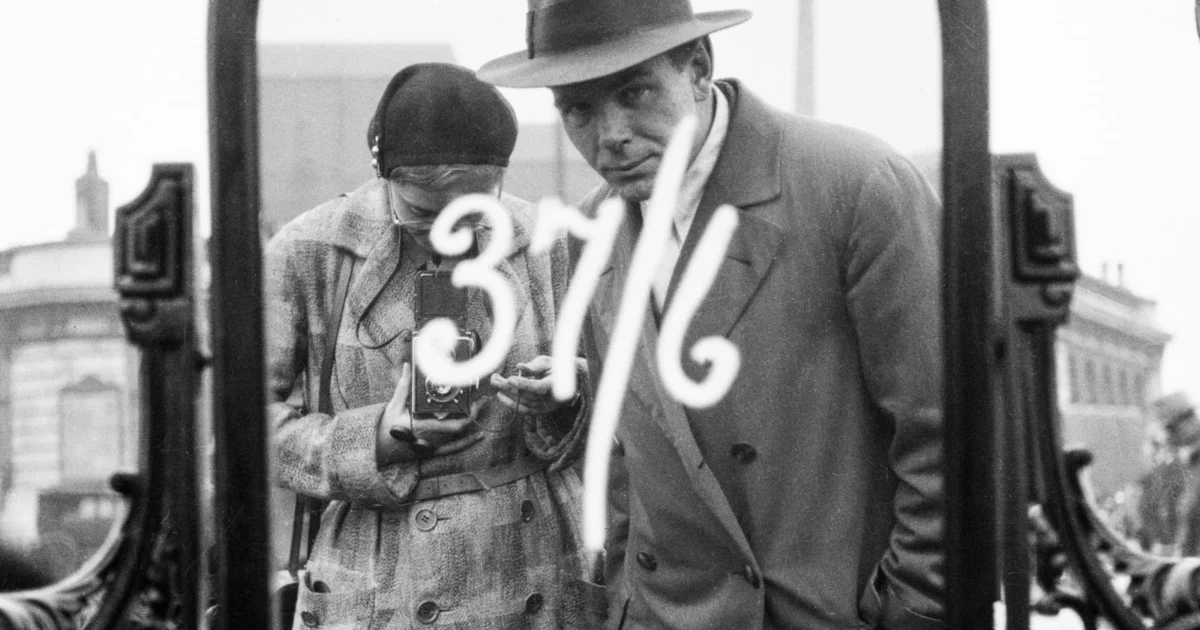
The publication of Daria Santini’s comprehensive biography, A Woman Named Edith: Emigre, Photographer and Secret Agent – The Extraordinary Life of Edith Tudor Hart, marks a significant milestone in the effort to reconcile the fractured legacy of one of the 20th century’s most enigmatic figures. Released by Yale University Press, this work provides an exhaustive examination of a woman who occupied two seemingly irreconcilable worlds: the high-stakes, clandestine realm of Soviet espionage and the gritty, empathetic field of social documentary photography. Tudor-Hart was not merely a witness to the ideological upheavals of the 1930s and 40s; she was an active participant whose influence reverberated through the British intelligence services for decades.
For years, Tudor-Hart was a ghost in the margins of Cold War history, known to MI5 as a person of interest and to the Soviet KGB as a vital "talent spotter." However, Santini’s research elevates her from a footnote in the "Cambridge Five" spy saga to a central protagonist. The biography navigates the complexities of her life as an Austrian refugee, a Bauhaus-trained artist, a mother, and a dedicated Communist whose convictions led her to facilitate some of the most damaging intelligence breaches in British history.
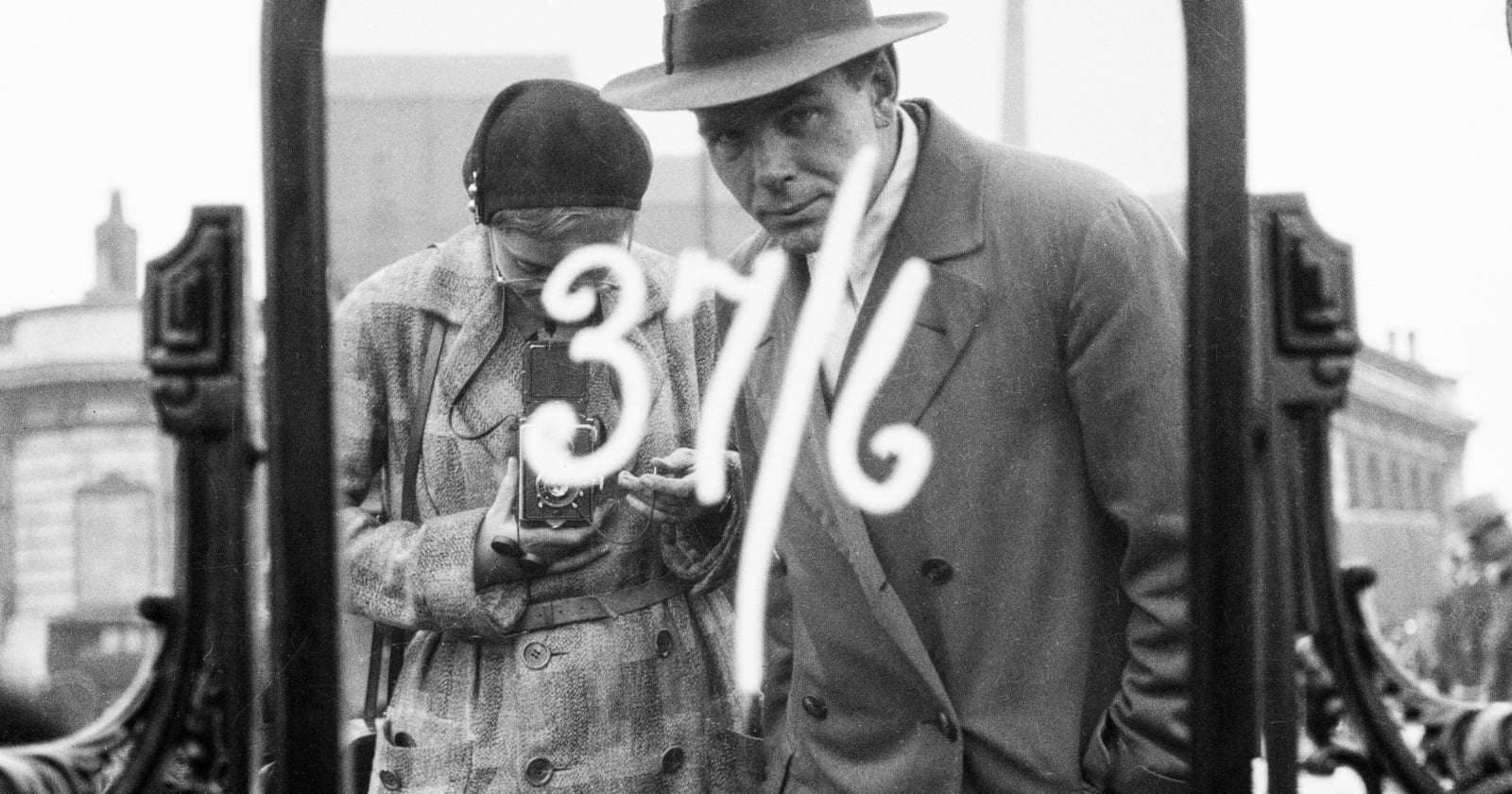
The Artistic Foundations: From Red Vienna to the Bauhaus
To understand the motivations of Edith Tudor-Hart, one must look to the crucible of Interwar Europe. Born Edith Suschitzky in Vienna in 1908, she grew up in a city defined by "Red Vienna"—a period of intense socialist reform and intellectual ferment. Raised in a working-class district, her family was deeply embedded in radical politics; her father ran a socialist bookstore, and her brother, Wolfgang Suschitzky, would also go on to become a world-renowned photographer and cinematographer.
In 1928, Edith’s journey took her to the Bauhaus in Dessau, Germany. At the time, the Bauhaus was the epicenter of modernist design and progressive thought. It was here that she honed her technical skills and adopted a visual language characterized by clarity, geometric precision, and a lack of sentimentality. This training would later define her "sophisticated realism," a style that used the camera not just to capture images, but to document social truths.
Returning to Vienna, she balanced her work as a photographer with a role as a Montessori kindergarten teacher. This dual focus on children’s welfare and political activism remained a constant throughout her life. However, her involvement with the Austrian Communist youth movement soon drew the attention of the authorities. In 1933, amid the rising tide of Austrofascism, she was arrested for her political activities. Realizing that her Jewish heritage and Communist ties made her a target, she married Alexander Tudor-Hart, a British physician and fellow leftist, which allowed her to seek refuge in London.
The Documentary Lens: Capturing a Britain in Crisis
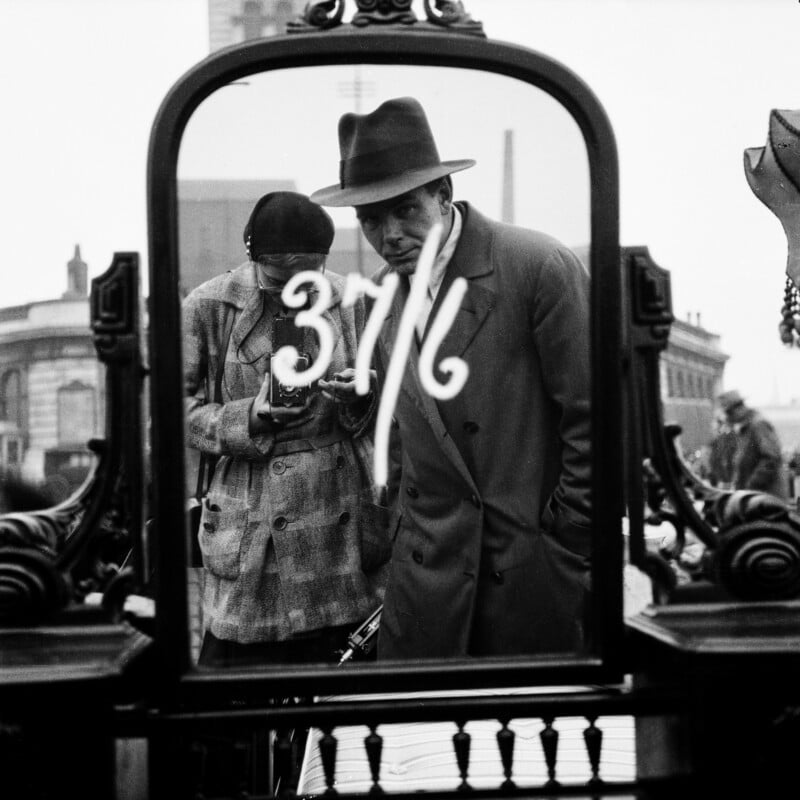
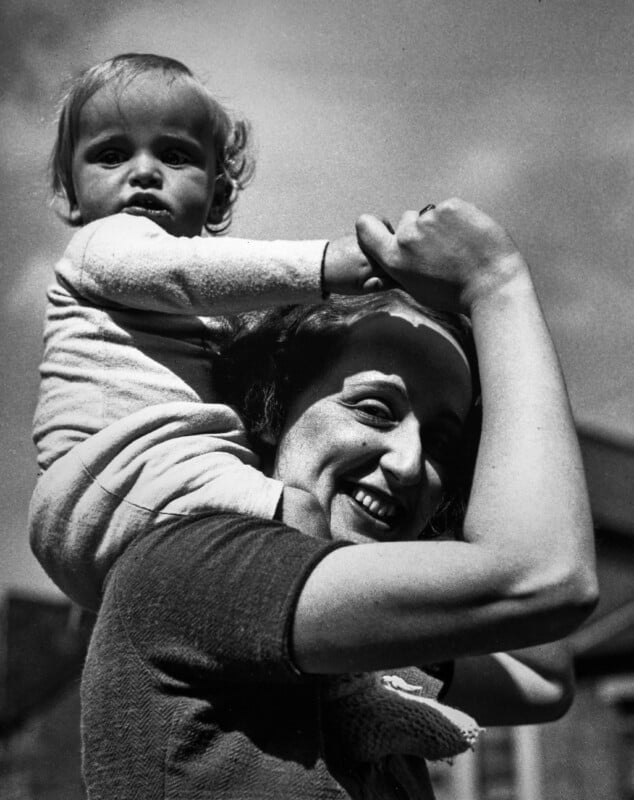
Upon arriving in Great Britain, Tudor-Hart established herself as a formidable force in the British documentary movement. While many of her contemporaries focused on portraiture or commercial fashion, Edith turned her Rolleiflex toward the disenfranchised. Her work from this period is now regarded as some of the most significant social documentation of the 1930s and 40s.
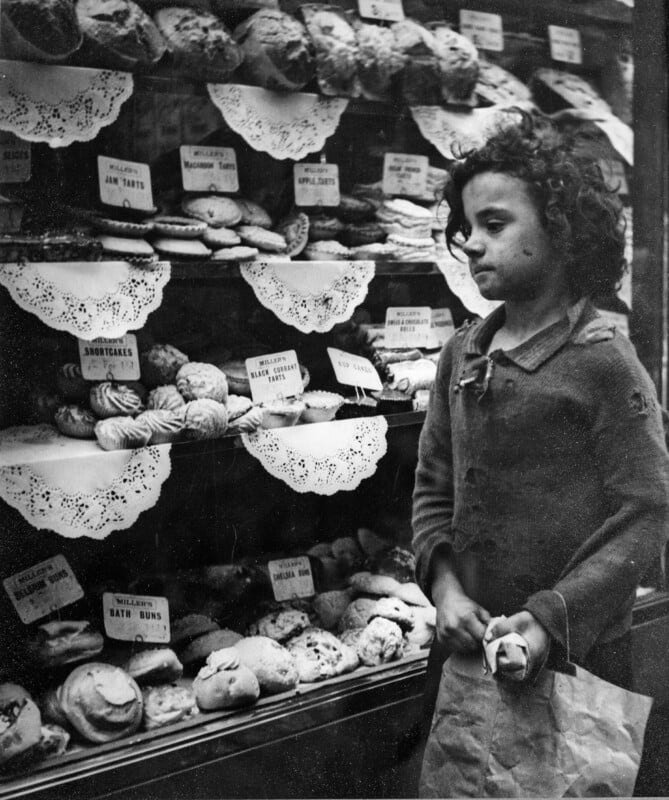
She traveled to the industrial heartlands of Tyneside, the mining villages of South Wales, and the slums of London’s East End. Her photographs captured the harsh realities of the Great Depression: the queues at labor exchanges, the cramped living conditions of working-class families, and the resilient faces of children playing in debris-strewn streets.
Tudor-Hart was a pioneer in several respects. She was among the first photographers in the United Kingdom to focus on the education of children with special needs, producing a series of moving images at schools in Aberdeen and London. Her work was characterized by a "bottom-up" perspective, often literally, as she frequently knelt to capture the world from a child’s eye level. This empathetic approach was not merely an aesthetic choice; it was an extension of her political belief that the camera should be a tool for social agitation and reform.
The Secret Life: The Grandmother of the Cambridge Five
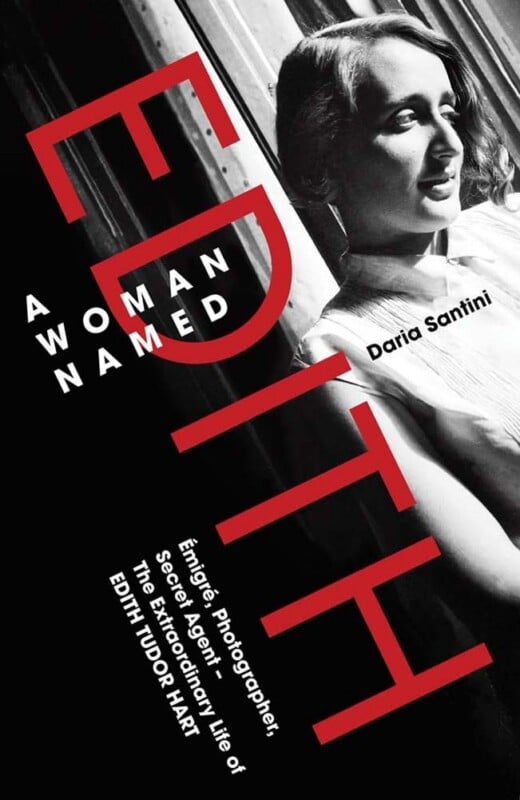
While her photographs were gaining traction in publications like The Listener and Picture Post, Tudor-Hart was leading a second, far more dangerous life. She served as a crucial link in the Soviet intelligence apparatus in London, acting as a courier and, most importantly, a talent spotter.
Her most significant contribution to Soviet espionage was the recruitment of Kim Philby. Tudor-Hart had met Philby in Vienna in 1933, where he had been a witness to the brutal suppression of the socialist movement. Recognizing his potential and his burgeoning radicalism, she introduced him to Arnold Deutsch, the Soviet "illegal" resident in London who would go on to recruit the core of the Cambridge Five.
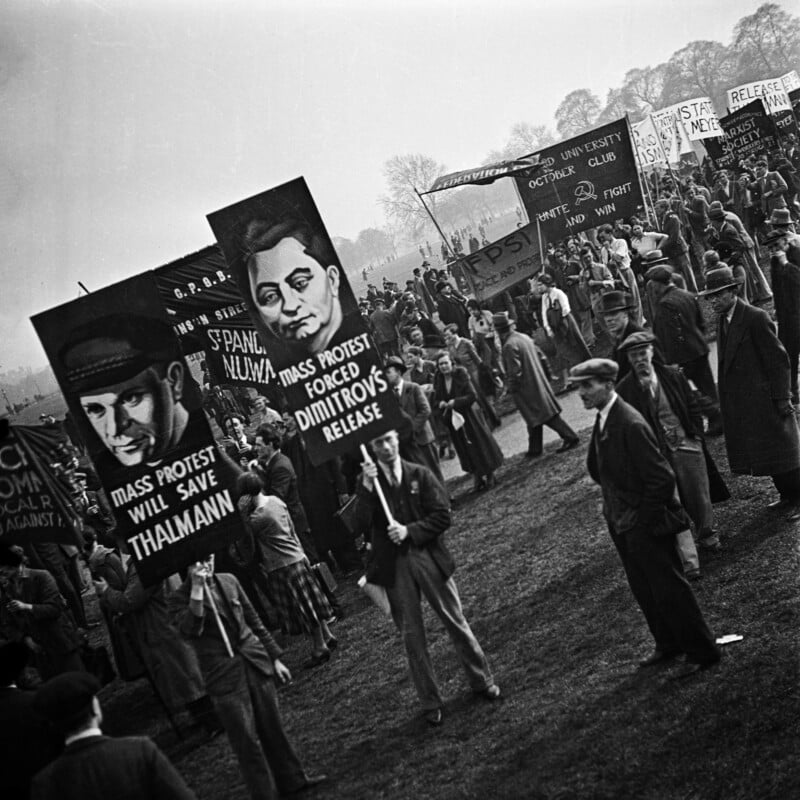
The "Cambridge Five"—Philby, Guy Burgess, Donald Maclean, Anthony Blunt, and John Cairncross—became the most successful spy ring in history, penetrating the highest levels of the British Foreign Office, MI6, and MI5. Decades later, during his 1964 confession, Anthony Blunt would famously refer to Edith as "the grandmother of us all," acknowledging her foundational role in the group’s formation. Her work for the Soviets was not motivated by financial gain, but by a fervent belief that the Soviet Union represented the only viable bulwark against the global spread of Fascism.
A Chronology of a Double Life
The following timeline illustrates the intersection of Edith Tudor-Hart’s professional achievements and her clandestine activities:
- 1908: Born Edith Suschitzky in Vienna, Austria.
- 1928: Enrolls at the Bauhaus in Dessau, training under the modernist masters.
- 1930-1932: Works as a photographer and teacher in Vienna; joins the Communist Party.
- 1933: Arrested in Vienna; marries Alexander Tudor-Hart and moves to London.
- 1934: Facilitates the meeting between Kim Philby and Arnold Deutsch, initiating the Cambridge Five recruitment.
- 1934-1939: Produces major photographic essays on poverty in Wales, Tyneside, and London.
- 1937: Documents Basque refugee children at North Stoneham Camp during the Spanish Civil War.
- 1940s: Continues documentary work while remaining under intermittent surveillance by MI5.
- 1951-1952: Following the defection of Burgess and Maclean and the first interrogation of Philby, she destroys a significant portion of her photographic negatives to protect herself and her contacts.
- 1950s-1960s: Effectively blacklisted and under constant pressure, she abandons photography and moves to Brighton to run an antique shop.
- 1973: Dies in Brighton, her role in the spy ring still largely unknown to the public.
Surveillance and the Destruction of a Legacy
The latter half of Tudor-Hart’s life was shadowed by the very intelligence services she had sought to undermine. MI5 maintained a thick file on her for decades, documenting her every move and association. Despite multiple searches of her home and repeated interrogations, British intelligence was never able to gather enough evidence to bring formal charges against her.
However, the psychological and professional toll was immense. In 1952, as the net began to tighten around the Cambridge Five, Tudor-Hart made the agonizing decision to destroy thousands of her negatives. This act of self-preservation was also an act of cultural tragedy, as it erased a significant portion of her artistic output. She spent her final years in relative obscurity in Brighton, marginalized by the photography community and haunted by the fear of exposure.
It was only after the fall of the Soviet Union and the subsequent release of the Mitrokhin Archive and other KGB documents that the full extent of her involvement was confirmed. In the early 1990s, British newspapers finally identified her as the "hunter" who had sparked the "spy story of the century."
Broader Impact and Historical Re-evaluation
The release of A Woman Named Edith contributes to a broader re-evaluation of women’s roles in both the history of photography and the history of espionage. For decades, Tudor-Hart was viewed through the lens of the men she recruited or the brother she lived in the shadow of. Santini’s biography shifts this perspective, presenting her as a woman of immense agency and creative power.
In the art world, Tudor-Hart is now recognized as a key figure in the transition from European modernism to British social realism. Her work is held in the permanent collections of the National Galleries of Scotland and the Tate, and major retrospectives in Edinburgh and Vienna (2013) have solidified her reputation as a master of the documentary form.
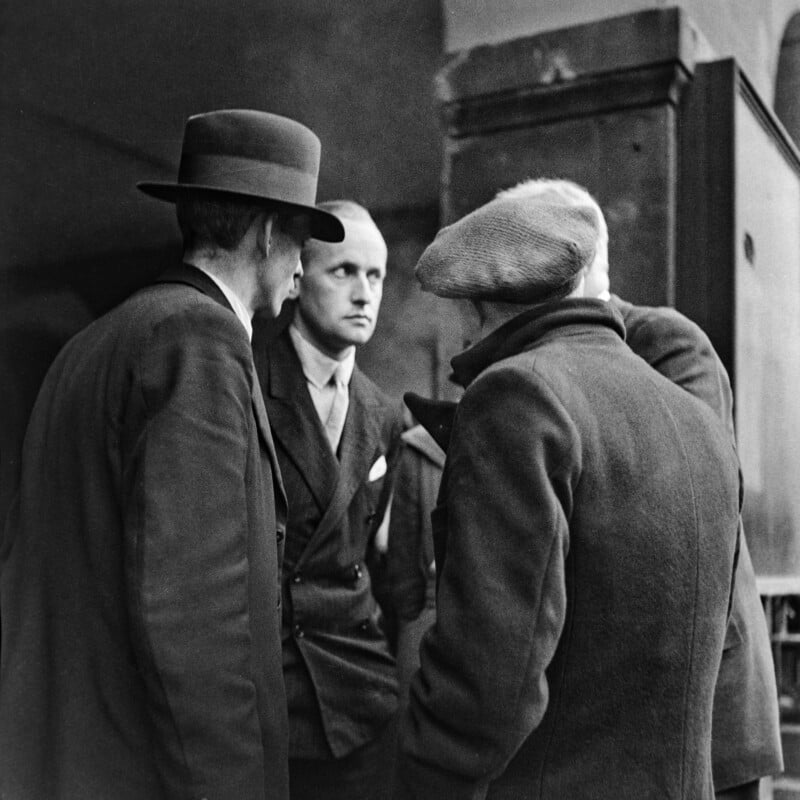
From a historical standpoint, her life offers a window into the "Age of Extremes." She represented a generation of intellectuals for whom the line between art and politics did not exist. Her story serves as a reminder of the personal sacrifices and moral complexities inherent in ideological warfare.
Analysis: The Intersection of Conviction and Artistry
In analyzing Tudor-Hart’s life, historians and critics often grapple with the paradox of her character. How could a woman so dedicated to the welfare of children and the relief of human suffering also serve a regime responsible for systemic repression? The answer, Santini suggests, lies in the context of the 1930s. For Tudor-Hart, the fight against Fascism was an existential necessity that justified the use of any means, including deception.
Her photography and her spying were, in her mind, two sides of the same coin. Both were aimed at dismantling an unjust social order. Her camera documented the failures of capitalism at home, while her intelligence work supported what she believed was the only alternative abroad.
The tragedy of Edith Tudor-Hart is that she lived to see the dream of a Communist utopia sour, while her own artistic legacy was nearly obliterated by the very secrecy her politics demanded. Daria Santini’s biography ensures that while the "secret agent" has been unmasked, the "photographer" is finally being seen in her full, brilliant complexity. A Woman Named Edith is more than a biography; it is a restoration of a woman who shaped the 20th century from the shadows, one frame and one secret at a time.

