


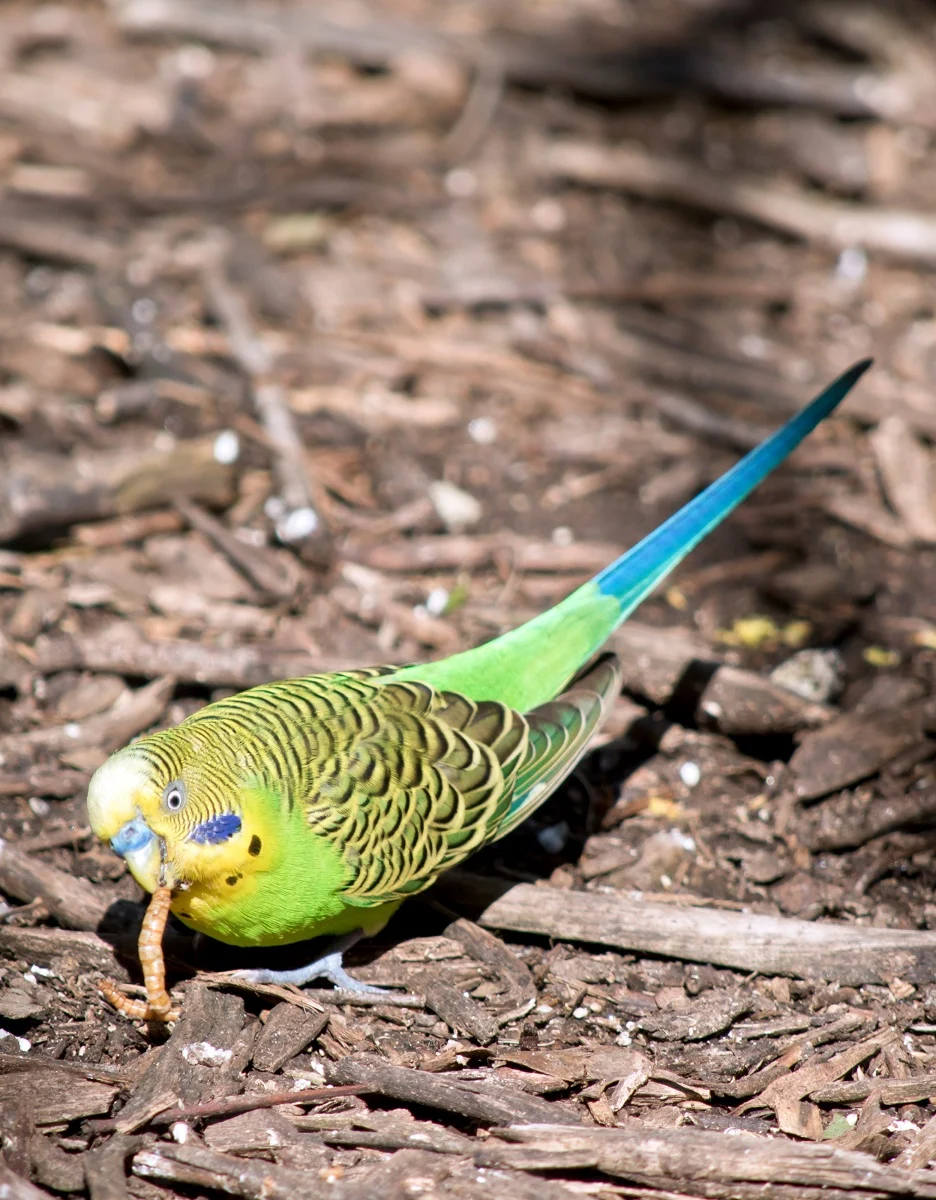
Providing a varied and nutritious diet is paramount to the health and longevity of budgie parakeets (Melopsittacus undulatus). Owners often face the challenge of discerning which household food items are safe and beneficial additions to their pet’s diet, and which pose significant health risks. This article delves into a comprehensive overview of common human foods, categorizing them as either safe (with specific preparation and portion guidelines) or unsafe/toxic, drawing on current avian veterinary recommendations and nutritional science. The goal is to equip budgie owners with the knowledge to enrich their birds’ diets safely, promoting optimal health and well-being.
The Budgie’s Natural Diet and Domestication Context
In their native Australian habitats, wild budgerigars primarily subsist on the seeds of grasses and herbaceous plants, adapting to arid and semi-arid conditions. Their diet is naturally low in fat and high in fiber, supplemented occasionally by insects during breeding seasons. The domestication of budgies, dating back to the mid-19th century, has drastically altered their environment and food availability. Pet budgies, unlike their wild counterparts, rely entirely on their human caregivers for sustenance. This shift necessitates a careful understanding of their nutritional requirements, which often differ significantly from what many owners initially assume. Historically, pet budgies were fed almost exclusively seed mixes, leading to widespread health issues such as obesity, fatty liver disease, and various vitamin deficiencies. Modern avian veterinary science now advocates for a diet predominantly composed of high-quality commercial pellets (60-80%), supplemented with a diverse array of fresh vegetables, a smaller amount of fruit, and occasional healthy "human" treats.
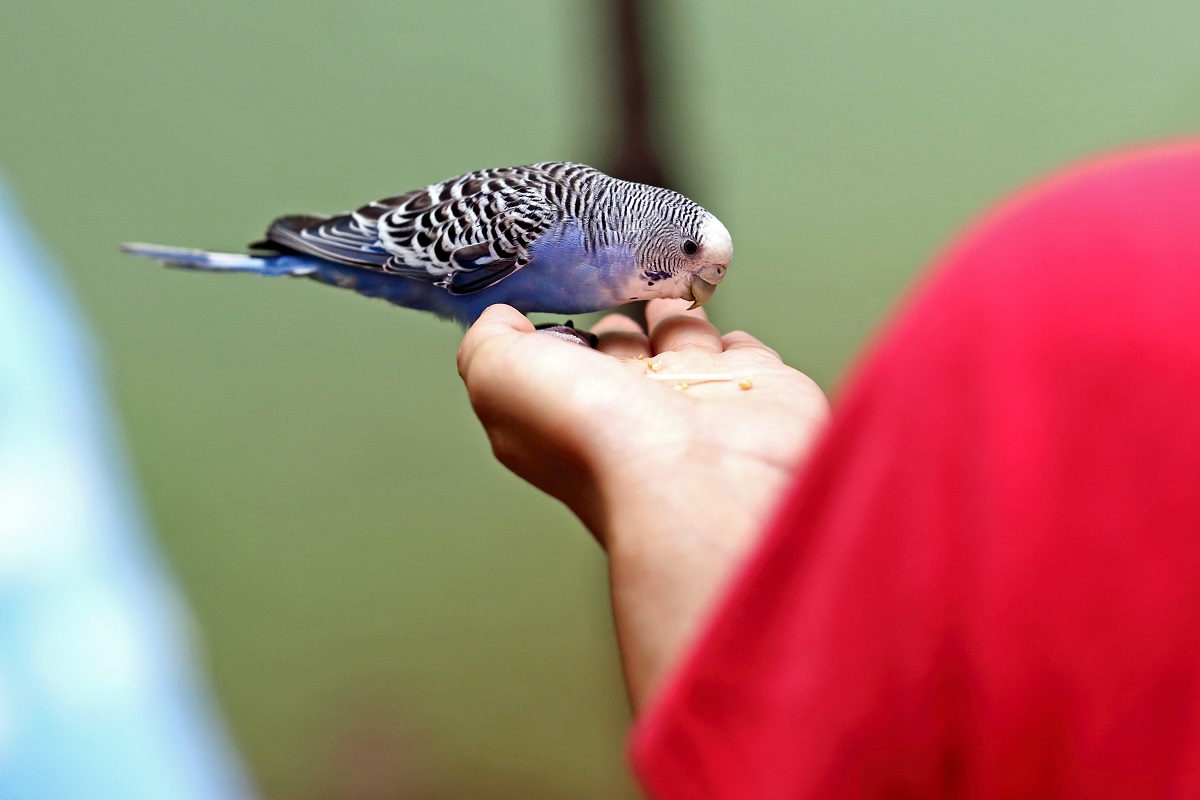
Nutritional Science: Understanding Budgie Dietary Needs
A budgie’s diet requires a delicate balance of macronutrients—proteins for muscle and feather development, carbohydrates for energy, and fats for energy storage and essential fatty acids. Micronutrients, including a wide spectrum of vitamins (A, D, E, K, B-complex) and minerals (calcium, phosphorus, iodine, iron), are crucial for metabolic functions, bone health, and immune system strength. Processed human foods, characterized by high levels of salt, sugar, unhealthy fats, and artificial preservatives, are detrimental to budgies due to their small size and distinct metabolic systems. Even small quantities can lead to significant health problems, including kidney damage, cardiovascular issues, and diabetes. Conversely, whole, unprocessed foods, when offered appropriately, can provide valuable nutrients and enrichment.
Safe Household Foods for Budgies: A Detailed Examination
Many common household items can serve as healthy, enriching additions to a budgie’s diet, provided they are prepared correctly and offered in moderation.
- Bread: Whole-wheat bread, unsweetened and unseasoned, can be offered in very small, plain pieces as an occasional treat. Avoid white bread, brioche, or any bread containing sugar, excessive salt, or other additives, as these offer minimal nutritional value and can be harmful. The primary benefit is fiber, but it should not be a staple.
- Sunflower Seeds: While a favorite due to their high fat content, unsalted sunflower seeds should be reserved as training treats or very occasional rewards. Their caloric density means overconsumption can quickly lead to obesity. They provide healthy fats and vitamin E, but moderation is key. Avoid any salted or flavored varieties.
- Peanut Butter: Natural, unsalted peanut butter, made solely from peanuts, is acceptable in tiny amounts. Commercial brands with added sugars, hydrogenated oils, or excessive salt are strictly off-limits. Its sticky texture and high fat content make it unsuitable for daily feeding. However, a minuscule smear can be an excellent tool for positive reinforcement or encouraging interaction with new toys or foods, leveraging its irresistible taste.
- Boiled Eggs: A superb source of lean protein, calcium, and essential vitamins, plain boiled eggs (scrambled or hard-boiled) are particularly beneficial for budgies, especially during molting, breeding, or recovery from illness. Ensure no oil, salt, or spices are used in preparation. The entire egg, including the shell (if crushed), can be offered.
- Chia Seeds: These tiny powerhouses are rich in Omega-3 fatty acids, fiber, and antioxidants. Budgies, being natural seed-eaters, can readily consume them. They can be sprinkled dry (about 1/4 teaspoon) onto regular food or offered as a water-soaked "pudding." Their nutritional profile makes them a valuable dietary supplement.
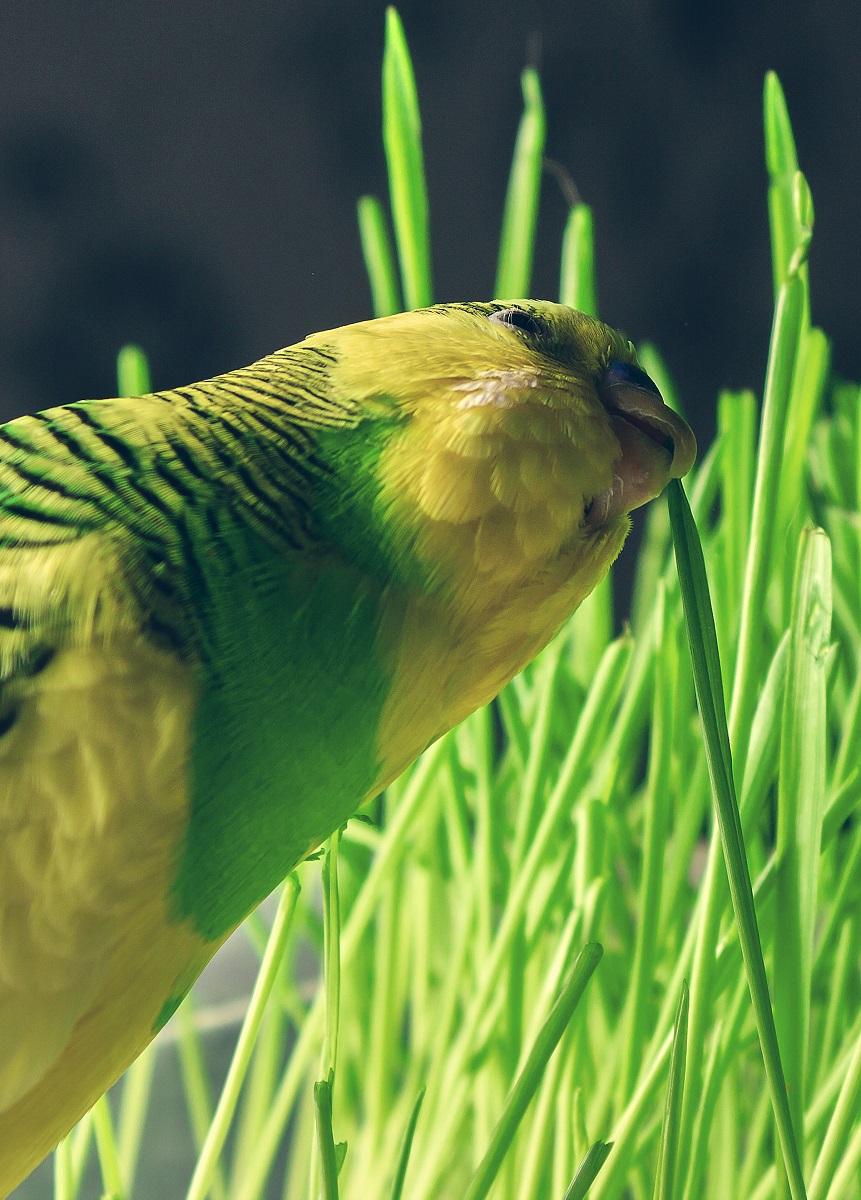
- Wheatgrass: Both wheatgrass seeds and sprouted wheatgrass are excellent, nutritious additions that can even form part of a budgie’s regular diet. Sprouting wheatgrass provides a fresh, vitamin-rich green that also offers significant enrichment through foraging and shredding. It is crucial to sprout them through a mesh to prevent birds from ingesting soil, which can harbor harmful bacteria, fungi, or additives.
- Cashews: Unsalted and unflavored cashews can be given in very small, crushed pieces as an infrequent treat. Like other nuts, they are high in fat. A quarter of a single cashew nut, broken down, is a sufficient portion. Roasting without salt is acceptable.
- Cheerios: Plain, unsweetened, whole-grain Cheerios (or similar low-sugar, low-salt oat cereals) can be offered in small pieces occasionally. They are relatively simple in ingredients compared to many other cereals. However, their processed nature and minimal nutritional benefits compared to whole foods mean they should not be a regular dietary component.
- Pumpkin Seeds: Similar to sunflower seeds, unsalted pumpkin seeds are a high-fat treat. Due to their larger size, they should be offered in halves. While some budgies can hull them, owners may need to assist by cracking them open to make them accessible.
- Almonds: Unsalted, unflavored almonds, chopped into tiny pieces, are a healthy fat source. As with cashews, moderation is key. Sprouting raw almonds can enhance their nutritional value and digestibility for birds.
- Chicken: Plain, cooked chicken breast or thigh, completely free of seasoning, oil, or skin, can be offered in small slivers. While not a typical part of their diet, it provides lean protein and can be particularly helpful for birds needing extra protein, such as laying hens or those recovering from injury.
- Dried Fruit: Only unsweetened, preservative-free dried fruits are suitable. Candied or sulfur-treated dried fruits should be avoided entirely. Due to the concentration of natural sugars, dried fruit should be offered sparingly and in very small pieces. Home dehydration is an excellent way to ensure purity.
- Hemp Seeds: Frequently included in commercial bird seed mixes, hemp seeds are rich in Omega-3 fatty acids and protein. They are safe and beneficial, free from the psychoactive compounds found in cannabis, and make a great nutritional supplement.
- Pasta: Plain, cooked, unsalted pasta (whole-wheat preferred) can be offered in small pieces. Dry pasta also makes an excellent, edible foraging toy. Avoid any sauces, oils, or seasonings. Alternatives made from lentils, corn, or peas are also suitable.
- Pine Nuts: Following the rules for other nuts, unsalted pine nuts can be given in very small quantities. They are high in healthy fats but should be treated as an occasional treat.
- Peanuts: While historically viewed with caution due to concerns about Aspergillus mold (which can cause aspergillosis), high-quality, human-grade, unsalted peanuts are safe when stored properly. Offering them in the shell (with a small crack to aid foraging) can provide mental stimulation.
- Popcorn: Plain, air-popped, unsalted, and unbuttered popcorn is a safe and enjoyable treat for budgies. Its light, crunchy texture is often appealing, and it can be incorporated into homemade edible toys. Avoid microwave popcorn or any flavored varieties.
- Quinoa: A complete protein, quinoa (white, red, or black) is an excellent grain for budgies. It can be offered cooked or uncooked and provides a wide array of healthy micronutrients. It belongs to the Amaranth family, whose seeds are naturally consumed by small birds.
- Rolled Oats: Plain rolled oats or steel-cut oats are a fine addition to a budgie’s diet. They can be offered dry or soaked in water. Oatmeal prepared with unsweetened nut milk (like almond milk) is also acceptable, though owners should be mindful of its sticky consistency which can be difficult to clean from feathers.
Unsafe and Toxic Household Foods for Budgies: Critical Avoidance
Certain human foods are explicitly toxic or profoundly unhealthy for budgies and must be strictly avoided. Ingestion of these can lead to severe illness or death, necessitating immediate veterinary attention.
- Avocado: This fruit is highly toxic to budgies and most other psittacines due to the presence of persin, a fungicidal toxin. Even small amounts can cause respiratory distress, weakness, fluid accumulation around the heart and lungs, and sudden death. Owners suspecting avocado ingestion should contact an avian veterinarian immediately.
- Chocolate: Containing theobromine and caffeine, chocolate is a potent toxin for birds. These compounds can cause hyperactivity, tremors, seizures, heart arrhythmias, and death. All forms of chocolate, especially dark chocolate and baking chocolate, are dangerous. Never leave chocolate accessible to a free-roaming budgie.
- Honey: While often perceived as natural, honey (and corn syrup) carries a risk of botulism bacteria, which can produce deadly toxins. Additionally, its high sugar content is entirely unnecessary and detrimental to a budgie’s metabolism, potentially leading to digestive upset and long-term health issues. The analogy with not feeding honey to infants due to botulism risk applies here.
- Processed Snacks (Chips, Fries, Pizza): Any highly processed human snack food, such as potato chips, corn chips, french fries, or pizza, is loaded with excessive salt, unhealthy fats, sugar, artificial flavorings, and preservatives. These ingredients are extremely harmful to a budgies’ delicate systems, contributing to obesity, kidney disease, liver issues, and cardiovascular problems.
- Aloe Vera: The leaves of the Aloe vera plant contain aloin, a yellowish compound with strong laxative properties. While the clear inner gel is sometimes used topically, ingestion of the leaf can cause severe diarrhea and dehydration in birds. It’s best to keep Aloe plants out of reach.
- Ice Cream: Budgies, like most birds, are lactose intolerant. Dairy products, including ice cream, can cause significant digestive upset, diarrhea, and discomfort. Furthermore, ice cream is excessively high in sugar and unhealthy fats, making it a wholly unsuitable food.
- Cheese: Although some parrot owners might offer small pieces of hard cheese (which has lower lactose content), it is generally not recommended. Even hard cheeses are high in fat and salt, contributing to unhealthy dietary patterns. Soft cheeses are particularly problematic due to their higher lactose levels.
- Crackers: Most commercial crackers contain high levels of salt, refined flours, and unhealthy vegetable oils. They offer little to no nutritional benefit and can contribute to sodium excess and unhealthy fat intake. Occasional crumbs might not be fatal, but regular consumption is detrimental.
- Biscuits/Cookies: Whether referring to savory American biscuits or sweet European cookies, these items are typically rich in sugar, unhealthy fats, salt, and preservatives. These ingredients are highly damaging to a budgie’s health, leading to obesity, diabetes, and other metabolic disorders. A few crumbs might not cause immediate harm, but they should never be intentionally offered.
Other Toxic Items to Avoid:
Beyond these common foods, owners must also be vigilant about other highly toxic substances:
- Alcohol: Any alcoholic beverages are extremely poisonous.
- Caffeine: Coffee, tea, and caffeinated sodas contain compounds toxic to birds. Herbal teas (tisanes) like chamomile may be safe, but always verify.
- Onions and Garlic: These allium vegetables contain sulfur compounds that can cause hemolytic anemia in birds.
- Apple Seeds: Apple seeds contain cyanide compounds and should never be given. The flesh of the apple is safe and healthy.
- Xylitol: This artificial sweetener, found in many sugar-free products, is highly toxic to many animals, including birds, causing rapid drops in blood sugar and liver failure.
Broader Implications and Owner Responsibility
The dietary choices made by budgie owners have profound implications for their pets’ overall health and lifespan. A well-balanced diet, centered around high-quality pellets and fresh produce, supplemented judiciously with safe human foods, is a cornerstone of preventive care. Poor dietary habits are a leading cause of illness in pet birds, often manifesting as fatty liver disease, kidney failure, respiratory issues, feather plucking (due to nutritional deficiencies or boredom), and behavioral problems. Investing in a proper diet can significantly reduce veterinary costs associated with treating diet-related illnesses.
Avian veterinarians are invaluable resources for personalized dietary advice, especially for birds with specific health conditions or dietary sensitivities. They can provide tailored recommendations based on the individual bird’s age, activity level, and health status. The pet industry has evolved to offer scientifically formulated pelleted diets that aim to meet all nutritional requirements, reinforcing the notion that these should form the bulk of a budgie’s daily intake, not seed mixes.
Ultimately, responsible budgie ownership entails a continuous commitment to providing a diet that mirrors, as closely as possible, the nutritional diversity and healthfulness of their natural environment, while vigilantly avoiding all known toxins and unhealthy processed foods. This vigilance, coupled with regular veterinary check-ups and a stimulating environment, ensures a happy, healthy, and long life for these cheerful parakeets.

