


The author’s personal photographic archive, estimated to contain over 11,000 images of rats, serves as a rich testament to a lifelong passion and a unique professional endeavor. This extensive collection, encompassing both digital and pre-digital formats, highlights the integral role photography played in the creation of "It’s a Rat’s World" (IARW), a monthly magazine dedicated to rat enthusiasts. The author, Brandi Saxton, served as the editor and publisher for 13 years, during which time photography was not merely an artistic pursuit but a fundamental component of the publication’s identity, from cover art to reader submissions.
The genesis of IARW and its subsequent photographic focus can be traced back to Saxton’s decision to imbue the magazine with a distinctive visual theme. Shortly after launching the publication, she introduced monthly themes for the cover image and "The PapRATzi Page(s)," a section exclusively featuring reader-submitted photographs. These themes ranged from seasonal holidays to more accessible everyday activities such as grooming, sleeping, and eating. This approach fostered a sense of community engagement, encouraging owners to document their pets’ lives and share them with a wider audience. The success of this strategy underscores the growing trend of pet-centric content in niche publications and the power of visual storytelling in building dedicated readership.
The Evolution of Rat Photography: From Novice to Professionalism
Saxton openly acknowledges that her initial foray into rat photography was marked by a lack of professional expertise. However, over the magazine’s 13-year run, her skills demonstrably evolved. This progression is evident in the quality and composition of the magazine’s covers, many of which are now considered by Saxton to be among her proudest achievements. The deliberate selection and presentation of these images in the current article offer a retrospective look at the magazine’s visual legacy and the author’s personal journey as a photographer. The decision to share these images now, after a period of being "ratless" for a year and a half, suggests a desire to reconnect with this significant chapter of her life and to celebrate the enduring appeal of her beloved subjects.
The vast number of photographs, even those deemed imperfect, reflects a deeply personal connection to these memories. This sentiment is echoed by many pet owners who meticulously document their companions’ lives, a phenomenon increasingly facilitated by the ubiquity of smartphone cameras. Data from various market research firms indicates a significant portion of smartphone users regularly photograph their pets, with many sharing these images on social media platforms. This widespread practice underscores the emotional value placed on pet companionship and the desire to preserve these fleeting moments.
Capturing the Essence of Rats: Themed Photography
Sleeping Rats: A Study in Preciousness
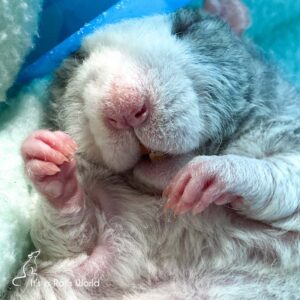
The theme of "sleeping rats" holds a particular charm for Saxton, who describes it as the "very definition of preciousness." The article showcases several candid and posed photographs of rats in various states of slumber.
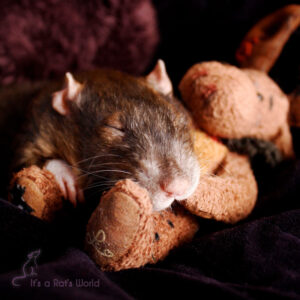
One particularly poignant image features "Preacher," a rat captured sleeping on his back during the height of the COVID-19 pandemic in 2020. Saxton recounts this moment as a source of comfort during a period of isolation, highlighting the rat’s apparent peace and trust in his surroundings. The description of Preacher’s fluttering eyelids and twitching nose while dreaming adds a layer of anthropomorphic tenderness, a common trait in how pet owners perceive their animals. This observation aligns with scientific research on animal dreams, which suggests that many mammals, including rodents, experience REM sleep and likely dream.
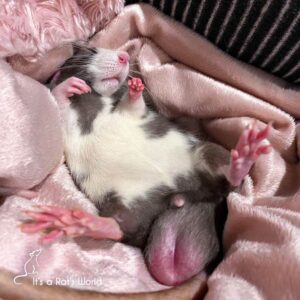
Another notable photograph is of "Brinley," a "baby" rat known for his tendency to sleep on his back, a behavior Saxton notes she has written about extensively. This characteristic sleeping posture, while seemingly unusual, is a documented behavior among some rat breeds and individuals, contributing to their unique appeal as pets. The fact that this image is a rotating home screen picture on Saxton’s iPhone further emphasizes its personal significance and the enduring affection she holds for Brinley.
The article also presents a photograph of "Brockton," a senior rat, featured on the May 2012 cover. This image was intentionally captured using a blanket to obscure his arthritic legs and patchy fur, a thoughtful approach to showcasing a beloved pet in his later years. The narrative around Brockton underscores the deep emotional bonds that can form with pet rats and the lengths to which owners will go to capture and preserve these memories, even when dealing with the realities of aging. The juxtaposition of Brockton’s advanced age with the theme of "sleeping rats" offers a tender portrayal of a cherished companion.
The inherent challenge in obtaining perfect photographs of rats, as highlighted by Saxton, is their tendency to become alert precisely when one wishes for them to be still. This common frustration among pet photographers resonates with many who have attempted to capture their pets in specific poses. The anecdote about "wiggle-monsters" becoming uncooperative when a cover shot is desired illustrates this dynamic, adding a touch of relatable humor.
Rat Dress-Up: A Creative Endeavor
The "Rat Dress-Up" section delves into Saxton’s creative efforts to photograph rats in costumes. This section demonstrates her ingenuity in crafting attire, from hand-sewn felt pieces to repurposed household items. The commitment to this theme speaks to the dedication required to produce engaging and visually appealing content for a niche magazine.
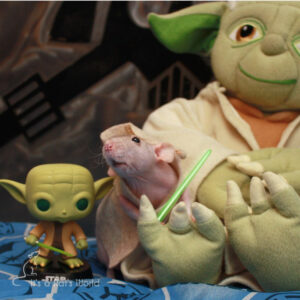
A significant theme explored is the "Star Wars" franchise, with a photograph of "Sterling," a hairless rat, dressed as Yoda. Saxton notes the visual resemblance between hairless rats and the iconic character, a comparison that likely resonated with fans of both. The detail that her son’s bedroom was also "Star Wars" themed further illustrates the immersive nature of this creative project, blending personal interests with professional output. The release of the final "Star Wars" film episodes in December 2015 generated significant cultural buzz, making this theme particularly relevant and timely for the January 2016 issue.

Another charming costume features "Crowley," wearing a knit hat and scarf, adapted from a snowman plushie. This repurposed item became a recurring element, showcasing Saxton’s resourcefulness. Crowley’s modeling prowess is further emphasized by his appearance on multiple covers, including the January 2018 issue. This highlights the importance of temperament and cooperation in animal photography, with some individuals naturally excelling in the role.
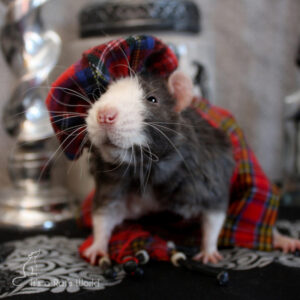
The article also details a particularly elaborate costume: Crowley dressed as a Scotsman for the October 2017 cover. The inspiration for this came from a trip to Stirling Castle, where a small, rat-sized tam o’ shanter atop a whisky liqueur bottle sparked the idea. The subsequent creation of a matching kilt and even non-functioning bagpipes exemplifies Saxton’s dedication to thematic accuracy and creative execution. This level of detail and effort in producing unique cover imagery for a niche magazine like IARW speaks to the passion driving such projects.
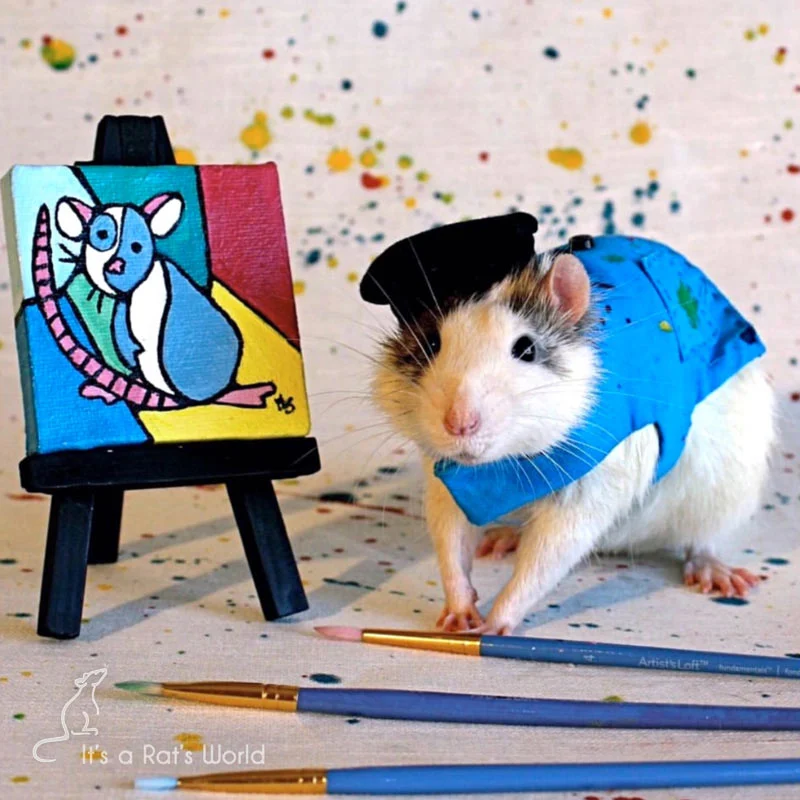
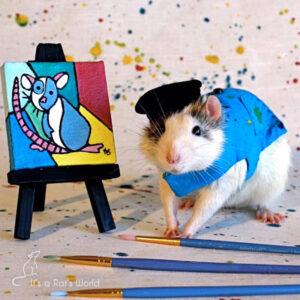
The "Picasso"-themed photograph of "Wolfgang" showcases a collaboration with a magazine columnist, Natasha Matherly, who crafted an artist’s smock and beret. Saxton’s contribution was the creation of a miniature "rat-esque" painting, cleverly tying into the theme. This example illustrates how different talents within the IARW community were leveraged to produce engaging content.
Holidays With Rats: Seasonal Celebrations
The "Holidays With Rats" section highlights Saxton’s particular pride in her holiday-themed covers, acknowledging the challenge of maintaining originality and aesthetic appeal year after year.
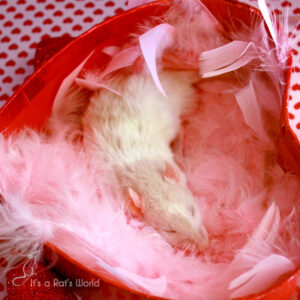
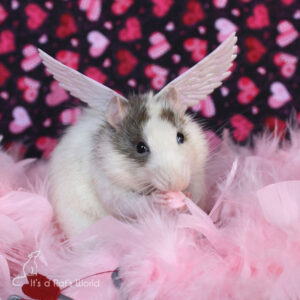
The Valentine’s Day cover, featuring "Wolfgang" amidst pink feathers, is noted as a personal favorite. The reuse of these feathers by "Castiel" three years later adds a subtle layer of continuity and memory to the narrative. The anecdote about the feathers being "too cozy to pass up" for Castiel further humanizes the rats and adds a touch of whimsical charm.
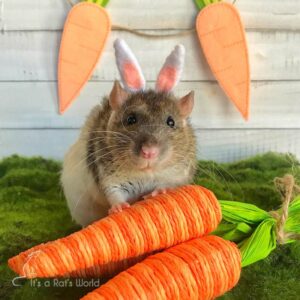
The Easter cover features "Custer," dressed as the "Easter Ratty," complete with handmade bunny ears. The fact that these ears were used on multiple covers underscores their versatility and success as a prop. The April 2019 issue featuring Custer marks a significant point in the magazine’s timeline.
The Halloween cover, showcasing "Sirius" in a metal pumpkin with candy corn, is described as having turned out "EXACTLY as I had envisioned." This image is accompanied by several interesting facts, including the creation of the candy corn hat and a how-to guide published in a subsequent issue. The evolution of this image from an illustration to a giant tattoo on a follower’s thigh in 2024 highlights the lasting impact of the magazine’s imagery and the strong community it fostered. The detail that Sirius was not allowed to eat the candy corn, despite his proximity to it, is a responsible pet owner’s note that adds a touch of realism.
The Christmas covers offer a particularly rich array of creative concepts. The December 2018 cover, featuring "Preacher" in a glass ornament surrounded by other ornaments, is highlighted for its unique aesthetic and Preacher’s almost plush-like appearance. This detail of Preacher looking like a plush toy is a testament to the skillful composition and lighting. The final Christmas cover in 2019, before the magazine’s cessation in July 2020, depicts "Gatwick" in a pastel wonderland of candy, cookies, and goodies. This set design, meticulously assembled and stored, underscores the significant effort invested in each issue. The success of this final Christmas cover, with almost every photo being usable, is attributed to the "magic" of the set, a testament to the dedication and artistic vision involved.
The longevity of "It’s a Rat’s World" magazine, spanning 13 years, represents a significant contribution to the niche community of rat enthusiasts. The author’s personal archive of over 11,000 photographs serves as a tangible legacy of this period, documenting not only the lives of individual rats but also the evolution of a passion project into a successful publication. The detailed accounts of the themed photoshoots, costume creations, and holiday celebrations provide a unique glimpse into the creative process and the dedication required to produce such a specialized magazine. The enduring appeal of these images, as evidenced by their continued presence on social media and even in the form of tattoos, speaks to the deep connection between the author, her rats, and the community she cultivated. The article, through its comprehensive retrospective, not only celebrates these photographic memories but also underscores the profound impact that dedicated storytelling and visual artistry can have within a passionate community. The implications of this work extend beyond mere pet photography, highlighting the power of niche media to foster connection, share knowledge, and preserve cherished memories.

