


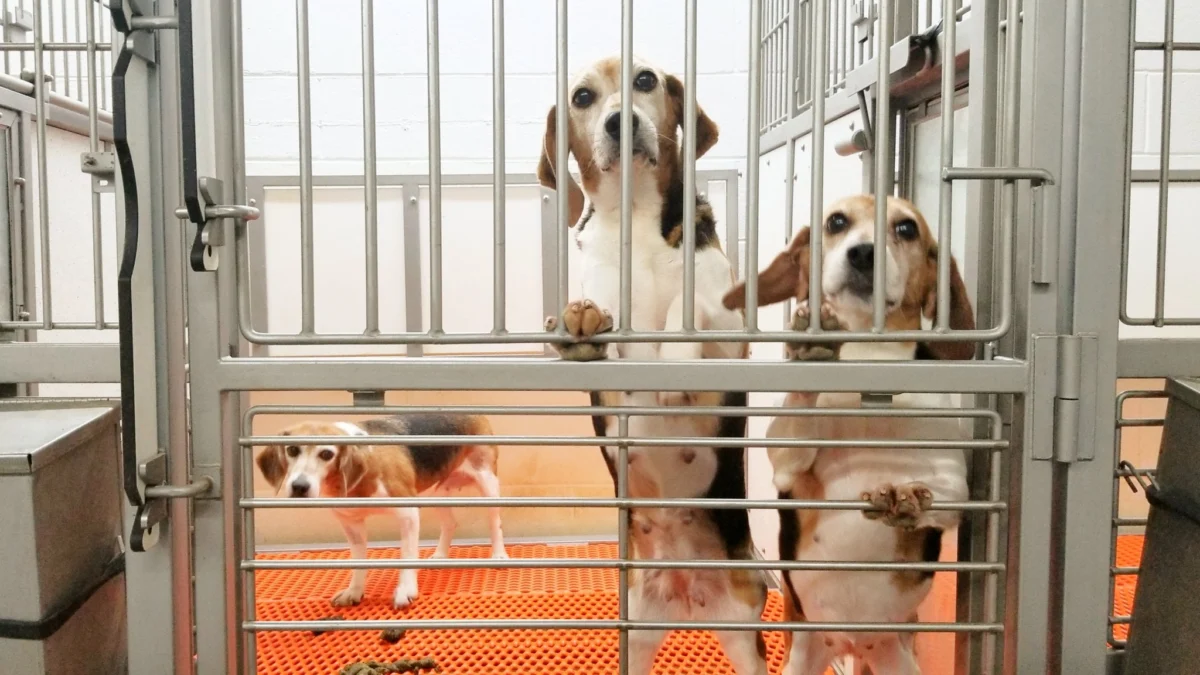
A circuit court in Virginia has handed down a sentence to Dr. Dawn Marie Gau, the former attending veterinarian at the now-defunct Envigo beagle breeding facility in Cumberland, Virginia. Gau, who was responsible for the medical oversight of thousands of dogs intended for laboratory research, pleaded guilty to seven counts of cruelty to animals. The sentencing marks a significant milestone in a years-long legal battle that exposed systemic animal welfare violations and led to the largest ever settlement in a case involving the Animal Welfare Act.
The court sentenced Dr. Gau to 12 months in jail, which was subsequently suspended, and placed her on supervised probation for a period of seven years. The charges stemmed from specific instances of medical negligence and cruelty documented during a high-profile undercover investigation. Among the most harrowing details presented in the case were reports of botched euthanasia procedures and a failure to prevent agonizing methods of termination for the animals under her care. The resolution of Gau’s criminal case follows a massive federal crackdown on Envigo and its parent company, Inotiv, which resulted in the closure of the facility and the rescue of thousands of dogs.
The Investigation and the Discovery of Systemic Neglect
The legal proceedings against Dr. Gau and Envigo began with an undercover investigation conducted by People for the Ethical Treatment of Animals (PETA) in 2021. For several months, an investigator documented the daily operations of the Cumberland facility, which at the time housed approximately 5,000 beagles. The findings revealed a facility characterized by extreme noise, lack of sanitation, and a pervasive culture of neglect.
According to investigative reports, noise levels within the breeding sheds frequently exceeded 117 decibels—a level comparable to a rock concert or a jet engine. This environment caused significant psychological distress to the dogs, many of whom spent their entire lives in cramped, barren cages without access to exercise, bedding, or socialization. The investigation also uncovered a staggering mortality rate. Within a single seven-month period, more than 350 dead puppies were found in cages with their nursing mothers and siblings. Many of these deaths were attributed to preventable causes, including puppies being crushed by their mothers in overcrowded conditions or falling through gaps in the flooring into waste gutters, where they drowned in feces and bedding.
The role of the attending veterinarian is central to the operation of any facility regulated by the Animal Welfare Act (AWA). Federal law requires that these facilities provide adequate veterinary care, which includes the humane handling and treatment of animals. The charges against Dr. Gau highlighted a failure to meet these basic legal and ethical standards. Specifically, the prosecution pointed to instances where euthanasia was performed on conscious animals without proper sedation, and the use of intracardiac injections—an excruciatingly painful procedure when performed on an animal that is not fully anesthetized—to kill puppies.
Chronology of the Envigo Legal Collapse
The downfall of the Cumberland facility was a multi-stage process involving federal agencies, local law enforcement, and non-profit organizations. The timeline of events illustrates the scale of the violations and the complexity of the subsequent legal actions.
In late 2021, the initial PETA findings were released to the public and shared with federal regulators. This prompted the U.S. Department of Agriculture (USDA) to conduct a series of inspections. While the USDA had previously been criticized for its lack of enforcement at the site, the 2021-2022 inspections documented dozens of "critical" violations.
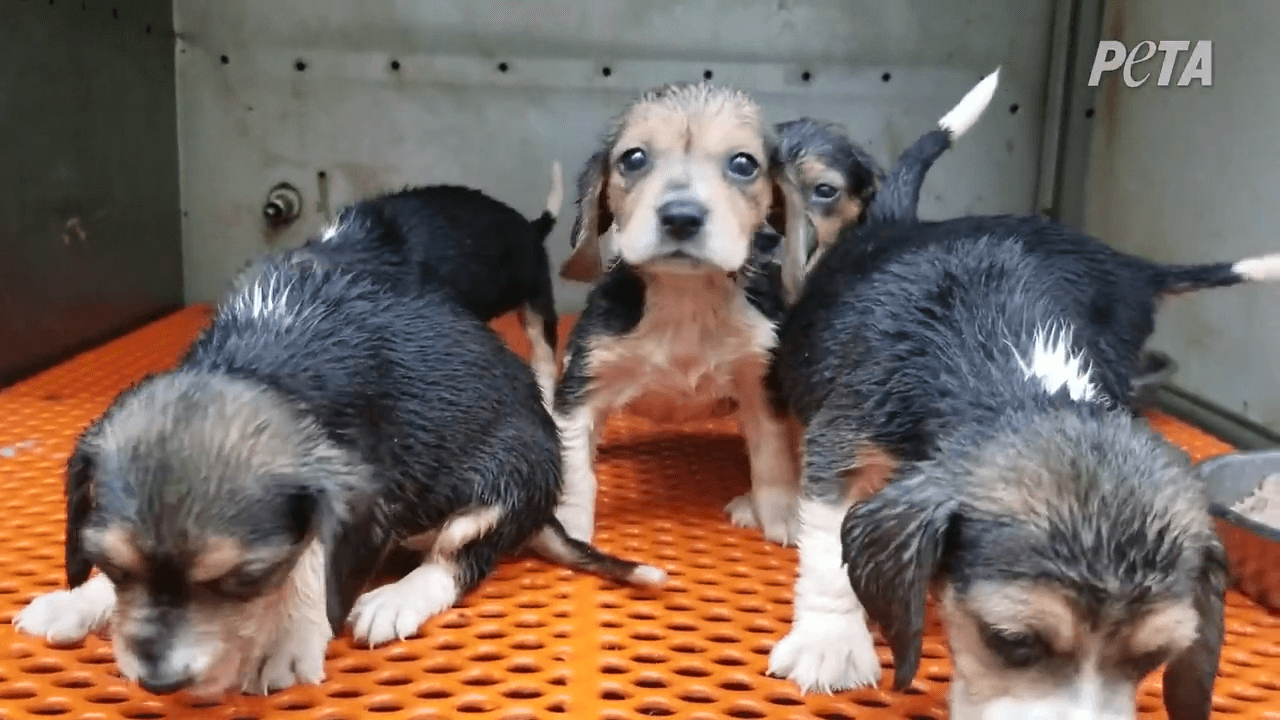
By May 2022, the U.S. Department of Justice (DOJ) filed a civil lawsuit against Envigo RMS LLC, alleging that the company was in violation of both the Animal Welfare Act and the Clean Water Act. Federal authorities executed a search warrant at the facility, leading to the immediate seizure of 145 dogs found to be in "acute distress." Shortly thereafter, a federal judge issued a preliminary injunction, prohibiting the facility from breeding or selling any more dogs.
In June 2022, Envigo and its parent company, Inotiv, announced that they would close the Cumberland facility. As part of a settlement with the DOJ, the company agreed to surrender nearly 4,000 surviving beagles to the Humane Society of the United States (HSUS). This massive logistics operation saw the dogs transported to shelters and rescues across the country, eventually leading to their adoption into private homes.
The corporate legal battle culminated in June 2024, when Inotiv agreed to pay a record-breaking $35 million in fines and penalties. This included $11 million for Animal Welfare Act violations and $13.5 million for Clean Water Act violations, as the facility had been discharging waste into local waterways in violation of its permits. Additionally, $1.9 million was allocated to the Virginia Animal Fighting Task Force, and $3.5 million was designated for environmental restoration projects in Cumberland County.
Veterinary Ethics and Professional Responsibility
The sentencing of Dr. Dawn Marie Gau brings the focus back to individual accountability within the animal research supply chain. In any laboratory animal facility, the attending veterinarian is the primary advocate for the animals’ welfare. Their responsibilities include the oversight of anesthesia, analgesia, and euthanasia, as well as the prevention of unnecessary pain and distress.
The evidence presented in the case suggested that Dr. Gau’s actions—or lack thereof—directly contributed to the suffering of the beagles. The failure to supervise staff during the termination of puppies and the "botched" euthanasia of a conscious dog were cited as clear deviations from standard veterinary practice. Professional organizations, such as the American Veterinary Medical Association (AVMA), maintain strict guidelines for the humane euthanasia of animals, emphasizing that the process must be painless and stress-free.
The seven-year supervised probation period imposed on Dr. Gau is a significant professional sanction. It reflects the court’s recognition of the gravity of her actions while she was in a position of authority. Legal experts suggest that such a sentence serves as a deterrent to other professionals in the industry, reinforcing the idea that regulatory compliance and ethical standards are not optional.
Broader Implications for the Research Industry
The Envigo case has sent shockwaves through the biomedical research industry and has intensified the debate over the use of animals in testing. For decades, beagles have been the preferred breed for pharmaceutical and chemical testing due to their docile nature and uniform size. The Cumberland facility was a major supplier for both private corporations and government agencies, including the National Institutes of Health (NIH).
The closure of one of the nation’s largest beagle breeding mills has led to calls for increased oversight of other similar facilities. It has also bolstered the movement toward "research modernization," which advocates for the development and implementation of non-animal testing methods, such as organ-on-a-chip technology, computer modeling, and human cell-based assays.
In the wake of the Envigo scandal, several states have introduced or passed "Beagle Bills," which require laboratories to offer healthy dogs and cats for adoption rather than euthanizing them after research is completed. At the federal level, the FDA Modernization Act 2.0, signed into law in late 2022, removed the requirement that all new drugs be tested on animals before human clinical trials, providing a legal pathway for companies to use alternative methods.
Environmental and Community Impact
While the animal cruelty aspects of the Envigo facility dominated the headlines, the environmental impact of the operation was also substantial. The $13.5 million penalty for Clean Water Act violations addressed years of mismanagement regarding the facility’s waste disposal. The breeding compound produced massive amounts of animal waste, which was often improperly processed.
Investigations revealed that the facility’s wastewater treatment system was inadequate for the volume of waste generated by 5,000 dogs. This resulted in the discharge of fecal matter and other pollutants into nearby streams, posing a risk to the local ecosystem and public health. The $3.5 million allocated for environmental restoration in Cumberland County is intended to mitigate this damage and improve water quality in the region.
The economic impact on the local community has also been a point of discussion. The closure of the facility resulted in the loss of jobs, but local leaders and residents have largely expressed relief that the controversial operation has ceased. The transition from a breeding "prison" to a focus on environmental cleanup and legal accountability has been viewed by many as a positive step for the county’s reputation.
Conclusion and Future Outlook
The sentencing of Dr. Dawn Marie Gau concludes a dark chapter in the history of Virginia’s animal welfare regulation. The case serves as a stark reminder of the potential for systemic abuse within the animal research industry and the critical importance of rigorous oversight. While the 4,000 beagles rescued from the facility have found new lives in homes across America, the legal and ethical questions raised by the Envigo investigation continue to resonate.
As the industry moves forward, the focus remains on ensuring that the thousands of animals still used in laboratories are treated with the dignity and care required by law. The record fines paid by Inotiv and the criminal convictions of its staff signal a shift in how the justice system views crimes against animals in a corporate context. For animal advocates, the Envigo case is a blueprint for how undercover investigations, federal litigation, and community pressure can combine to dismantle entrenched systems of cruelty.
For the scientific community, the legacy of Envigo is a push toward transparency and the acceleration of alternative testing technologies. The goal of "Research Modernization" is no longer just a slogan for activists but a growing priority for regulators and researchers alike, aiming for a future where the suffering documented in Cumberland, Virginia, is no longer a prerequisite for medical progress.

