


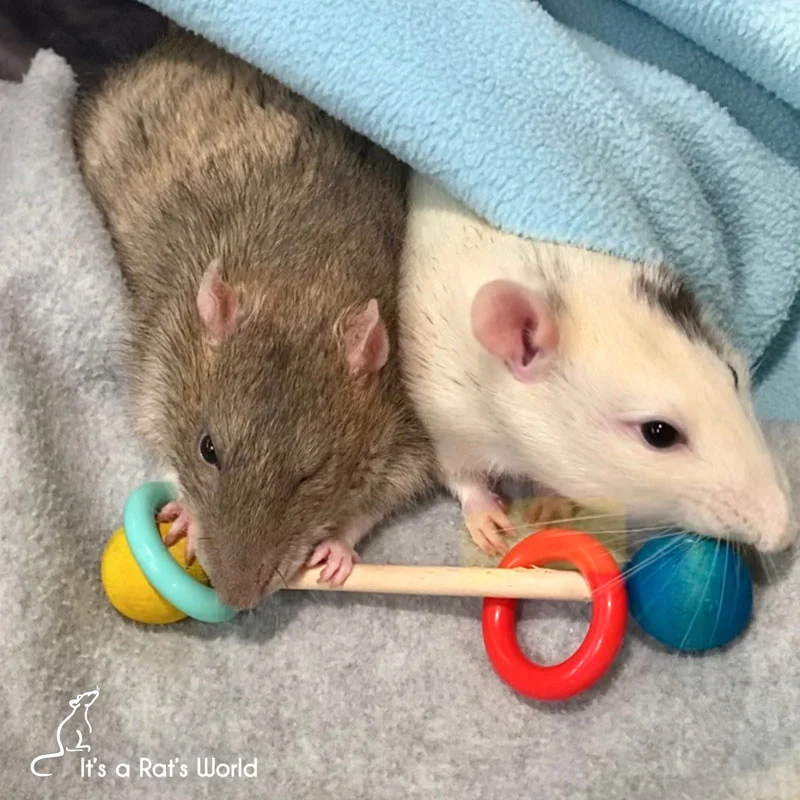
The evolution of our understanding of exercise has mirrored the progression from a focus on aesthetics to a recognition of its fundamental role in overall health. This shift in perspective, which gained significant traction from the 1980s onwards, is equally applicable to our companion animals, including pet rats. While often overlooked, regular physical activity is crucial for maintaining both the physical vitality and mental acuity of these intelligent rodents. This article delves into the multifaceted benefits of exercise for pet rats, explores practical methods for encouraging activity, and addresses common concerns regarding their fitness and well-being.
The Pillars of Rat Well-being: Physical and Mental Health Benefits of Exercise
Just as humans benefit from a consistent exercise regimen, rats require physical activity to ensure their bodily systems function optimally and to bolster their natural defenses against disease. A sedentary lifestyle can lead to a range of health issues, with obesity being a primary concern. Excess body weight places undue stress on a rat’s skeletal and muscular systems, increasing the risk of developing debilitating conditions such as hind leg degeneration, cardiovascular problems, diabetes, and the formation of lipomas (fatty tumors).
Recent studies in companion animal health have highlighted the correlation between proper weight management and longevity in small mammals. For instance, research published in the Journal of Exotic Pet Medicine indicates that overweight rodents can experience a reduction in lifespan by up to 20% due to the increased strain on their organs. Therefore, monitoring a rat’s weight and ensuring adequate caloric expenditure is paramount for their long-term health. Owners concerned about their rat’s physique are encouraged to consult resources that detail the signs of obesity and effective dietary management strategies.
Beyond the tangible physical advantages, exercise plays a pivotal role in a rat’s mental landscape. Rats are inherently curious and active creatures. When confined to their enclosures for extended periods without sufficient stimulation, they can succumb to boredom, which can manifest as stress, anxiety, and a propensity for developing undesirable behavioral issues. This is particularly relevant given that pet rats spend the majority of their lives within the confines of their cages. Providing avenues for exploration and activity can significantly mitigate these risks, promoting a more balanced and content pet.

It is important to note that this discussion pertains to healthy, mobile rats. For rats experiencing mobility limitations due to age, illness, or injury, veterinary consultation is essential to tailor exercise recommendations to their specific needs and capabilities. Veterinarians can provide guidance on safe and appropriate activities that support their well-being without exacerbating their condition.
Fostering Activity: Engaging Rats Without a Gym Membership
Unlike their wild counterparts who navigate complex environments and engage in constant foraging and escape behaviors, domesticated rats often exhibit a more sedentary disposition. This necessitates a proactive approach from their owners to facilitate opportunities for movement. The good news is that encouraging exercise in rats does not require elaborate equipment or a dedicated fitness facility.
The notion of a rat clad in 1980s-style aerobics attire might be amusing, but the reality of promoting their physical activity is far simpler. Rats do not possess the same physiological mechanisms for thermoregulation through sweating as many other mammals. Instead, their exercise needs are met through engaging activities that encourage natural behaviors like running, climbing, exploring, and problem-solving. The objective is to motivate them to move their bodies and engage with their environment beyond their immediate resting spots.
This can be achieved through a variety of methods, including supervised exploration of novel environments, interactive toys, puzzle feeders, agility challenges, and even carefully planned "trickery" that leverages their natural curiosity and drive for rewards. The key is to make these activities enjoyable and stimulating, transforming them from mere physical exertion into engaging pastimes.
Enriching the Cage Environment: Promoting Movement Within Enclosures
The design of a rat’s living space plays a significant role in encouraging daily activity. While multi-level cages offer a basic framework for vertical movement, they are often insufficient on their own to prevent lethargy, especially as rats age. Supplementing standard cage accessories with items that actively promote physical engagement is crucial.
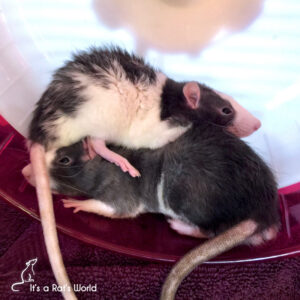
Exercise Wheels: A Tool for Aerobic Activity
Exercise wheels can be a valuable addition to a rat’s environment, though their success can be variable. Some rats readily embrace the opportunity to run, while others may opt to sleep within the wheel. Introducing an exercise wheel early in a rat’s life, ideally during their juvenile stages, can help establish it as a space for activity rather than rest.
When selecting an exercise wheel, safety and size are paramount. The wheel should be large enough to accommodate adult rats comfortably, typically an extra-large size, allowing them to run with their backs straight. Opt for wheels made of solid material without bars or gaps that could trap a tail or limb. The mounting mechanism must be secure, ensuring no significant space exists between the wheel and the cage bars where a rat’s head or body could become lodged. Popular and reputable brands often provide the necessary safety features, but thorough research into newer models is always recommended.
The initial introduction of a wheel can sometimes lead to its repurposing as a sleeping area. This is more commonly observed in older or less active rats, particularly neutered males, who may develop a penchant for relaxation. Persistent introduction and positive reinforcement can sometimes overcome this, but it is not guaranteed.
Interactive Cage Decor: Stimulating Exploration and Agility
A variety of interactive items can transform a rat’s cage into a dynamic environment. This often involves a creative combination of commercially available pet products and repurposed household objects. These items can serve as climbing structures, bridges, tunnels, or dig boxes, all of which encourage physical movement and exploration.
For instance, incorporating items that require effort to navigate, such as ramps that are slightly steeper or tunnels that necessitate crawling, can increase a rat’s activity levels. The concept of "redecorating" by providing items like toilet paper tubes or cardboard boxes can also be highly engaging. Rats may shred, rearrange, and explore these materials, engaging in a form of play that involves physical exertion.

Beyond the Bars: Engaging Rats in Out-of-Cage Activities
Providing opportunities for rats to explore beyond their immediate enclosure is one of the most effective ways to stimulate their activity levels and satisfy their innate curiosity. The prospect of new environments and novel stimuli serves as a powerful motivator for exploration and engagement.
Free-Ranging: The Ultimate Exploration Experience
The opportunity to run freely outside their cage is a highly anticipated event for most rats, even those with a naturally laid-back demeanor. This does not necessitate granting them unrestricted access to an entire home. Instead, owners can designate specific times and rat-proofed rooms for supervised free-ranging sessions. During these sessions, the environment should be enriched with various items that encourage continued activity.
A common and effective practice involves utilizing spaces like bathrooms, which can be easily secured and offer opportunities for enrichment. Setting up igloos, tunnels, cardboard boxes, and other climbing structures within the designated area provides a stimulating landscape. Owners can also actively participate by becoming a "rat jungle gym," allowing their pets to climb and explore on them.
One particularly engaging activity observed by rat owners is the "TPing" of the environment, often involving toilet paper. Rats have been observed to ingeniously utilize toilet paper holders, climbing them to access the roll and then sliding down with the paper. This playful behavior not only provides significant physical activity but also encourages problem-solving and cooperative interaction among the rats. Recognizing the entertainment and exercise value of such activities, owners may even choose to provide extra toilet paper rolls to facilitate this engaging pastime.
For owners considering free-ranging, comprehensive guidance on safety protocols and the benefits and drawbacks of this activity is available in dedicated resources. These often cover essential aspects such as rat-proofing a space, supervision requirements, and understanding potential risks.

Playpens and Designated Play Areas: Controlled Environments for Fun
A designated play area, whether a commercially available playpen or a custom-built structure, offers a safe and contained space for rats to expend energy. This is akin to a "recess" period, providing a controlled environment for vigorous activity. While store-bought playpens can be effective, some rats possess the ingenuity to escape them.
The effectiveness of a play area in promoting exercise is directly linked to its contents. To combat lethargy and encourage movement, the play area should be equipped with a variety of stimulating items. Puzzle toys and dig boxes are excellent for engaging both their minds and bodies. Items that facilitate climbing and provide opportunities for ingress and egress, such as tunnels and small structures, are also highly beneficial.
Creativity in setting up these areas is key. Repurposed household items, such as small trash cans filled with shredded paper or packing materials, can provide hours of entertainment as rats empty and restash the contents. The principle of variety is crucial for maintaining a rat’s interest. Regularly rotating the toys and structures within the play area, perhaps on a weekly or bi-weekly basis, prevents monotony and ensures continued engagement.
Engaging Minds and Bodies: Advanced Rat Activity Strategies
For owners seeking to provide a more comprehensive exercise and enrichment program for their rats, several advanced strategies can be employed. These methods often combine physical activity with mental stimulation, offering a holistic approach to well-being.
Utilizing Toys and Interactive Play
Direct interaction with rats using safe, rat-appropriate toys can be highly effective. Rolling cat toys can be chased, and wand-style toys with feathers or other dangling objects can engage their predatory instincts and encourage energetic play. Many rats exhibit a particular fascination with feathers, making them an excellent choice for interactive play sessions.

Crafting Agility Courses: A Challenge for the Ambitious Owner
For owners with a high degree of ambition, setting up an agility course for their rats can provide a significant challenge and a wealth of exercise. These courses can be designed to incorporate various obstacles such as tunnels, ramps, jumps, and balance beams. Online resources and social media platforms dedicated to rat agility showcase impressive examples of these setups, often demonstrating how rats can learn complex routines and tricks while engaging in rigorous physical activity. This approach not only promotes physical fitness but also fosters a strong bond between owner and pet through training and shared activity.
The Power of Motivation: Tricking Rats into Exercise Through Food
As rats mature, their activity levels naturally tend to decrease, a phenomenon that is particularly pronounced in male rats, who can become notably less energetic, especially after neutering. While this tendency towards a more relaxed lifestyle might be endearing, it underscores the importance of employing strategies to maintain their physical engagement. Fortunately, their natural inclination towards food can be leveraged to their advantage.
Making Them Work for Their Meals: Food-Based Engagement
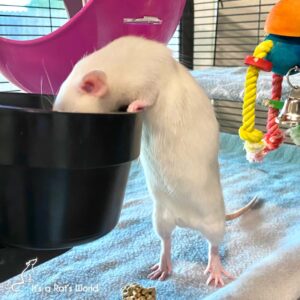
The way food is presented can significantly influence a rat’s activity levels. Instead of simply placing food in a standard bowl on the cage floor, owners can utilize more engaging methods. Food crocks, foraging wheels, or treat dispensers require a greater degree of effort from the rat to access their sustenance.
For instance, attaching a food dish to the side of the cage at a height that requires the rat to stand and stretch can encourage more dynamic eating postures. Similarly, foraging wheels or treat balls demand time and physical manipulation to release the food, extending the feeding period and promoting activity. These methods not only encourage exercise but also tap into a rat’s natural foraging instincts, providing valuable mental stimulation.
The Joy of "Pea Fishing": A Simple Yet Effective Activity
A simple and highly effective method for encouraging activity is "pea fishing." This involves providing rats with a shallow container of water containing frozen peas. Rats exhibit an almost innate delight in "fishing" for the peas, using their paws to retrieve them from the water. This activity can become quite energetic, especially when multiple rats are competing for the same peas, leading to increased physical exertion and calorie expenditure. The simplicity of this activity, requiring only a food-safe container, water, and frozen peas, makes it an accessible and enjoyable option for most rat owners.
Addressing Individual Differences: Understanding Rat Physiology
It is a common misconception that an overweight rat is necessarily an inactive one. Personal observations and experiences have demonstrated that this is not always the case. Some rats that have appeared particularly stout have been observed to be highly active, freely ranging throughout their environment and engaging in extensive exploration. This suggests that factors beyond simple activity levels contribute to weight management.
Genetics can play a significant role in a rat’s predisposition to weight gain. Just as in humans, some individuals may have a metabolism that makes them more prone to accumulating body fat, even with a balanced diet and regular exercise. If a rat exhibits significant weight issues, it is imperative to consult with a veterinarian. A veterinary professional can conduct a thorough assessment to determine if the weight gain is attributable to a health condition, a dietary imbalance, or if a more structured exercise plan might be beneficial.
In the context of busy human lives, consistently meeting a pet rat’s daily exercise needs can be challenging. However, by incorporating a variety of stimulating activities and environmental enrichments, owners can significantly contribute to their rats’ overall health and happiness. A multi-faceted approach that addresses both physical and mental stimulation throughout the day will undoubtedly lead to a more vibrant and contented companion.

