


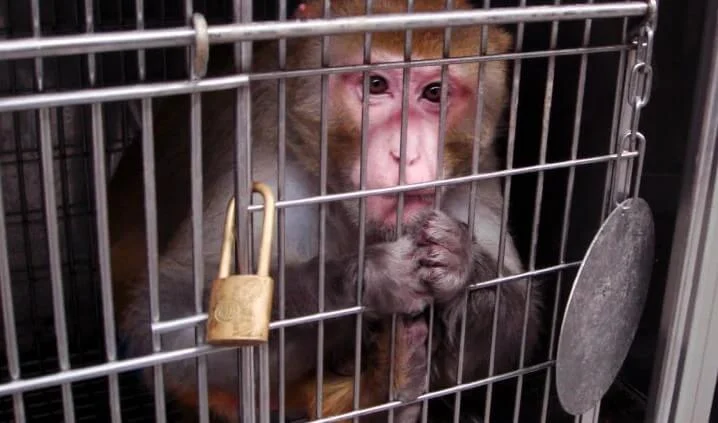
The University of Minnesota’s research laboratories have come under intense scrutiny following the release of federal inspection reports documenting a series of severe and recurring violations of animal welfare laws. According to documents obtained by People for the Ethical Treatment of Animals (PETA), the institution has repeatedly failed to meet the foundational requirements of the Animal Welfare Act (AWA) and the Public Health Service (PHS) Policy on Humane Care and Use of Laboratory Animals. The reports, which span from late 2021 through early 2026, detail a harrowing catalog of neglect, including the administration of expired drugs, inadequate pain management, unauthorized surgical procedures, and basic husbandry failures that resulted in the dehydration, injury, and death of numerous animals, ranging from rodents to non-human primates.
These findings have prompted significant concern regarding the oversight mechanisms at one of the nation’s leading research universities. The U.S. Department of Agriculture (USDA) previously issued an official warning to the university, a rare enforcement action reserved for the most egregious or persistent instances of non-compliance. Despite this warning, subsequent reports indicate that many of the systemic issues—particularly regarding veterinary care and adherence to approved protocols—have persisted, raising questions about the university’s ability to self-regulate its animal research programs.
A Pattern of Procedural Negligence and Surgical Failures
The federal documentation paints a picture of a research environment where approved safety protocols are frequently bypassed or ignored. One of the most significant categories of violations involves the failure to provide adequate anesthesia or post-operative analgesia. Between July and September 2025, a single report (PHS violation 11S) noted that 309 mice were subjected to procedures without receiving the required post-operative painkillers. In other instances, such as a craniotomy study in early 2026, mice were denied pain relief entirely despite undergoing invasive cranial surgery.
The disregard for protocol extended to major surgical interventions involving larger mammals. In a series of kidney transplant experiments conducted on pigs between February and November 2025, the mortality rate was alarmingly high. Of the nine pigs involved in the study, five were euthanized shortly after surgery due to complications like infection or poor organ function, and one died of cardiac arrest during the procedure. Investigators found that experimenters failed to monitor blood pressure in three of the pigs, administered excessive anesthetic to another, and failed to maintain proper body temperature in a fourth. Two pigs suffered suspected burns—one from a heating pad and another from electro-surgery equipment—highlighting a lack of basic intraoperative care.
Similar failures were documented in sheep research. In late 2025, a sheep was found dead following surgery, possibly due to a stroke or internal hemorrhaging. Other sheep in the same study were euthanized after implanted test devices failed or surgical complications arose. The university’s animal oversight committee eventually mandated increased monitoring and a change in surgical personnel, an action that strongly suggests an unqualified surgeon had been permitted to operate on the animals.
Critical Failures in Basic Animal Husbandry
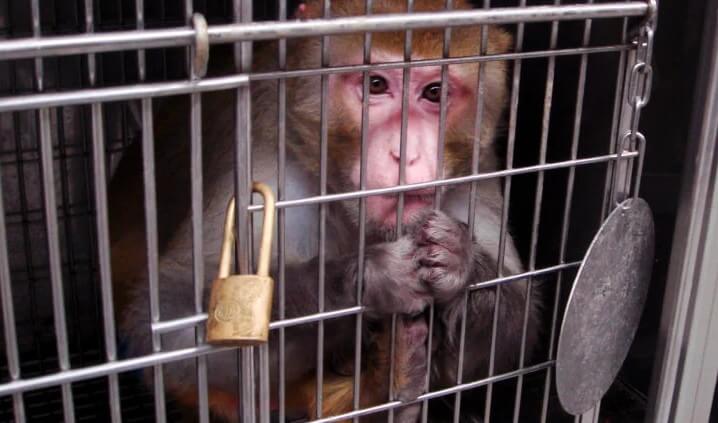
Beyond the complexities of surgery, the reports detail a recurring failure to provide the most basic necessities: food and water. These "husbandry errors" frequently led to painful deaths from dehydration. In January 2024, three rhesus macaques were left without water for three days after a supply valve was shut off and left unchecked. This incident was not isolated; similar valve failures or human errors resulted in the deaths of multiple mice across several different laboratory settings in 2024 and 2025.
In one particularly distressing case in May 2023, a rat involved in a food restriction experiment died after losing 90% of its body weight. Protocol required the animal to be euthanized if its target weight was not restored within five days of supplemental feeding, yet laboratory staff allowed the animal to suffer in an emaciated state for eight days without contacting veterinary staff for assistance.
The reports also highlight a lack of secure containment for highly sensitive species. Rhesus macaques escaped their enclosures on at least three separate occasions during routine handling. One monkey suffered a bruised eye during recapture, another required a toe amputation after an injury sustained during the escape, and a third suffered oral lacerations after biting into a glass beaker it found while loose in the lab. These incidents underscore a breakdown in both facility maintenance and staff training.
Chronology of Major Violations (2021–2026)
The following timeline illustrates the persistent nature of the welfare breaches at the University of Minnesota over the last five years:
- August–October 2021: Numerous hamsters die due to a lack of veterinary notification. A cat is killed after receiving a paralytic drug at 4.5 times the intended rate, leading to respiratory failure. These incidents lead to a formal USDA Official Warning.
- May–August 2022: A rat is killed after being subjected to an unapproved second major surgery. Sixty-six mice are denied pain medication during implantation procedures. A mouse is crushed to death when its cage is improperly returned to a rack.
- January–May 2023: A macaque suffers burns from heating equipment during surgery. A rat dies after extreme weight loss is ignored by staff. A monkey escapes during a head-post implantation procedure and is injured by broken glass.
- January–June 2024: Multiple incidents of water deprivation occur, leading to the deaths of mice and the dehydration of macaques. Six hamsters are given expired painkillers because staff failed to check labels.
- April–August 2025: Two rhesus macaques endure 7.5-hour surgeries—more than double the approved time—without adequate observation. Eight rats are killed after being subjected to unapproved abdominal injections.
- January–March 2026: The pig kidney transplant study reveals a 66% mortality rate and multiple procedural failures. Ten mice undergo cranial surgery without any pain relief.
Regulatory Framework and the Role of the IACUC
In the United States, animal research is governed by the Animal Welfare Act and the Public Health Service Policy. Central to this framework is the Institutional Animal Care and Use Committee (IACUC), a self-regulating body within the university responsible for reviewing research protocols and ensuring compliance with federal laws.
The recurring nature of the violations at the University of Minnesota suggests a systemic failure of the IACUC to enforce its own approved protocols. When experimenters deviate from these protocols—such as by using expired drugs, exceeding surgical time limits, or failing to provide analgesia—they not only cause unnecessary animal suffering but also compromise the scientific integrity of the research. Data derived from animals that are stressed, dehydrated, or suffering from untreated pain is often considered unreliable, as physiological distress can alter biological variables.
Broader Implications and Public Accountability
The revelation of these reports has broader implications for the ethics and funding of public research institutions. The University of Minnesota receives significant federal funding through the National Institutes of Health (NIH), which is contingent upon adherence to PHS policies. Persistent violations can lead to the suspension of research grants or the requirement for increased federal oversight.
Animal rights organizations, led by PETA, have used these findings to call for a moratorium on certain types of animal testing at the university. They argue that the sheer volume of "critical" violations—those that most directly impact the health and well-being of the animals—indicates that the institution’s culture of research prioritizes speed and convenience over ethical and legal obligations.
From a scientific perspective, the use of expired medications and the failure to monitor vital signs during surgery are considered basic breaches of veterinary standards. The use of expired euthanasia drugs, as seen in the December 2024 report involving 16 mice, is particularly controversial, as it can lead to a prolonged and painful death rather than the intended "humane" end.
Conclusion and Future Outlook
The University of Minnesota has historically maintained that it is committed to the highest standards of animal care and that it takes corrective action when errors occur. However, the federal inspection reports from 2021 to 2026 suggest that corrective measures have been insufficient to prevent the recurrence of serious welfare breaches.
As public awareness of laboratory animal welfare grows, institutions like the University of Minnesota face increasing pressure to modernize their research methods and transition toward non-animal models where possible. In the interim, the focus remains on whether federal regulators will move beyond warnings to more stringent penalties, such as heavy fines or the revocation of research licenses, to ensure that the bare minimum requirements of the Animal Welfare Act are consistently met. For the thousands of animals currently housed in the university’s facilities, the stakes of these regulatory failures remain a matter of life and death.

