


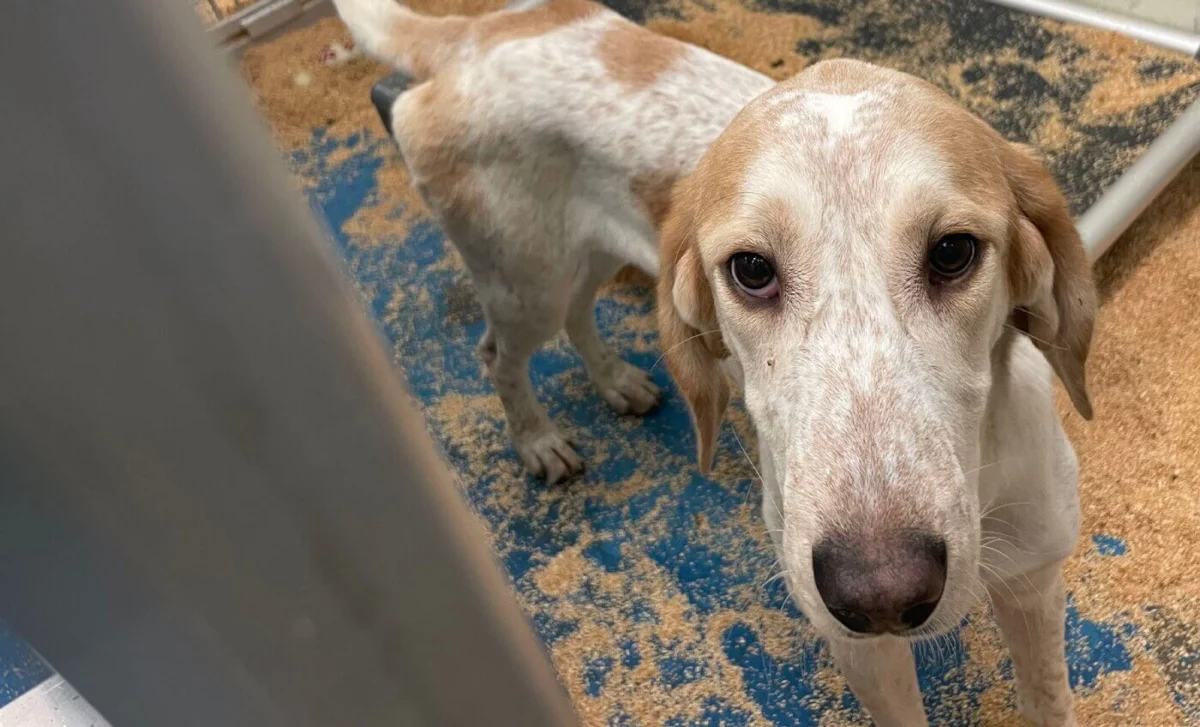
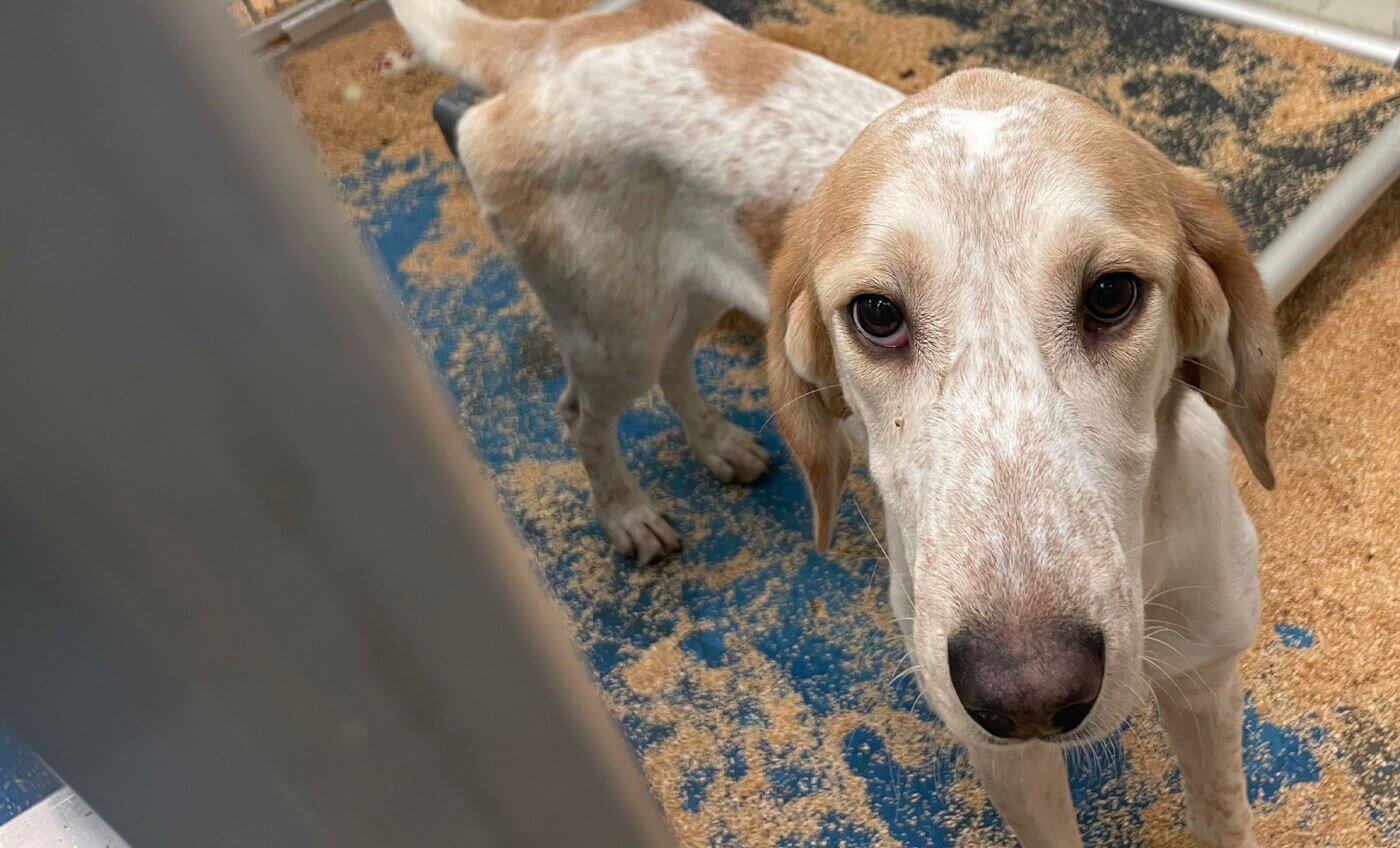
The core of the controversy centers on reports of extreme physical neglect. According to insider accounts, dogs kept at the facility were maintained in an emaciated state, allegedly to ensure they remained small enough to fit into existing kennel infrastructure, thereby avoiding the cost of larger enclosures. Furthermore, reports indicate that baby pigs used in cardiovascular research developed blue-black necrotic tissue on their ears, tails, and feet, a condition indicative of severe circulatory failure or infection that went untreated. These findings are compounded by allegations that animals suffering from surgical complications were denied appropriate medical intervention, leading to prolonged and agonizing deaths.
Systematic Cruelty and Experimental Protocols
The scope of the research at UMass Chan involves highly invasive procedures designed to simulate human diseases. While the university maintains that such research is essential for medical advancement, critics argue that the methods employed cross the line into "workaday cruelty." Current experimental protocols at the institution include the induction of heart attacks in infant pigs and the deliberate breeding of cats and sheep to express debilitating neurodegenerative diseases.
One of the most controversial practices involves the creation of "fake aneurysms" in dogs. This procedure requires the surgical re-routing of the animals’ blood vessels to mimic human vascular conditions. While the scientific intent is to study stroke and aneurysm treatments, regulatory reports suggest that the execution of these experiments has been fraught with negligence. In February 2026, the USDA cited the laboratory of Matthew Gounis for multiple violations of the federal Animal Welfare Act (AWA). The citations highlighted that Gounis was permitted to perform invasive vascular surgeries on dogs without a documented plan to manage foreseeable and painful complications.
The Conflict of Interest in Institutional Oversight
A significant portion of the outcry against UMass Chan involves the perceived failure of its Institutional Animal Care and Use Committee (IACUC). Under federal law, the IACUC is responsible for overseeing all animal research, ensuring that pain is minimized and that all procedures comply with the AWA. However, transparency advocates have pointed to a glaring conflict of interest: Matthew Gounis, the very experimenter cited for federal violations, has served as the head of the school’s animal oversight committee.
In February 2026, PETA (People for the Ethical Treatment of Animals) formally urged UMass Chan Chancellor Michael Collins to remove Gounis from his leadership position. The advocacy group argued that Gounis was essentially presiding over the approval of his own controversial experiments. This arrangement, critics claim, created a "broken oversight system" where violations of animal welfare standards were overlooked or excused by the very panel meant to enforce them. The USDA’s inspection reports corroborated these concerns, noting repeat violations for "careless handling," including an incident where a dog swallowed a catheter left behind after surgery and cases where rabbits were administered lethal overdoses of anesthesia due to poor oversight.
Allegations of Veterinary Malpractice and Cover-Ups
The controversy extends beyond the principal investigators to the university’s veterinary staff. In January 2026, a detailed complaint was filed with the Massachusetts Board of Registration in Veterinary Medicine against two high-ranking veterinarians at the school, George DeMarco and Joan Cadillac. The complaint, based on whistleblower testimony, alleges that DeMarco and Cadillac were complicit in a "cover-up" of animal suffering.
The allegations suggest that under their supervision, animals received delayed or entirely inappropriate treatment for post-surgical ailments. More disturbingly, the complaint alleges that DeMarco conspired to conceal failures in animal care by retroactively rewriting research protocols. By altering the "official" rules after a procedure had already gone wrong, the laboratory could technically claim compliance during audits. This systemic failure by the veterinary and oversight teams is alleged to have caused avoidable pain and distress that fell outside the scope of the actual experiments.
A Chronology of the Scandal: 2025–2026
The timeline of events reveals a rapidly escalating crisis for the university’s reputation and its regulatory standing:
- December 16, 2025: The scandal breaks when an insider provides documents and photos to PETA, alleging the starvation of dogs and necrotic wounds on pigs. Complaints are filed with the USDA, NIH, and state health departments.
- December 29, 2025: Major media outlets, including The Boston Globe and NPR affiliate WGBH, begin investigative reporting on the allegations, bringing the issue to a broad public audience.
- January 15, 2026: Formal complaints are filed against university veterinarians DeMarco and Cadillac, alleging the falsification of protocols and chronic neglect.
- February 17, 2026: Advocacy groups call for the immediate removal of Matthew Gounis from the IACUC, citing the conflict of interest between his research and his oversight role.
- February 23, 2026: The USDA officially cites UMass Chan for multiple violations of the Animal Welfare Act following an on-site inspection prompted by the December complaints.
- March 19, 2026: Social media campaigns are launched specifically targeting UMass Chan employees, encouraging further whistleblowers to come forward via a dedicated tip line.
- April–May 2026: Updated reports confirm that the federal and state investigations remain active, with the school facing potential fines and restrictions on its research licenses.
Supporting Data and Regulatory Context
The Animal Welfare Act (AWA) is the primary federal law in the United States that regulates the treatment of animals in research. Under the AWA, research facilities are required to provide adequate veterinary care, appropriate housing, and minimize pain and distress. Failure to adhere to these standards can result in the suspension of federal funding, which is a critical lifeline for institutions like UMass Chan.
According to data from the NIH’s Office of Laboratory Animal Welfare (OLAW), UMass Chan receives millions of dollars annually in federal grants. If the ongoing investigations confirm that the university systematically bypassed safety protocols and falsified records, those funds could be at risk. Furthermore, the USDA’s "repeat violation" status is a significant red flag in the regulatory community, indicating that previous warnings were ignored or that the institution lacks the internal controls necessary to correct its behavior.
Institutional Response and Public Perception
While UMass Chan has historically defended its animal research programs as vital for developing treatments for conditions like Alzheimer’s and cardiovascular disease, the specific nature of the current allegations—starvation and surgical negligence—has made the university’s position difficult to maintain. Public sentiment, fueled by the graphic nature of the whistleblower photos, has led to protests and calls for greater transparency in how public universities manage animal laboratories.
The university has generally responded to inquiries by stating its commitment to the highest standards of animal care, but it has not yet publicly addressed the specific allegations regarding the rewriting of protocols or the personal conduct of Gounis, DeMarco, and Cadillac in detail. The silence on these specific points has only increased pressure from the Massachusetts Board of Registration in Veterinary Medicine and other licensing bodies.
Broader Implications for Medical Research
The situation at UMass Chan highlights a growing national debate regarding the ethics of animal experimentation. While many in the scientific community argue that animal models are currently irreplaceable for certain types of medical breakthroughs, the UMass Chan case underscores the dangers of inadequate oversight. When the individuals responsible for animal welfare are the same individuals performing the experiments, the risk of "regulatory capture"—where the oversight body becomes an advocate for the industry it is supposed to regulate—becomes a reality.
The outcome of the investigations at UMass Chan could set a precedent for how "conflicts of interest" are handled in IACUC appointments nationwide. If Matthew Gounis is removed or if the university faces heavy federal sanctions, it may signal a shift toward more independent and transparent oversight in American research institutions. For now, the medical school remains under a microscope, as state and federal agencies continue to peel back the layers of a research program that whistleblowers describe as a "chamber of horrors."
As the investigations proceed, the primary concern remains the welfare of the animals still housed within the facility. With active social media ads now calling on more insiders to speak out, the full extent of the practices at UMass Chan may yet be revealed. The case serves as a stark reminder that even in the pursuit of human health, the legal and ethical protections afforded to the animals used in that pursuit are not merely suggestions, but federal mandates that carry heavy consequences when ignored.

