


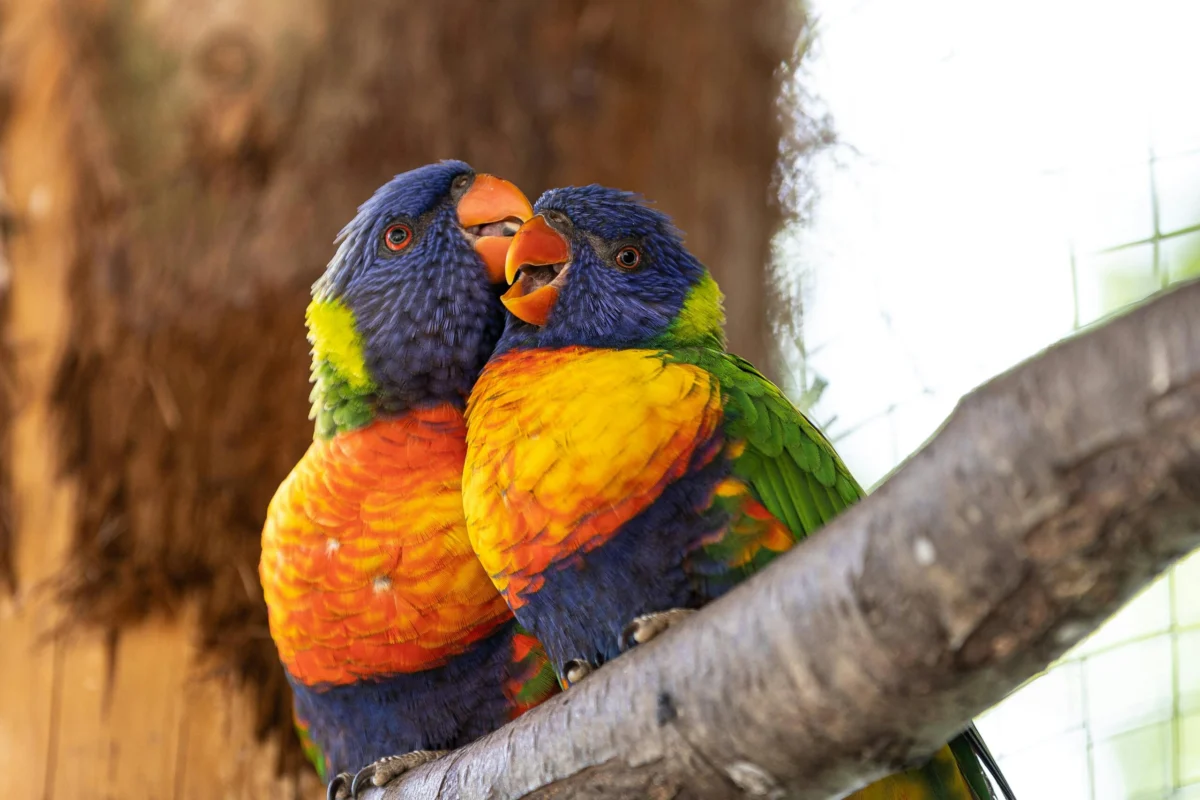
At first glance, the avian wonders described below might appear to be figments of an artist’s imagination. Their plumage boasts colors so vibrant, patterns so intricate, they seem more suited to the canvas of a surrealist painter or the pixels of digital art than to the living, breathing world. Yet, these ten birds are not illusions; they are spectacular realities, each a testament to nature’s boundless creativity and evolutionary ingenuity. Many of these dazzling creatures inhabit wild spaces, and some can even be observed within the United States, offering a tangible encounter with the extraordinary. This article explores these ten birds that look impossibly fake, delving into the scientific reasons behind their breathtaking appearances and their vital roles in the ecosystems they call home.
The Spectacle of the Natural World: Unveiling Nature’s Most Exquisite Designs
The natural world is replete with marvels, and the avian kingdom stands as one of its most vibrant showcases. Birds, through millennia of evolution, have developed an astonishing array of adaptations, and none are perhaps as striking as their visual characteristics. These are not merely for aesthetic appeal; the dazzling colors and intricate patterns serve critical functions in survival, communication, and reproduction. As we explore these ten birds, we will uncover the science behind their seemingly artificial beauty, understanding how nature has engineered these living masterpieces.
Resplendent Quetzal: A Jewel of the Mesoamerican Cloud Forests
Often hailed as one of the most beautiful birds on Earth, the Resplendent Quetzal (Pharomachrus mocinno) is a creature seemingly plucked from a mythical realm. Its iridescent emerald green plumage, contrasted with a brilliant red breast, and the male’s extraordinarily long, flowing tail coverts create an image of unparalleled splendor. These magnificent birds inhabit the humid cloud forests of Central America, where their elusive nature only adds to their mystique.

Why it Looks Unreal: The quetzal’s dazzling coloration is not solely due to pigments. The vibrant greens and blues are structural colors, created by the microscopic structure of its feathers refracting light. This phenomenon, known as iridescence, causes the colors to shift and shimmer with every movement, giving the bird an almost ethereal glow. The male’s tail, which can extend up to three feet, is a particularly striking example of sexual dimorphism, evolving as a powerful signal of fitness to potential mates.
Ecological Significance and Conservation: The Resplendent Quetzal plays a significant role in its ecosystem as a frugivore, primarily feeding on wild avocados and other fruits. Its droppings help disperse these plant seeds, contributing to forest regeneration. Unfortunately, habitat loss due to deforestation and agricultural expansion poses a significant threat to quetzal populations. Conservation efforts are underway in its native range, highlighting the importance of preserving these unique cloud forest habitats.
Mandarin Duck: A Living Tapestry of Color
The Mandarin Duck (Aix galericulata) is a small, striking waterfowl native to East Asia, renowned for its incredibly ornate and varied plumage, especially in the males. Its appearance is so flamboyant that it has been described as looking as if it were meticulously hand-painted by a master artist. The male exhibits a breathtaking mosaic of colors and patterns, including a distinctive reddish-orange "sail" on its back, vibrant orange cheek feathers, and a rich blend of greens, purples, and whites across its body.
Where You Can See It in the United States: While its native range is in East Asia, small feral populations of Mandarin Ducks have established themselves in various parts of the United States. They are most commonly found in parks, ornamental ponds, and wooded wetlands, particularly in the Pacific Northwest and some Eastern states. Their presence in the U.S. is a testament to their adaptability and, in some cases, to introductions for ornamental purposes.

Evolutionary Advantage of Such Extravagance: The Mandarin Duck’s spectacular plumage is a prime example of sexual selection. These vibrant colors and elaborate patterns are primarily displayed by males during the breeding season to attract females. The intensity and complexity of the plumage can signal a male’s health, genetic quality, and ability to survive despite such conspicuous coloration, making him a more desirable mate.
Painted Bunting: The "Rainbow Bird" of North America
The Painted Bunting (Passerina ciris) is a small songbird found in the southeastern United States, and it is often nicknamed the "rainbow bird" for good reason. The male is an explosion of color, with a vibrant blue head, a green back, a yellow belly, and a brilliant red breast and rump. This extraordinary combination of hues makes it one of the most visually stunning birds in North America, appearing as if multiple colors were simultaneously applied with an artist’s brush.
Where You Can See It: The Painted Bunting primarily breeds in the southern United States, with populations found in states like Texas, Oklahoma, Arkansas, Louisiana, and parts of Florida and the Carolinas. They prefer brushy habitats, fields, and woodland edges, making them a rewarding sight for birdwatchers in these regions.
Diet and Pigmentation: The intense colors of the Painted Bunting are derived from pigments. Unlike structural colors that rely on feather structure, these pigments are obtained through the bird’s diet. Carotenoids, found in various seeds, insects, and fruits, are absorbed and deposited in the feathers, giving them their brilliant hues. The vibrancy of these colors can also be an indicator of the bird’s health and nutritional status, playing a role in mate selection.

Violet-Backed Starling: A Shimmering Masterpiece of Light
The Violet-Backed Starling (Cinnyricinclus leucogaster), also known as the Plum-colored Starling, is a small, iridescent bird found in sub-Saharan Africa. Its name hints at its most remarkable feature: the male’s back and wings shimmer with a deep, almost luminous violet hue that shifts dramatically with the angle of light. This effect is so pronounced that the bird appears to change color as it moves, a spectacle that can be breathtaking to behold.
The Science of Shimmer: The striking violet color of the Violet-Backed Starling is a prime example of structural coloration. The microscopic barbules within the bird’s feathers possess a specific nano-structure that interferes with light waves, causing certain wavelengths to be reflected and others to be absorbed. This creates the iridescent effect, a visual display that is far more dynamic and vibrant than pigment-based colors.
A Window into Avian Vision: The Violet-Backed Starling serves as a fascinating reminder that birds perceive the world differently than humans. Their visual systems are often more acute, and they can see a broader spectrum of light, including ultraviolet. This means that the shimmering violet of the starling, and indeed the colors of many other birds, might appear even more vibrant and complex to them than they do to us.
Atlantic Puffin: The Clown of the Seas
The Atlantic Puffin (Fratercula arctica) is an iconic seabird of the North Atlantic, instantly recognizable by its distinctive, brightly colored beak and its somewhat comical waddle. During the breeding season, the puffin’s face transforms with a vivid blue-gray patch, and its beak develops striking orange, yellow, and blue bands. This dramatic seasonal change in appearance has earned them the moniker "clowns of the sea," and their vibrant coloration can make them look like characters from an animated film.

Seasonal Color Transformation: The puffin’s beak is not permanently colored; the bright bands are a temporary feature that appears during the breeding season and fades significantly or is shed entirely in the winter. This dramatic seasonal change is linked to hormonal shifts and is thought to play a role in courtship rituals and recognition within their colonies. The intense colors likely serve to signal health and reproductive readiness.
Habitat and Behavior: Atlantic Puffins are colonial breeders, nesting in burrows on coastal cliffs and islands. They are highly adapted for a marine existence, with powerful wings for "flying" underwater to catch fish, their primary food source. Their distinctive appearance and behaviors make them a significant draw for ecotourism in regions where they are found, such as Iceland, Norway, and parts of Canada and the northeastern United States.
Golden-Headed Quetzal: A Vision in Green and Red
While the Resplendent Quetzal is perhaps the most famous, other quetzal species also boast incredible coloration. The Golden-Headed Quetzal (Pharomachrus auriceps), found in the Andean cloud forests of South America, presents a dazzling spectacle with its vibrant green body, crimson breast, and a striking golden-yellow head that gives it its name. This combination of colors, much like its more famous relative, appears almost too perfect to be natural.
The Physics of Feather Color: The brilliant hues of the Golden-Headed Quetzal, particularly the iridescent greens and reds, are a result of both pigment and feather structure. The green is primarily structural, achieved through the complex arrangement of keratin and air spaces within the feathers that scatter light. The red, however, is more likely due to pigments. This interplay of structural and pigmentary coloration creates a rich, dynamic visual display.

Cultural Significance: Quetzals hold deep cultural significance in Mesoamerican and Andean traditions, often associated with divinity, freedom, and the spirit of the forest. Historically, their feathers were highly prized and used in ceremonial headdresses and regalia. Their presence is seen as a symbol of a healthy, pristine environment.
Blue Jay: A Familiar Face with an Unreal Hue
The Blue Jay (Cyanocitta cristata) is a common and intelligent bird found throughout eastern and central North America, and for many, its brilliant blue plumage is a familiar yet still astonishing sight. The bird’s crest, wings, and tail are adorned with a striking blue that, upon closer inspection, reveals a complex pattern of black barring and white accents. Its coloration can appear so vivid and pure that it might seem artificial, especially against a backdrop of green foliage.
The Illusion of Blue: A surprising fact about the Blue Jay’s color is that its feathers are not actually blue. The vibrant blue is an optical illusion created by the structure of the feathers. The keratin in the feathers scatters light, reflecting blue wavelengths back to the observer. This phenomenon is known as Rayleigh scattering, the same process that makes the sky appear blue. If a blue feather is crushed, the microscopic structures are destroyed, and the blue color disappears, leaving behind a dull gray or black.
Ecological Role and Behavior: Blue Jays are known for their intelligence, adaptability, and often boisterous calls. They are omnivores, feeding on a variety of seeds, nuts, insects, and even small vertebrates. They are also known for their habit of caching acorns, playing a role in oak forest regeneration. Their intelligence and complex social behaviors make them a fascinating species to observe.

Scarlet Macaw: A Fiery Splash of Tropical Color
The Scarlet Macaw (Ara macao) is a large, brilliantly colored parrot native to the humid evergreen forests of tropical South America. Its plumage is a stunning combination of scarlet red, yellow, and blue, creating a vivid contrast that is breathtaking against the lush green of its rainforest habitat. This extreme coloration makes it appear almost unreal, like a living jewel or a meticulously crafted ornament.
Color as Communication: The extreme coloration of the Scarlet Macaw serves multiple purposes in its natural environment. Primarily, it is a form of communication. The bright colors likely play a role in species recognition, helping macaws identify each other within their flocks. They are also believed to be important in mate selection, with brighter, more intense coloration potentially signaling good health and genetic fitness.
Dietary Influence and Habitat: Scarlet Macaws have a diverse diet that includes fruits, nuts, seeds, and clay from riverbanks, which they consume to neutralize toxins from certain foods. Their presence is an indicator of a healthy, intact rainforest ecosystem. Deforestation and the illegal pet trade pose significant threats to their populations, making conservation efforts crucial for their survival.
Gouldian Finch: A Kaleidoscope of Nature
The Gouldian Finch (Erythrura gouldiae), also known as the Rainbow Finch, is a small finch native to Australia, renowned for its astonishingly vibrant and varied coloration. These finches exhibit multiple head color morphs, including red, black, and yellow, set against a neon green body and a bright purple chest. This exquisite combination of colors makes them appear like living jewels, almost too perfect to be true.

Variations and Social Significance: The different head color morphs are genetically determined. The intense colors are believed to play a crucial role in social behavior and mate choice. Studies suggest that the vibrancy of their colors can indicate their health and ability to thrive, making them attractive to potential partners. They are a popular species in the aviculture trade due to their beauty, but wild populations face threats from habitat degradation and the introduction of invasive species.
Ecological Niche: Gouldian Finches are seed-eaters, foraging in grasslands and woodlands. They are social birds, often seen in large flocks outside the breeding season. Their existence highlights the incredible diversity of avian coloration and the complex evolutionary pressures that shape it.
Keel-Billed Toucan: The Maestro of the Mighty Bill
The Keel-Billed Toucan (Ramphastos sulfuratus) is a striking bird native to the tropical rainforests of Central and South America. Its most prominent feature is its enormous, rainbow-colored bill, which is a vibrant mix of green, blue, orange, and yellow. This oversized, multi-hued appendage, combined with its black body and yellow throat, gives the toucan a uniquely surreal appearance.
The Function of the Fantastic Bill: While the toucan’s bill is undeniably spectacular, it serves several practical functions beyond mere aesthetics. Its large size allows it to reach fruits on branches that might not support its weight, and it also plays a crucial role in thermoregulation. In the warm tropical climate, the bill’s extensive network of blood vessels helps dissipate excess body heat, acting as a natural radiator. It is also used for courtship displays and, to some extent, for defense.

A Symbol of the Tropics: The Keel-Billed Toucan is an iconic species of the Neotropics, often featured in imagery representing these lush environments. Its unique appearance and ecological role as a seed disperser make it an important part of its ecosystem.
The Evolutionary Imperative Behind Nature’s Palette
The extraordinary colors and patterns observed in these birds are not mere decorative flourishes; they are the product of millions of years of evolution, driven by the fundamental needs of survival and reproduction.
Key Drivers of Avian Coloration
- Mate Attraction and Sexual Selection: In many species, particularly males, vibrant and elaborate plumage serves as a powerful tool for attracting mates. The intensity, complexity, and uniqueness of these displays can signal a bird’s health, genetic quality, and fitness, increasing its chances of successful reproduction. This is a cornerstone of sexual selection, where traits that enhance mating success are favored and passed on.
- Species Recognition: In environments where multiple similar species coexist, distinct coloration can be crucial for birds to identify and bond with members of their own species, preventing hybridization and ensuring reproductive isolation.
- Camouflage and Predation Avoidance: While some birds boast conspicuous colors, others have evolved muted or disruptive patterns to blend seamlessly with their surroundings, helping them evade predators or ambush prey. The vibrant colors of some species might seem counterintuitive for camouflage, but they can be effective in specific light conditions or environments, or when combined with specific behaviors.
- Thermoregulation: As seen with the Keel-Billed Toucan, some birds’ physical attributes, including coloration and the structure of appendages like bills, can play a role in regulating body temperature, especially in extreme climates.
- Signaling Health and Status: The richness and vibrancy of a bird’s plumage can often be directly linked to its nutritional status and overall health. Birds that are well-nourished and free from parasites tend to have brighter, more lustrous feathers, making them more attractive to potential mates and signaling their superiority.
- Communication Beyond Mating: Colors can also be used for other forms of communication, such as warning signals to rivals, signaling alarm to flock members, or even for territorial displays.
The Avian Visual Spectrum: A World Beyond Human Perception
It is essential to remember that birds often perceive colors differently than humans do. Many avian species possess the ability to see ultraviolet (UV) light, a spectrum invisible to the human eye. This means that many birds might have iridescent patches or subtle patterns that appear even more brilliant and complex to them than they do to us. These UV patterns can play significant roles in mate recognition, courtship rituals, and even in distinguishing between edible and inedible food sources.
Conclusion: Nature’s Unending Masterclass
The birds discussed in this article serve as a profound reminder of nature’s unparalleled artistry and evolutionary prowess. Their seemingly unreal colors and patterns are not anomalies but rather sophisticated adaptations honed over eons for survival, communication, and reproduction. From the iridescent shimmer of the Violet-Backed Starling to the rainbow bill of the Keel-Billed Toucan, each species presents a unique masterpiece, challenging our perception of reality and highlighting the incredible diversity and ingenuity present in the natural world. As we continue to observe and study these feathered wonders, we gain a deeper appreciation for the intricate mechanisms that drive evolution and the breathtaking beauty that can emerge when life is allowed to express itself in its most vibrant forms. The takeaway is clear: nature’s creativity far surpasses our wildest expectations, and its most stunning creations are often found in the living, breathing creatures that grace our planet.

