


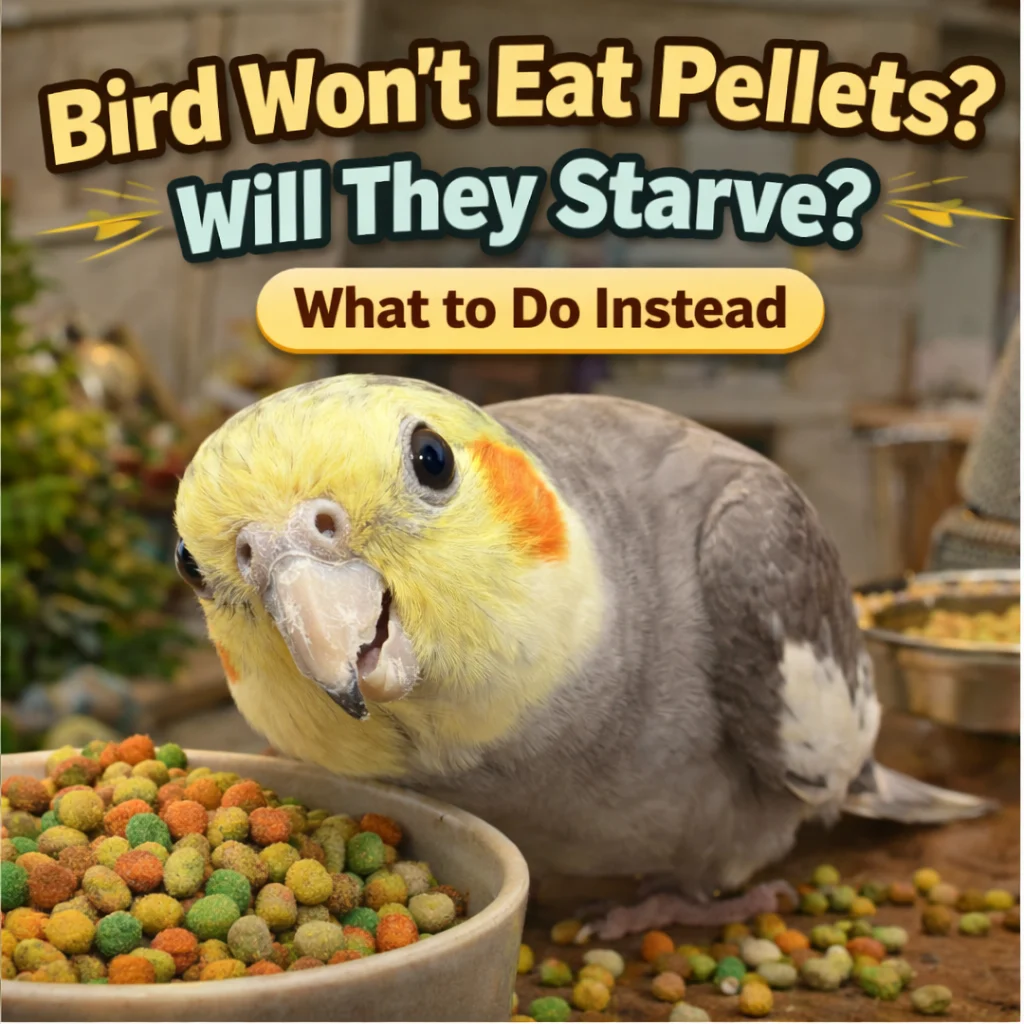
For countless pet bird owners, the prospect of transitioning their feathered companions from a traditional seed-based diet to a more nutritionally complete pellet regimen can be fraught with anxiety and challenges. This common dilemma often leaves owners questioning if their beloved bird will ever accept the new food, with fears of starvation looming large. However, contemporary avian veterinary science and behavioral insights offer clear, evidence-based pathways to successfully navigate this crucial dietary shift, emphasizing patient education over forceful methods.
The Pervasive Challenge: When Birds Refuse Pellets
Many bird owners encounter the same familiar patterns: their bird ignores pellets entirely, meticulously picks around them to find familiar seeds, or exhibits a noticeable decrease in food intake when a switch is attempted. These behaviors often lead to significant concern, particularly the fear that the bird might starve. Owners who have tried conventional approaches like mixing pellets with seeds, drastically reducing seed availability, or simply "waiting them out" often find these strategies ineffective or even detrimental. This widespread challenge is not a reflection of an owner’s inadequacy but rather a testament to the complex instinctive behaviors of avian species.
A quick diagnostic often reveals predictable patterns in a bird’s resistance:
- If your bird won’t eat pellets at all: This frequently indicates they do not recognize pellets as a food source, perceiving them as foreign objects rather than sustenance.
- If your bird picks around or throws pellets out: This behavior suggests a strong preference for familiar foods, typically seeds, which they trust and find palatable.
- If your bird is eating less after the switch: This is a critical indicator of confusion and a failure to adjust, often leading to rapid weight loss.
- If your bird consistently waits for seeds or old food: This demonstrates that the new food, despite its nutritional value, has not yet been accepted as safe or desirable.
The instinct to protect one’s pet from hunger is powerful, leading many owners to question if a bird will "eventually eat" if seeds are withheld. The unequivocal answer from avian experts is no, not reliably and not safely. An abrupt withdrawal of familiar food sources can indeed cause birds to significantly reduce their caloric intake, leading to rapid weight loss, malnutrition, and potentially life-threatening conditions such as hepatic lipidosis (fatty liver disease), especially in species like budgerigars and cockatiels. The good news, however, is that birds can be safely and effectively taught to accept pellets and other healthier foods through simple, evidence-based, and force-free approaches. These methods prioritize the bird’s welfare, protect their nutritional intake, and maintain the vital bond of trust between owner and pet.
The Nutritional Imperative: Why Pellets are Paramount
For decades, the standard diet for many pet birds consisted primarily of seed mixes. While seeds are a natural food source for wild birds, commercial seed mixes often lack the comprehensive nutritional profile required for domestic birds, particularly those from tropical and subtropical regions. Seed-only diets are notoriously high in fat and low in essential vitamins (like Vitamin A), minerals (like calcium), and amino acids. This imbalance can lead to a host of serious health problems, including:
- Vitamin A Deficiency: Can cause squamous metaplasia, affecting the respiratory, digestive, and urogenital systems, leading to chronic infections and organ failure.
- Calcium Deficiency: Leads to metabolic bone disease, brittle bones, and reproductive issues, especially in laying hens.
- Obesity and Fatty Liver Disease: The high-fat content of seeds contributes to weight gain and the dangerous accumulation of fat in the liver.
- Immunosuppression: Poor nutrition weakens the immune system, making birds more susceptible to bacterial, viral, and fungal infections.
- Poor Feather Quality: Lack of essential nutrients results in dull, brittle, or discolored feathers, and poor molting.
- Shortened Lifespan: Studies and long-term observations by avian veterinarians consistently link seed-only diets to a significantly reduced lifespan and a higher incidence of chronic disease in pet birds.
The shift towards pellet-based diets represents a major advancement in avian husbandry. Pellets are formulated by avian nutritionists to be nutritionally complete and balanced, containing a precise blend of carbohydrates, proteins, fats, vitamins, and minerals that mirror the dietary needs of various bird species. They are designed to prevent the common deficiencies and excesses associated with seed-only diets, thereby promoting optimal health, vibrant plumage, strong immune systems, and a longer, higher quality of life.
Understanding Avian Neophobia: The Instinct Behind Refusal
The reluctance of a bird to accept new foods is not mere stubbornness; it is a deeply ingrained survival instinct known as neophobia, or the fear of new things. In the wild, parrots and other avian species encounter a vast array of plants and substances, some of which are toxic. To survive, they must be cautious about what they ingest. Wild parent birds play a crucial role in teaching their offspring what is safe to eat and what to avoid, a learning process that can take weeks or even months.
Pet birds, despite generations of domestication, retain these primal instincts. They are hardwired to be wary of unfamiliar food items. This explains why they observe their human caregivers so closely, often begging for bites of whatever their owner is eating. This isn’t pushiness; it’s an intelligent animal seeking reassurance about food safety from a trusted flock member (you). When a bird refuses pellets or fresh vegetables, they are simply communicating that they haven’t yet learned to identify these items as safe and edible. The fundamental shift in approach, therefore, is not about forcing an abrupt diet change, but about intentionally and patiently teaching your bird what is safe and healthy to eat over time. This process is effective regardless of the bird’s age, working even with older birds or rescues with established dietary habits, through proven, force-free methods endorsed by avian veterinarians and professional trainers.
The Perils of Abrupt Transition: Why "Waiting Them Out" Fails
The common misconception that a bird will eventually eat new food if sufficiently hungry is not only incorrect but dangerous. As early as April 14, 2026, when avian care expert Diane Burroughs published her observations, and echoed by countless veterinarians, forcefully withholding familiar food can lead to severe consequences. Birds have incredibly high metabolisms and cannot go long without food. Even a day or two of significantly reduced intake can cause:
- Rapid Weight Loss: A bird losing 10% or more of its body weight in a short period is a veterinary emergency. Daily weighing is crucial during any transition.
- Hepatic Lipidosis (Fatty Liver Disease): Especially in smaller species, when a bird stops eating, its body begins to metabolize its fat reserves. If these reserves are mobilized too quickly, the liver can become overwhelmed, leading to a potentially fatal condition.
- Psychological Trauma: Forced dietary changes can erode trust between a bird and its owner, leading to stress, anxiety, and behavioral problems.
- Nutritional Deficiencies: Even if a bird eventually samples new food, the initial period of reduced intake can exacerbate existing deficiencies or create new ones.
The goal is to teach acceptance, not to induce hunger to the point of desperation. A successful transition ensures the bird’s caloric intake remains stable and that their emotional well-being is preserved throughout the process.
The "Teach, Don’t Force" Paradigm: A Behavioral Approach
The most effective and humane method for transitioning a bird to pellets is rooted in positive reinforcement and behavioral science. This approach acknowledges the bird’s natural instincts and works with them, rather than against them. It transforms the dietary switch from a stressful ordeal into a positive learning experience.
- Consistency, Not Force: Progress in dietary transition comes from consistent, small daily exposures to new foods, gradually building long-term acceptance.
- Positive Association: The key is to create positive experiences around pellets. This means pairing pellets with enjoyable activities, treats, or owner interaction.
- Mimicry and Social Learning: Birds are highly social and learn by observing their flock. If they see you (their flock leader) eating and enjoying pellets, they are more likely to perceive them as safe.
A Structured Framework for Dietary Transition: The 3-Step Pellet Transition Reset
Based on expert recommendations, a structured, multi-phase approach offers the highest chance of success:
Phase 1: Initial Introduction and Familiarization (Building Trust)
This phase focuses on introducing pellets in a non-threatening way, helping the bird to see them as benign, if not yet appealing.
- Variety of Pellet Types: Birds, like humans, have preferences. Offer small amounts of different brands, shapes (crumbles, small cylinders, larger pieces), and flavors (natural, fruit-flavored, veggie-flavored) in a separate dish. This allows the bird to explore without pressure. Some birds prefer softer textures; try moistening pellets with a small amount of water or diluted, bird-safe fruit juice.
- Making Pellets Appealing Through Foraging: Hide pellets in foraging toys alongside small, favorite seeds. This encourages exploration and positive association with the act of foraging. Birds are natural foragers, and making pellets part of a stimulating activity can increase their interest.
- The "Modeling" Technique: Routinely eat pellets yourself (or pretend to with enthusiasm) in front of your bird. Exaggerate your enjoyment. Offer a pellet directly from your hand or mouth (if hygienic and safe) as if it’s a prized treat. This taps into their natural instinct for social learning and mimicry.
- Pellets as Treats: Use individual pellets as rewards during training sessions or positive interactions. This directly links pellets with positive experiences and owner attention.
- Grinding Pellets: For very resistant birds, grind a small amount of pellets into a fine powder. Sprinkle this powder over their favorite moist foods (e.g., cooked sweet potato, bird-safe fruits, or a tiny amount of seed mash). The goal is to introduce the taste and smell subtly.
Phase 2: Encouraging Acceptance and Consumption (Gradual Integration)
Once the bird shows some interest or occasional sampling, this phase aims to increase consistent consumption.
- Scheduled Seed Availability: Instead of mixing pellets with seeds (which often leads to the bird simply picking out seeds), offer seeds only at specific times, for a limited duration (e.g., 30 minutes in the morning and 30 minutes in the evening). Pellets should be available all day. This creates a gentle incentive for the bird to explore the constantly available pellets when hungry, without the risk of starvation. Crucially, monitor weight daily during this phase.
- Separate Food Stations: Maintain separate bowls for pellets and seeds. This allows the bird to clearly differentiate between the two and helps you monitor intake of each.
- Pellets with Moist Foods: Continue offering pellets alongside fresh, healthy, moist foods (chopped vegetables, fruits, sprouts). The moisture can make pellets more palatable and the combination can be more appealing than dry pellets alone.
- Consistency is Key: Offer pellets consistently every day. Erratic offering can confuse the bird and hinder progress.
Phase 3: Monitoring Progress and Long-Term Maintenance (Ensuring Health and Compliance)
This critical phase focuses on ensuring the bird’s health throughout the transition and establishing a sustainable long-term diet.
- Daily Weight Monitoring: This is non-negotiable. Weigh your bird at the same time each day using a gram scale. A consistent weight indicates successful caloric intake. Any significant drop (more than 5-10% of body weight) requires immediate intervention, which may include temporarily increasing seed availability and consulting an avian veterinarian.
- Dropping Observation: Monitor changes in droppings. A healthy bird on a good diet will have well-formed droppings with a distinct urate (white part) and fecal component. Changes in color, consistency, or volume can indicate dietary issues or stress.
- Behavioral Observation: Watch for changes in energy levels, alertness, feather condition, and overall demeanor. A healthy, happy bird will be active and engaged.
- Gradual Seed Reduction: Only once consistent pellet intake is observed and the bird’s weight is stable should you begin to gradually reduce the amount of seeds offered during scheduled feeding times. This process should be slow and incremental, often taking weeks or months. The goal is to eventually have pellets as the primary diet (80-90%), supplemented with fresh produce and minimal seeds as treats.
- Continued Variety: Even after transitioning to pellets, continue to offer a wide variety of fresh, bird-safe fruits, vegetables, and sprouts. This provides additional nutrients, enrichment, and mental stimulation.
Addressing Common Behavioral Cues During Transition
Expanding on the quick diagnostic, specific behaviors during transition warrant tailored responses:
- "Won’t eat pellets at all": If your bird completely ignores pellets, it’s essential to return to Phase 1 strategies. Experiment with different pellet types, sizes, and brands. Focus heavily on modeling, positive reinforcement (using pellets as treats), and making pellets part of foraging activities. Sometimes, a "tough love" approach of only offering pellets for a few hours before seeds can work, but only under strict weight monitoring and if the bird is otherwise healthy.
- "Picks around or throws pellets out": This indicates the bird recognizes pellets but prefers other foods. This is a good sign that they’re interacting with the new food. Continue with scheduled seed times, ensuring pellets are always available. Reinforce any interaction with pellets (even just touching) with verbal praise or a tiny desired treat.
- "Is eating less after the switch": This is a red flag. Immediately increase seed availability to prevent dangerous weight loss. Re-evaluate your transition speed. You might be moving too fast. Revert to earlier phases, ensuring the bird’s caloric intake is stable before trying to progress again. Consult your avian veterinarian for advice.
- "Waits for seeds or old food": This is a common phase where the bird is testing boundaries and waiting for the familiar. Consistency in your scheduled feeding times for seeds is key. Do not give in to begging outside of these times if pellets are available. However, always prioritize the bird’s health by ensuring they are maintaining weight.
The Role of Avian Veterinarians
Throughout this entire process, the guidance of an experienced avian veterinarian is invaluable. Before starting any dietary transition, a comprehensive health check is recommended to ensure your bird is healthy enough to undergo the change. Your vet can provide species-specific dietary advice, recommend appropriate pellet brands, and offer critical support if complications arise, particularly concerning weight loss. Regular check-ups during and after the transition are essential to monitor your bird’s overall health and nutritional status.
Broader Impact and Ethical Considerations
Embracing the "teach, don’t force" methodology for dietary transition goes beyond simply changing what a bird eats. It embodies a holistic approach to avian welfare. Successfully transitioning a bird to a pellet-based diet dramatically improves its quality of life and longevity, often preventing costly and distressing veterinary visits for diet-related illnesses. It strengthens the bond between owner and pet, built on trust and positive interaction rather than conflict. This patient, consistent, and knowledge-based approach aligns with the highest standards of "parronting" – dedicated pet bird ownership focused on nurturing and teaching, not coercing.
Key Takeaways:
- Pellets are crucial: They provide complete nutrition, addressing deficiencies common in seed-only diets.
- Birds are neophobic: Their refusal of new foods is an instinct, not stubbornness.
- Never starve a bird: Abrupt changes are dangerous and can lead to severe health issues.
- "Teach, don’t force": Use positive reinforcement, modeling, and consistent exposure.
- Monitor closely: Daily weight checks and observation of droppings and behavior are critical.
- Be patient: Dietary transition is a gradual process that can take weeks or months.
- Consult your vet: Avian veterinarians are essential partners in this journey.
By understanding the science, respecting avian instincts, and applying proven force-free methods, bird owners can successfully guide their feathered companions towards a healthier, happier, and longer life on a pellet-based diet.

