


Birds are far more than just a source of aesthetic pleasure and melodic soundscapes in our backyards; they play a critical, often overlooked, role in maintaining a healthy local ecosystem. In Maryland, these avian visitors are integral to pest control, acting as natural predators for harmful insects and rodents, thereby protecting gardens and reducing the need for chemical interventions. Furthermore, their activities contribute to plant pollination and nutrient enrichment through their droppings, fostering a more vibrant and sustainable environment. The presence of diverse bird species in a backyard can significantly influence the population of nuisance creatures like rodents, while their pollination efforts support the health and reproduction of flowering plants.
Creating a bird-friendly habitat involves more than just scattering seeds. Providing suitable nesting sites and a consistent food source can transform a typical backyard into a haven for a wide array of avian species. This article delves into some of the most prevalent and beloved backyard birds found in Maryland, offering insights into their characteristics, behaviors, and how to best attract them. Maryland, known historically as the "Old Line State," rich in American history and famed for its baseball rivalries and iconic blue crab cuisine, also offers a compelling destination for bird enthusiasts. With approximately 456 bird species documented in the state, the opportunity to observe these magnificent creatures in one’s own outdoor space is considerable.
Key Backyard Avian Residents of Maryland
The following species represent just a fraction of the incredible bird diversity found in Maryland. Their presence not only adds to the ecological balance but also provides an accessible and rewarding avenue for nature observation for residents.
1. The Baltimore Oriole: Maryland’s Avian Gem
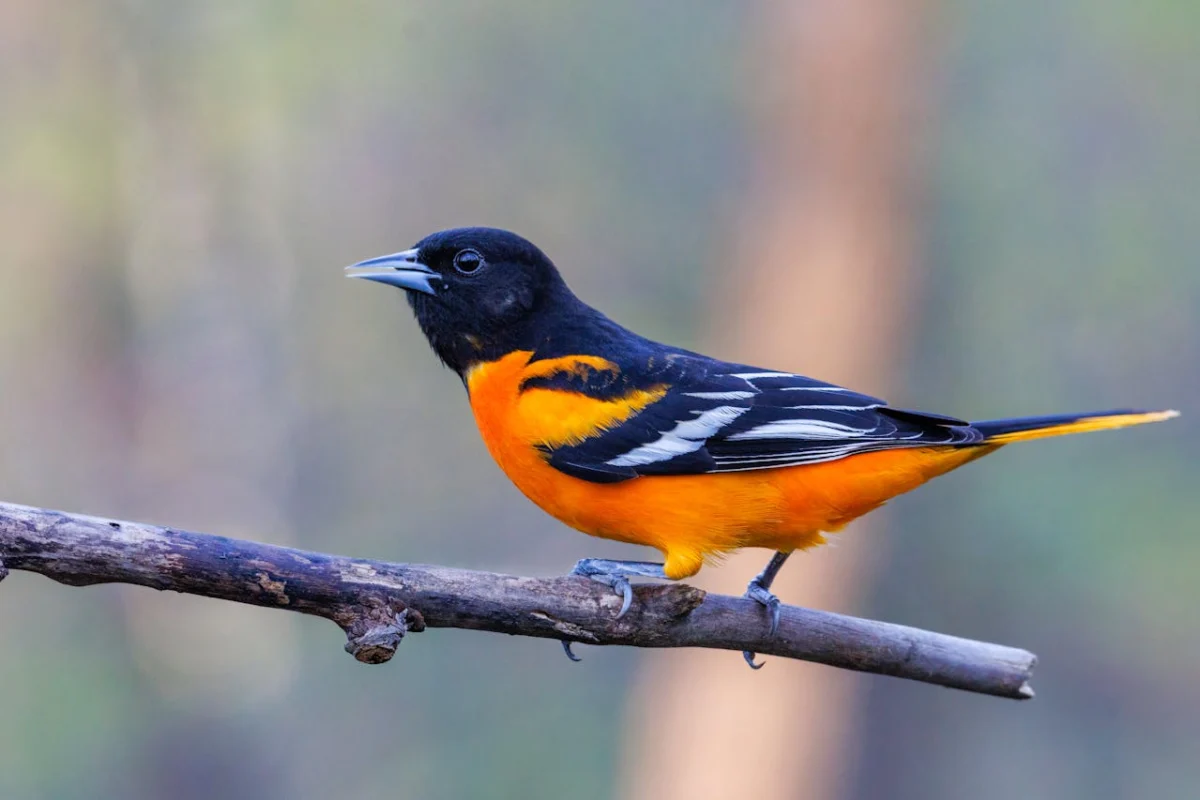
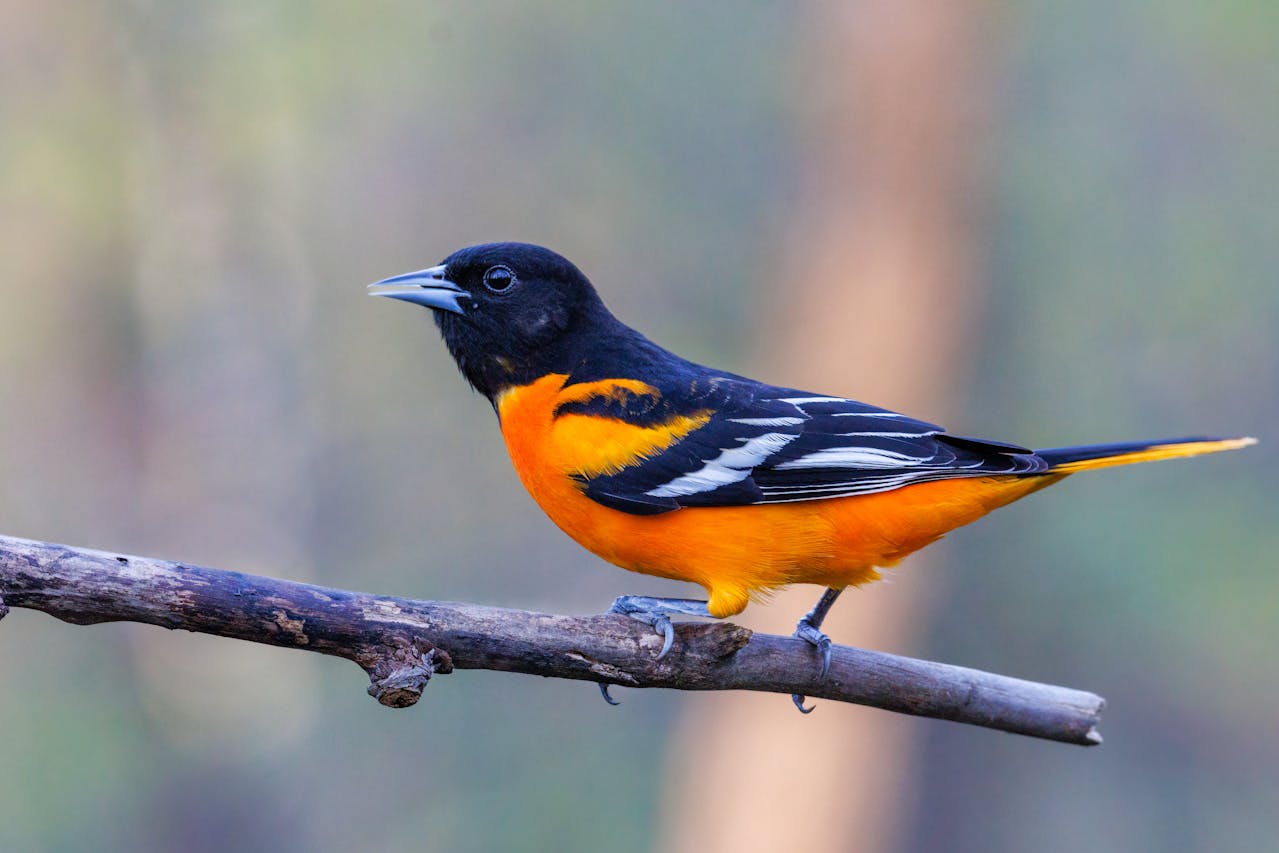
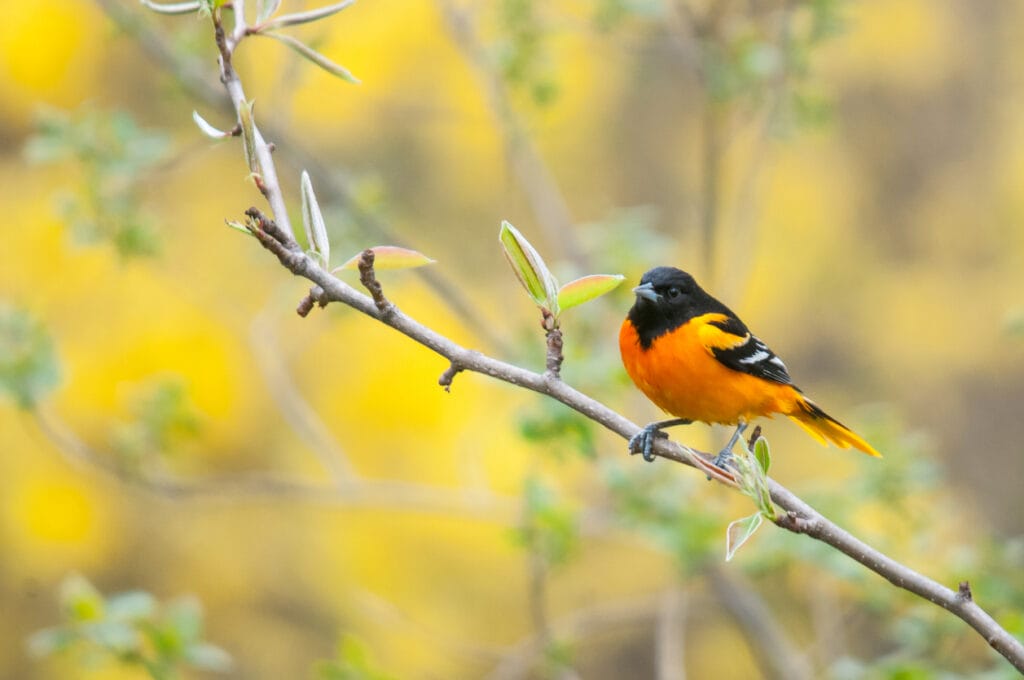
The Baltimore Oriole, the official state bird of Maryland, is a spectacular sight, particularly during the spring and summer months. Renowned for its vibrant orange and black plumage, the male Baltimore Oriole is a striking figure, while the females present a paler, more subdued coloration. These birds are often found foraging high in treetops, seeking out insects and dark-colored fruits.
To attract these orioles to your yard, consider offering them freshly cut oranges or grape jelly in bird feeders. They are also drawn to landscapes rich in fruit-bearing trees and nectar-producing flowers. It’s worth noting their specific dietary preferences: while they consume insects, they tend to favor darker fruits, often ignoring ripe green or yellow grapes and cherries. This preference highlights the importance of offering a varied diet to cater to the specific needs of different bird species. The Baltimore Oriole’s presence signifies a healthy urban or suburban environment, as they prefer areas with mature trees that offer both foraging and nesting opportunities. Their distinctive woven nests, often found hanging from tree branches, are a testament to their intricate nesting habits.
2. The Northern Cardinal: A Ubiquitous and Vibrant Songbird
The Northern Cardinal stands out as perhaps the most common songbird encountered by Maryland residents, frequently reported by birdwatchers and homeowners alike due to its adaptability to residential areas. The males are characterized by their brilliant red plumage, a stark contrast to the more muted, brownish-red tones of the females. This species is a regular visitor to backyards, especially when provided with a steady supply of sunflower seeds. They also supplement their diet with fruits and butterflies, contributing to the natural control of insect populations.
A fascinating aspect of the Northern Cardinal’s behavior is its tendency to knock on windows. This is not an aggressive act towards humans but rather a defensive response. When a cardinal sees its reflection in glass, it perceives it as a rival bird and attempts to drive it away by pecking at the window. Understanding this behavior can help homeowners manage interactions with these beautiful birds, perhaps by using window decals to reduce reflections. The consistent presence of Northern Cardinals throughout the year underscores their resilience and their ability to thrive alongside human development. Their cheerful, whistling song is a familiar and welcome sound in many Maryland neighborhoods.
3. The White-Throated Sparrow: A Seasonal Visitor with Distinctive Markings
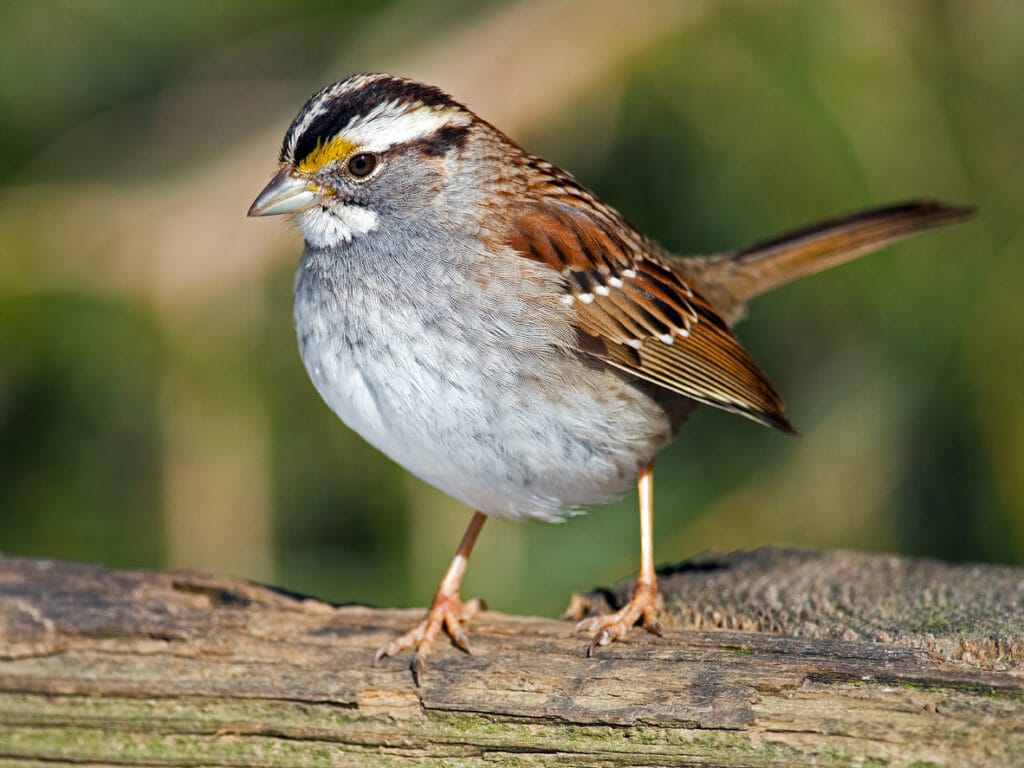
The White-Throated Sparrow is a familiar sight in Maryland from late October through April, migrating from northern breeding grounds. These charming birds are easily identifiable by their brown and gray plumage, striped heads, and most notably, a distinct white throat patch that sets them apart from other sparrow species. To entice them into your backyard, a feeder filled with millet and sunflower seeds is highly effective. They also appreciate the presence of brush piles, which offer shelter and foraging opportunities.

The White-Throated Sparrow’s diet primarily consists of seeds, but they will also consume insects, particularly during the breeding season. Their migration patterns are influenced by food availability and climate, making them an indicator of seasonal changes. It is important for cat owners to be aware of the White-Throated Sparrow’s presence and take measures to protect them, as they are vulnerable to predation by domestic cats. Their soft, melodic song, often described as sounding like "Old Sam Peabody, Peabody, Peabody," is a characteristic sound of the late autumn and winter months in Maryland.
4. The Downy Woodpecker: A Small but Persistent Forager
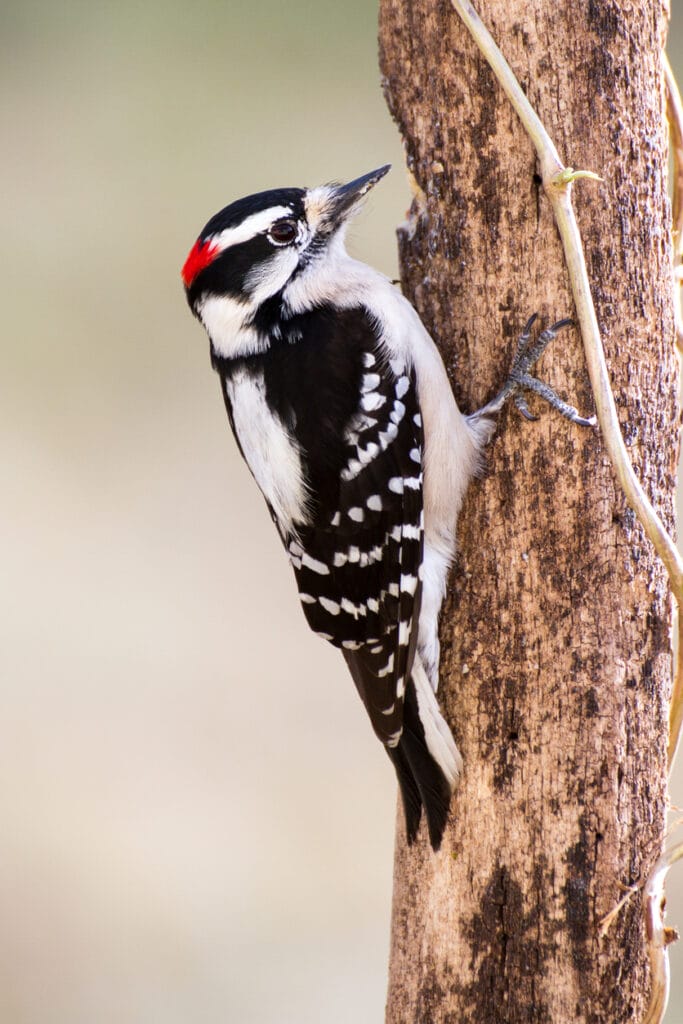
The Downy Woodpecker is a year-round resident in Maryland, frequently observed in backyards. Despite their diminutive size, these woodpeckers are known for their persistent drumming on trees, which can sometimes be a source of annoyance for some homeowners. Their physical characteristics include a black body, a white belly and throat, and a white stripe down their back. Male Downy Woodpeckers sport a distinctive bright red patch on the back of their heads.
These woodpeckers are not particularly picky eaters and will readily consume a variety of foods, including millet, black oil sunflower seeds, peanut butter, and peanuts. However, suet is a particular favorite. As social birds, Downy Woodpeckers often communicate with each other, issuing warnings if a predator is detected. Their presence is a sign of a healthy, mature tree population, as they rely on tree bark and wood for both foraging and nesting. Providing suet feeders can significantly increase the likelihood of attracting these active birds to your yard.
5. The Tufted Titmouse: A Familiar and Beneficial Neighbor
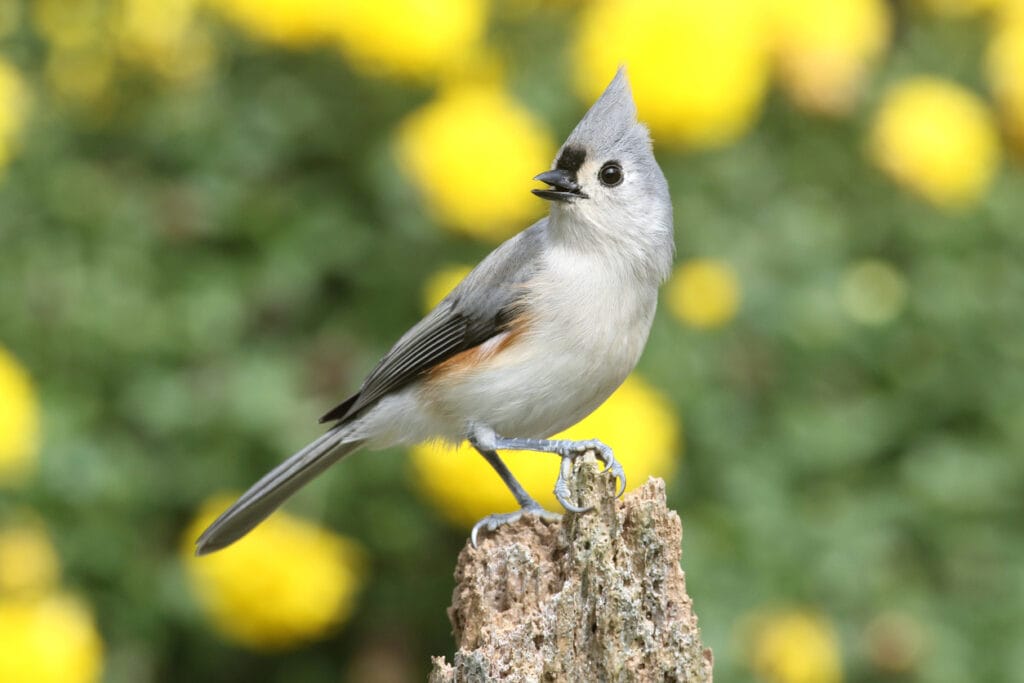
Common in Maryland’s forests, the Tufted Titmouse is a frequent visitor to backyards throughout the year, provided there is a consistent supply of food. These small, silver-gray birds are characterized by their prominent crest. They are known for their habit of hoarding food, particularly nuts, during the fall and winter months, which helps ensure their survival during leaner times.
The Tufted Titmouse plays a vital role in keeping gardens healthy by feeding on various pests and bugs. To attract them, a steady offering of sunflower seeds, suet, and peanuts is recommended. They also appreciate the presence of fruit and nut-bearing trees. For those looking to encourage breeding pairs, setting up a nesting box can be highly effective. Tufted Titmice often socialize with other common backyard birds like chickadees and woodpeckers, creating a lively and interactive avian community. Their inquisitive nature and acrobatic foraging make them a delight to observe.
6. The House Finch: A Non-Native Songbird with a Vibrant Display
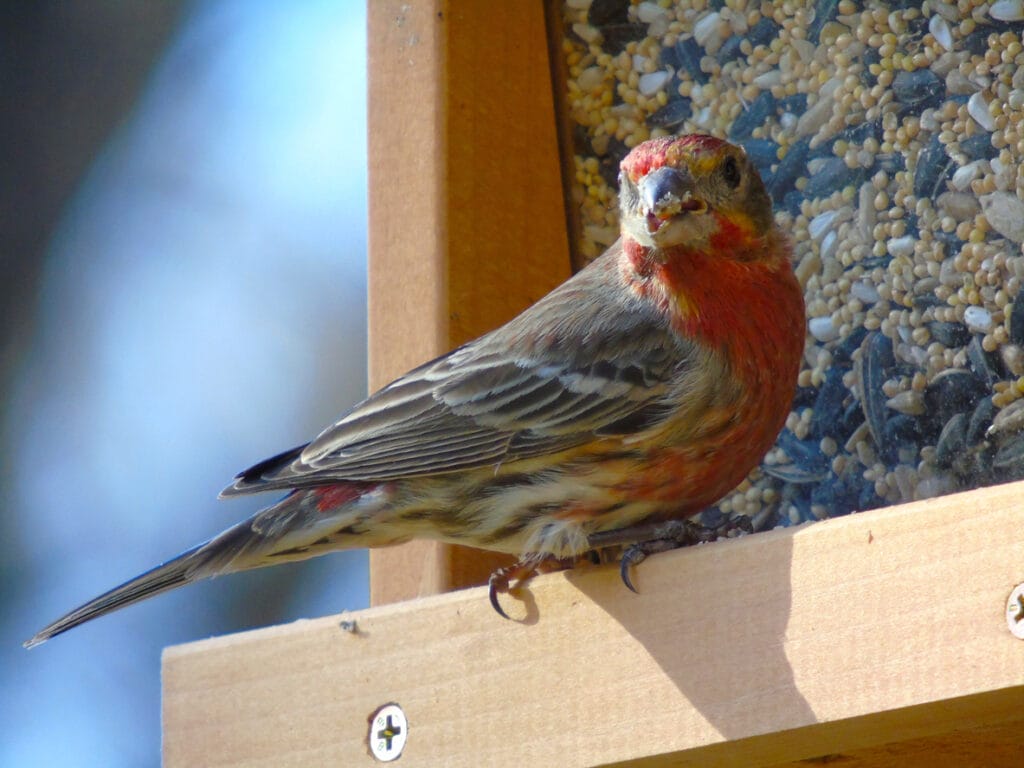
The House Finch, though not native to Maryland, has become a common and conspicuous resident, often visiting backyard feeders in large, noisy groups. These social birds are not easily intimidated by human presence, contributing to their widespread visibility in parks and residential areas. Male House Finches are distinguished by their rosy red plumage, while females are paler. The intensity of the male’s coloration can vary, influenced by their diet throughout their life.
To attract House Finches, it is advisable to maintain bird feeders stocked with black oil sunflower seeds. They also feed on local fruits, seeds, and buds, making a diverse landscape beneficial. Their adaptability has allowed them to thrive in various environments, including urban settings. While they are a common sight, it’s important to note that their introduction to the East Coast was not natural, and their rapid spread has sometimes led to competition with native bird species for resources.
7. The American Robin: A Harbinger of Spring and a Garden Ally
The American Robin is a ubiquitous bird in Maryland, often seen foraging for insects, snails, and earthworms on lawns. While they are present year-round, they are particularly noticeable during the warmer months. Robins are attracted to backyards that feature fruit-bearing trees, as they supplement their diet with fruits, especially those containing insects.
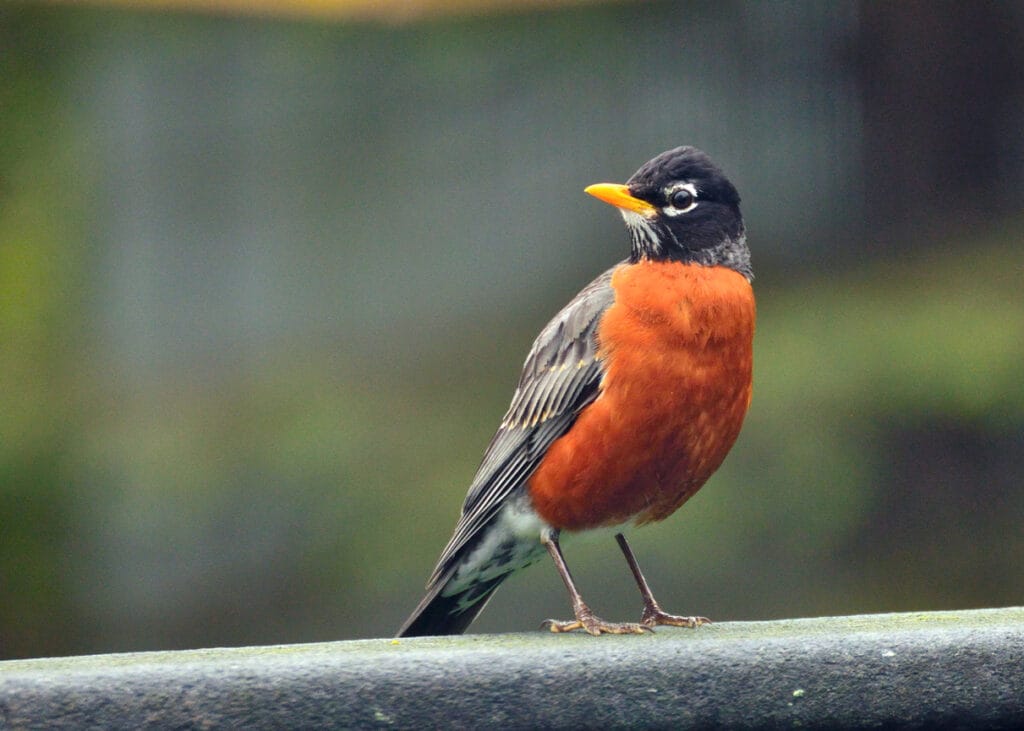
These birds are characterized by their gray-brown plumage and distinctive reddish-brown underparts. To encourage American Robins to visit, one can provide freshly cut fruits and mealworms. Setting up nesting boxes can also attract breeding pairs. The American Robin’s foraging habits are beneficial to gardens, as they help control populations of soil-dwelling invertebrates. Their cheerful song is often one of the first signs of spring, making them a beloved symbol of the changing seasons.
8. The American Goldfinch: A Flash of Yellow in the Backyard
The American Goldfinch is a readily noticeable backyard visitor, easily identified by its bright yellow plumage and acrobatic flight style. While males display vibrant yellow with black markings, females tend to be a paler shade. These birds are not picky eaters and readily visit bird feeders. To attract them, stocking feeders with nyjer and sunflower seeds is highly effective. Planting native thistles in the garden also provides a natural food source.
The American Goldfinch’s diet consists mainly of seeds, particularly from thistles and sunflowers. Their presence indicates a healthy seed-producing plant population in the area. Their energetic and playful nature makes them a joy to watch, as they flit from feeder to flower. Their adaptability to feeders makes them a consistent presence in many backyards, offering a splash of vibrant color and lively activity.
9. The Dark-Eyed Junco: A Winter Guest with a Unique Call
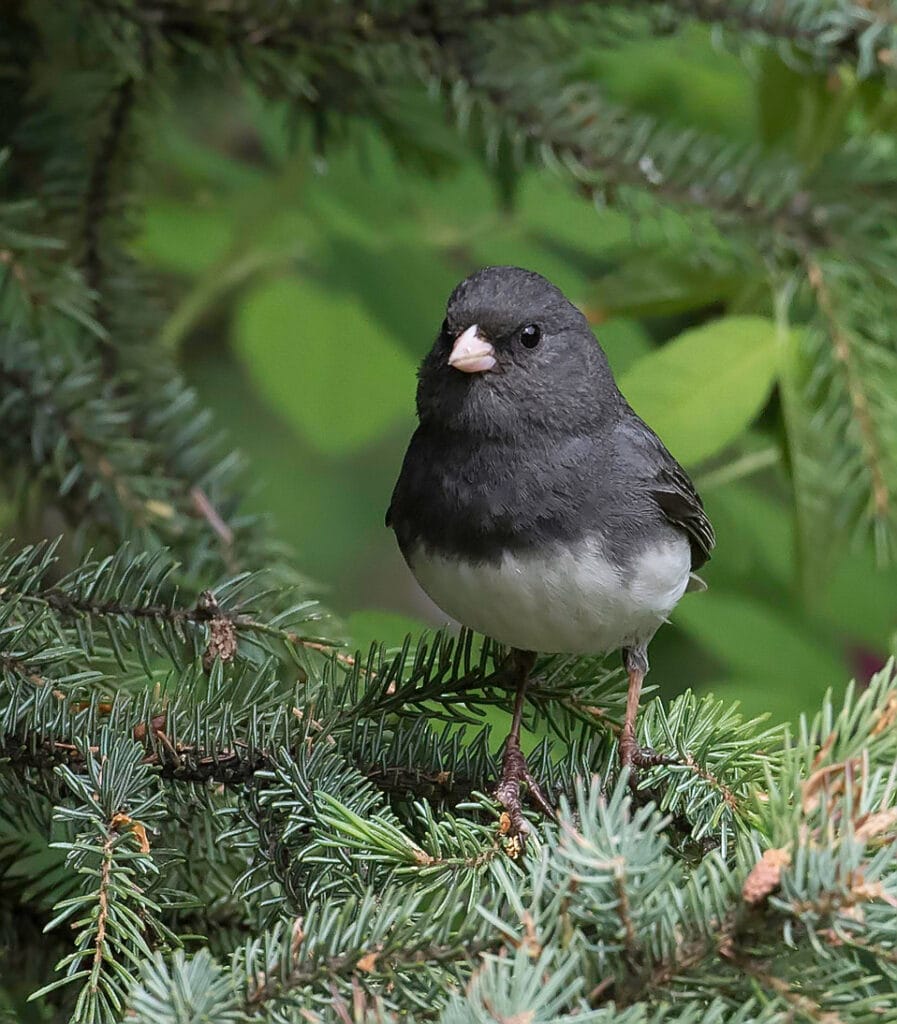
The Dark-Eyed Junco is a common bird across the United States and is considered a winter guest in Maryland, though some populations reside in the Appalachian Mountains year-round, including parts of Garrett County. These small, dark gray birds are often seen foraging on lawns for discarded seeds. During the breeding season, their diet expands to include ants, flies, wasps, and caterpillars, contributing to insect control.
To attract Dark-Eyed Juncos, feeders filled with sunflower seeds and millet are recommended. They are also known to build nests in sheltered locations, sometimes underneath buildings, indicating their preference for secure and protected nesting sites. Their distinctive white tail feathers, flashed during flight, are a key identifying feature. Their presence in winter adds a touch of avian activity during the colder months, and their seed-eating habits can help clear fallen seeds from feeders.
10. The Blue Jay: An Intelligent and Territorial Songbird
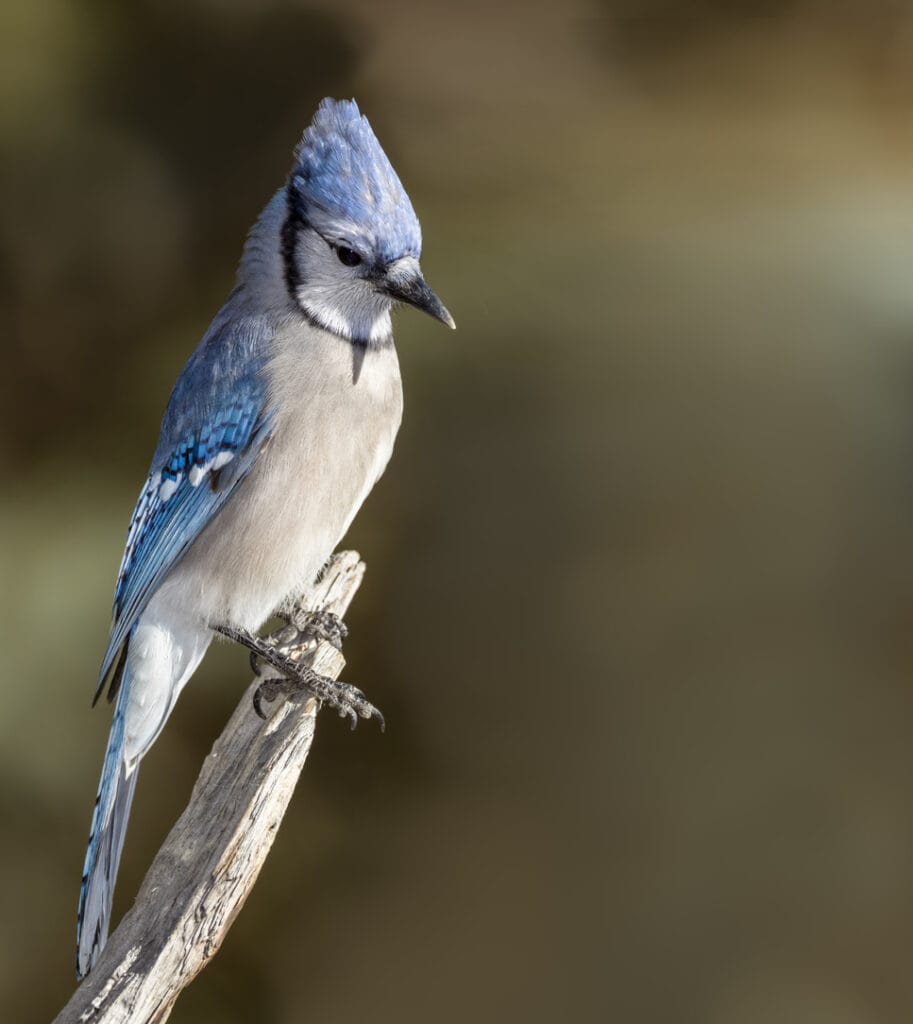
The Blue Jay is a large songbird found year-round in Maryland. They are known for their intelligence and their territorial, and sometimes aggressive, behavior, particularly when defending their territory or in the presence of predators like hawks. Their striking bright blue plumage, accented with black markings, makes them easily recognizable.
Blue Jays are attracted to backyards with oak trees, as acorns are a significant part of their diet. They also appreciate feeders stocked with sunflower seeds, suet, and peanuts. Their vocalizations are varied and can include a wide range of calls, from clear whistles to harsh screeches. Their intelligence allows them to adapt to various food sources and environments, making them a common sight in both urban and rural settings. Their presence often indicates a healthy forest ecosystem, as they rely on trees for food and shelter.
11. The Red-Bellied Woodpecker: A Vibrant Drummer and Forager
The Red-Bellied Woodpecker is a common sight and sound in Maryland, often spotted in residential areas and city parks due to its distinctive, loud call. This woodpecker features a white body with black markings on its back and a prominent bright red cap. Their diet is varied, consisting of insects, fruits, and nuts.
Red-Bellied Woodpeckers are skilled foragers and are particularly drawn to dead trees in backyards, where they can access insects. During winter, feeders filled with suet and peanuts are attractive. Interestingly, they have also been observed drinking nectar from hummingbird feeders, showcasing their adaptability to different food sources. Their presence is a good indicator of a healthy forest environment with mature trees that provide ample foraging opportunities.
12. The White-Breasted Nuthatch: An Agile Tree-Dweller
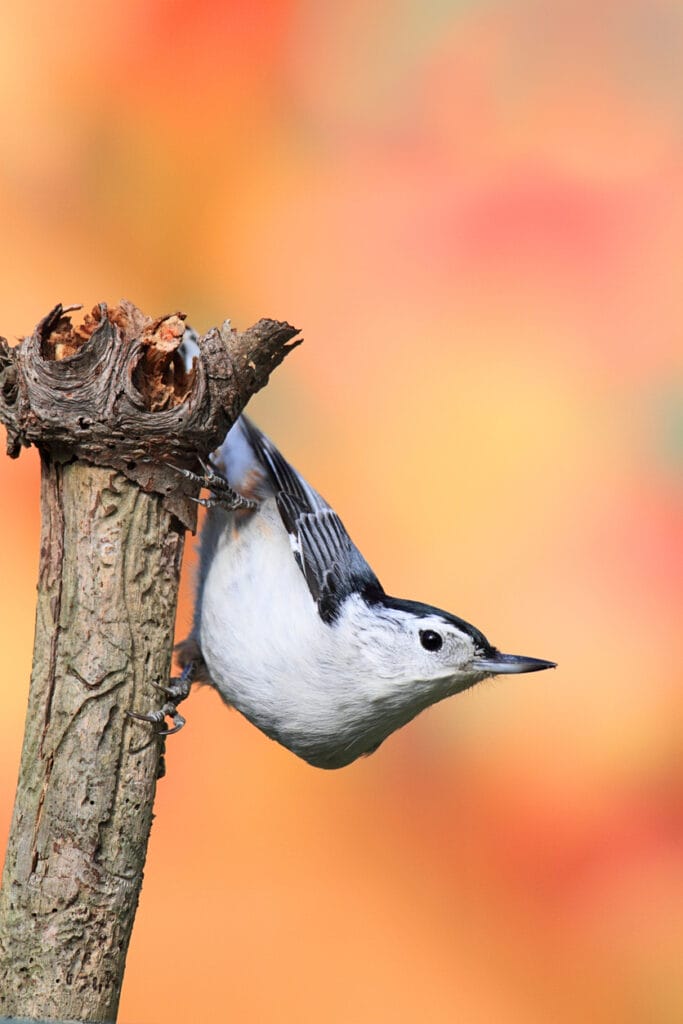
The White-Breasted Nuthatch is a common bird in Maryland, easily identified by its gray-blue body and striking white face. True to their name, these agile birds are known for their unique foraging behavior, often creeping down tree trunks headfirst while searching for nuts and insects. Their name also hints at their habit of wedging nuts into crevices of trees to break them open.

To attract White-Breasted Nuthatches, providing a nut-bearing tree in the backyard is beneficial. Feeders stocked with peanuts, sunflower seeds, or suet are also highly effective. These birds are social and often cooperate with chickadees in their search for food, creating a dynamic foraging environment. Their distinctive nasal call is a familiar sound in wooded areas and backyards.
13. The Mourning Dove: A Ground-Foraging Seed Specialist
The Mourning Dove is a widespread and abundant bird in Maryland, largely due to its remarkable adaptability. These doves are most frequently observed spending their time foraging for seeds on the ground. Their plumage is a blend of brown-buff, tan, and subtle black spots, and they are easily recognized by their gentle, mournful cooing sound. They are often seen perched on telephone wires in residential areas.
Attracting Mourning Doves to a backyard is relatively simple. Spilling a small amount of millet on the ground can provide a reliable food source. Their diet consists primarily of seeds, and their presence can indicate a healthy seed supply in the surrounding environment. Their adaptability allows them to thrive in a variety of habitats, from open fields to urban parks, making them a constant and familiar presence in the Maryland landscape.
14. The Common Grackle: A Striking Iridescent Bird
The Common Grackle, while appearing black from a distance, reveals a stunning bronzy iridescence on its body and a purple-hued head upon closer inspection, making it a noticeable bird in any backyard flock. These resourceful birds are adaptable and can be found in various habitats.
To attract Common Grackles, bird feeders filled with a mixture of grains and seeds are effective. It is also recommended to spread some seeds on the ground to accommodate smaller bird species. However, Common Grackles can sometimes become a nuisance in residential areas, as large flocks can gather and exhibit aggressive feeding behavior. They often roost communally with other blackbird species, creating impressive displays of synchronized flight. Their presence in large numbers can sometimes displace smaller bird species from feeders.
15. The Eastern Bluebird: A Jewel-Toned Forest Dweller
The Eastern Bluebird is a striking bird that favors open, wooded areas and farm fields, making it a welcome visitor to backyards in such environments. Males are characterized by their deep blue upperparts and brick-red chests, while females are a more subdued grayish hue. These bluebirds are often seen perched on telephone wires, scanning the ground for their preferred prey, which includes caterpillars, spiders, and beetles.
To attract Eastern Bluebirds, offering mealworms in a backyard feeder is highly recommended. They also readily accept nest boxes, particularly in areas with unobstructed views and minimal tall trees or buildings. Their presence is an indicator of a healthy insect population and suitable nesting habitat. The Eastern Bluebird’s vibrant coloration and gentle nature make them a highly sought-after backyard bird for many residents.
16. The Ruby-Throated Hummingbird: A Tiny Marvel of Aerial Acrobatics
The Ruby-Throated Hummingbird is a returning visitor to Maryland each year, gracing backyards with its presence. These tiny birds are renowned for their dazzling emerald green bodies, golden-green tinges, and white-gray underparts, with males sporting a vibrant red throat. They are masters of aerial acrobatics, capable of hovering in mid-air, flying backward, and changing direction with astonishing speed and precision.
To attract these energetic flyers, planting tubular flowers is a great strategy. Additionally, hummingbird feeders filled with homemade nectar (a simple mixture of one part white sugar to four parts water, boiled and cooled) can make a backyard an irresistible destination. Their rapid wing beats and darting flight patterns are a captivating sight, and their presence signifies a healthy floral ecosystem capable of supporting their high-energy needs.

The Broader Ecological Significance and Wrap-Up
The presence of these 16 backyard birds, and indeed the hundreds of other species found in Maryland, underscores their vital role in the state’s ecological health. They are not merely decorative elements but active participants in pest control, pollination, and the overall balance of the natural world. Creating bird-friendly habitats through thoughtful landscaping and appropriate feeding strategies is an investment in local biodiversity and ecosystem resilience.
Most of these species are adaptable and often coexist peacefully, allowing for hours of enjoyable birdwatching as they interact with each other. The opportunity to observe such a rich avian tapestry from the comfort of one’s own home is a privilege, fostering a deeper connection with nature and an appreciation for the intricate web of life.
Frequently Asked Questions About Maryland’s Birds
What is the most common bird in Maryland?
While several species are very common, the American Robin is widely considered one of the most prevalent birds in Maryland. Other frequently observed species include the Northern Cardinal, the Tufted Titmouse, and the Blue Jay, all of which are well-adapted to residential environments.
What kinds of birds are in Maryland?
Maryland boasts a diverse avian population, with approximately 456 documented species. This includes a mix of year-round residents, migratory birds that pass through during seasonal journeys, and breeding populations. Notable common species beyond those listed include the American Crow, Rock Pigeon, Black-capped Chickadee, and Wood Duck, among many others.
What is the bird of Maryland?
The official bird of Maryland is the Baltimore Oriole. This choice reflects the bird’s striking beauty and its historical association with the state, having been named after Cecil Calvert, the second Lord Baltimore.
How many bird species are in Maryland?
It is estimated that over 400 bird species inhabit Maryland. This substantial number highlights the state’s importance as a migratory flyway and its varied habitats, which support a wide range of avian life throughout the year.

