


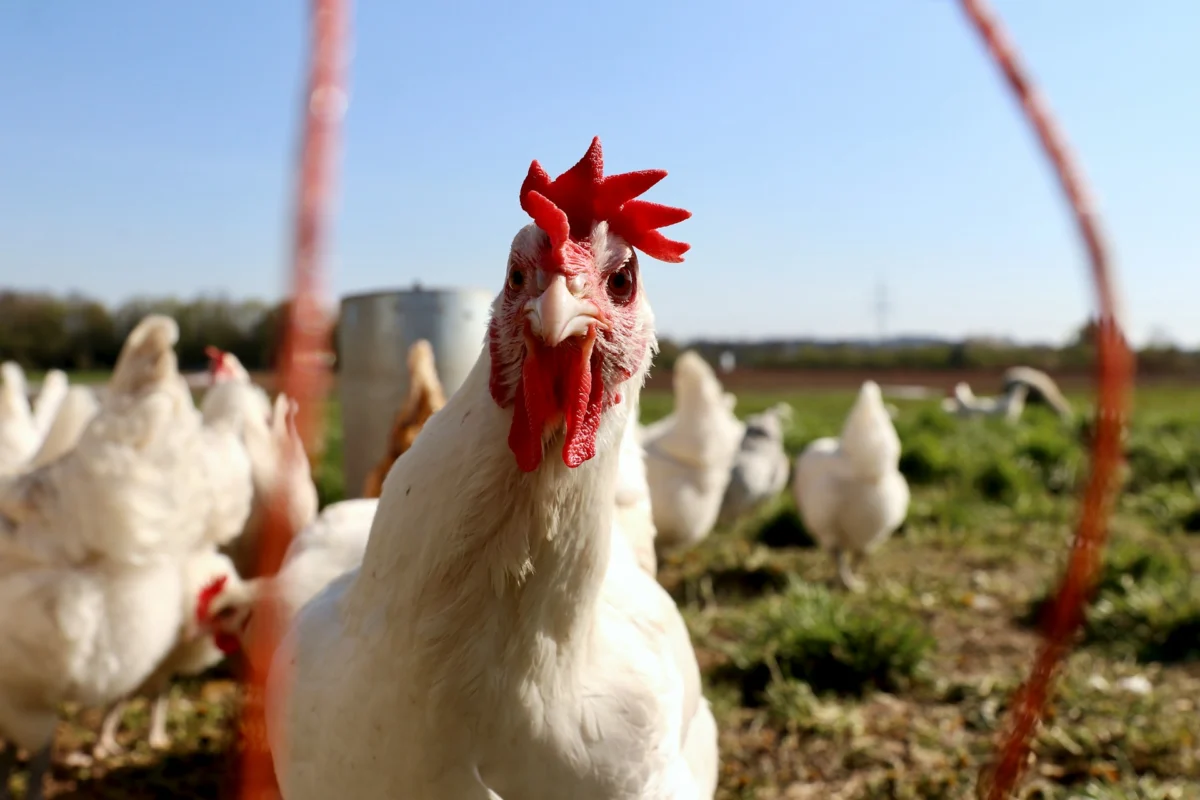
The question of whether chickens can fly has long been a subject of fascination, humor, and even cinematic adventure, famously explored in the animated classic Chicken Run. While commonly perceived as ground-dwelling birds, the reality of avian flight in domestic fowl is far more nuanced than a simple yes or no. Evidence suggests that while chickens may not take to the skies like eagles, many possess a limited, yet functional, capacity for flight, often employed as a survival mechanism. This article delves into the science, history, and behavioral science behind chicken flight, examining the breeds that excel, the evolutionary pressures that shaped their abilities, and the practical implications for poultry keepers and enthusiasts.
Understanding the Nuance: Flight, Not Flight
The common perception of chickens as flightless birds stems from a misunderstanding of what constitutes "flight." Unlike migratory birds that undertake long-distance aerial journeys, domestic chickens exhibit a form of aerial locomotion that is best described as short bursts of flight. They are incapable of sustained flight or achieving significant altitudes. However, this limited ability allows them to achieve crucial objectives, such as escaping immediate threats or gaining access to elevated perches.
The key factor determining a chicken’s flying capability is its weight-to-wing ratio. Modern domestic breeds, selectively bred over millennia for meat and egg production, have often become heavier. This increased body mass, coupled with wings that may not have been prioritized in breeding programs, reduces their aerodynamic efficiency. Consequently, many of these breeds can only manage what is termed "hop flights"—brief, upward movements that propel them a few feet into the air.
However, not all chickens are created equal in their aerial prowess. Certain breeds, particularly those that have undergone less intensive selective breeding or retain closer ties to their wild ancestors, can achieve more impressive, albeit still limited, flights. These flights are often characterized by rapid wing beats and a trajectory that allows them to clear obstacles like fences or reach low-lying branches.
A Glimpse into the Past: The Evolutionary Journey of Chicken Flight

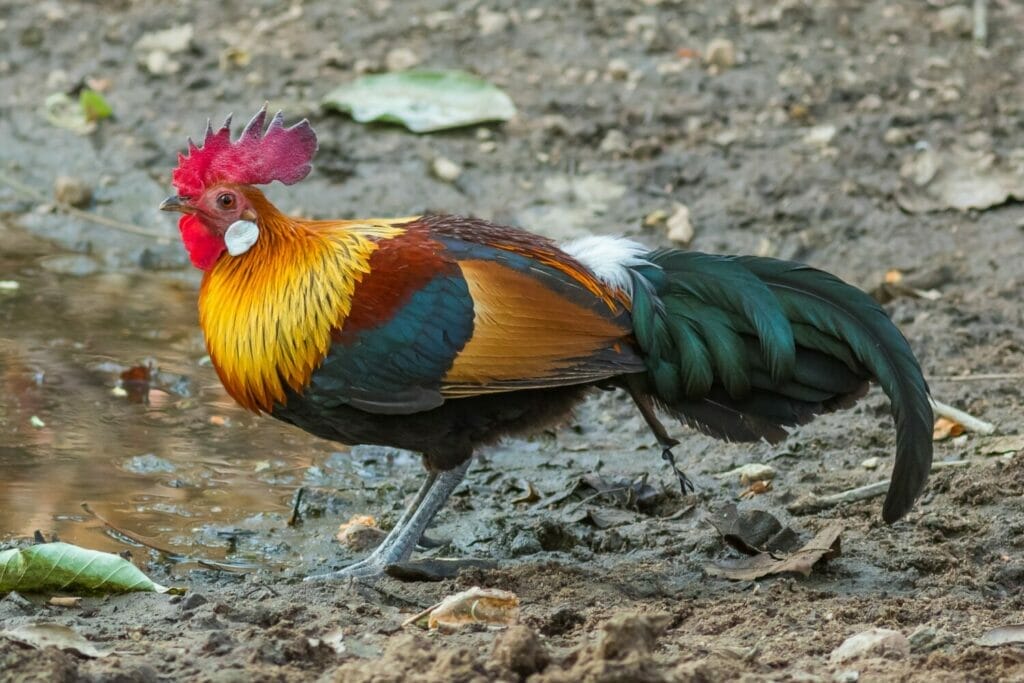
The story of chicken flight is intertwined with the domestication of their wild ancestors, the Red Junglefowl (Gallus gallus). Archaeological evidence, including chicken bones discovered in China dating back at least 7,400 years and in India around 5,000 years ago, points to a long history of human interaction with these birds. Initially, humans captured and utilized wild junglefowl for food, ceremonial purposes, and even for cockfighting.
The Red Junglefowl, though possessing wings, were not powerful fliers. Their primary method of escaping predators and finding roosting spots involved seeking refuge in the dense foliage of jungle canopies. They could reach the lower branches of trees, offering a degree of safety from ground-based threats. This ancestral trait of limited flight capability laid the foundation for the aerial abilities of their descendants.
As domestication progressed, humans began selectively breeding chickens. This process, driven by the desire for increased meat yield and egg production, inadvertently led to a decline in the natural flying abilities of many breeds. The focus shifted away from traits like agility and flight efficiency towards rapid growth and high output. Over generations, this selective pressure resulted in chickens that were heavier and less inclined towards aerial movement.
Furthermore, the environment in which domesticated chickens are kept has also influenced their flying habits. Living in close proximity to humans, often within coops or enclosed runs, has reduced the evolutionary need for strong flight capabilities. Predators are typically managed, and food is readily available, diminishing the impetus for chickens to develop sophisticated escape mechanisms involving flight.
Modern Aerialists: Breeds with Notable Flying Abilities
Despite the general trend towards reduced flight in many domesticated breeds, several stand out for their retained or enhanced aerial capabilities. These are often breeds that are less intensively farmed for commercial purposes or those that have specific genetic traits favoring agility.
-
Mediterranean Breeds: Chickens originating from the Mediterranean region, such as Leghorns and Minorcas, are frequently cited as excellent fliers. These breeds tend to be leaner and possess a more favorable weight-to-wing ratio. Their active nature and natural inclination to forage and explore contribute to their greater ability to utilize their wings. Brown Leghorns, for instance, are known for their energetic disposition and their capacity to fly over fences when necessary.
-
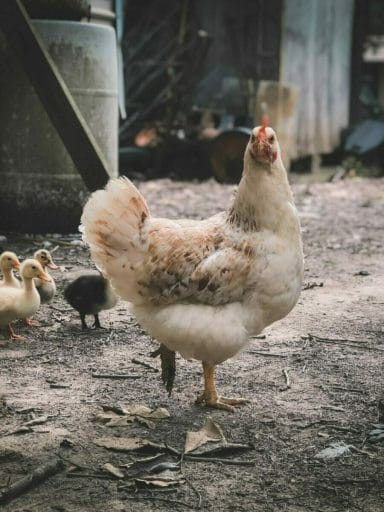
Heritage Breeds: Many heritage chicken breeds, which have been preserved from older lineages, often exhibit better flying skills than their modern counterparts. These breeds have not been subjected to the same degree of selective breeding for meat and egg production, thus retaining more of their ancestral traits. La Fleche, a French breed known for its distinctive devil-like horns, is one such example of a heritage breed with notable flying capabilities.
-
Breda and Bantam Fowl: These breeds are particularly known for a behavior called "burst flight." When sensing immediate danger, they can launch themselves into the air from a stationary position. This explosive upward movement is a rapid escape tactic, allowing them to momentarily evade a predator. This behavior is thought to be an echo of ancient avian survival strategies, demonstrating a connection to prehistoric flight patterns.
The ability to fly, even for short distances, can be a crucial survival advantage for these breeds. It allows them to escape perceived threats, access higher ground for safety, or simply navigate their environment more effectively.
The Science of Chicken Flight: Biomechanics and Behavior
The mechanics of chicken flight, while limited, involve a complex interplay of muscle, bone, and feather structure. The pectoral muscles, responsible for powering wing beats, are present in chickens, though they are less developed than in birds capable of sustained flight. The shape and size of the wings, combined with the bird’s overall body mass, dictate the efficiency and duration of their aerial maneuvers.
Burst Flight: This is a common flight pattern observed in many chickens, especially when startled. It involves a rapid extension of the wings and a powerful upward thrust, propelling the bird a short distance into the air. This is not a graceful ascent but rather a reactive burst designed for immediate escape. The flight is typically short-lived, lasting only a few seconds before the chicken returns to the ground. This tactic is particularly effective against ground predators, providing a momentary advantage.
Glide Flight: In some instances, a chicken’s limited flight might be described as a glide. This occurs when the bird is already in motion, perhaps jumping from an elevated surface, and uses its wings to extend its forward momentum in the air without continuous flapping. This type of movement allows them to cover slightly more horizontal distance than a simple hop.
Behavioral Triggers for Flight:
Several factors can trigger a chicken to fly:
-
Predator Evasion: This is the most common reason for chickens to take flight. When a chicken perceives a threat, such as a fox, hawk, or even a domestic dog, its instinct is to escape. Flight provides a quick way to gain distance or altitude, putting obstacles between itself and the predator.
-
Seeking Higher Ground: Chickens naturally seek higher perches for roosting at night, which offers a degree of safety from predators. They may use short flights to reach these elevated spots, such as fences, coop roofs, or sturdy branches.
-
Curiosity and Exploration: While less common, some chickens may use their limited flight to explore their surroundings or investigate new stimuli. This is more likely in environments where there are interesting features to observe or reach.
-
Overcrowding: In instances of severe overcrowding within a coop, some chickens may attempt to fly to escape the confined space and seek out more room. This is often a sign of poor husbandry and can lead to stress and aggression within the flock.
Broader Implications for Poultry Management and Conservation
The understanding of chicken flight capabilities has practical implications for poultry keepers, conservationists, and even animal welfare advocates.
-
Coop Design and Security: For those keeping chickens, particularly breeds with good flying abilities, secure enclosures are paramount. Fences need to be sufficiently high, and coops should be designed to prevent escape. This is not just about containment but also about protecting the birds from external threats.
-
Breed Selection: Prospective chicken owners who desire birds with more active and potentially aerial behaviors might opt for heritage breeds or specific Mediterranean breeds. Conversely, those seeking calmer, more sedentary birds might choose breeds known for their heavier builds.
-
Conservation of Heritage Breeds: The study of flight in heritage breeds highlights their genetic distinctiveness. Preserving these breeds is not just about maintaining diversity but also about safeguarding a wider range of natural behaviors and physical attributes that may have been lost in commercial lines. This can contribute to a more robust understanding of avian evolution and adaptation.
-
Animal Welfare: Understanding a chicken’s natural behaviors, including its capacity for flight, is crucial for ensuring its welfare. Overcrowded conditions that prevent natural behaviors like seeking higher ground or escaping perceived threats are detrimental to a chicken’s well-being.
Conclusion: More Than Just a Ground Bird
While the image of a chicken soaring through the clouds remains firmly in the realm of fantasy, the reality of their aerial capabilities is far more intriguing. Chickens are not entirely flightless; they possess a spectrum of abilities that allow them to engage in short bursts of flight, primarily as a means of survival. The degree to which they can fly is influenced by their breed, genetics, and the selective pressures of domestication. From the rapid escape tactics of Breda fowl to the more sustained, albeit limited, flights of Leghorns, these birds demonstrate a fascinating adaptation that has allowed them to persist alongside humans for millennia. Recognizing and understanding these abilities enriches our appreciation for the complexity of the domestic chicken and underscores the importance of providing them with environments that allow for the expression of their natural behaviors. The next time you see a chicken, remember that beneath its grounded demeanor lies a creature with a surprising, albeit brief, connection to the skies.

