


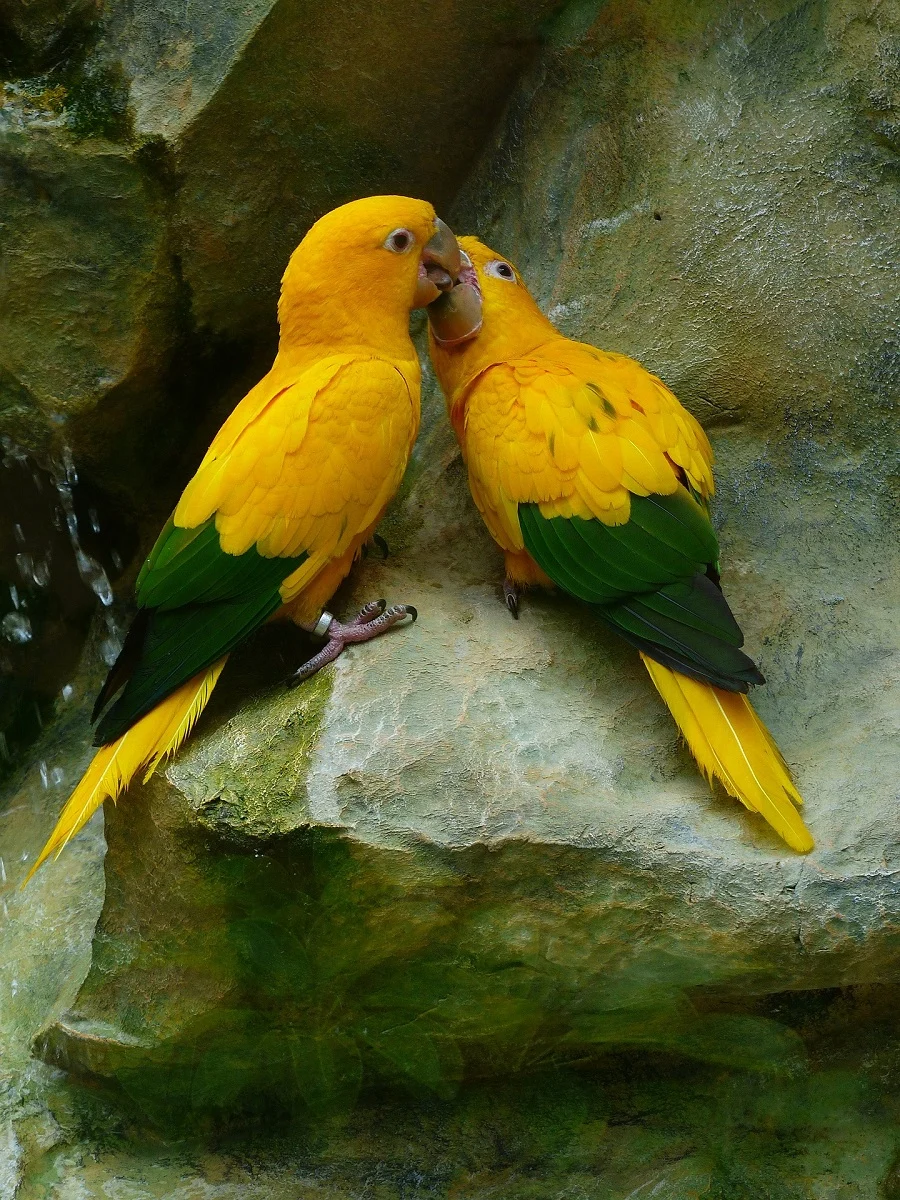
The Golden Conure, often celebrated as the "Queen of Bavaria Conure" or Golden Parakeet, stands out as one of the most visually striking and sought-after avian companions in the parrot family. With its resplendent, uniform golden plumage, this medium-sized parrot, scientifically known as Guaruba guarouba, captivates enthusiasts and ornithologists alike. However, beyond its undeniable beauty, the species faces significant conservation challenges in its native Brazilian Amazon Basin, making responsible ownership and awareness of its natural history paramount. This article delves into the intricate world of the Golden Conure, exploring its physical characteristics, taxonomic journey, natural habitat, dietary needs, social behaviors, and the critical efforts required for its survival, both in the wild and in captivity.
Physical Characteristics: The Radiance of the Golden Conure
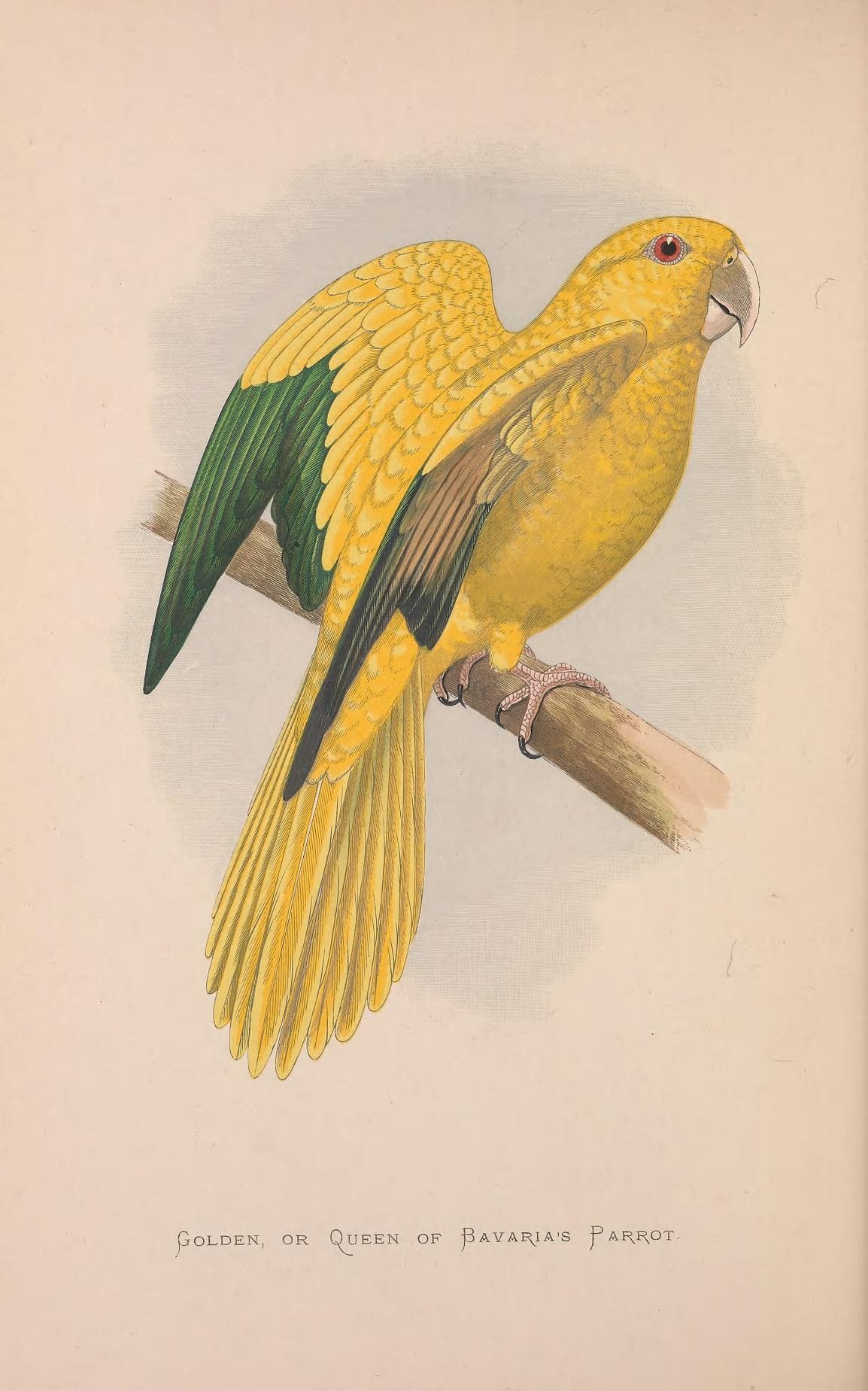
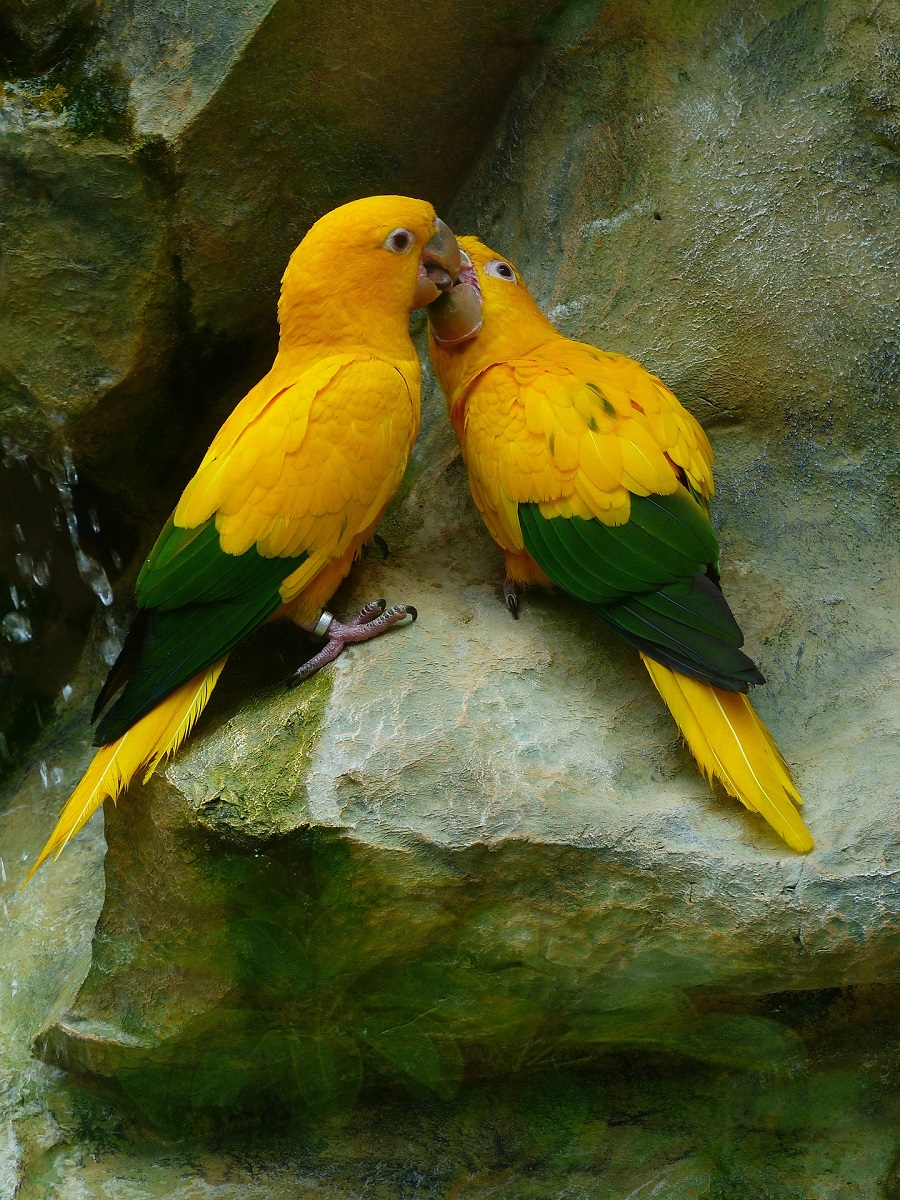
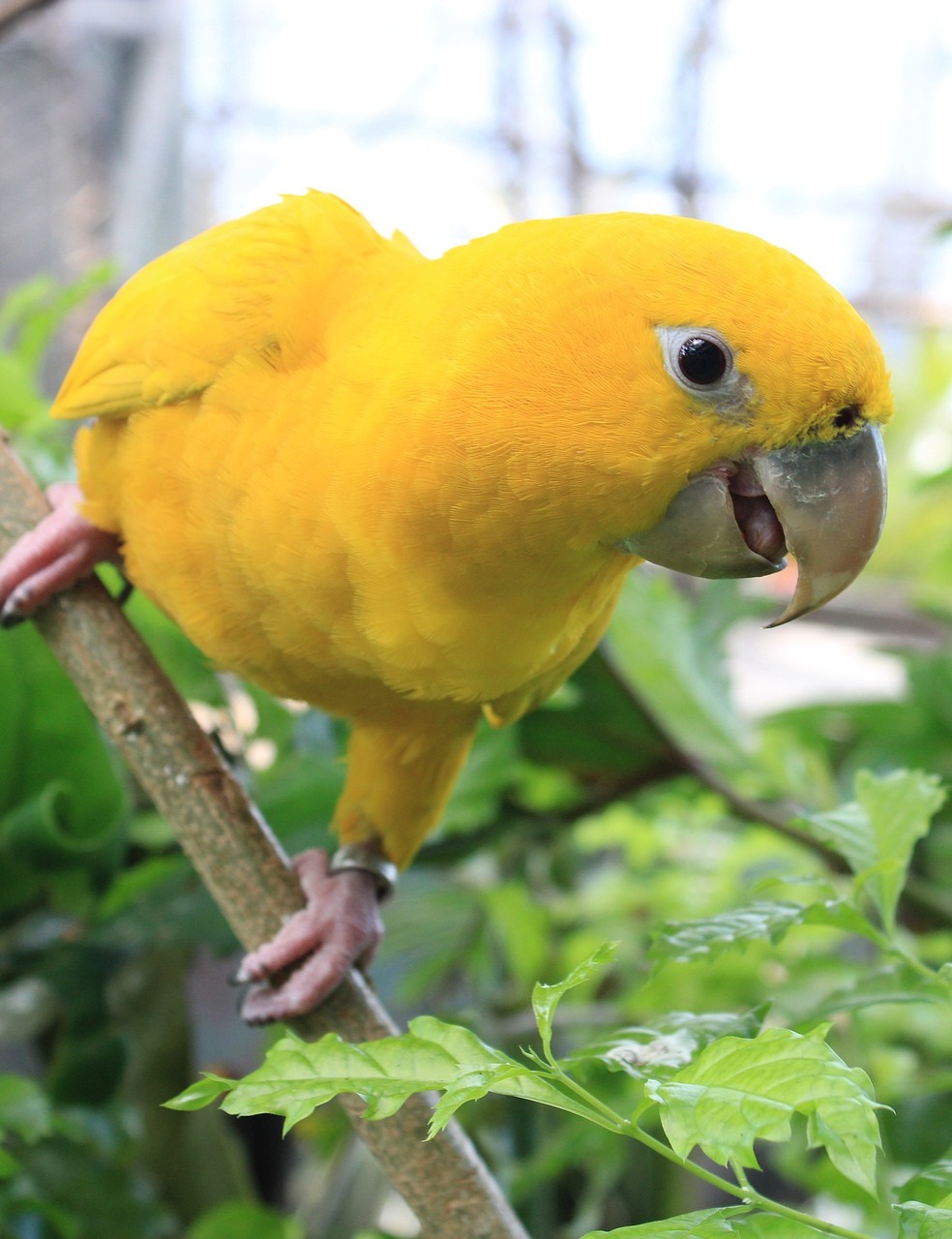
The Golden Conure’s allure primarily stems from its breathtaking appearance. Adults are almost entirely adorned in a brilliant, vivid yellow, a hue so intense it gives the bird its regal "Queen of Bavaria" moniker. The only deviation from this golden spectacle is found on the tips of their flight feathers, which are typically dark green, providing a subtle, yet elegant contrast. This distinctive coloration makes them easily recognizable and contributes to their status as a visual marvel within the parrot kingdom.
Measuring approximately 14 inches (35 cm) in length from beak to tail, and weighing an average of 250 grams, the Golden Conure is a robustly built parrot. It possesses a proportionally large, horn-colored beak, perfectly adapted for cracking nuts and seeds. Their eyes are typically dark, often framed by a pale periophthalmic ring, giving them an alert and intelligent expression. Unlike many bird species, the Golden Conure exhibits no significant sexual dimorphism; males and females are visually indistinguishable. Determining the sex of an individual bird requires a DNA test, usually performed via a feather or blood sample, which is a common practice among breeders and owners.
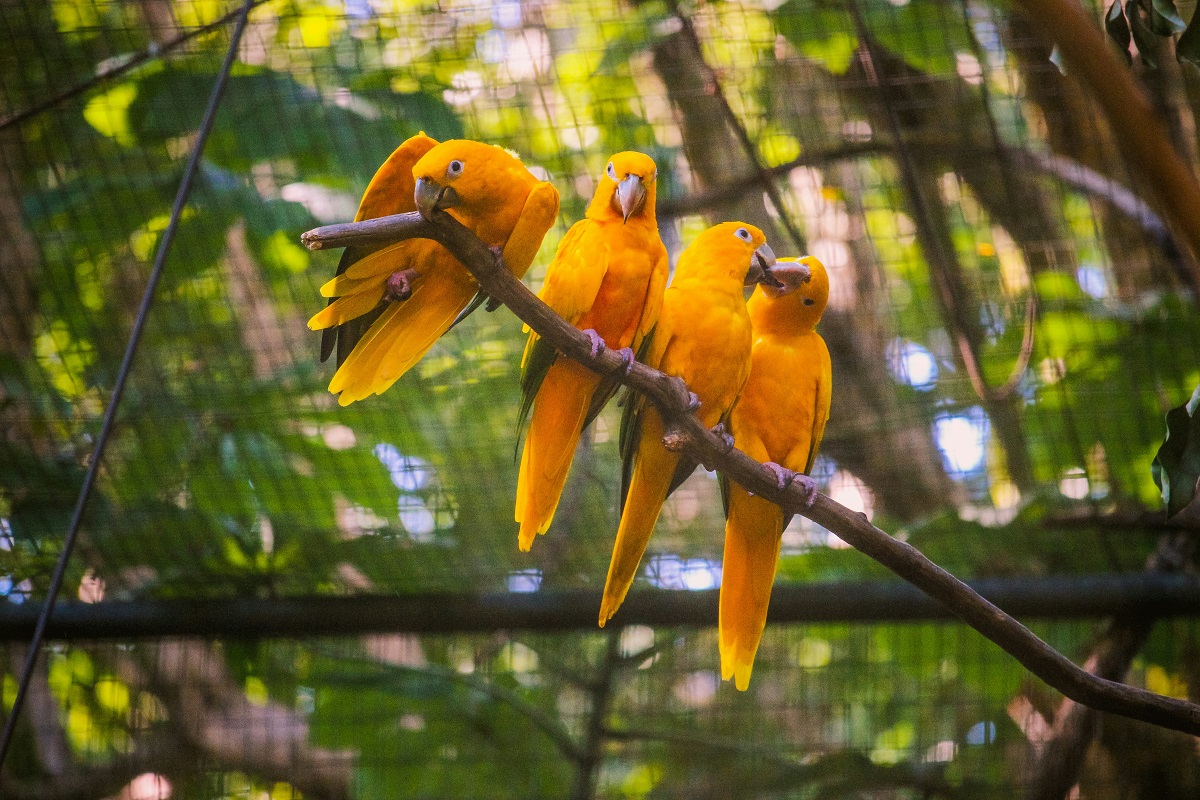
Juvenile Golden Conures present a slightly different plumage. Young birds display a more mottled appearance, with a greater presence of green feathers, particularly on the wings, and often speckled across their backs and heads. This greener coloration gradually recedes as they mature, giving way to the iconic golden adult plumage over their first year or two. This developmental stage serves as a natural camouflage in the dense canopy before they fully express their radiant adult colors.
A Journey Through Scientific Nomenclature: Understanding Taxonomy
The scientific classification of species is a dynamic field, constantly evolving with new discoveries and technological advancements. The Golden Conure’s taxonomic history is a testament to this complexity, marked by several reclassifications as ornithologists refined their understanding of avian evolutionary relationships. Initially, the species was placed within the genus Conurus, then Eupsittula, and later Aratinga. These early classifications were primarily based on morphological similarities, grouping the Golden Conure with other conure species that shared superficial resemblances.
However, a growing body of evidence suggested that the Golden Conure possessed unique characteristics that warranted its own distinct genus. Ornithologist Joseph Forshaw, a renowned expert in parrots, played a pivotal role in solidifying its current scientific designation. In his seminal 2006 guide, "Parrots of the World," Forshaw listed the species as Guaruba guarouba, a classification that has since gained widespread acceptance.
This shift was not merely an arbitrary change but was underpinned by rigorous phylogenetic studies. A significant 2006 article published in Systematic Biology, utilizing mitochondrial and nuclear DNA sequences, confirmed that Guaruba guarouba is genetically distinct. Surprisingly, these studies revealed that Guaruba is more closely related to the red-shouldered macaws of the genus Diopsittaca than to the Aratinga conures with which it was previously grouped. This reclassification highlights the power of molecular biology in unveiling hidden evolutionary pathways and correcting long-held assumptions based solely on visual traits. The accurate classification is crucial not only for scientific understanding but also for informing conservation strategies, as it helps define unique evolutionary lineages that require specific protection.
Natural Habitat and Conservation Status: A Vulnerable Amazonian Jewel
The Golden Conure is endemic to the lush, biodiverse regions of the Brazilian Amazon Basin. Its natural range is primarily concentrated in the state of Pará, with possible extensions into neighboring Maranhão. Within this vast rainforest ecosystem, these parrots exhibit a preference for specific habitats. They predominantly inhabit dry lowland, or "terra firme," forests, which are non-flooded areas characterized by mature, dense tree cover. However, they are also known to venture into seasonally flooded areas, known as "várzea," particularly during periods when food resources are abundant there.
A notable aspect of their ecology is their nomadic behavior. Observations indicate that Golden Conures often move seasonally, leaving the deep jungle for less dense zones, especially during their breeding season. This nomadic lifestyle is likely driven by the patchy and seasonal availability of food resources across the vast Amazonian landscape, compelling them to follow fruit ripening cycles.
Nesting habits of the Golden Conure are equally fascinating. They typically construct their nests in relatively isolated hollow trees, sometimes repurposing and enlarging cavities previously used by other species. A unique characteristic of their breeding strategy is communal egg-laying, where often multiple female Golden Conures lay their eggs in the same nest. This cooperative breeding can result in clutches containing ten or more eggs, a remarkable number for a parrot. While the exact evolutionary advantages of this behavior are still being studied, it is believed to contribute to greater chick survival rates through shared incubation and parental care.
Despite their resilience and unique breeding strategies, the Golden Conure faces severe threats, leading to its classification as a "Vulnerable" species on the IUCN Red List. Historically, trapping for the international pet trade significantly impacted wild populations. While commercial trapping has reportedly decreased due to increased conservation efforts and legal protections, the species continues to grapple with habitat destruction and fragmentation. Large-scale deforestation for agriculture (cattle ranching, soy plantations), illegal logging, mining operations, and infrastructure development (roads, hydroelectric dams) are relentlessly encroaching upon their limited habitat. This habitat loss not only reduces the available area for the birds but also fragments existing populations, isolating them and making them more susceptible to localized extinctions.
Cultural Significance: The "Ararajuba"
Beyond its ecological role, the Golden Conure holds deep cultural significance for indigenous populations in Brazil. Locally referred to as "Ararajuba," meaning "yellow macaw" or "golden parrot," its vibrant feathers have long been prized for ceremonial adornments and decorative purposes. This cultural value underscores the bird’s intrinsic worth to the region’s heritage. Helmut Sick’s "Ornitologia Brasileira" even recounts instances where other conure species were dyed yellow and sold at local markets, highlighting the intense desire for the Ararajuba’s golden plumage and its perceived value. This historical and cultural connection further emphasizes the importance of protecting this iconic species.
Dietary Requirements: Fueling the Golden Glow
The diet of the Golden Conure, both in the wild and in captivity, is a critical factor in maintaining its health and vibrant plumage. Understanding their natural foraging behaviors informs best practices for captive care.
Wild Diet:
In their natural Amazonian habitat, Golden Conures enjoy a diverse and seasonally varied diet, primarily consisting of fruits. Scientific studies have identified their favorites, including the nutrient-rich fruits of açaí and bacaba palms, as well as fruits from cashew, ice cream bean, nance, and locustberry trees. These fruits provide essential vitamins, minerals, and carbohydrates. Beyond fruits, they also consume flowers and flower buds, which offer additional nutritional components. Like many parrot species that inhabit agricultural areas, wild Golden Conures are known to occasionally raid local farmers’ crops, showing a particular fondness for corn and mango. Their role as seed dispersers, inadvertently planting seeds as they consume fruits, is vital for the regeneration of the Amazonian forest.
Captive Diet:
For Golden Conures kept as pets, replicating the nutritional variety of their wild diet is crucial. The cornerstone of a healthy captive diet should be high-quality parrot pellets. Unlike traditional dry seed mixes, which are often high in fat and allow birds to selectively eat less nutritious components, pellets are formulated to provide a balanced and complete nutritional profile in every bite. While they may appear less exciting, pellets ensure the bird receives all necessary vitamins and minerals, reducing the risk of dietary deficiencies.
To supplement pellets and provide both nutritional and psychological enrichment, a wide array of fresh foods should be offered daily. These include:
- Vegetables: Dark leafy greens (kale, spinach in moderation, romaine lettuce), broccoli, carrots, bell peppers, sweet potatoes, peas, corn, zucchini, green beans.
- Fruits: Apples (without seeds), berries (blueberries, raspberries, strawberries), melons (cantaloupe, honeydew), oranges, mangoes, papayas, bananas, grapes.
- Legumes/Grains: Cooked beans (lentils, chickpeas, kidney beans), cooked brown rice, whole-wheat pasta.
- Small amounts of healthy fats: Unsalted nuts (almonds, walnuts, pecans – sparingly due to high-fat content), cooked chicken or fish (very occasionally as a protein source).
It is equally important to be aware of foods that are toxic or harmful to parrots, such as avocado, chocolate, alcohol, caffeine, fruit seeds (apple, cherry, peach), onions, garlic, and heavily processed human foods. A varied, fresh diet, combined with a high

