


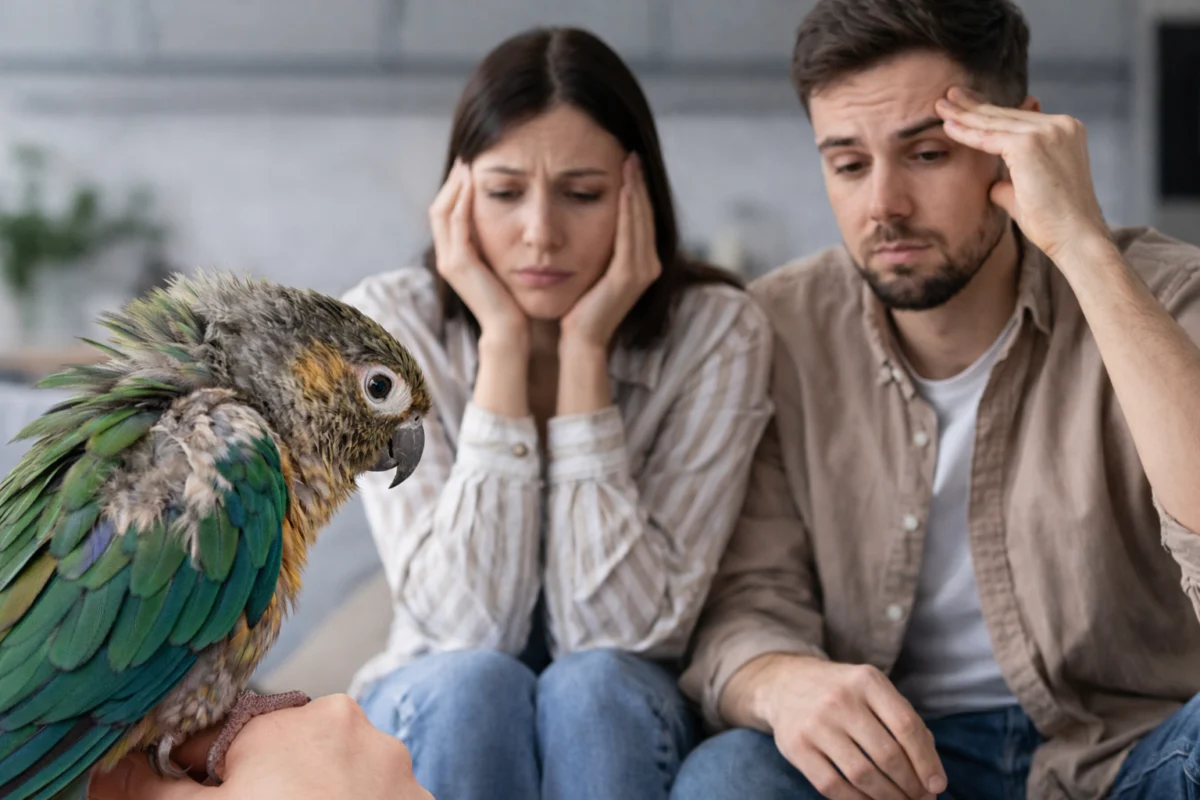
Persistent feather and skin problems in pet birds are not sudden occurrences but rather a gradual deterioration that unfolds over weeks or months, often leading owners to a state of profound concern and repeated, uneasy questions. These are not merely "rough feather days" but rather protracted cycles of feathers falling out, regrowing poorly, or causing relentless irritation, prompting inquiries such as, "Is this molting or plucking?", "Why does this never seem to end?", and "Why won’t these feathers just heal?" This comprehensive guide is tailored for that critical juncture – a moment of recognition beyond initial alarm, focusing on understanding why a bird’s natural repair mechanisms are failing and identifying the actionable steps necessary for recovery. It delves into observable bird behavior, the physiological underpinnings of feather health, and the appropriate timing for medical and behavioral interventions, emphasizing that behavioral modification only becomes relevant once all potential medical causes have been thoroughly investigated and ruled out.
Understanding the Avian Integumentary System
The integumentary system, encompassing feathers, skin, beak, and claws, is the largest organ system in birds and plays a crucial role in thermoregulation, flight, protection, and communication. Feathers, in particular, are complex epidermal outgrowths made primarily of keratin, a fibrous structural protein. Their growth is an energy-intensive process, demanding significant nutritional resources and precise hormonal regulation. A healthy feather coat is indicative of a bird’s overall well-being, reflecting its nutritional status, environmental conditions, and stress levels. Disruptions to this delicate balance can manifest as chronic feather and skin issues, ranging from prolonged or abnormal molts to self-mutilation and feather destructive behaviors (FDB).
The Molt Cycle: A Natural Phenomenon
Molting is a vital physiological process wherein birds periodically shed old, worn-out feathers and replace them with new ones. This natural cycle is essential for maintaining feather integrity, insulation, and flight efficiency. A normal molt typically occurs once or twice a year, influenced by factors such as species, age, photoperiod (light cycles), temperature, nutrition, and hormonal fluctuations. During a healthy molt, an owner might observe a gradual shedding of feathers, the emergence of new pin feathers (encased in a keratin sheath), and a temporary period of reduced energy or mild irritation as new feathers develop. The entire process usually concludes within a few weeks to a couple of months, with the bird regaining a full, smooth, and vibrant plumage.
However, distinguishing a normal molt from a concerning feather issue is paramount. While some discomfort and a temporary "scruffy" appearance are typical during molting, certain signs should raise red flags. These include molting that appears to be non-seasonal or never-ending, the continuous presence of pin feathers without full feather maturation, feathers that grow back damaged or discolored (e.g., with "stress bars"), or areas of persistent feather loss that do not resolve. Owners might also notice excessive preening, skin irritation, or the bird actively damaging its own feathers or skin.
Identifying the Warning Signs: Beyond a "Rough Feather Day"
Owners often first notice a pattern, not an isolated incident. This progression typically begins with subtle observations: a few more feathers on the cage floor than usual, perhaps a slightly duller coat, or increased preening activity. Over time, these observations coalesce into a worrying trend. The cycle of feathers falling, growing back poorly, causing irritation, and then falling again becomes a frustrating and distressing routine.
Common Observations that Raise Concern:
- Prolonged or Atypical Molting: A molt that extends beyond the species-specific normal duration (typically 2-4 months) or occurs outside of predictable seasonal patterns.
- Continuous Pin Feathers: The constant presence of pin feathers that never fully mature and open, suggesting a disruption in the growth cycle.
- Poor Feather Quality: New feathers emerging with visible defects such as stress bars (horizontal lines or bands indicating periods of stress or nutritional deficiency during growth), frayed tips, dull coloration, or unusual textures.
- Skin Irritation: Red, inflamed, scaly, or dry skin, often accompanied by excessive scratching, rubbing, or self-preening.
- Feather Damage/Loss: Noticeable bald patches, chewed or broken feathers, or feathers that appear pulled out rather than naturally shed.
- Behavioral Changes: Increased irritability, lethargy, changes in appetite, or obsessive feather manipulation.
Action Plan for Owners:
The initial step for any owner observing these patterns is to document them meticulously. Define the last time the bird exhibited fully healthy feathers. Subsequently, photograph the affected areas weekly, ensuring consistent lighting and angles. This systematic approach provides objective evidence, preventing reliance on guesswork or emotional interpretation. Such visual records are invaluable for tracking progression and for consultation with an avian veterinarian.
Medical Roots of Feather and Skin Issues
Many chronic feather and skin problems have underlying medical causes. Addressing these physiological factors is always the primary step, as behavioral issues often stem from physical discomfort or disease. According to leading avian veterinarians, a thorough diagnostic workup is critical. Dr. Susan Orosz, DVM, PhD, DABVP (Avian), emphasizes that "feather destructive behavior is a symptom, not a diagnosis. We must always rule out medical causes first, as addressing the underlying physical ailment is often the key to resolving the feather issues."
Common Medical Causes Include:
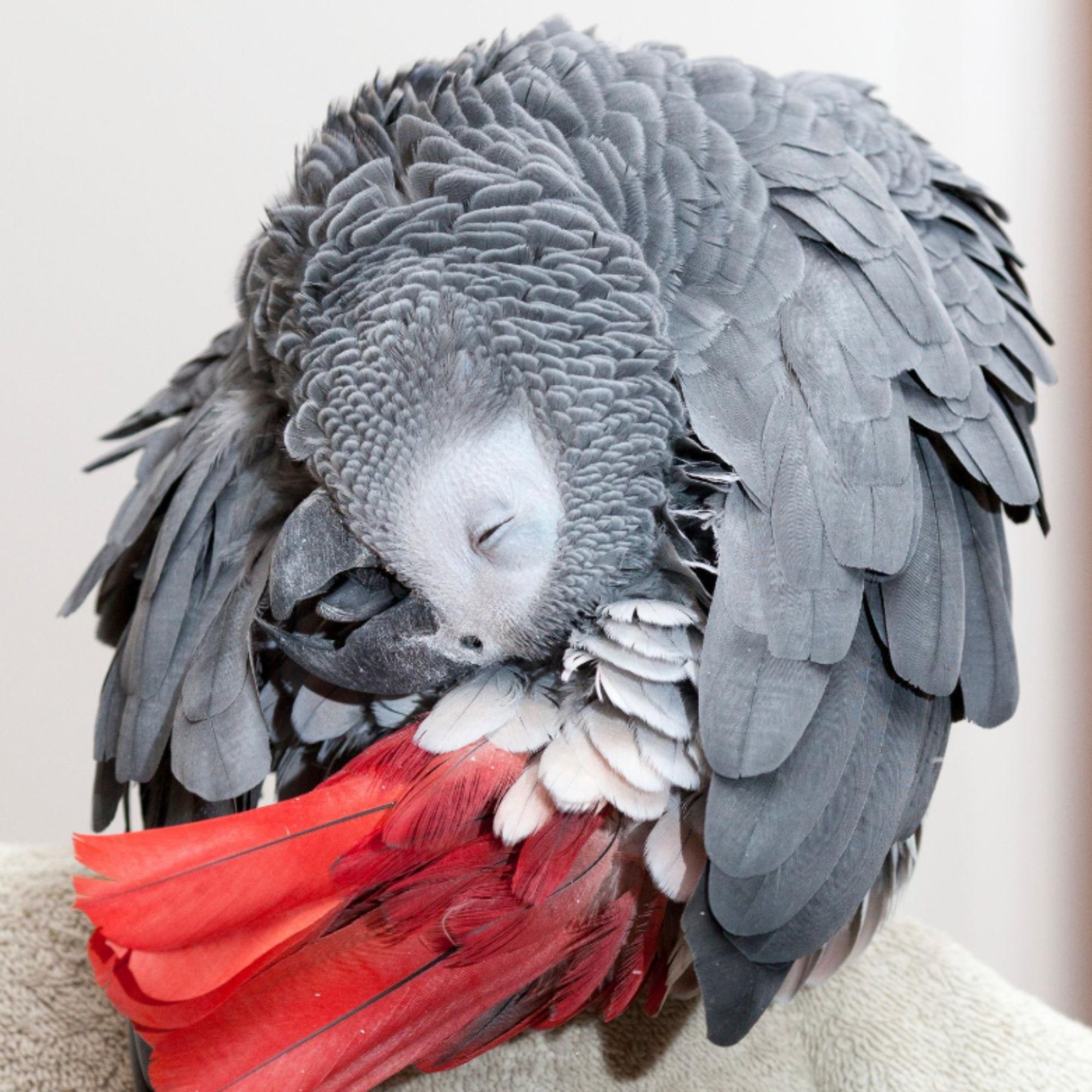
- Nutritional Deficiencies: A diet lacking essential vitamins (especially Vitamin A, D, and biotin), minerals (calcium, zinc), or amino acids (lysine, methionine) can severely impair feather growth and skin health. Seed-only diets are notoriously deficient and a common culprit.
- Internal Parasites: Giardia or other gastrointestinal parasites can lead to malabsorption, resulting in poor feather quality and skin irritation.
- External Parasites: Mites (e.g., Knemidokoptes pilae, causing scaly face/leg mites) or lice can cause intense itching, leading to feather plucking and skin damage.
- Bacterial, Fungal, or Viral Infections: Skin infections (bacterial dermatitis, yeast infections) or systemic viral diseases (e.g., Psittacine Beak and Feather Disease – PBFD, Avian Polyomavirus) can directly affect feather follicles and skin integrity.
- Organ Disease: Liver or kidney disease can manifest as poor feather quality, abnormal molting, and changes in skin texture due to metabolic disturbances.
- Hormonal Imbalances: Thyroid dysfunction or reproductive hormone imbalances can disrupt the molt cycle and feather growth.
- Allergies: While less common, environmental or food allergies can cause skin irritation and feather destructive behaviors.
- Heavy Metal Toxicity: Exposure to lead, zinc, or other heavy metals can lead to a range of clinical signs, including poor feather quality and neurological symptoms that might contribute to FDB.
- Pain or Injury: Hidden injuries, arthritis, or painful conditions can cause a bird to excessively pick at the feathers over the affected area.
The Interplay of Stress and Environment
Beyond medical conditions, environmental and psychological stressors significantly impact avian feather health. Feather regrowth itself is a metabolically demanding process, even in healthy birds. It requires substantial energy, protein, and micronutrients. When this natural physiological demand is coupled with additional stressors, the bird’s body may struggle to cope, often manifesting in compromised feather quality.
Common Environmental and Psychological Stressors:
- Inadequate Lighting: Lack of full-spectrum UV-B lighting impedes Vitamin D synthesis, crucial for calcium metabolism and overall health. Irregular or insufficient light cycles can also disrupt natural hormonal rhythms, affecting molting.
- Low Humidity: Indoor environments often have low humidity, leading to dry, itchy skin and brittle feathers, which can induce excessive preening or plucking.
- Boredom and Lack of Enrichment: Highly intelligent birds, especially parrots, require constant mental stimulation. A lack of foraging opportunities, appropriate toys, and social interaction can lead to chronic boredom, frustration, and the development of stereotypic behaviors, including FDB.
- Sleep Deprivation: Birds require 10-12 hours of uninterrupted darkness for proper rest. Disruptions to this sleep cycle can lead to chronic stress and affect physiological processes, including feather growth.
- Inconsistent Routines/Changes: Frequent changes in cage location, diet, or caregiver, or exposure to loud noises, new pets, or perceived threats can induce chronic stress.
- Inappropriate Social Interaction: Both isolation and over-handling can be stressful. Birds need appropriate social interaction with their flock (human or avian) but also periods of independence.
Diane Burroughs, LCSW, an expert in avian behavior, highlights that "growing new feathers is one of the most demanding things a bird’s body does. When a bird is already working that hard, piling additional stress on top—disrupted sleep, constant handling, environmental changes—means something has to give. Very often, it shows up first in the feathers." This perspective underscores the importance of a stable, enriching, and predictable environment.
Initial Steps for Stabilization: Prioritizing Comfort and Recovery
When faced with chronic feather issues, the immediate focus should be on stabilizing the bird’s environment and supporting its physical well-being, rather than attempting to "fix" the feathers directly. This phase is about creating an optimal healing environment and reducing physiological stress.
Key Stabilization Measures:
- Optimize Nutrition: Ensure the bird is on a high-quality, pelleted diet supplemented with fresh fruits, vegetables, and greens. Consider adding avian-specific vitamin and mineral supplements, particularly those rich in Vitamin A, D, and Omega fatty acids, under veterinary guidance.
- Provide Adequate Hydration and Bathing Opportunities: Offer fresh water daily. Encourage regular bathing (misting, shallow water dish, or shower perches) to hydrate skin and feathers, easing discomfort from emerging pin feathers.
- Ensure Proper Lighting and Sleep: Provide 10-12 hours of uninterrupted darkness nightly. Install full-spectrum UV-B lighting during daylight hours to support Vitamin D synthesis.
- Maintain Optimal Humidity: Use a humidifier if indoor air is dry, aiming for 50-60% humidity, especially during molting.
- Minimize Environmental Stressors: Create a predictable daily routine. Ensure the cage is in a safe, quiet location away from drafts or excessive noise. Avoid sudden changes to the environment.
- Enrichment and Mental Stimulation: Provide a variety of safe, engaging toys for chewing and foraging. Rotate toys frequently to maintain interest.
This stabilization phase is not about immediate cures but about providing the foundational support for the body to heal. Rushing into multiple interventions or attempting behavior modification without addressing basic needs can exacerbate stress, hindering recovery. The goal is to give the bird’s body the "breathing room" it needs to grow healthier feathers.
The Diagnostic Journey: When to Consult an Avian Veterinarian
While owner observations and initial stabilization are crucial, there comes a point when professional intervention is indispensable. The critical question for owners becomes: "When do I stop trying to manage this at home and seek expert help?"
Signs Warranting Immediate Veterinary Consultation:
- Rapid Deterioration: Sudden worsening of feather loss, skin condition, or overall health.
- Weight Loss or Keel Prominence: Visible loss of muscle mass or a sharply protruding keel bone, indicating systemic illness.
- Skin Damage: Open wounds, bleeding, severe inflammation, or persistent infections on the skin.
- Low Energy/Lethargy: A noticeable decrease in activity, drowsiness, or disinterest in surroundings.
- Appetite Shifts: Significant decrease or increase in food consumption.
- Changes in Droppings: Diarrhea, unusual color, or changes in consistency.
- Any Other Signs of Illness: Discharge from eyes/nares, labored breathing, lameness.
"If you’re seeing physical changes – weight loss, keel prominence, skin damage, low energy, or appetite shifts – start with an avian vet," advises the original article. An avian veterinarian is specifically trained to diagnose and treat diseases in birds. Their diagnostic process typically involves:
- Detailed History: Gathering information about the bird’s diet, environment, symptoms, and duration of the problem.
- Physical Examination: A thorough assessment of the bird’s overall condition, including palpation of the keel, examination of feathers, skin, beak, and cloaca.
- Diagnostic Tests:
- Blood Work: Complete Blood Count (CBC) and biochemistry panel to assess organ function, hydration, and infection.
- Feather and Skin Biopsies: Microscopic examination of feather follicles and skin samples to identify parasites, bacteria, fungi, or abnormal cellular changes.
- Culture and Sensitivity: To identify specific bacterial or fungal pathogens and determine effective treatments.
- Viral Testing: PCR tests for specific avian viruses like PBFD or Polyomavirus.
- Radiographs (X-rays): To evaluate internal organs, detect foreign bodies, or assess skeletal integrity.
- Heavy Metal Screening: Blood tests to check for lead or zinc toxicity.
Once medical causes are ruled out or appropriately treated, and the feather issue persists, it may then be considered habit-driven or behaviorally rooted.

Behavioral Interventions: A Post-Medical Approach
After a comprehensive veterinary workup has confirmed the absence of underlying medical conditions, or once medical issues are stable, the focus can shift to behavioral interventions. This is where a qualified avian behaviorist can provide invaluable assistance. Behavior modification, in this context, is not about "correcting" feather plucking directly, but rather about enriching the bird’s life and reinforcing desirable, natural parrot behaviors to reduce stress and redirect attention away from feathers.
Principles of Avian Behavior Modification for Feather Issues:
- Environmental Enrichment: This is paramount. It involves providing a stimulating environment that caters to a bird’s natural instincts:
- Foraging Opportunities: Making the bird "work" for its food through foraging toys or hidden treats, mimicking natural feeding behaviors.
- Chewing and Destruction: Offering a continuous supply of safe, destructible toys (wood, paper, cardboard) to satisfy the natural urge to chew.
- Physical Activity: Providing ample space for climbing, wing flapping, and exercise.
- Novelty: Regularly introducing new, safe items or rotating toys to prevent boredom.
- Positive Reinforcement: Rewarding desired behaviors (e.g., playing with toys, foraging, calm preening, social interaction) to increase their frequency. This helps shift the bird’s focus from feather destructive habits to constructive activities.
- Predictable Routines: Establishing a consistent daily schedule for feeding, play, sleep, and interaction reduces anxiety and creates a sense of security.
- Appropriate Social Interaction: Ensuring the bird receives sufficient, positive social interaction with its human flock, avoiding both neglect and over-attachment that can lead to hormonal issues or separation anxiety.
- Stress Reduction: Identifying and minimizing specific stressors in the bird’s environment (e.g., loud noises, perceived threats, changes in routine).
- Redirection: When a bird begins to focus on its feathers destructively, redirecting its attention to a favorite toy, a treat, or an interactive game can interrupt the behavior pattern.
As the original article states, "Natural parrot behaviors are stress relief. Calm preening, eating, bathing, chewing, and staying engaged help birds regulate stress – and take the focus off the feathers." By strengthening these natural behaviors, the bird spends less time fixated on its plumage, and its overall well-being improves.
Long-Term Management and Prevention
Managing chronic feather and skin issues is often a long-term commitment that requires patience, consistency, and a holistic approach. The implications of untreated chronic issues extend beyond cosmetic concerns; they can lead to secondary skin infections, systemic stress, compromised immunity, and a significant reduction in the bird’s quality of life. For owners, the journey can be emotionally and financially taxing, underscoring the importance of proactive care and early intervention.
Key components of long-term management and prevention include:
- Continuous Monitoring: Regular health checks by an avian vet, even after initial resolution, to catch any recurrence or new issues early.
- Dietary Vigilance: Maintaining an optimal, balanced diet throughout the bird’s life, adapting to age and physiological needs.
- Environmental Optimization: Consistently providing an enriching, stable, and appropriately lit and humid environment.
- Behavioral Support: Continuing to reinforce positive behaviors and adapting enrichment strategies as the bird’s needs evolve.
- Education and Community: Staying informed about avian health and behavior, and connecting with other bird owners or support groups can provide valuable insights and emotional support.
Conclusion: A Holistic Approach to Avian Well-being
Chronic feather and skin issues in birds are complex, multifaceted problems that demand a systematic and empathetic approach. They are rarely singular events but rather persistent patterns signaling underlying distress—be it medical, environmental, or psychological. The journey to recovery begins with diligent observation and stabilization, progresses through thorough veterinary diagnosis, and, if necessary, incorporates targeted behavioral interventions. By prioritizing the bird’s physical health, ensuring a supportive and stimulating environment, and understanding the intricate link between physiology and behavior, owners can significantly improve their feathered companion’s quality of life. What you do, and when you do it, profoundly matters in helping a bird overcome these challenging conditions, fostering not just healthier feathers but a happier, more well-adjusted avian friend.
References:
Chen, M.-J., Xie, W.-Y., Jiang, S.-G., Wang, X.-Q., Yan, H.-C., & Gao, C.-Q. (2020). Molecular signaling and nutritional regulation in the context of poultry feather growth and regeneration. Frontiers in Physiology, 10, Article 1609.
Lightfoot, T. L. (2024, September). Skin and feather disorders of pet birds. In Merck Veterinary Manual.
Lucas, A. M., & Stettenheim, P. R. (1972). Avian anatomy: Integument (Agriculture Handbook No. 362). U.S. Department of Agriculture.
McGraw, K. J. (2006). Mechanics of carotenoid-based coloration. In G. E. Hill & K. J. McGraw (Eds.), Bird coloration, Vol. 1: Mechanisms and measurements (pp. 177–242). Harvard University Press.
Stettenheim, P. R. (2000). The integumentary morphology of modern birds—An overview. American Zoologist, 40(4), 461–477.
Authored by Diane Burroughs, LCSW, a licensed psychotherapist, ABA-trained behavior expert, and certified in Nutrition for Mental Health. Diane is the author of multiple bird behavior books, provides one-on-one behavior consultations, and founded UnRuffledRx, a line of science-backed parrot wellness products. Her work has been recognized in the Journal of Avian Medicine & Surgery and at Exoticscon, reflecting over 30 years of dedicated experience in avian care.

