


The landscape of mobile photography has shifted dramatically over the last decade, yet one name has remained a constant fixture in the pockets of enthusiasts and professionals alike: Snapseed. After years of relative silence that led many to believe the application had been relegated to Google’s infamous "product graveyard," the tech giant has silenced skeptics with the release of Snapseed 4.0. This major update, now available on both iOS and Android, represents more than just a version increment; it marks a significant commitment to a platform that helped define the standards of mobile post-processing.
For the mobile photography community, the arrival of version 4.0 is a milestone of particular importance. While iOS users received a substantial update to version 3.0 in June 2024, Android users—despite being on Google’s own operating system—were left waiting. The release of Snapseed 4.0 finally establishes feature parity across both ecosystems, bringing the long-awaited redesigned interface and a suite of sophisticated analog-inspired tools to the global Android user base.
A Decadal Journey: From Nik Software to Google Stewardship
To understand the significance of Snapseed 4.0, one must look back at the application’s storied pedigree. Snapseed was originally developed by Nik Software, a German-based company that earned its reputation by creating the Nik Collection, a set of desktop plugins revered by professional photographers for their advanced color grading and noise reduction capabilities. When Snapseed launched on the iPad in 2011, it was immediately hailed as a "game changer," winning the App Store’s App of the Year award.
Google acquired Nik Software in September 2012, primarily to bolster its own Google+ photo capabilities. In the years following the acquisition, the fate of Snapseed and the Nik Collection diverged. While the desktop plugins were eventually sold to DxO in 2017 after Google ceased development, Snapseed remained under the Google umbrella. However, development slowed to a crawl. Prior to the version 3.0 and 4.0 cycle, the last major overhaul occurred in 2017 with version 2.17. To put the length of that hiatus into perspective, the mobile industry has seen the rise of computational photography, multi-lens arrays, and the transition from the iPhone X to the current generation of smartphones in the time it took for Snapseed to receive a foundational update.
The Snapseed 4.0 Feature Set: Bridging Analog and Digital
The core of the Snapseed 4.0 update is the integration of features that first debuted on iOS during the 3.0 rollout, now refined and expanded for a broader audience. The most visible change is the redesigned editing experience, which aims to reduce friction in the creative workflow while maintaining the precision that power users demand.
Film-Inspired Filters and Aesthetics
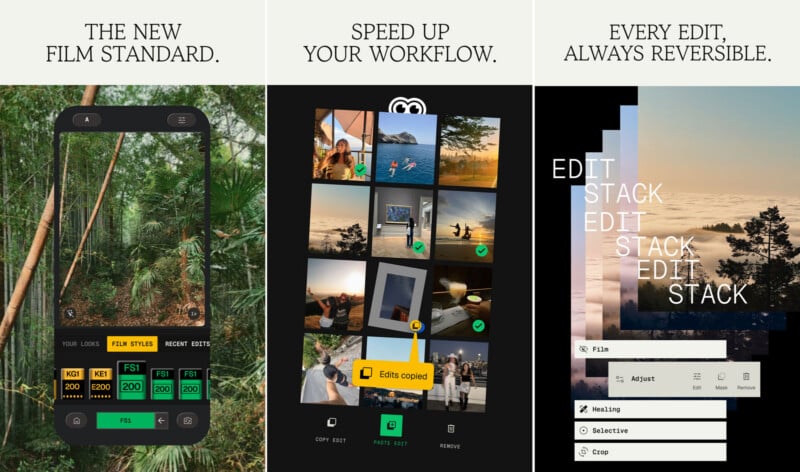
Snapseed 4.0 introduces a comprehensive library of film-inspired filters. These are not merely generic color overlays; they are sophisticated profiles modeled after the chemical properties of legendary film stocks from Kodak, Fujifilm, and Polaroid. These filters allow users to replicate the grain, color science, and dynamic range characteristics of analog photography, catering to the enduring "film look" trend that has dominated social media aesthetics.
The Snapseed Camera
Perhaps the most significant functional addition is the in-app Snapseed Camera, now fully operational on Android. This feature allows photographers to capture images directly within the app while applying real-time previews of the analog filters and basic adjustments. This "live" editing capability enables a more intentional shooting process, as users can see how lighting and composition will interact with their chosen aesthetic before the shutter is pressed.
Advanced Editing Tools and Effects
Beyond filters, version 4.0 bolsters the app’s technical toolkit. The update includes:
- Non-Destructive Workflow: Every edit made in Snapseed 4.0 remains reversible. The "Stacks" feature allows users to go back to any point in their editing history, tweak a specific parameter, or remove an effect entirely without degrading the original image quality.
- RAW Support: While Snapseed has long supported DNG files, the 4.0 update improves the handling of high-dynamic-range data from modern smartphone sensors, with promises of expanded RAW support in future iterations.
- Special Effects: New creative tools such as halation (the red glow seen around bright edges in film), bloom, and an improved dehaze algorithm provide users with professional-grade atmospheric controls.
- Selective Editing and Masking: The app continues to utilize Nik Software’s legacy "Control Point" technology, allowing for precise adjustments to brightness, contrast, and saturation in specific areas of an image without the need for complex manual masking.
Technical Analysis: Why Parity Matters
The decision to skip version 3.0 for Android was met with confusion by the developer community. Historically, Google-owned apps often see their most innovative features debut on Android first. The delay meant that for nearly a year, iPhone users had access to a superior editing engine while Android users were stuck with a legacy interface.
By launching version 4.0 simultaneously, Google has corrected this discrepancy. For Android users, the jump from version 2.0-era architecture to 4.0 is transformative. The updated app utilizes modern Android APIs, resulting in smoother performance on high-refresh-rate screens and better resource management on devices with varying RAM capacities. This technical modernization ensures that Snapseed can leverage the processing power of modern chips, such as Google’s own Tensor series or Qualcomm’s Snapdragon platforms, to render complex effects like "Healing" and "Lens Blur" with significantly reduced latency.
Official Stance and Community Reaction
The Snapseed development team has taken an unusually transparent approach with this rollout, engaging directly with users on platforms like Reddit. In a statement posted to the r/snapseed community, the team addressed the long periods of inactivity and outlined their vision for the future.
"Our goal for Snapseed 4.0 was to make the app easier to use while also adding more powerful capabilities," the team stated. "We’re listening and committed to making Snapseed better. Android users won’t have to wait years for the next update."
This commitment to a more frequent update cadence is a significant shift in strategy. It suggests that Google views Snapseed not as a legacy product, but as a vital component of its photography ecosystem—potentially serving as a "pro" tier companion to the AI-heavy, automated features found in Google Photos.
The reaction from the photography community has been overwhelmingly positive. Many users had migrated to subscription-based models like Adobe Lightroom Mobile or VSCO during Snapseed’s stagnant years. The return of a robust, free, and non-subscription tool is being viewed as a disruptive move in a market increasingly dominated by recurring monthly fees.
Market Implications and the Subscription-Free Model
One of the most remarkable aspects of Snapseed 4.0 is its price point: zero. In an era where even basic photo editing apps require a subscription or are cluttered with intrusive advertisements, Google has maintained Snapseed as a completely free utility. There are no in-app purchases, no locked "Premium" filters, and no cloud storage fees.
This positioning places Snapseed in a unique competitive bracket. While Adobe Lightroom offers more advanced organizational tools and desktop syncing, its best features are behind a paywall. Snapseed 4.0 provides a professional-grade alternative for those who want high-end editing capabilities without the financial commitment.
Furthermore, the inclusion of batch editing and "Save as Look" features allows users to create their own presets and apply them to multiple photos instantly. This functionality is often a paid feature in other applications, making Snapseed an essential tool for content creators who need to maintain a consistent visual brand across their social media feeds without overhead costs.
Broader Impact on Mobile Photography
The resurgence of Snapseed comes at a time when "computational photography" is reaching a plateau. While AI-driven features like Google’s Magic Eraser or Apple’s Clean Up are impressive for removing distractions, they often lack the artistic nuance that manual editing provides. Snapseed 4.0 caters to the "intentional" photographer—the user who wants to engage with the light, color, and texture of their images rather than letting an algorithm make all the creative decisions.
By providing high-quality film simulations and granular control over image metadata, Snapseed 4.0 encourages a deeper understanding of photographic principles. It bridges the gap between the casual "point-and-shoot" mobile user and the serious hobbyist who understands the value of a non-destructive RAW workflow.
Conclusion and Availability
Snapseed 4.0 is a robust declaration that one of the world’s most beloved mobile tools is back in active development. By bringing the Android version up to speed and introducing a suite of modern, film-inspired tools, Google has revitalized a platform that many feared was lost.
The update is currently rolling out globally via the Apple App Store and the Google Play Store. As mobile sensors continue to improve and the demand for high-quality visual content grows, Snapseed 4.0 stands ready to serve as the definitive, accessible, and powerful editor for the next generation of mobile photographers. With the promise of more frequent updates on the horizon, the future of Snapseed looks brighter than it has in nearly a decade.

