


The People for the Ethical Treatment of Animals (PETA) has formally requested that the National Institutes of Health (NIH) terminate all federal funding for Heather Gray-Edwards, a prominent researcher at the University of Massachusetts Chan Medical School (UMass Chan). The call for action follows an investigative report released by the animal rights organization on May 13, 2026, which alleges a pattern of extreme animal suffering and ethical breaches in experiments involving calves, sheep, and cats. According to federal spending records, Gray-Edwards’ research projects have received more than $10 million in federal grants since 2013, with approximately $3 million in active funding currently allocated for ongoing studies.
The allegations center on the use of large animal models to develop gene therapies for neurodegenerative diseases. While UMass Chan maintains that such research is critical for addressing fatal human conditions, PETA’s report describes a series of invasive procedures that the organization claims bypass basic animal welfare standards. These include the intentional breeding of animals with debilitating genetic defects, invasive brain and spinal surgeries, and the withholding of palliative care.
Overview of Experimental Protocols and Alleged Violations
The core of the controversy involves Gray-Edwards’ work with bovine and ovine models. According to the documents cited by PETA, experimenters breed calves specifically to manifest Maple Syrup Urine Disease (MSUD), a metabolic disorder that prevents the body from processing certain amino acids. In humans, this condition can lead to neurological damage if not strictly managed. In the laboratory setting, the calves reportedly suffer from a buildup of toxic molecules in the brain, resulting in tremors, seizures, weakness, and an inability to stand.
PETA’s report indicates that some of these calves are left untreated to serve as a control group, allowing researchers to observe the natural progression of the disease. These animals often succumb to severe brain damage within days of birth. Those that are kept alive for long-term study are subjected to repeated sedation, spinal taps, and blood draws. A primary point of contention is the allegation that pain relief is intentionally withheld from these animals to avoid interfering with the experimental data, a practice that PETA argues is a violation of the spirit, if not the letter, of the Animal Welfare Act (AWA).
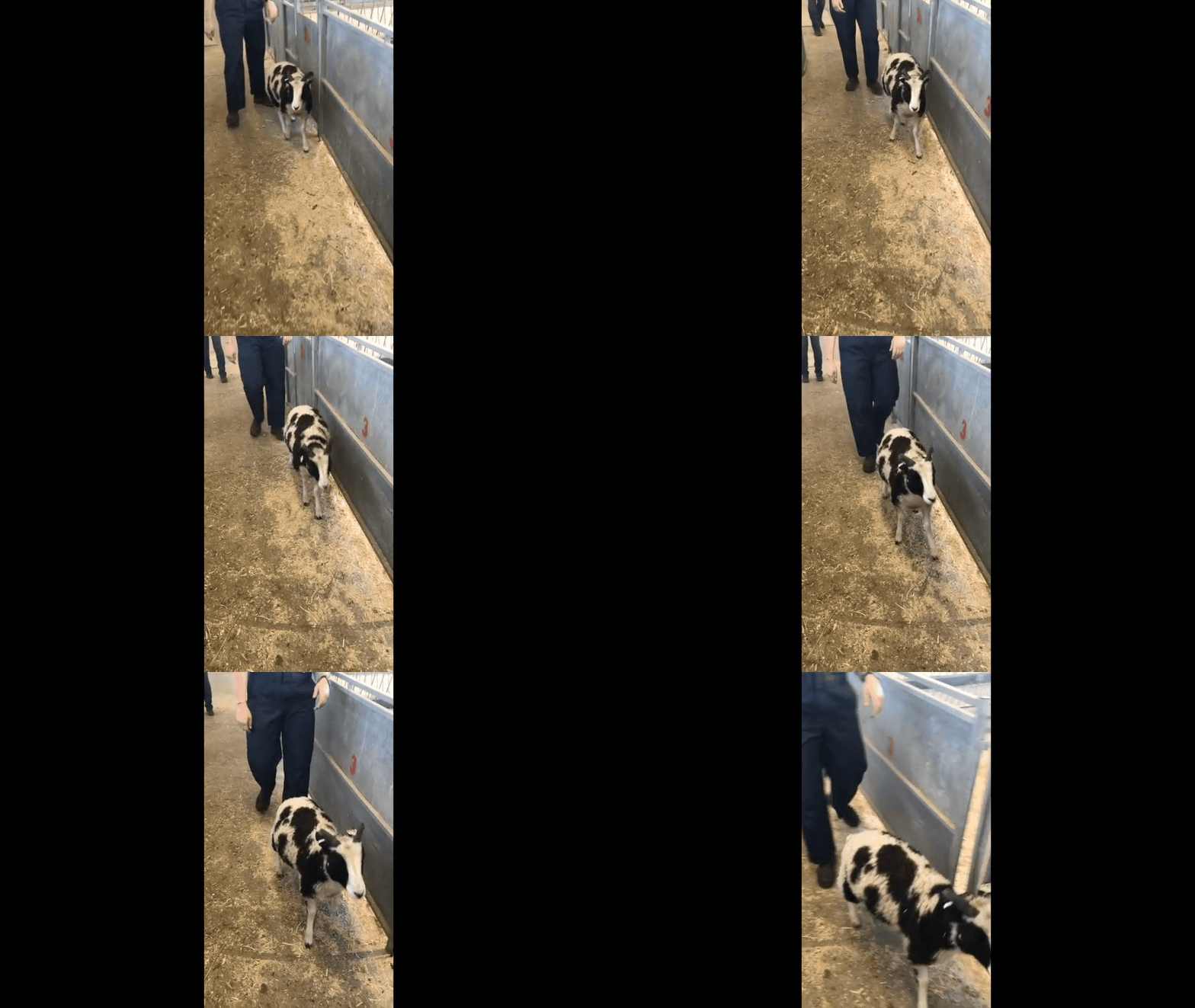
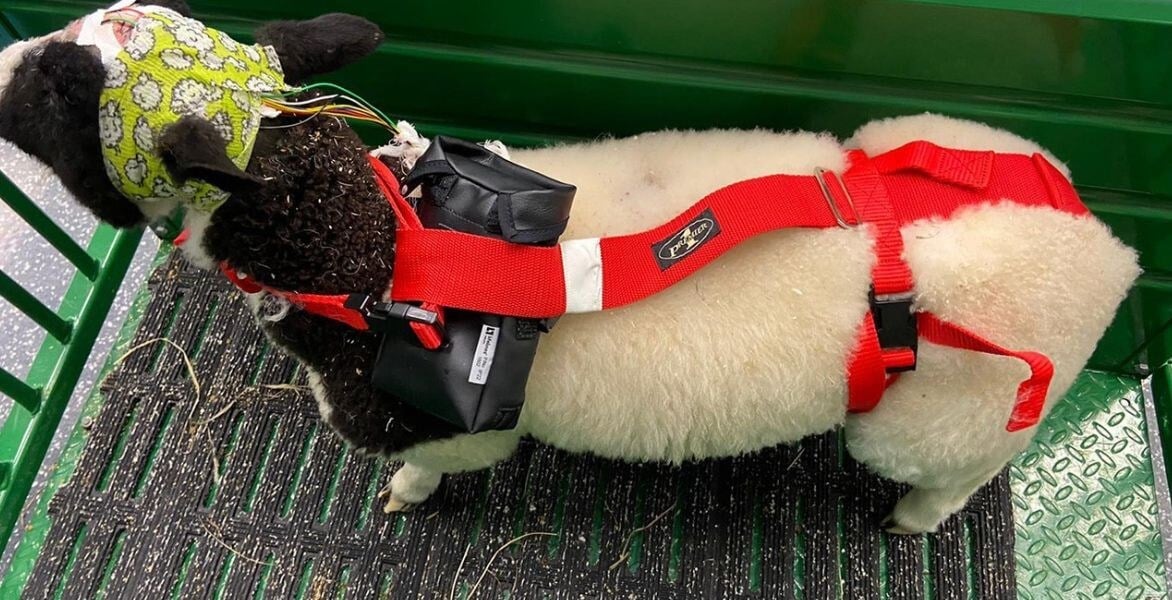
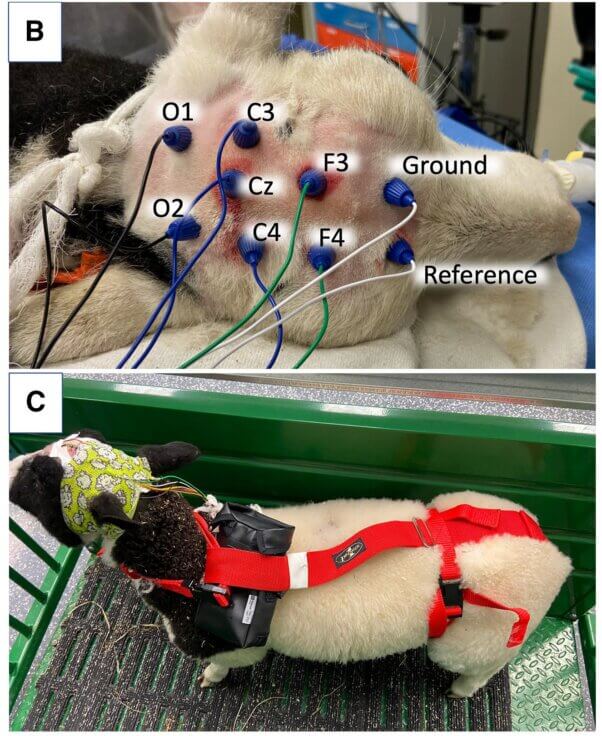
In separate experiments involving sheep, researchers induce genetic mutations that mimic Tay-Sachs disease and other lysosomal storage disorders. The affected sheep experience progressive motor dysfunction, coordination loss, and visual impairment. The research protocols involve injecting viral vectors directly into the brains and spines of the animals. PETA highlighted evidence of "maze tests," where cognitively impaired and physically unsteady sheep are forced through obstacles to measure their neurological decline. The organization claims these animals are often isolated from their herds, causing additional psychological distress to a social species.
Chronology of Research and Funding
The research career of Heather Gray-Edwards has been closely tied to the advancement of gene therapy, a field that has seen significant growth over the last decade. The following timeline outlines the progression of the research and the subsequent oversight concerns:
- 2013–2018: Gray-Edwards begins receiving substantial NIH grants for the study of GM1 gangliosidosis and Tay-Sachs disease using feline models. During this period, the research focus is on the efficacy of adeno-associated virus (AAV) gene delivery.
- 2019–2022: The research expands to include larger animal models, specifically sheep and calves, funded by the National Institute of Neurological Disorders and Stroke (NINDS). The move to larger models is justified by the scientific community as a necessary step to bridge the gap between rodent studies and human clinical trials due to the similar brain size and structure of sheep and humans.
- September 2025: A paper co-authored by Gray-Edwards is published in the Journal of Clinical Investigation, detailing a five-year analysis of gene therapy in "Tay-Sachs sheep." The paper describes the surgical techniques and the long-term monitoring of the subjects.
- May 2026: PETA releases its findings, based on public records and published studies, alleging that the experiments involve "torment" and "depravity." The organization sends a formal letter to the NIH urging the immediate cessation of funding.
Institutional Context and Previous Welfare Concerns
The allegations against Gray-Edwards do not exist in a vacuum. UMass Chan Medical School has faced scrutiny regarding its laboratory practices in the past. According to USDA inspection reports and internal institutional biosafety committee records, the university has a documented history of animal welfare violations.
Previous citations include instances of critical understaffing in animal care facilities, delays in providing veterinary treatment to animals in distress, and failures in post-operative monitoring. In some reported cases, animals were found to have been deprived of food or water due to administrative or mechanical failures. PETA asserts that the institutional culture at UMass Chan prioritizes research output and grant acquisition over the ethical treatment of subjects, labeling the facility a "den of depravity" in their public communications.
The university’s Institutional Animal Care and Use Committee (IACUC) is responsible for overseeing all animal research and ensuring compliance with federal regulations. However, critics argue that the IACUC system often suffers from a lack of transparency and a tendency to self-regulate in favor of the institution’s financial interests.
Scientific and Ethical Implications
The debate over the Gray-Edwards experiments touches on a fundamental tension in modern medical science: the balance between the potential for life-saving human treatments and the ethical cost to animal subjects.
Gene therapy researchers argue that large animal models are indispensable. Rodent brains are smooth and significantly smaller than human brains, making them poor predictors of how a gene therapy vector will diffuse through human neural tissue. Sheep and calves provide a more accurate physiological map for testing dosage and delivery methods. Proponents of the research point out that diseases like Tay-Sachs and MSUD are devastating to human infants, and that the insights gained from Gray-Edwards’ work could lead to cures that were previously thought impossible.
Conversely, PETA and other advocacy groups argue that the "translational failure" rate of animal experimentation is high. They cite data suggesting that up to 90% of basic research discoveries, many involving animal models, fail to lead to human treatments. PETA is advocating for a shift toward "human-relevant" research methods, such as organ-on-a-chip technology, high-throughput screening, and advanced computational modeling, which do not involve sentient beings.
Financial Transparency and Public Funding
The financial scale of the research is a significant factor in the current controversy. Since 2013, the cumulative federal investment in Gray-Edwards’ laboratory has exceeded $10 million. This funding is derived from taxpayer dollars through the NIH, which is the largest funder of biomedical research in the world.
PETA’s letter to the NINDS (a branch of the NIH) argues that the continued funding of these experiments is a misappropriation of public funds, particularly if the research involves "pointless" suffering or violates the ethical guidelines set forth by the Public Health Service (PHS) Policy on Humane Care and Use of Laboratory Animals. The NIH has the authority to suspend or revoke funding if an institution is found to be in non-compliance with these policies.
Official Responses and Next Steps
As of the date of the report, UMass Chan Medical School has not issued a detailed rebuttal to the specific claims regarding Gray-Edwards’ current projects, though the institution generally maintains that all animal research is conducted under strict ethical oversight and in compliance with federal law.
The NIH typically does not comment on ongoing investigations into specific researchers but has a protocol for reviewing complaints filed by third-party organizations. If the NIH decides to launch a formal inquiry, it will likely involve an audit of the lab’s protocols, a review of IACUC approval records, and on-site inspections by the Office of Laboratory Animal Welfare (OLAW).
The outcome of this controversy could have broader implications for the use of large animals in gene therapy research across the United States. If PETA’s efforts result in a loss of funding, it may signal a shift in how federal agencies weigh animal welfare against scientific advancement in high-stakes medical research. For now, the scientific community remains divided, and the fate of the ongoing experiments at UMass Chan remains uncertain as the public and regulatory bodies evaluate the evidence presented.

