


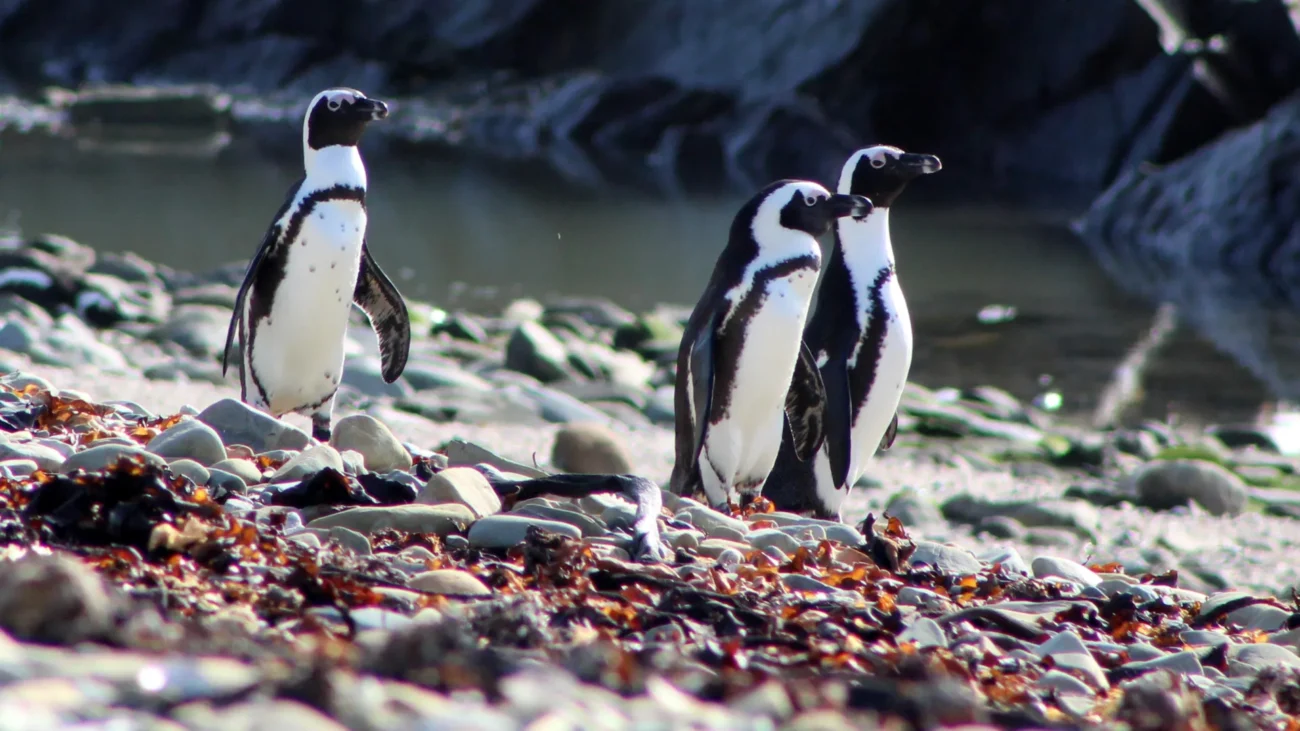
A groundbreaking study led by the University of St Andrews has unveiled a critical dynamic exacerbating the plight of the Critically Endangered African penguin (Spheniscus demersus). The research, published on November 17th in the prestigious Journal of Applied Ecology, demonstrates that these vulnerable seabirds are significantly more likely to forage in the same marine waters as commercial fishing vessels during periods of low fish abundance. This heightened overlap not only intensifies direct competition for dwindling food resources but also places immense pressure on a species already teetering on the brink of severe decline.
The study introduces a novel metric, termed "overlap intensity," which moves beyond simply identifying shared fishing grounds. This innovative measure quantifies the extent to which penguins are influenced by the presence of fishing vessels, offering a more nuanced understanding of the ecological impact.
A Dire Decline: The Plight of the African Penguin
The African penguin, once a thriving symbol of South Africa’s marine biodiversity, has experienced a catastrophic population collapse. Over the past three decades, their numbers have plummeted by an alarming 80%. This precipitous decline is attributed to a confluence of factors, with competition from local fisheries emerging as a primary driver. The fisheries in question target small pelagic fish such as sardines and anchovies, which constitute the cornerstone of the African penguin’s diet.
These fisheries primarily employ purse-seine nets, a method characterized by the deployment of a vast net to encircle schools of fish, effectively trapping them. The efficiency of this method, while economically beneficial for the fishing industry, directly impacts the food availability for penguins.
Dr. Jacqueline Glencross, the lead author of the study and a researcher at the Scottish Oceans Institute at the University of St Andrews, articulated the driving force behind this vital research. "Our objective was to develop a more precise method for assessing the number of penguins potentially affected when fishing operations occur in their vicinity – not merely where these spatial overlaps occur," she stated. "Understanding the scale of the interaction is paramount for effective conservation."
Tracking Data Illuminates Alarming Overlap Increases
The research team meticulously analyzed tracking data collected from African penguins inhabiting two key breeding colonies: Robben Island and Dassen Island. This collaborative effort involved esteemed scientists from the University of Exeter, the South African Department of Forestry, Fisheries and the Environment, and BirdLife South Africa, underscoring the interdisciplinary nature of the investigation.
The findings revealed a stark and deeply concerning trend: a dramatic escalation in the overlap between penguin foraging areas and fishing vessel activities during years characterized by diminished fish stocks. In 2016, a year when fish biomass was notably low, approximately 20% of the tracked penguins were observed feeding within the same oceanic regions as active fishing vessels. In contrast, during years when fish populations were more robust, this figure receded to a comparatively lower 4%.
These quantitative results strongly indicate that the competition between African penguins and commercial fisheries intensifies considerably when prey availability is limited. This heightened competition poses a particularly acute threat during the critical chick-rearing period. During this phase, adult penguins must exert maximum effort to locate and retrieve food rapidly and efficiently to sustain their demanding offspring. Any impediment to their foraging success directly jeopardizes the survival of the next generation.
A New Metric for Conservation and Sustainable Fisheries Management
The development of the "overlap intensity" metric represents a significant advancement in the field of marine conservation. By providing a quantifiable measure of population-level impact, this tool offers crucial insights for assessing ecological risks and informing the implementation of ecosystem-based fishery management strategies.
The implications of this research extend to the development of adaptive marine protected areas. Such dynamic conservation zones could be strategically adjusted in real-time to respond to fluctuations in predator and prey behavior, offering a more responsive and effective approach to safeguarding vulnerable species. This adaptive management framework is crucial for navigating the complexities of marine ecosystems, where environmental conditions and species interactions are constantly evolving.
Legal Battles and the Imperative for Fishing Closures
The precarious status of the African penguin has recently been at the forefront of significant legal proceedings in South Africa. A landmark court case challenged the perceived inadequacy of fishing restrictions in proximity to critical penguin breeding sites. This legal battle highlighted the urgent need for more robust protective measures to mitigate the impacts of commercial fishing on this endangered species.
Earlier this year, a pivotal agreement was reached in the high court between conservation organizations and representatives of the fishing industry. This accord acknowledged the necessity of implementing fishery closures around penguin colonies, a crucial step towards ensuring the penguins’ access to vital food sources. Following this landmark decision, the South African government reinstated more biologically meaningful no-fishing zones in the vicinity of Robben Island, one of the primary breeding colonies extensively studied in the research.
Dr. Glencross emphasized the critical role this research plays in validating the importance of such protective measures. "Our findings underscore precisely why these fishing closures are so essential," she commented. "Areas that were previously unprotected, and where we observed high overlap intensity, were precisely where the penguins faced the greatest degree of risk."
Background Context: A Legacy of Decline
The African penguin’s dramatic decline is not a recent phenomenon. Decades of increasing human activity and environmental pressures have taken their toll. Historically, these penguins were abundant, with estimates suggesting millions of individuals across their range. However, a complex interplay of factors, including overfishing of their prey species, marine pollution, oil spills, climate change-induced shifts in ocean currents affecting prey distribution, and predation by invasive species, has led to their current endangered status.
The early 20th century saw substantial exploitation of penguin guano, a valuable fertilizer, which disrupted nesting sites. However, the primary driver of the recent, rapid decline has been the depletion of their food base due to commercial fishing. The purse-seine fishery, in particular, has been implicated in removing vast quantities of sardines and anchovies that are essential for penguin survival, especially during breeding seasons when energy demands are at their peak.
Chronology of Key Events and Research Milestones
- Mid-20th Century Onwards: Growing concerns over declining African penguin populations due to various anthropogenic pressures, including increasing fishing intensity.
- Late 20th Century – Early 21st Century: Continued sharp decline in African penguin numbers, with populations falling by approximately 80% over three decades.
- Early 2020s: Intensified advocacy by conservation groups for stronger fishing regulations and protected areas.
- Early 2023: South African court case initiated, questioning the efficacy of existing fishing restrictions near penguin colonies.
- Mid-2023: High court agreement reached between conservationists and the fishing industry, acknowledging the need for fishery closures.
- Late 2023: South African government reinstates more robust no-fishing zones near Robben Island.
- November 17, 2023: Publication of the University of St Andrews-led study in the Journal of Applied Ecology, introducing the "overlap intensity" metric and providing critical data on penguin-fishery interactions.
Supporting Data: Quantifying the Threat
The study’s reliance on tracking data provides concrete evidence of the heightened competition. The shift from 4% overlap in years of high fish abundance to 20% in years of scarcity is a stark illustration of how environmental conditions directly influence the vulnerability of African penguins. To put this into perspective, a fourfold increase in the number of penguins foraging in close proximity to fishing fleets represents a significant escalation in direct resource competition.
Further supporting data, though not detailed in the initial release, would likely include information on:
- Prey Biomass Fluctuations: Detailed records of sardine and anchovy populations in the study areas during the research period.
- Fishing Effort Data: Information on the number of fishing vessels, their operational areas, and the volume of catch during the study period.
- Penguin Foraging Effort: Data on the duration and distance of foraging trips undertaken by penguins, particularly during different prey availability scenarios.
- Chick Survival Rates: Correlation between overlap intensity and chick survival rates during critical breeding periods.
Broader Impact and Implications for Marine Ecosystems
The findings of this study have profound implications that extend beyond the immediate conservation of the African penguin. They highlight the interconnectedness of marine food webs and the cascading effects of overfishing and habitat overlap.
- Ecosystem Health Indicator: The African penguin can serve as an indicator species for the health of the South African marine ecosystem. Their struggles signal broader issues within the food web.
- Fishery Management Reforms: The research provides a robust scientific basis for implementing more precautionary and adaptive approaches to fisheries management. This includes the consideration of dynamic spatial closures and quotas that account for the needs of marine predators.
- Climate Change Resilience: As climate change is predicted to further disrupt fish distribution and abundance, the ability of species like the African penguin to adapt will be crucial. Understanding and mitigating human-induced pressures like fishing competition becomes even more critical in this context.
- Policy and Advocacy: The study’s clear, data-driven conclusions offer powerful ammunition for conservation organizations and policymakers advocating for stronger marine protection measures.
The development of the "overlap intensity" metric is a crucial step towards a more sophisticated understanding of human-wildlife interactions at sea. It moves beyond simple spatial coincidence to quantify the ecological pressure exerted by human activities. This approach can be adapted and applied to other vulnerable marine species facing similar challenges, thereby enhancing global marine conservation efforts. The urgency of these findings is underscored by the Critically Endangered status of the African penguin, a stark reminder of the imperative to act decisively to prevent further biodiversity loss.

