


Published On: Dec 21, 2025
Last updated on: Dec 21, 2025
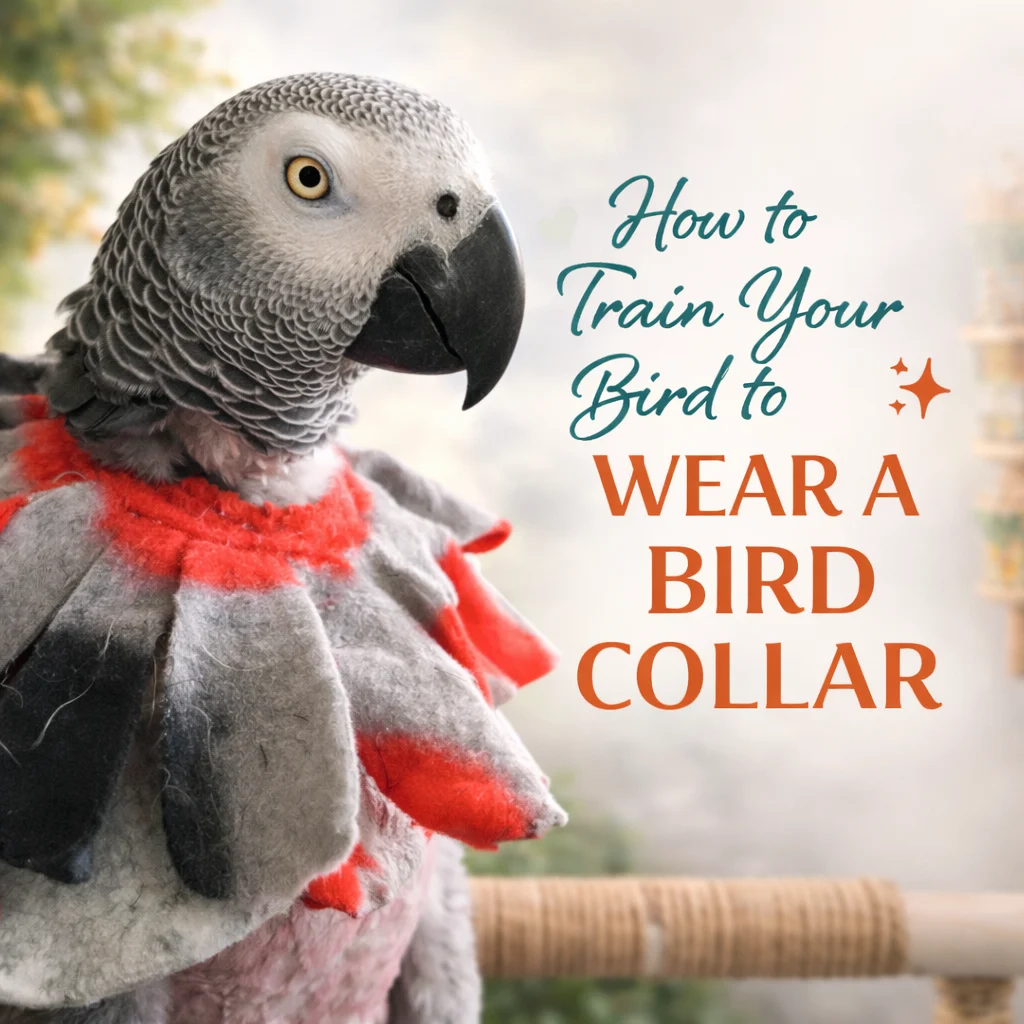
The use of protective collars for companion birds, a topic frequently discussed among avian enthusiasts and veterinarians alike, is a viable and often crucial intervention when introduced thoughtfully and applied for appropriate medical or behavioral reasons. While the immediate impulse of many bird owners is to seek alternatives, understanding the specific circumstances under which a collar becomes a necessary tool is paramount for avian welfare. This article delves into the professional consensus regarding the safe and effective application of bird collars, examining their role within a comprehensive strategy to manage feather destructive behaviors (FDBs), facilitate post-surgical recovery, and prevent self-mutilation.
Understanding Feather Destructive Behaviors (FDBs) in Companion Birds
Feather destructive behaviors encompass a spectrum of self-inflicted damage ranging from mild feather picking to severe mutilation of skin and underlying tissues. This complex issue is a leading welfare concern for captive psittacines (parrots) and other avian species. Studies indicate that FDBs can affect a significant percentage of captive parrots, with prevalence rates varying by species, but often cited in the range of 10-15% or higher for certain species like Cockatoos and African Grey Parrots. The etiology of FDBs is multifactorial, often stemming from a combination of medical, environmental, nutritional, and behavioral factors.
Common Causes of FDBs Include:
- Medical Conditions: Internal parasites, bacterial or fungal infections, viral diseases (e.g., Psittacine Beak and Feather Disease – PBFD), organ disease (e.g., liver disease), allergies, nutritional deficiencies (especially Vitamin A), heavy metal toxicosis, and pain.
- Environmental Factors: Insufficient humidity, exposure to irritants (e.g., smoke, cleaning chemicals), lack of appropriate bathing opportunities, inadequate cage size, and insufficient environmental enrichment leading to boredom.
- Behavioral Issues: Stress, anxiety, hormonal imbalances, fear, attention-seeking, displacement behaviors, separation anxiety, and learned habits.
- Nutritional Deficiencies: Diets lacking essential vitamins, minerals, or amino acids can compromise feather quality and overall health, predisposing birds to plucking.
When these underlying issues lead to escalating damage—where feathers are actively pulled out, skin is barbered, wounds are reopened, or a repetitive plucking cycle becomes entrenched—physical intervention to prevent further harm often becomes medically necessary. It is in these critical scenarios that avian collars emerge as a vital component of a holistic treatment plan.
When Intervention with a Collar Becomes Essential
The decision to utilize a collar is never taken lightly by responsible bird owners or avian veterinary professionals. It is typically considered when the bird’s physical well-being is directly threatened by its own actions. The primary goal of a collar is not punitive, but rather protective, serving as a temporary barrier to interrupt destructive cycles while allowing time for diagnostic workup, medical treatment, and behavioral modification strategies to take effect.
Specific Scenarios Requiring Collar Intervention:
- Active Feather Destruction Leading to Skin Damage: When a bird is consistently plucking feathers to the point of exposing or damaging the skin, creating open wounds or raw areas.
- Self-Mutilation: In severe cases where birds inflict deep wounds, requiring immediate cessation of access to the affected area to prevent infection, hemorrhage, or even organ damage.
- Post-Surgical Recovery: Following surgical procedures, a collar can prevent the bird from interfering with sutures, bandages, or healing incisions, much like an Elizabethan collar in mammals.
- Wound Healing: For any non-surgical wounds that the bird persistently irritates or reopens.
- Periods of Heightened Anxiety or Stress: In situations where stress triggers intense plucking episodes, a collar can provide temporary relief, preventing physical harm while underlying stressors are identified and mitigated.
- Dermatological Conditions: To prevent a bird from exacerbating skin irritations, allergies, or infections through excessive scratching or plucking.
In these circumstances, the collar acts as a "bridge," buying crucial time for veterinarians and owners to diagnose the root cause of the FDB and implement targeted therapies. Avian veterinarians emphasize that a collar is rarely a standalone solution but rather a supportive tool within a broader, often complex, treatment regimen.
Types of Avian Collars and Design Considerations
The evolution of avian collars reflects a growing understanding of bird anatomy, physiology, and behavior. Modern collars are designed to be as safe, lightweight, and non-restrictive as possible, balancing the need for protection with the bird’s ability to eat, drink, and move.
Common Types of Avian Collars:
- Elizabethan Collars (E-collars): These are rigid or semi-rigid cone-shaped collars, typically made of plastic. They are effective at preventing access to the body but can be cumbersome and may restrict peripheral vision and movement.
- Tube Collars: Made from flexible materials like fabric or neoprene, these collars fit snugly around the neck, preventing the bird from bending its neck sufficiently to pluck its body. They offer less visual obstruction than E-collars.
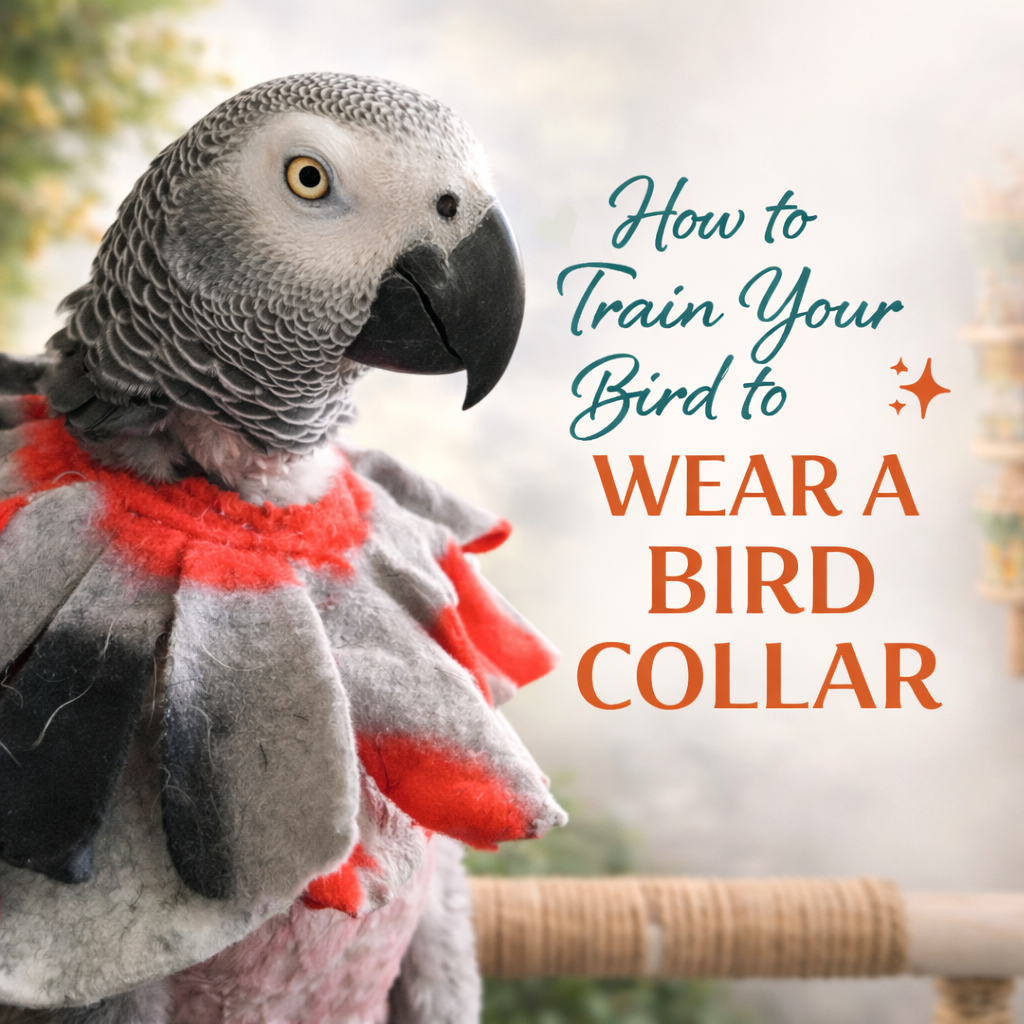
- Fabric Collars/Donuts: Softer, often padded collars that encircle the neck, similar to a travel pillow. These can be more comfortable for long-term wear but may be less effective for birds determined to reach specific areas.
- Inflatable Collars: Similar in concept to inflatable collars for mammals, these provide a soft barrier around the neck. They are generally comfortable but might not be suitable for all bird sizes or levels of plucking intensity.
- Custom-Designed Collars: In some cases, veterinarians or specialized manufacturers may create custom collars tailored to a bird’s specific needs, size, and plucking patterns.
Design Considerations for Avian Collars:
- Material: Should be non-toxic, durable, lightweight, and easy to clean.
- Fit: Must be snug enough to prevent removal but not so tight as to impede breathing, circulation, or swallowing. There should be enough space to allow two fingers to slip comfortably under the collar at the back of the neck.
- Visibility: Should minimize obstruction of vision to reduce stress and allow for normal navigation and feeding.
- Durability: Must withstand a bird’s beak and claws without tearing or breaking down.
- Ventilation: Materials should ideally allow for some airflow to prevent skin irritation.
The choice of collar type is often made in consultation with an avian veterinarian, taking into account the bird’s species, size, temperament, the location and severity of the plucking, and the specific area needing protection.
The Importance of a Phased Introduction: A Detailed Training Protocol
Introducing a collar to a bird is a delicate process that demands patience, positive reinforcement, and a deep understanding of avian behavior. A rushed or forceful approach can induce severe stress, potentially exacerbating the underlying problem. Avian behavior specialists, such as Diane Burroughs, advocate for a slow, methodical desensitization and counter-conditioning protocol. The goal is to help the bird adjust to the collar in a way that minimizes fear and promotes acceptance.
Phase 1: Pre-Introduction and Desensitization (1-3 Days)
- Objective: To familiarize the bird with the collar’s presence without any pressure.
- Action: Place the collar in the bird’s line of sight, at a safe distance from its cage. Do not attempt to interact with the bird regarding the collar. The aim is for the bird to merely observe it as a neutral object in its environment.
- Rationale: This initial exposure allows the bird to process the new item without feeling threatened, laying the groundwork for future interactions.
Phase 2: Integration into Routine (1-2 Days)
- Objective: To associate the collar with positive or neutral daily routines.
- Action: During regular care routines (e.g., feeding, cleaning, quiet interaction), place the collar on your shoulder or nearby, but not directly on the bird. Ensure it’s part of the background, not the focus.
- Rationale: This step helps build familiarity and integrates the collar into the bird’s perceived normal environment, further reducing its novelty and potential threat.
Phase 3: Invitation to Explore
- Objective: To encourage voluntary, positive interaction with the collar.
- Action: Offer the collar for the bird to investigate on its own terms. Present it calmly, allowing the bird to touch, taste, or manipulate it if it chooses. Reward any positive curiosity with favorite treats.
- Rationale: Voluntary exploration empowers the bird and fosters a sense of control, which is crucial in reducing anxiety. Coercion is counterproductive.
Phase 4: Building Tolerance to Touch and Handling
- Objective: To prepare the bird for the physical sensation of the collar.
- Action: While engaging in positive reinforcement training (e.g., target training), gently and briefly touch the bird’s wings, shoulders, and torso. Reward calm acceptance. Gradually increase the duration and area of touch.
- Rationale: This step desensitizes the bird to handling, which is essential for the eventual fitting of the collar. It also builds trust between the bird and owner.
Phase 5: Cage Preparation
- Objective: To ensure a safe and accessible environment for a collared bird.
- Action: Before the first fitting, temporarily lower perches, food bowls, and water dishes. Remove any toys or obstacles that could snag the collar or make movement difficult.
- Rationale: A collared bird may initially struggle with mobility and depth perception. Adjusting the cage minimizes frustration, prevents accidents, and ensures continued access to essentials.
Phase 6: First Fitting (Supervised Short Duration)
- Objective: To introduce the collar for a short, supervised period.
- Action: When both you and your bird are calm, gently fit the collar. Offer immediate, high-value treats. Keep the collar on for 1-3 hours while providing close supervision. Observe for extreme distress or inability to eat/drink.
- Rationale: Short, supervised sessions allow the bird to acclimate to the physical sensation without becoming overwhelmed. Close supervision ensures safety and allows for immediate intervention if needed. Awkward movements are normal initially.
Phase 7: Gradual Increase in Wear Time
- Objective: To help the bird build strength and confidence while wearing the collar.
- Action: Gradually increase the wear time in increments of 30-60 minutes, always ensuring the bird remains calm and comfortable. Continue positive reinforcement.
- Rationale: This incremental approach allows the bird to physically adjust to the collar’s weight and bulk, developing the necessary strength and coordination to navigate its environment effectively.
Phase 8: Return to Normal Cage Setup

- Objective: To transition the bird back to its regular cage environment as its confidence grows.
- Action: As the bird’s tolerance and mobility improve, slowly reposition perches, bowls, and toys to their original places. Provide assistance and encouragement as needed.
- Rationale: This final step ensures the bird can independently manage its environment with the collar on, promoting self-sufficiency and reducing long-term stress. Patience during this phase is crucial, as some birds may require ongoing support.
Throughout this process, it is critical to prioritize the bird’s emotional and physical well-being. Any signs of extreme stress, panic, or inability to perform basic functions (eating, drinking, perching) necessitate immediate removal of the collar and reassessment of the introduction strategy.
Veterinary and Behavioral Perspectives: Expert Insights
Avian veterinarians and certified avian behaviorists unanimously emphasize that collars are a temporary management tool, not a cure. Dr. Sarah J. Smith, an avian veterinarian specializing in psittacine medicine, notes, "A collar gives us a window of opportunity. It stops the immediate damage, allowing us to thoroughly investigate the underlying medical and environmental issues contributing to the feather plucking. Without that physical barrier, some birds would inflict irreversible harm upon themselves."
Behavioral expert Dr. David Chen adds, "From a behavioral standpoint, the collar breaks the habit loop. Feather plucking can become a compulsive behavior, and the physical barrier interrupts this reinforcement. This ‘time out’ is invaluable for implementing environmental enrichment, foraging opportunities, and behavioral modification techniques that address the bird’s psychological needs."
Both disciplines stress the importance of a thorough diagnostic workup before collar application. This typically includes a complete physical examination, blood work, radiographs, and sometimes specialized tests for specific pathogens or toxins. Nutritional assessment and environmental audits are also critical components of the initial evaluation.
Addressing Common Misconceptions and Mistakes
Owners often make well-intentioned but counterproductive mistakes when dealing with FDBs and collar application.
Common Misconceptions:
- Collars are a punishment: This is false. Collars are a protective device. Viewing them as punishment can lead to negative associations and increased stress for the bird.
- Collars are a quick fix: Collars address the symptom (self-mutilation) but not the underlying cause. Without addressing the root issues, the behavior will likely resume once the collar is removed.
- All birds react the same way: Each bird is an individual. What works for one may not work for another. Customization and patience are key.
Common Mistakes:
- Trying to fix everything at once: Rapid, drastic changes in a bird’s environment or routine can be overwhelming. Collars work best when paired with gradual, predictable adjustments.
- Following advice without context: Online forums offer valuable peer support, but generic advice may not be appropriate for an individual bird’s specific situation. A tailored approach, guided by an avian vet, is always recommended.
- Neglecting the underlying cause: Relying solely on the collar without pursuing diagnostics and treatment for the root cause of the FDB is a significant oversight and will likely lead to recurrence.
- Insufficient supervision: During the initial adjustment period, birds require close supervision to ensure they can eat, drink, and move safely.
- Lack of positive reinforcement: Forcing a collar without positive association and gradual training significantly increases stress and resistance.
Beyond the Collar: Comprehensive Long-Term Care
The period a bird wears a collar should be dedicated to intensive investigation and intervention for the underlying causes of FDBs. This comprehensive approach involves several pillars:
- Veterinary Care: Ongoing diagnostics, medication for infections, pain management, nutritional supplementation, and regular check-ups.
- Environmental Enrichment: Providing a stimulating environment with a variety of toys, foraging opportunities, climbing structures, and opportunities for mental engagement. This combats boredom and redirects destructive energy.
- Behavioral Modification: Working with an avian behaviorist to identify triggers, implement desensitization techniques, positive reinforcement for desirable behaviors, and strategies to manage stress or anxiety.
- Nutritional Optimization: Ensuring a balanced, species-appropriate diet rich in fresh vegetables, fruits, and high-quality pellets, minimizing seeds.
- Social Interaction: Providing appropriate levels of social interaction and attention, understanding that both too little and too much can contribute to stress.
- Routine and Predictability: Establishing a consistent daily routine can reduce anxiety and provide a sense of security.
The ultimate goal is to reach a point where the collar can be safely removed because the underlying issues have been resolved or are effectively managed, and the bird is no longer engaging in self-destructive behaviors. This transition also requires careful planning and gradual removal, often mirroring the introduction process in reverse.
Ethical Considerations and Owner Responsibility
The decision to use a collar carries significant ethical implications for bird owners. While it provides immediate physical protection, it also imposes a temporary restriction on the bird’s natural behaviors and comfort. Therefore, owners have a profound responsibility to:
- Seek prompt veterinary diagnosis: Never assume the cause of plucking. A thorough vet visit is the first and most crucial step.
- Commit to the training process: A collar is only as effective as its careful introduction. Patience and positive reinforcement are non-negotiable.
- Address underlying issues: The collar is a means to an end, not the end itself. Owners must be proactive in addressing the root causes of the FDBs.
- Monitor and adjust: Continuously observe the bird’s behavior, comfort level, and ability to thrive with the collar, making adjustments as needed in consultation with a vet.
- Understand welfare impact: Recognize that while collars prevent physical harm, they can impact a bird’s quality of life if not managed thoughtfully.
Conclusion: Collars as a Bridge to Healing
In conclusion, the question of whether birds can safely wear collars is unequivocally "yes," provided the intervention is medically justified, introduced with careful consideration, and integrated into a comprehensive care plan. Far from being a punitive measure, avian collars serve as a critical protective device, offering a necessary pause in self-destructive cycles. They provide veterinarians and owners with invaluable time to diagnose and treat the complex medical, environmental, and behavioral factors driving feather destructive behaviors. When employed responsibly, with professional guidance and unwavering commitment from owners, collars can be a supportive bridge, guiding a bird from a state of self-harm towards healing, improved welfare, and a higher quality of life. The ultimate success lies not just in the collar’s application, but in the holistic and dedicated care that surrounds it.

