


The landscape of veterinary medicine is undergoing a profound transformation as specialized care for non-traditional species moves from the periphery to the center of academic focus. This shift is exemplified by a multi-decade initiative of guest lectures, wet labs, and symposia across the world’s leading veterinary institutions, designed to equip the next generation of veterinarians with the skills necessary to treat avian, exotic, and wildlife patients. As the veterinary community looks toward 2026, the schedule of events underscores a permanent integration of advanced clinical techniques and distance-learning technologies into the standard pedagogical framework of veterinary colleges.
The Future of Exotic Medicine: 2025–2026 Academic Outlook
The upcoming academic calendar highlights a sophisticated blend of emergency care and specialized pathology. On April 20, 2026, Dr. Rebecca Duerr is scheduled to present a virtual seminar on "Oiled Wild Bird Care" to the Exotic Animal Medicine Club at Kansas State University. This session represents a critical intersection of veterinary medicine and environmental science, focusing on the complex physiological challenges faced by avian species during ecological disasters. Earlier that month, the University of Arizona will host Dr. Amanda Fisher from the University of Pittsburgh, who will provide the ZEWA Club with insights into laboratory animal medicine and case studies, reflecting the growing demand for expertise in research-based veterinary roles.
The commitment to avian health remains a cornerstone of these educational efforts. At Purdue University on March 26, 2026, Kara Burns, a renowned specialist in veterinary nutrition, will present "Avian Nutrition Fundamentals." This session is particularly significant as nutrition is increasingly recognized as the primary preventative measure against chronic diseases in captive birds. Simultaneously, Cornell University will celebrate Wildlife Conservation Day on April 4, 2026, further cementing the role of academic institutions in global conservation efforts.
The Digital Pivot and the Expansion of Distance Learning
A retrospective analysis of the past five years reveals a significant shift in how specialized knowledge is disseminated. Beginning in 2020, the onset of global travel restrictions necessitated a rapid transition to distance-learning events. This shift, while born of necessity, has matured into a powerful tool for global collaboration. For instance, in January 2025, Kansas State University joined forces with the European Association of Avian Veterinarians Student Group and the Archaeopteryx of Utrecht, Netherlands, to host Dr. Yvonne van Zeeland. Her presentation on the intersection of behavior and medical issues in birds demonstrated how digital platforms allow students across continents to learn from world-class experts simultaneously.
This "hybrid" era of education has allowed for highly niche topics to reach broader audiences. Notable examples include Dr. Petra Schnitzer’s 2021 session at the University of Georgia on "Ultrasound in Birds: Finch to Goose," and Dr. Jörg Mayer’s innovative 2020 lecture at the University of Illinois, which utilized comics to interpret rabbit hematology. These events suggest that the veterinary curriculum is becoming more creative and accessible, leveraging visual and digital aids to master complex diagnostic skills.
Clinical Proficiency through Hands-on Training
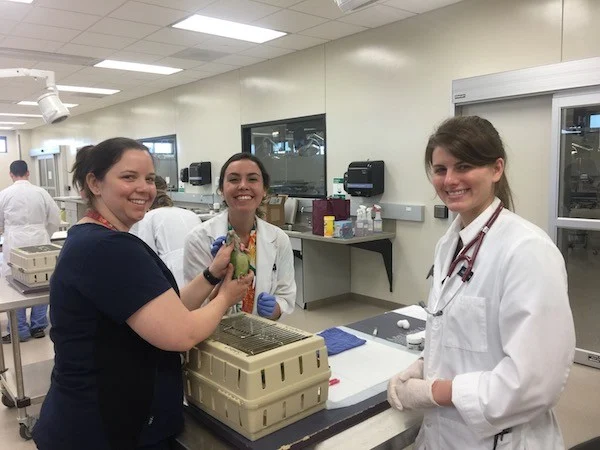
Despite the rise of virtual learning, the physical "wet lab" remains an indispensable component of veterinary training. These intensive, hands-on sessions allow students to practice surgical and diagnostic techniques under the guidance of seasoned practitioners. Texas A&M University has been a consistent leader in this area, hosting annual Zoo, Exotics, and Wildlife (ZEW) Club wet labs. In February 2024, the university held a comprehensive session that served as a gold standard for practical training, following years of successful labs covering avian reproductive surgery and bird of prey medicine.
Other institutions have integrated community service with clinical training. In 2023, Michigan State University’s Dr. Jack Kottwitz led physical examination labs at "Birds and Beaks," a local rescue. This model provides a dual benefit: students gain real-world experience with diverse avian patients, while local rescues receive professional veterinary oversight. Similarly, the University of Illinois’ "Bunny Bonanza" and Louisiana State University’s Rabbit Dentistry labs, led by experts like Dr. Javier Nevarez, highlight the increasing clinical focus on exotic companion mammals, which now represent a significant portion of private practice caseloads.
The Role of Industry Sponsorship and Professional Associations
The sustainability of these specialized programs often relies on a synergy between academic clubs, professional organizations, and industry sponsors. Lafeber Company has emerged as a primary benefactor of this educational movement, sponsoring bird walks, symposia, and distance-learning events for over two decades. This partnership ensures that students have access to high-quality educational materials and raffle prizes, such as the Sibley’s Guide to Birds, which encourage engagement and provide foundational resources for future doctors.
Professional organizations such as the Association of Avian Veterinarians (AAV), the Association of Exotic Mammal Veterinarians (AEMV), and the American Association of Avian Pathologists (AAAP) frequently co-sponsor these events. These collaborations bridge the gap between student life and professional certification. For example, the board certification panel discussions held at the University of California, Davis, provide students with a clear roadmap for achieving Diplomate status in specialties like the American Board of Veterinary Practitioners (ABVP) or the American College of Zoological Medicine (ACZM).
Specialized Topics: From Shellfish to Elephants
The breadth of topics covered in the last decade reflects the diversifying interests of veterinary students. Education is no longer confined to traditional pets; it now encompasses the entire biological spectrum.
- Aquatic Medicine: In November 2025, Atlantic Veterinary College hosted Hannah Sharpe to discuss shellfish disease monitoring, while Dr. Josie Thal of the Alaska SeaLife Centre presented on aquatic animal medicine in early 2026.
- Large Species and Conservation: Cornell University and the University of Tennessee have explored "mega-vertebrate" medicine, including elephant reproduction and the management of twin elephant births at the Rosamond Gifford Zoo, presented by Dr. Noha Abou-Madi.
- Reptile and Amphibian Care: Experts like Dr. Thomas Boyer and Dr. Gregory Rich have frequently presented on nutritional diseases and introductory exotic medicine, ensuring that basic husbandry—the root of most reptile ailments—is mastered by students.
Timeline of Educational Milestones (2007–2024)
The trajectory of this educational initiative shows a steady increase in both frequency and complexity:
- 2007–2012: Early sessions focused heavily on foundational avian medicine and raptor rehabilitation, with notable presentations from the American Eagle Foundation and Dr. R. Avery Bennett.
- 2013–2018: A surge in "Special Species Symposia" occurred at Ivy League institutions like Cornell and UPenn, while the introduction of microsurgery and advanced diagnostic imaging (CT and Radiographs) for exotics became more prevalent.
- 2019–2024: The era of "Transformative Conservation" and behavioral science took hold. Sessions led by Dr. Irene Pepperberg on parrot cognition and Dr. LoraKim Joyner on the human dimensions of conservation reflected a more holistic approach to veterinary medicine.
Broader Impact and Implications for the Veterinary Profession
The enrichment of veterinary curricula with these specialized events has profound implications for the future of animal health. First, it addresses the "educational gap" where traditional DVM programs may focus primarily on canine, feline, and bovine medicine. By providing elective exposure to exotics, universities are producing more versatile graduates who are less likely to turn away non-traditional patients in a general practice setting.
Second, the focus on nutrition and behavior helps reduce the abandonment of exotic pets. Many birds and reptiles are surrendered to shelters due to preventable health issues or misunderstood behaviors. When veterinarians are better trained to counsel owners on these topics, the human-animal bond is strengthened, and welfare outcomes improve.
Finally, the emphasis on wildlife and conservation medicine prepares the profession to respond to global challenges, such as zoonotic disease outbreaks and biodiversity loss. As veterinarians like Dr. Elizabeth Mackey and Dr. Petra Schnitzer have demonstrated, the skills used in a high-tech clinic are the same skills needed to save endangered species in the field.
The ongoing commitment of lecturers, sponsors, and student clubs ensures that the field of exotic animal medicine will continue to thrive. As the academic community moves toward the late 2020s, the foundation laid by these hundreds of educational events will serve as the bedrock for a more inclusive, scientifically rigorous, and compassionate veterinary profession.

