


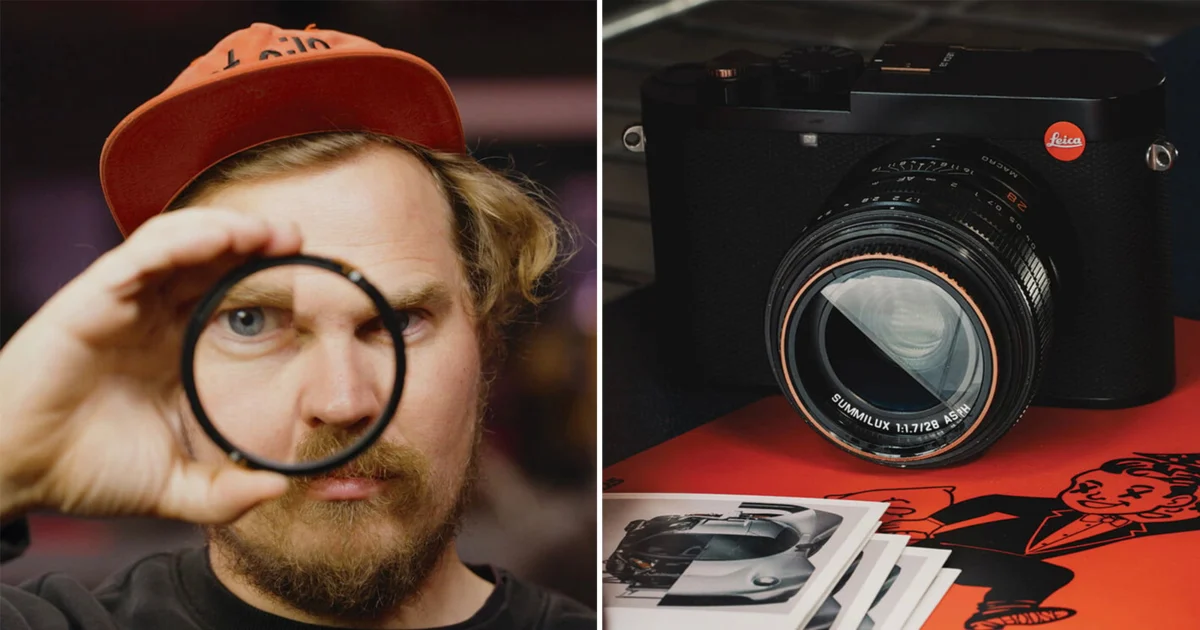
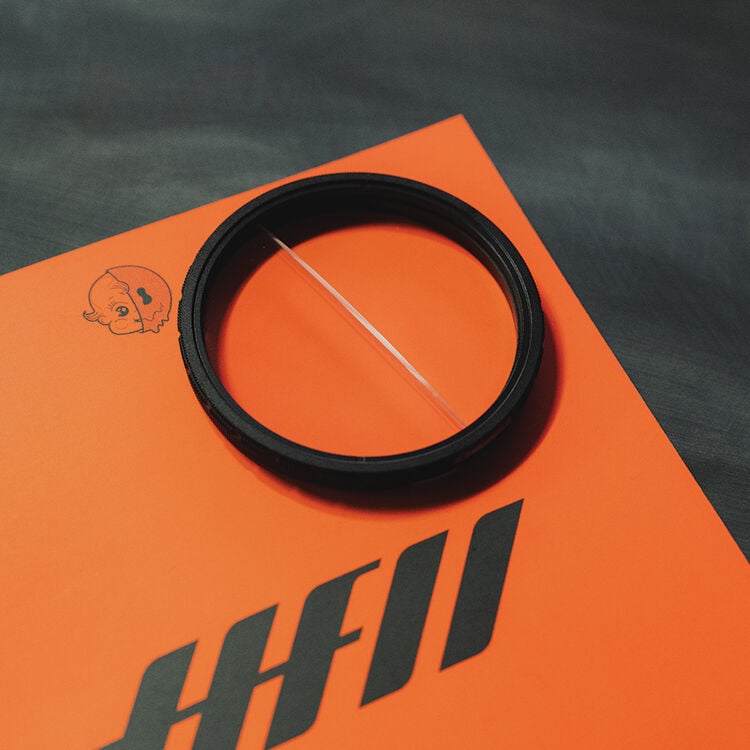
PolarPro, a leading manufacturer of professional-grade imaging accessories, has officially announced the release of the Split 50, a specialized lens filter designed to replicate the iconic split-focus diopter effect used in classic cinema. This new optical tool features a distinctive semi-circular design where one half of the filter is occupied by a +2 diopter glass element, while the remaining half is left entirely open. This unconventional construction allows photographers and cinematographers to achieve a dual-focus plane within a single exposure, effectively bringing two subjects at vastly different distances into sharp focus simultaneously. By bridging the gap between vintage practical effects and modern digital workflows, PolarPro aims to provide creators with a tool that encourages in-camera experimentation over post-production manipulation.
The Split 50 arrives at a time when the imaging industry is seeing a significant resurgence in the demand for "organic" and "analog" aesthetics. While modern digital sensors and lenses are engineered for clinical perfection, many creators are seeking ways to introduce character and visual tension into their work. The Split 50 addresses this by reviving a technique that has been a staple of high-end filmmaking for nearly a century, now packaged in a form factor compatible with contemporary mirrorless and cinema camera systems.
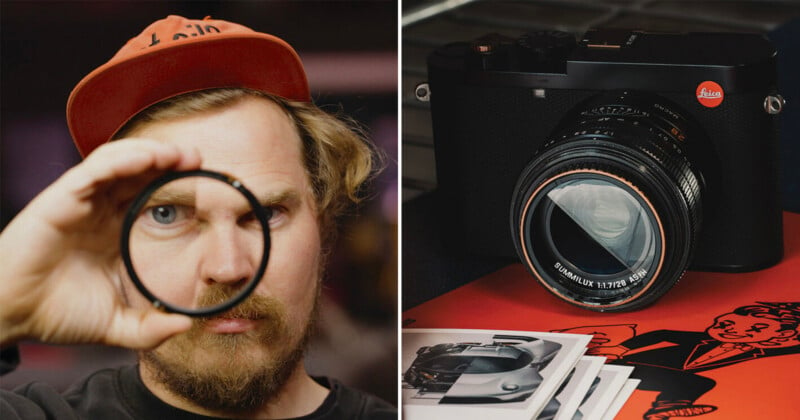
The Technical Mechanics of the Split-Focus Diopter
To understand the significance of the PolarPro Split 50, one must first understand the optical challenge it solves. In standard photography, a lens can only focus on a single plane of light at any given time. While stopping down the aperture (using a higher f-number like f/11 or f/16) can increase the depth of field to make more of the scene appear sharp, it often requires an immense amount of light and eliminates the desirable background blur (bokeh) that many creators prize.
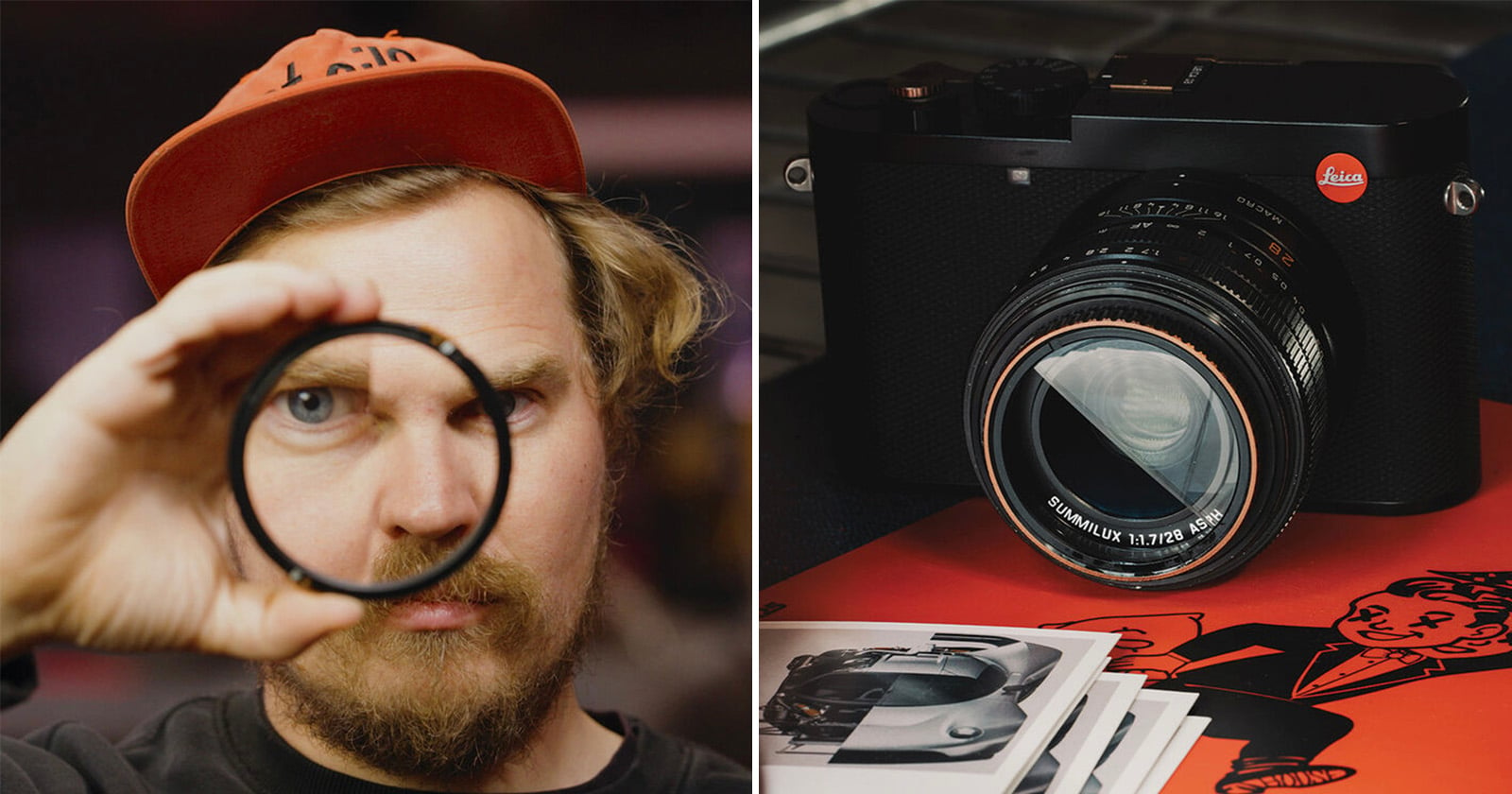
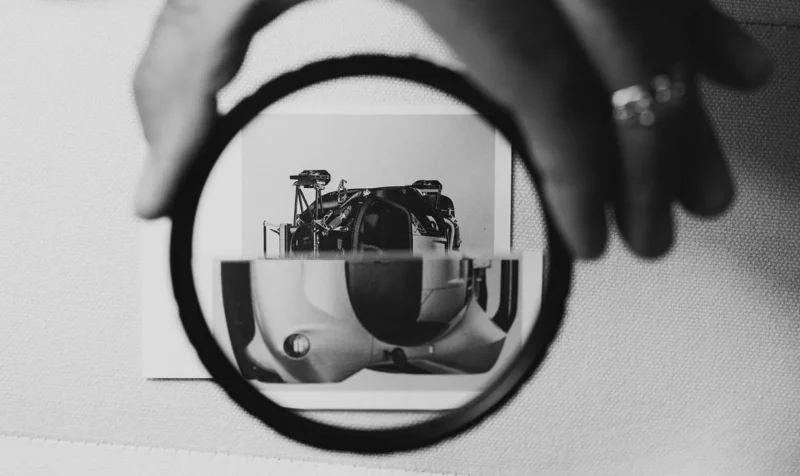
The Split 50 functions as a high-quality magnifying element that covers only half of the lens’s field of view. The +2 diopter side of the glass effectively "pulls" the focus of that specific half of the frame closer to the camera. Meanwhile, the open half of the filter allows the lens to maintain its native focus on a distant subject. The result is a composite-like image created entirely through physics, where a foreground subject (such as a person’s face) and a background subject (such as a distant car or a secondary character) are both rendered with clarity.
PolarPro has engineered the Split 50 to be rotatable within its housing. This is a critical feature for composition, as it allows the user to orient the "split" vertically, horizontally, or diagonally. This flexibility ensures that the focus transition can be hidden along natural lines in the environment—such as a pillar, a doorway, or a horizon line—making the optical trickery nearly invisible to the untrained eye.
A Brief History: From Citizen Kane to the Modern Era
The release of the Split 50 is a direct nod to the history of cinematography. The pursuit of "deep focus"—the ability to keep everything in the frame sharp—was popularized in the 1940s by cinematographer Gregg Toland and director Orson Welles in the masterpiece Citizen Kane. At that time, achieving such shots required powerful studio lights and specialized lenses.
However, it was the split-focus diopter that truly revolutionized the ability to create layered storytelling. Directors like Brian De Palma became synonymous with the technique, using it in films such as Blow Out and The Untouchables to show a character’s reaction in the foreground while simultaneously capturing the action unfolding behind them. This created a sense of voyeurism and heightened tension that digital cropping or "faking it" in post-production often fails to replicate.
Other notable uses of the effect can be seen in Quentin Tarantino’s Reservoir Dogs and Pulp Fiction, as well as in the works of John Carpenter. By bringing this tool to the consumer and prosumer market, PolarPro is enabling a new generation of YouTubers, indie filmmakers, and commercial photographers to utilize a visual language that was previously reserved for big-budget Hollywood productions.
Engineering Standards and Build Quality
True to PolarPro’s reputation, the Split 50 is built using the company’s proprietary Cinema Series glass. This optical-grade material is treated with multiple layers of specialized coatings, including anti-reflective (AR) coatings to prevent ghosting when shooting toward light sources, and scratch-resistant layers to ensure longevity in rugged environments. The use of low-dispersion glass is particularly important for a diopter, as magnifying elements are often prone to chromatic aberration (color fringing). PolarPro’s engineering aims to minimize these artifacts, maintaining the color integrity and sharpness of the primary lens.
The frame of the filter is constructed from CNC-machined aluminum. This choice of material provides a lightweight yet durable housing that can withstand the rigors of professional sets. The matte black anodized finish is specifically chosen to reduce internal reflections within the lens barrel. For creators using the Helix MagLock system—PolarPro’s proprietary magnetic mounting ecosystem—the Split 50 offers a seamless "snap-on" experience, allowing for rapid filter changes during fast-paced shoots. For those using traditional setups, the filter is also available in standard threaded versions.
Practical Application and Best Practices
While the Split 50 is a powerful tool, it requires a nuanced understanding of optics to master. PolarPro recommends using the filter at wider apertures, specifically between f/1.2 and f/4. In this range, the transition line between the diopter glass and the open air is at its most blurred, creating a smoother "melt" between the two focal planes. If the aperture is too narrow (e.g., f/8 or f/11), the physical edge of the glass may become visible as a sharp line in the middle of the image, which can be distracting unless used for specific stylistic reasons.

The +2 strength of the diopter is a versatile choice. It provides enough magnification to bring objects just a few feet away into focus while the background remains at infinity. This makes it ideal for:
- Narrative Filmmaking: Showing a protagonist’s expression while a threat approaches in the distance.
- Product Photography: Focusing on a detail of a product in the foreground while keeping the brand logo or lifestyle setting sharp in the background.
- Experimental Portraiture: Creating surreal, dream-like compositions where different parts of the frame defy standard depth-of-field logic.
Market Implications: The Shift Toward In-Camera Effects
The introduction of the Split 50 reflects a broader trend in the imaging industry: the "Practical Effects Renaissance." In the early 2010s, the trend was toward capturing a "clean" image and adding effects in software like Adobe Premiere or Photoshop. However, as AI-generated imagery and digital perfection become ubiquitous, there is a growing premium on "in-camera" authenticity.
Industry analysts note that filters like the Split 50, as well as mist filters and streak filters, are seeing record sales. This is largely driven by the desire for a "tactile" look that feels more human and less algorithmic. By using a physical piece of glass to split the focus, the light is bent before it ever hits the sensor. This creates organic transitions and subtle imperfections that are notoriously difficult to replicate convincingly with digital masks or blur tools.

Furthermore, the Split 50 offers a workflow advantage. For professional sets, seeing the final look on the monitor in real-time allows directors and cinematographers to make immediate creative decisions. It eliminates the "we’ll fix it in post" mentality, which often leads to ballooning budgets and lost creative intent.
Pricing, Availability, and Compatibility
PolarPro has positioned the Split 50 to be accessible to a wide range of creators, from hobbyists to professional rental houses. The pricing structure is tiered based on size and mounting style:
- 49mm Threaded: $80
- 67mm, 77mm, and 82mm Threaded: $100
- Helix MagLock Version: $150 (Requires a Helix Base Plate, sold separately)
The inclusion of the 49mm size is a strategic move, catering to the massive community of Fujifilm X100 series and Leica Q series users who prefer compact, "street-style" setups. The larger 77mm and 82mm sizes are intended for professional cinema primes and high-end zoom lenses used in commercial production.
The Split 50 is currently available for pre-order through PolarPro’s official website and authorized global retailers. Shipping is expected to begin in the coming weeks, marking a new chapter for creators looking to add a classic cinematic dimension to their visual storytelling.
Final Analysis: A Niche Tool with Broad Potential
The PolarPro Split 50 is not a "set-and-forget" filter like a UV protector or a standard ND. It is a deliberate creative choice that demands intentional composition. While it may remain a niche tool for some, its ability to break the fundamental "rules" of photography makes it an essential asset for anyone looking to push the boundaries of what can be achieved in a single frame.
By miniaturizing and modernizing the split-focus diopter, PolarPro has successfully democratized a legendary cinema effect. As the line between professional cinema and high-end content creation continues to blur, tools like the Split 50 will likely become staples in the kits of those who value the art of optical storytelling over digital convenience. In an era where everyone has a high-resolution camera in their pocket, the ability to create a truly unique, physically-driven image is perhaps the most valuable asset a creator can have.

