


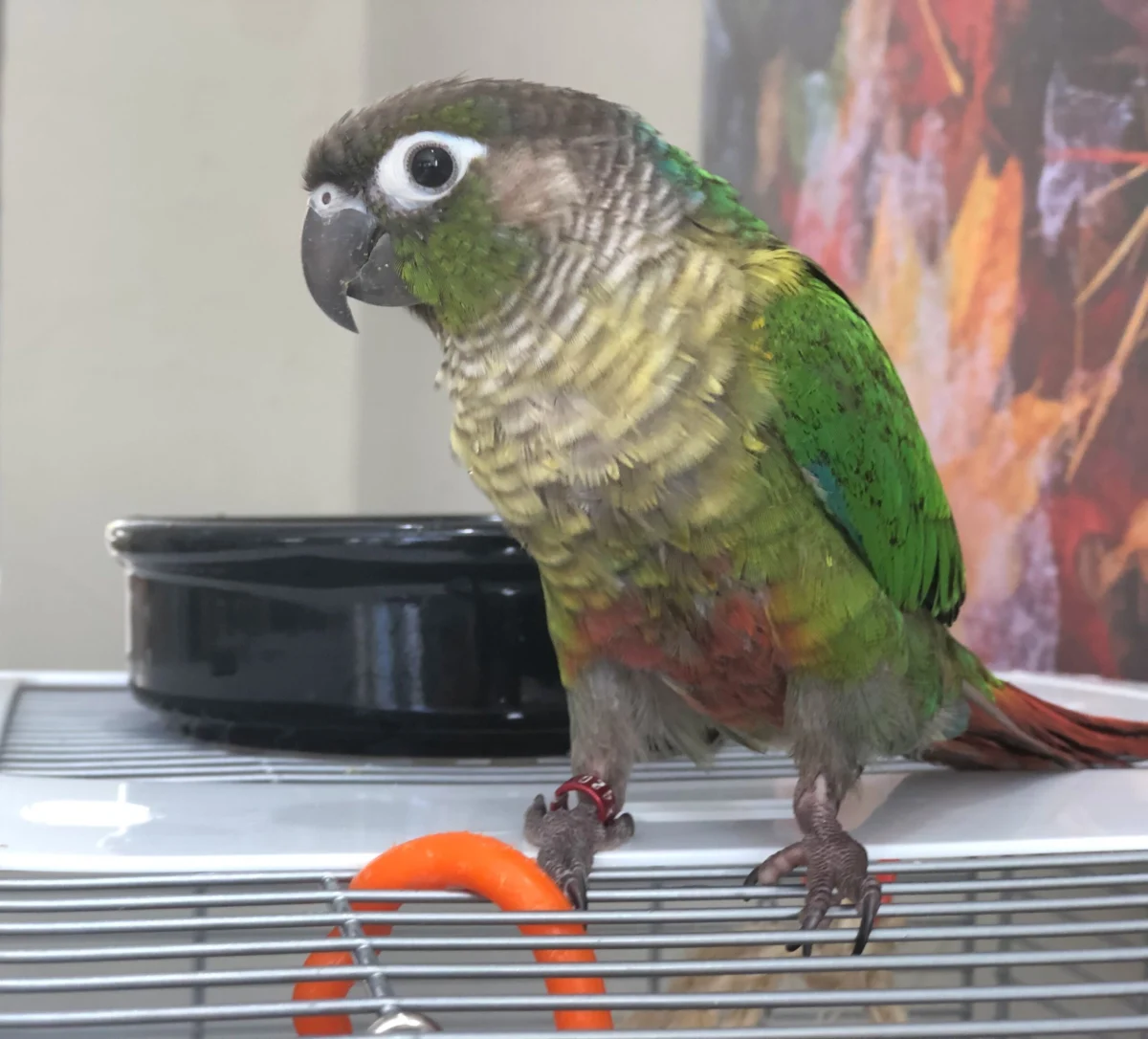
Indoor bird owners frequently observe signs of discomfort such as increased scratching, visible feather dust, and general agitation, particularly during the colder winter months or periods of molting. These symptoms, while often alarming to pet parents, are commonly indicative of environmental factors, with dry indoor air being a primary culprit. Understanding the nuances of avian skin and feather health, coupled with appropriate husbandry practices, is crucial for mitigating these issues and ensuring the well-being of companion birds. This guide provides an in-depth look at identifying, addressing, and preventing common skin and feather irritations in pet birds, distinguishing between normal physiological processes and conditions requiring professional veterinary attention.
Understanding the Avian Integumentary System and Environmental Impact
The skin and feathers of birds constitute a complex integumentary system vital for insulation, flight, protection, and sensory perception. Feathers, composed primarily of keratin, require specific environmental conditions to maintain their integrity and functionality. In their natural habitats, most psittacine and passerine species thrive in environments with moderate to high humidity, which is essential for keeping feathers supple and skin hydrated. Indoor environments, especially during winter when central heating systems are active, often experience significantly lower humidity levels, frequently dropping below 30% relative humidity. This stark contrast to a bird’s natural environment can lead to desiccation of the skin and feathers, manifesting as dryness, flakiness, increased feather dust, and persistent itchiness.
Identifying Symptoms: Normal vs. Concerning
Pet bird owners must develop a keen eye for distinguishing between normal avian behaviors and those that signal underlying issues. A baseline understanding of typical preening and molting patterns is fundamental.
Usually Normal Signs Associated with Dry Air or Molt:
- Increased Preening and Scratching: Birds naturally preen to maintain feather condition. During a molt, new pin feathers, encased in keratin sheaths, can be itchy as they emerge. Dry skin exacerbates this sensation, leading to more frequent scratching or rubbing against perches.
- Visible Feather Dust: All birds produce some level of feather dust, especially cockatiels, cockatoos, and African Greys, which possess specialized "powder down" feathers. However, an increase in visible dust or dander, alongside flakiness on the skin or beak, often points to dryness.
- Mild Irritation During Molt: As new feathers push through the skin, some localized redness or mild discomfort is not uncommon. Birds may appear slightly less energetic or more focused on preening specific areas.
Signs That Are Not Normal and Require Veterinary Consultation:
It is critical to recognize when symptoms escalate beyond what dry air or a typical molt would cause. These signs are not manageable at home and necessitate immediate attention from an avian or exotics veterinarian:
- Open Wounds or Bleeding Feathers: Any breach in the skin barrier, especially bleeding, is a serious concern due to infection risk.
- Bald Patches or Significant Feather Loss Not Consistent with Molt: Patchy feather loss, particularly symmetrical patterns, or extensive feather loss outside of a typical molting cycle, can indicate underlying disease, nutritional deficiencies, or severe feather destructive behavior.
- Sudden Behavioral Changes: Lethargy, loss of appetite, changes in droppings, decreased vocalization, or aggression are general signs of illness that may accompany dermatological issues.
- Feather Destructive Behavior (FDB): This includes plucking, chewing, or mutilating feathers, which can range from mild over-preening to severe self-mutilation. While dry skin can contribute to discomfort, FDB is a complex condition often rooted in medical, behavioral, or psychological factors.
- Signs of Pain or Discomfort: Continuous vocalization of distress, reluctance to be handled, or guarding specific body parts suggest pain.
- Lumps, Bumps, or Lesions on the Skin: These could indicate infections, cysts, tumors, or other dermatological conditions.
- Chronic Dull or Damaged Feathers: Feathers that consistently appear dull, brittle, or damaged despite good husbandry and diet may signal systemic issues.
If any of these severe signs are observed, prompt veterinary intervention is paramount. Early diagnosis and treatment can prevent the progression of serious conditions.
Bathing Habits: A Question of Method, Not Will
Many owners misinterpret a bird’s reluctance to bathe as an aversion to cleanliness. In reality, it is often an aversion to the method of bathing. Birds are particular creatures, and their bathing preferences are as varied as their personalities. Forcing a bath can be highly stressful and counterproductive, potentially creating a negative association with water.
The Avian Veterinary Consensus on Bathing:
Most avian veterinarians advocate for offering the opportunity for daily bathing, rather than enforcing it. This approach respects the bird’s autonomy and natural instincts. In dry indoor environments, daily access to moisture is especially beneficial.
Effective Bathing Opportunities Include:
- Shallow Dishes or Bowls: Many birds prefer to splash in a shallow dish of lukewarm water placed securely in their cage or a designated bathing area.
- Misting with a Fine Spray Bottle: A clean, unscented spray bottle set to a fine mist, directed above the bird so the water gently falls like rain, is often accepted. Avoid direct, strong sprays, especially towards the face.
- Wet Leafy Greens: Offering thoroughly rinsed, wet leafy greens (e.g., romaine lettuce, kale) can entice some birds to rub against them, absorbing moisture and preening.
- Shower Steam or Perching in the Shower: Some birds enjoy perching on a shower rod or suction-cup perch within the bathroom while a warm shower runs, benefiting from the ambient humidity. Direct contact with the shower stream should be gradual and optional.
- Specialized Bird Baths: Commercially available bird baths that attach to cages or stand alone can provide an inviting option.
The key principle is choice. When birds are given control over how and when they interact with water, bathing often becomes a positive and enjoyable activity. Forced baths, however, rarely yield long-term positive results and can damage the bond between bird and owner.
Addressing the Root Cause: Environmental Humidity
While bathing offers immediate relief, it is a temporary solution if the underlying environmental dryness persists. The most effective long-term strategy involves increasing ambient humidity.
Strategies for Enhancing Indoor Humidity:
- Humidifiers: A cool-mist ultrasonic humidifier is generally preferred for bird rooms as it does not produce hot steam that could burn a bird or minerals that could be inhaled. Ensure the humidifier is cleaned daily with a diluted vinegar solution to prevent mold and bacterial growth, and use distilled water if possible to avoid mineral dust.
- Placement: Position the humidifier near the bird’s cage but not so close that the mist directly blasts the bird. Air circulation is important for even distribution.
- Evaporation Bowls: Placing shallow bowls of water near heat sources or on top of cages can add a small amount of moisture to the air. While less effective than humidifiers, they contribute to the overall effort.
- Misting the Air: Regular misting of the air around the cage (not directly at the bird, unless they enjoy it) can temporarily raise humidity.
- Houseplants: Certain houseplants can contribute to ambient humidity through transpiration, though their effect is usually minimal for significant humidity increases. Ensure any plants are non-toxic to birds.
- Avoiding Drying Agents: Do not use air fresheners, scented candles, or harsh cleaning chemicals in the vicinity of birds, as these can irritate respiratory systems and skin.
Maintaining a relative humidity of 40-60% in the bird’s living area is ideal. A hygrometer can help monitor indoor humidity levels, allowing for adjustments as needed.
Nutritional Support for Skin and Feather Health
Beyond environmental factors, nutrition plays a critical role in maintaining healthy skin and vibrant feathers. Deficiencies in specific vitamins and fatty acids are common, particularly in birds on seed-heavy diets.
Key Nutrients and Their Role:
- Vitamin A (Beta-carotene): Essential for healthy epithelial tissue, including skin and the lining of the respiratory and digestive tracts. Deficiency can lead to dry, flaky skin, poor feather quality, and respiratory issues.
- Sources: Dark leafy greens (kale, spinach), orange and yellow vegetables (carrots, sweet potatoes, bell peppers), certain fruits (mango, papaya).
- Vitamin E: A powerful antioxidant that supports skin integrity and overall cell health. It works synergistically with selenium.
- Sources: Nuts (almonds, walnuts – in moderation), seeds (sunflower, safflower – again, in moderation due to fat content), leafy greens, certain fruits.
- Omega Fatty Acids (Omega-3 and Omega-6): Crucial for cell membrane structure, reducing inflammation, and promoting healthy skin and glossy feathers. The ratio of omega-3 to omega-6 is important.
- Sources: Flaxseed, chia seeds, hemp seeds, certain fish oils (use only avian-specific supplements and consult a vet), dark leafy greens.
Implementing Nutritional Changes:
- Balanced Diet: Transitioning a bird from an all-seed diet to a high-quality pelleted diet supplemented with fresh fruits, vegetables, and small amounts of healthy grains is the most impactful nutritional change.
- Careful Supplementation: If dietary improvements are not sufficient, targeted supplementation might be considered. However, this should always be done sparingly and under veterinary guidance to avoid hypervitaminosis (vitamin toxicity), which can be as harmful as deficiencies. Products like the "Healthy Start Feather & Skin Kit" mentioned in the original text are designed for gentle, balanced support but are not a substitute for a comprehensive diet or veterinary care.
- Observation: Monitor your bird’s response to dietary changes over several weeks. Improvements in feather quality and skin comfort are gradual.
The Interplay with Molting and Feather Destructive Behavior (FDB)
Molting is a natural, energy-intensive process during which birds replace old, worn feathers with new ones. This process can last weeks or months, depending on the species and individual bird.
Why Molt Can Exacerbate Discomfort:
During a molt, hundreds or even thousands of new feathers push through the skin simultaneously. Each new feather, or "pin feather," is encased in a keratin sheath and has a blood supply, making it sensitive. Dry indoor air causes the skin to become less pliable, making the emergence of these pin feathers more uncomfortable, even painful. This increased irritation leads to more intense scratching and preening as the bird attempts to relieve the discomfort and break open the keratin sheaths.
Early Support Prevents Escalation:
By proactively addressing skin comfort through humidity and gentle bathing, owners can significantly reduce the urge to scratch and over-preen during a molt. When skin is comfortable and pliable, new feathers grow in more easily, reducing the initial irritation that can sometimes lead to an unhealthy fixation on preening. Early intervention in mild cases can prevent a normal, albeit uncomfortable, molt from escalating into chronic feather destructive behavior.
Distinguishing Molt from Plucking:
It is crucial to differentiate between normal molting and FDB. While dry air can contribute to discomfort that might trigger excessive preening, dry air alone rarely causes severe feather destruction. FDB is a complex condition with multiple potential causes, including medical (infections, organ disease, allergies), environmental (stressors, boredom, lack of enrichment), and behavioral (anxiety, hormonal issues). If a bird is actively breaking or pulling out feathers, especially healthy ones, or causing skin damage, a comprehensive veterinary workup is essential.
Early signs worth paying attention to that could escalate into FDB if unaddressed:
- Persistent Scratching: Beyond what is normal for a comfortable bird.
- Feather Fraying: Tips of feathers looking chewed or worn down.
- Visible Skin Redness: In areas of frequent preening.
- Obsessive Preening: Spending an excessive amount of time on one specific feather area.
These are signals to adjust home care and environmental support early, rather than reasons to panic.
When to Seek Professional Veterinary Care
While many mild cases of dry skin and itchiness can be managed at home, knowing when to consult an avian veterinarian is critical. Environmental fixes and improved husbandry are highly effective in the early stages when skin and feathers are still intact.
Call an Avian Vet if you observe:
- Rapid or unexplained feather loss that is not part of a normal, symmetrical molt.
- Visible skin lesions, redness, swelling, or scaling.
- Bleeding, open wounds, or self-mutilation.
- Changes in feather texture, color, or growth that are persistent.
- Any signs of illness such as lethargy, changes in appetite, weight loss, or altered droppings, especially if they coincide with feather issues.
- Feather destructive behavior (plucking, chewing, breaking feathers) that progresses or becomes chronic.
Do not wait if:
- Your bird has an open wound.
- Your bird is actively bleeding.
- Your bird is pulling out feathers to the point of causing skin damage.
- Your bird shows signs of systemic illness.
Why Timing Matters:
Early veterinary intervention can make a significant difference in the prognosis for many avian health issues. Prompt diagnosis of underlying medical conditions (e.g., infections, parasites, organ disease, allergies) allows for targeted treatment, preventing the condition from worsening or becoming chronic. In cases of feather destructive behavior, addressing the root cause early can prevent the behavior from becoming ingrained and much harder to treat.
Expected Outcomes and Goals
The goal of comprehensive care for dry skin, itchiness, and feather dust is to support the bird’s comfort, reduce irritation, and empower the bird to maintain its own feather health.
- Mild and Seasonal Issues: For cases primarily driven by dry indoor air or a normal molt, owners should expect to see less scratching, reduced feather dust, and calmer, more efficient preening within one to two weeks of consistently improving humidity and offering appropriate bathing opportunities.
- Molt-Related Discomfort: If the issue is predominantly related to molting, feather comfort will improve gradually over several weeks as the new feathers fully emerge and mature.
- No Improvement: If, after one to two weeks of implementing environmental and basic husbandry improvements, there is no noticeable change, or if symptoms worsen, it is imperative to schedule a veterinary appointment. This indicates that the issue may not be solely environmental and requires professional diagnosis.
The ultimate objective is to provide an environment that supports optimal avian health, reducing the need for intensive interventions and ensuring a happy, comfortable life for companion birds. Owners play a pivotal role in observing their birds, understanding their needs, and knowing when to seek expert help, thereby upholding the highest standards of avian welfare.
References:
- Chen et al., Frontiers in Physiology (2020)
- Cooper & Harrison, Avian Medicine: Principles and Application
- Lightfoot, Merck Veterinary Manual (2024)
- Diane Burroughs, LCSW – Licensed psychotherapist, ABA-trained behavior specialist, and avian wellness educator. With 30+ years of hands-on experience, Diane focuses on nutrition and behavior-first, science-backed care for pet birds.

