


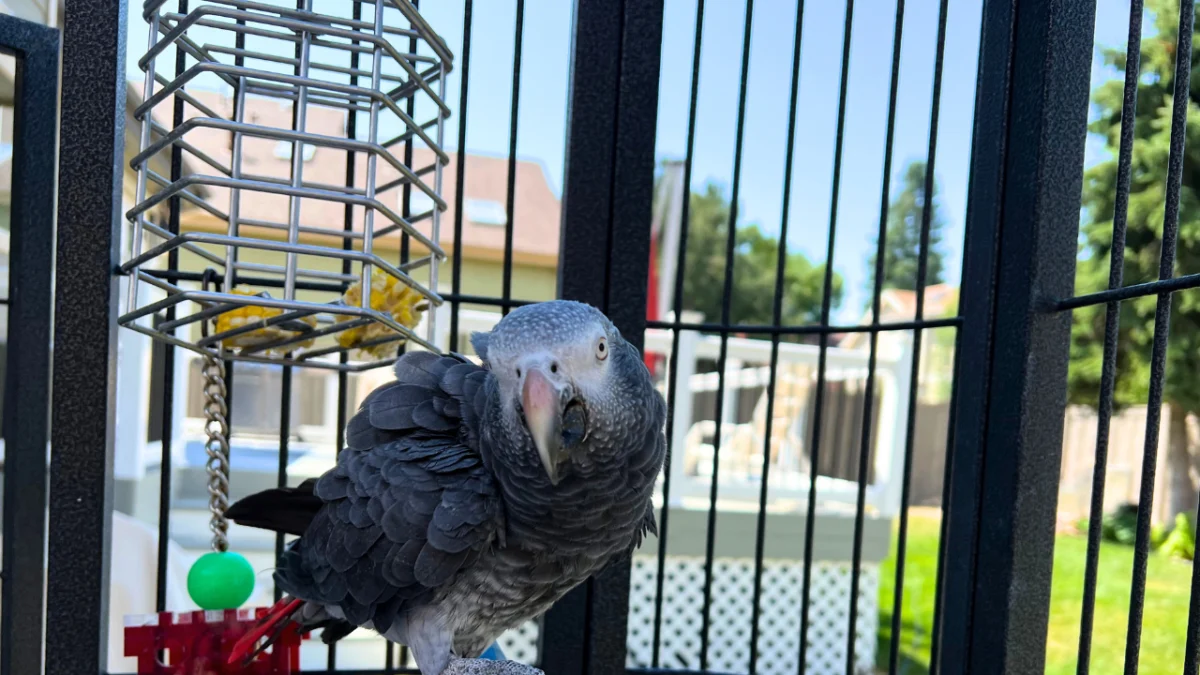
The African Grey parrot, a species renowned for its exceptional intelligence and complex vocal abilities, demands a sophisticated approach to care that extends far beyond basic provisions. Owners of these remarkable birds often recognize their profound cognitive capacities, yet the full implications for daily husbandry are sometimes underestimated. Without a deliberate and multifaceted enrichment program, these highly intelligent avians are prone to developing a range of debilitating behavioral issues, including persistent screaming, destructive biting, and psychogenic feather plucking. This guide delves into the essential components of a robust enrichment strategy, designed to foster mental acuity, physical health, and emotional stability in African Greys, drawing on scientific research and expert insights to provide actionable advice for responsible pet ownership.
Understanding the African Grey’s Exceptional Intellect
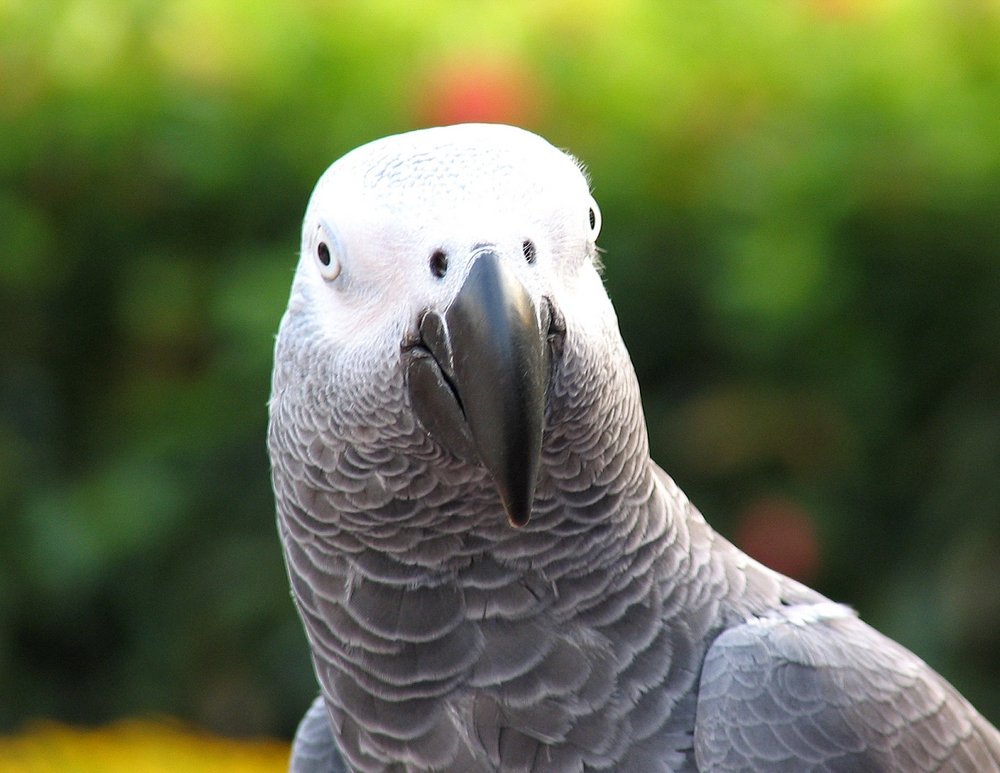
African Greys (Psittacus erithacus) are not merely mimics; they possess cognitive abilities that place them among the most intelligent animals on the planet. Decades of groundbreaking research, particularly by Dr. Irene Pepperberg with her famous parrot, Alex, have profoundly reshaped our understanding of avian cognition. Alex demonstrated an ability to understand concepts such as "same" and "different," identify up to 50 different objects, recognize quantities up to six, and even understand the absence of an object (the concept of "none"). His capacity for contextual communication and problem-solving has been likened to that of a four to five-year-old human child. This profound intellectual capacity is a double-edged sword: while it makes Greys engaging companions, it also necessitates an environment that continuously challenges and stimulates their minds. In the wild, African Greys spend their days engaged in complex tasks such as extensive foraging for diverse food sources, navigating intricate forest canopies, and participating in dynamic social interactions within large flocks. These natural behaviors provide constant mental and physical exercise, which must be thoughtfully replicated in a captive setting.
The Critical Risks of Inadequate Enrichment
When an African Grey’s environment fails to meet its innate cognitive and behavioral needs, the consequences can be severe, manifesting as a spectrum of maladaptive behaviors. These are not mere annoyances but indicators of significant psychological distress and unmet welfare requirements.
Behavioral Manifestations of Boredom and Stress
One of the most alarming and prevalent issues is feather plucking, a self-mutilating behavior that can range from mild feather chewing to severe skin damage. Research, such as that by Meehan, Millam, and Mench (2003), has highlighted the direct link between limited foraging opportunities and increased physical complexity in the environment, and the prevention or reduction of psychogenic feather picking in parrots. Without sufficient mental engagement, birds may turn their attention to their own plumage as an outlet for frustration or anxiety.
Persistent screaming is another common complaint, often misinterpreted as defiance but frequently serving as a desperate call for attention or a sign of chronic boredom. Similarly, aggressive behaviors like biting can emerge from a bird feeling overwhelmed, insecure, or chronically under-stimulated. These acts are often attempts to communicate distress when other avenues of engagement are absent.
Beyond overt aggression, inadequate enrichment can foster inappropriate sexual attachment to human caregivers. While initially appearing as affectionate bonding, this can lead to unpredictable hormonal aggression, resource guarding, and significant stress for both the bird and its human companions, particularly when routines or relationships shift. Such attachments can be confusing for owners and detrimental to the bird’s long-term emotional health, as they blur the lines of a healthy human-animal relationship.
These behaviors underscore that enrichment is not a luxury but a fundamental component of avian care, akin to providing adequate nutrition and veterinary attention. A stimulating environment, rich in varied activities and social interaction, helps African Greys feel secure, challenged, and connected, thereby mitigating the likelihood of such distress-driven behaviors.
Crafting a Comprehensive Enrichment Program
A successful enrichment strategy for African Greys must be multi-faceted, addressing their environmental, physical, social, and cognitive needs.
Environmental Enrichment: Transforming the Cage into a Dynamic Habitat
The cage should be viewed not merely as a containment unit but as a primary living space that requires constant adaptation and stimulation.
Strategic Toy Placement and Rotation: A common oversight is hanging toys exclusively at the cage top. Greys benefit from enrichment across all cage zones—high, mid-level, and low—to encourage climbing, stretching, and exploration. Foot toys, small chew blocks, and rattles are ideal for cage floors or play stand trays, promoting ground-level foraging, a natural behavior for wild Greys. Utilizing all available space transforms the cage into a dynamic mini-playground, fostering physical health and reducing stress.
The Power of Novelty: African Greys are quick learners; once a puzzle is "solved" or a toy becomes overly familiar, interest wanes. Therefore, a consistent toy rotation schedule (every 7-10 days) is crucial. Owners do not need an extensive collection; simply swapping out 2-3 toys and storing others for later reintroduction can make an "old" toy feel brand new. Variety in textures, materials (balsa, yucca, vine, cardboard, palm leaf, seagrass, acrylic, stainless steel), and challenge levels is key to maintaining engagement. All toys must be bird-safe, securely fastened, and easily accessible.
Creating Enrichment Stations: Expanding enrichment beyond the cage is vital. Dedicated play stands, tree stands, or tabletop perches in bird-safe rooms can serve as "enrichment stations." These spaces can host foraging setups, shredding zones, or puzzle challenges, offering a change of scenery and new opportunities for exploration. This practice diverts attention from household furniture and provides constructive outlets for curiosity during out-of-cage time.
Foraging: Replicating Nature’s Ultimate Mental Challenge
In their natural habitat, African Greys spend a significant portion of their day actively searching for food, cracking seeds, peeling bark, and digging through substrate. This inherent drive to forage is a powerful tool for enrichment.
Beyond the Food Bowl: Instead of simply presenting food in a bowl, foraging toys and setups compel the bird to "work" for its meals, engaging their problem-solving skills and extending feeding time. This activity mirrors their wild behaviors and provides sustained mental and physical engagement.
Diverse Foraging Opportunities:

- Ground Foraging: Recreate ground foraging by scattering treats in shallow boxes filled with crinkle paper, clean leaves, or bird-safe toy parts.
- Commercial Foraging Toys: Brands like Caitec and Busy Bird offer durable, multi-level foraging toys that require birds to unscrew, slide, or flip components to access treats. These range in difficulty and can be gradually introduced.
- DIY Foraging: Simple household items like paper muffin cups, empty tissue boxes, or cardboard egg cartons can be filled with a mix of foot toys, bird-safe paper, and hidden snacks. These are cost-effective and allow for frequent changes.
Transitioning a bird from bowl feeding to foraging requires patience and a step-by-step approach, often starting with easy puzzles and gradually increasing the complexity. Resources like "Teach Your Bird to Forage" by experts like Diane Burroughs provide detailed guidance for this critical aspect of care.
Physical Activity and Spatial Exploration: Beyond the Bars
Confining an African Grey solely to its cage, even a large one, is detrimental to its physical and mental health. Daily out-of-cage time is non-negotiable.
Dedicated Play Spaces: Play gyms, tree stands, or designated bird-safe rooms provide opportunities for climbing, chewing, and exploring. These spaces should feature natural wood perches of varying diameters, hanging toys, and food/water cups. Rotating the setup of these areas also maintains novelty.
Visual and Sensory Stimulation:
- Window Perches: Offer visual stimulation, allowing birds to observe the outside world. However, careful consideration must be given to preventing drafts, overheating from direct sun exposure, and ensuring security from potential predators or escape.
- Shower Perches: Many African Greys enjoy the humidity and gentle mist of a shower, which benefits their feather health and offers a unique social bonding opportunity with their owner.
Outdoor Aviaries: For owners with the resources, a secure outdoor aviary provides unparalleled benefits, including exposure to fresh air, natural sunlight (essential for Vitamin D synthesis), and expansive space for flight and exploration. Aviaries must be predator-proof, escape-proof, and offer ample shade and shelter from the elements. Strict safety protocols, including supervision, are paramount during all out-of-cage activities to prevent encounters with ceiling fans, hot surfaces, electrical cords, toxic plants, or open windows.
Social and Cognitive Engagement: Nurturing the Human-Bird Bond
African Greys are highly social flock animals, and in captivity, the human family becomes their surrogate flock. Daily, meaningful interaction is vital.
Structured Play and Training: Short, consistent sessions (5-10 minutes) of play and training are highly effective for bonding and mental stimulation. Clicker training, a positive reinforcement method, is particularly beneficial. By pairing a distinct "click" sound with a desired behavior and an immediate reward (a small, favorite treat), owners can teach a wide array of behaviors, from basic commands like "step-up" and "targeting" to more complex tricks. This process not only teaches skills but also builds trust, confidence, and provides a valuable mental workout.
Verbal Interaction and Language: Leveraging the African Grey’s exceptional vocal mimicry and cognitive understanding can be a powerful enrichment tool. Engaging in "conversations," naming objects, describing actions, and using simple commands in context challenges their linguistic and conceptual abilities. This daily verbal exchange strengthens the bond and provides a unique form of cognitive exercise that few other species can partake in.

Flock Integration: Allowing the bird to be a part of daily household activities, within safe parameters, helps fulfill their social needs. This can include being on a play stand in the same room as the family, listening to conversations, or participating in quiet activities. The feeling of belonging and active participation is crucial for their emotional well-being.
Expert Perspectives and Avoiding Common Pitfalls
Avian behaviorists and veterinarians consistently emphasize that a proactive, holistic approach to enrichment is the most effective way to prevent and manage behavioral issues in African Greys. Diane Burroughs, LCSW, a specialist in avian anxiety disorders, underscores that success hinges on consistency and creativity, not necessarily a large budget. The scientific backing, evident in studies demonstrating the positive impact of environmental complexity and foraging on parrot welfare (e.g., Rozek, Millam, & Roudybush, 2010), reinforces these recommendations.
Common mistakes made by new parrot owners often include:
- Stagnant Environments: Failing to rotate toys or alter the cage setup, leading to rapid boredom.
- Underestimating Social Needs: Believing that a multitude of toys can replace daily, quality human interaction. Greys require consistent social engagement.
- Neglecting Physical Activity: A sedentary lifestyle contributes to obesity, lethargy, and a host of health and behavioral problems.
- Misinterpreting Behavior: Attributing undesirable behaviors to malice rather than recognizing them as symptoms of unmet needs or environmental deficiencies.
Broader Implications and the Future of Avian Care
The evolving understanding of African Grey intelligence and welfare has significant implications for the broader field of avian care. Moving beyond basic food, water, and shelter, modern parrot ownership increasingly emphasizes a responsibility to cater to the complex psychological and behavioral needs of these long-lived birds. This shift reflects a growing recognition that true welfare encompasses mental and emotional health, not just physical survival.
By implementing comprehensive enrichment strategies, owners contribute not only to the individual well-being of their birds but also to the advancement of responsible pet care practices globally. These strategies foster a deeper bond between bird and owner, minimize the prevalence of stress-related behaviors, and ultimately allow African Greys to thrive, living out their remarkable lifespans as curious, active, and joyful companions. The commitment to such a lifestyle is not merely about preventing problems; it is about unlocking the full potential of these extraordinary feathered geniuses.

