


Bringing a parrot into your home is a rewarding experience, offering companionship and endless fascination. However, these intelligent and inherently curious birds require a meticulously safe environment, often referred to as "parrot-proofing," to thrive. Their inquisitive nature, combined with a lack of understanding of human household hazards, makes them uniquely vulnerable to accidents that can range from minor injuries to fatal outcomes. This comprehensive guide outlines critical safety measures, drawing on expert recommendations and practical insights, to help current and prospective parrot owners create a secure habitat.
The Inherent Vulnerability of Pet Parrots
Parrots, with their keen intellect and natural drive to explore, perceive their surroundings differently than humans. In the wild, their environment is dynamic, requiring constant chewing to maintain their beaks and investigate potential nesting sites or food sources. This instinct translates into a compulsive need to interact with every object in a human home, often without distinguishing between safe toys and dangerous electrical cords or toxic substances. Avian veterinarians consistently report that a significant portion of emergency visits for pet parrots stem directly from preventable household accidents. These incidents highlight the critical need for owners to anticipate potential dangers and proactively mitigate risks before a new bird even steps foot in its new home.
Pre-Arrival Preparations: Establishing a Secure Foundation
The journey to a parrot-proof home begins long before the bird’s arrival. Owners should conduct a thorough room-by-room inspection of any area the parrot will access, adopting a bird’s-eye view to identify potential hazards. This includes considering what a parrot might chew, ingest, fly into, or get trapped behind. Engaging all family members in this process and ensuring they understand the protocols is paramount, as a lapse in vigilance by any individual can compromise the bird’s safety. Additionally, having an emergency plan, including the contact information for an avian veterinarian and knowledge of basic parrot first aid, is an essential component of responsible ownership.
Critical Environmental Hazards: Safeguarding Against Common Dangers
1. Electrical Cords and Outlets: A Shocking Reality
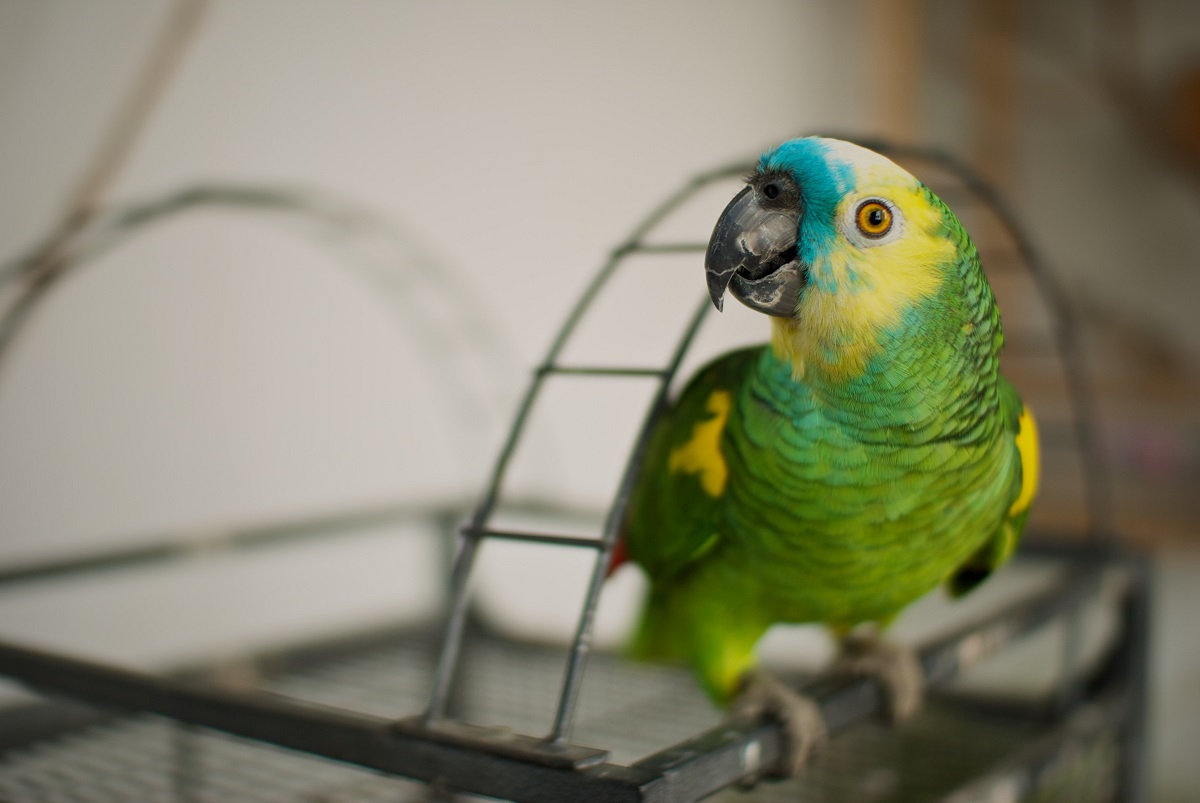
Parrots’ powerful beaks are designed for gnawing, a natural behavior essential for beak maintenance and exploration. Unfortunately, electrical cords and outlets often become irresistible targets. The consequences of a parrot chewing on a live electrical cord can be severe, leading to burns, electrocution, cardiac arrest, or neurological damage. Even a minor shock can be traumatic and cause long-term health issues.
- Supporting Data: While specific statistics on parrot electrocution are scarce, veterinary emergency rooms frequently treat pets, including birds, for electrical injuries. The American Veterinary Medical Association (AVMA) consistently advises pet owners about the dangers of exposed wiring.
- Preventative Measures: All electrical cords in areas accessible to a parrot must be hidden, protected, or secured. This can be achieved using PVC pipe conduits, cord protectors, or by strategically placing furniture to block access. Unused outlets should be covered with child-proof caps. Regularly inspect cords for any signs of damage, even in protected areas.
2. Fumes and Air Quality: The Silent Killers
Parrots possess an incredibly efficient respiratory system, characterized by air sacs that allow for continuous airflow through their lungs. While advantageous for flight, this physiology makes them extraordinarily sensitive to airborne toxins, often much more so than humans. What might be an innocuous scent to a human can be deadly to a parrot.
- Background Context: The historical use of canaries in coal mines as an early warning system for toxic gases underscores avian sensitivity to air quality.
- Specific Hazards:
- PTFE/Teflon: Overheated non-stick cookware coated with polytetrafluoroethylene (PTFE) releases toxic fumes that can cause acute respiratory distress and death in birds, often referred to as "Teflon toxicity."
- Aerosol Products: Air fresheners, hairsprays, deodorants, cleaning sprays, and perfumes can all contain volatile organic compounds (VOCs) and other chemicals harmful to avian lungs.
- Smoke and Soot: Cigarette smoke, fireplace smoke, burned food, candles, incense, and even fumes from self-cleaning ovens produce particulate matter and harmful gases.
- Cleaning Products: Ammonia, bleach, oven cleaners, and floor polishes emit strong fumes.
- Carbon Monoxide (CO): An odorless, colorless gas produced by incomplete combustion (e.g., faulty furnaces, water heaters, gas stoves) is lethal to birds.
- Preventative Measures: Never use non-stick cookware in a home with parrots. Avoid all aerosol products, candles, incense, and strong chemical cleaners. Ensure adequate ventilation when cooking or cleaning, and ideally, remove the parrot from the area during these times. Install carbon monoxide and smoke detectors throughout the home and regularly check their batteries.
3. Accidental Ingestion: The Beak’s Deadly Curiosity
A parrot’s beak is its primary tool for interacting with the world, leading them to nibble on virtually anything within reach. This inherent curiosity poses a significant risk of accidental ingestion of toxic or harmful items.
- Common Toxic Items:
- Toxic Foods: Avocado (persin), chocolate (theobromine), caffeine, alcohol, fruit pits/seeds (cyanide), onions/garlic, xylitol.
- Household Medications: Pills, capsules, and liquid medications, even those for humans, can be lethal.
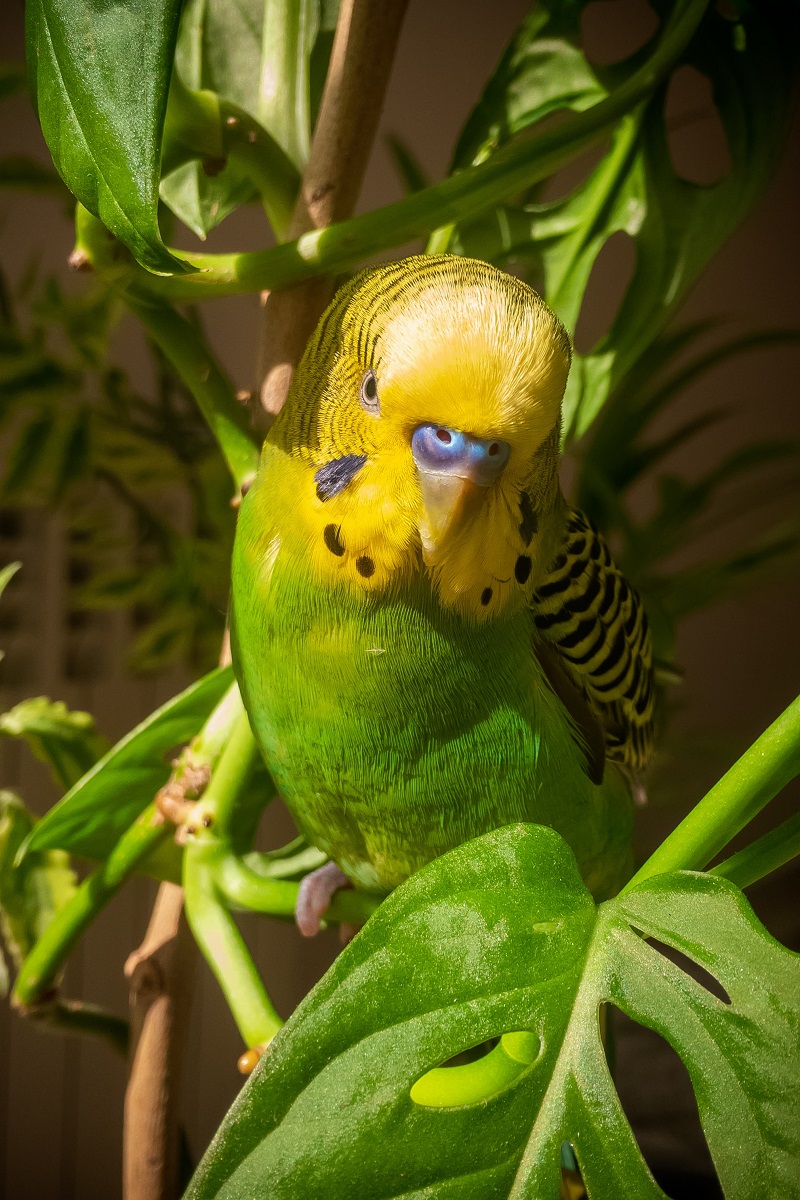
- Plants: Many common houseplants are toxic to parrots (e.g., lilies, philodendrons, poinsettias, azaleas, diffenbachia, monstera – as pictured in the original source, is mildly toxic). A comprehensive list of parrot-safe plants should be consulted.
- Heavy Metals: Zinc (from galvanized cages, some toys, hardware, pennies), lead (from old paint, stained glass, fishing weights, costume jewelry), and copper can cause severe poisoning. Symptoms can include lethargy, vomiting, diarrhea, seizures, and death.
- Cosmetics and Personal Care Items: Lotions, soaps, nail polish, and perfumes.
- Marijuana Products: Cannabis, in any form, is highly toxic to birds.
- Preventative Measures: Keep all medications, toxic foods, chemicals, and cosmetics securely stored and out of reach. Research all houseplants to ensure they are parrot-safe, or keep toxic varieties in inaccessible areas. Ensure all toys, cages, and hardware are made from bird-safe materials (e.g., stainless steel, powder-coated iron, natural untreated wood).
Structural and Environmental Safety: Beyond Ingestion
4. Doors, Windows, and Mirrors: The Escape and Collision Risks
Parrots are adept flyers and opportunistic escape artists. An open door or window represents an immediate escape route, leading to potentially fatal outcomes from outdoor predators, traffic, starvation, or exposure. Reflective surfaces like mirrors and large windows can also pose significant collision hazards.
- Supporting Data: Avian rescue organizations frequently report cases of lost or injured pet birds that have escaped through unsecured doors or windows. Head trauma and concussions from flying into reflective surfaces are common injuries.
- Preventative Measures:
- Windows and Doors: Install sturdy screens on all windows in rooms where the parrot has free-flight access. Consider double-door systems or visual cues (e.g., notes) for rooms leading outdoors. Develop a strict habit of confirming the parrot’s location (preferably in its cage) before opening any exterior door or window. Keep interior doors closed to prevent access to unsupervised areas or to avoid crushing injuries if a bird perches on top.
- Mirrors and Glass: Cover mirrors or apply decorative decals to large windows to make them visible to flying birds, preventing high-speed collisions that can cause severe injury or death.
5. Cage Safety: The Primary Habitat
The parrot’s cage is its sanctuary, yet it can also harbor dangers if not chosen, maintained, and equipped correctly.
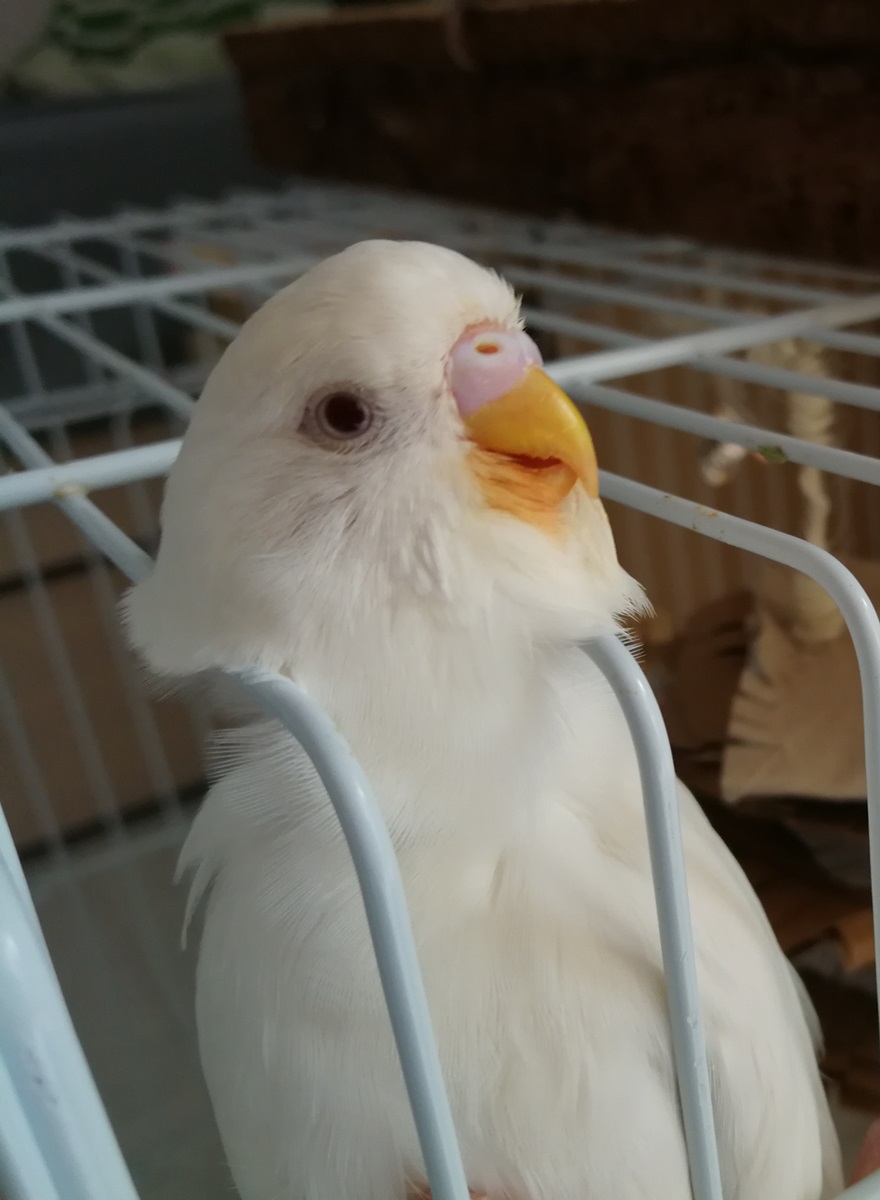
- Bar Spacing and Construction: The bar spacing must be appropriate for the bird’s size – wide enough for proper ventilation but narrow enough to prevent the bird from sticking its head through, which can lead to strangulation or entrapment. Cages should be constructed from non-toxic, durable materials (e.g., powder-coated steel, stainless steel) and free of rust or sharp edges. Flaking paint, particularly from older cages, can contain lead.
- Toys and Accessories: Toys are vital for enrichment but must be selected with extreme care. Avoid toys made with galvanized wire (zinc), easily breakable plastic, or small components that can be ingested. Designs with loops, bells with clappers, or small openings where a beak or foot can get trapped are dangerous. Regularly inspect toys for wear and tear; frayed ropes, splintered wood, or damaged metal components should be removed or replaced. The provided research by Lightfoot & Yeager (2008) explicitly highlights zinc toxicity from galvanized materials and poorly designed toys as significant threats.
- Perches: Provide a variety of natural wood perches of varying diameters to promote foot health. Avoid sandpaper perches, which can cause foot sores. Ensure perches are securely fastened and clean.
6. Furniture and Hidden Spaces: The Entrapment Risk
Parrots’ natural instinct to explore small, dark, enclosed spaces, especially when hormonal or broody, can lead them into dangerous situations. They may perceive such areas as potential nesting sites.
- Dangers: Getting trapped behind or under heavy furniture, inside open drawers, behind appliances, or within recliners can result in crushing injuries, suffocation, or prolonged distress.
- Preventative Measures: Block off access to all nooks, crannies, and spaces behind furniture or appliances. Ensure drawers and cabinet doors are always closed. Be extremely cautious with recliners, rocking chairs, and sofa beds, as a bird could easily be crushed if unseen.
7. Water Hazards: Drowning in Plain Sight
While some parrots enjoy bathing, even a shallow amount of water can pose a drowning risk if they fall in headfirst or become disoriented.
- Common Sources: Uncovered toilets, sinks, bathtubs, large water-filled vases, buckets, and even open aquariums are potential hazards.
- Preventative Measures: Always keep toilet lids down. Ensure sinks and bathtubs are drained immediately after use. Cover aquariums with secure lids. Do not leave buckets or large containers of water unattended in areas accessible to your parrot. Supervise bath time closely.
8. Other Pets: An Incompatible Dynamic
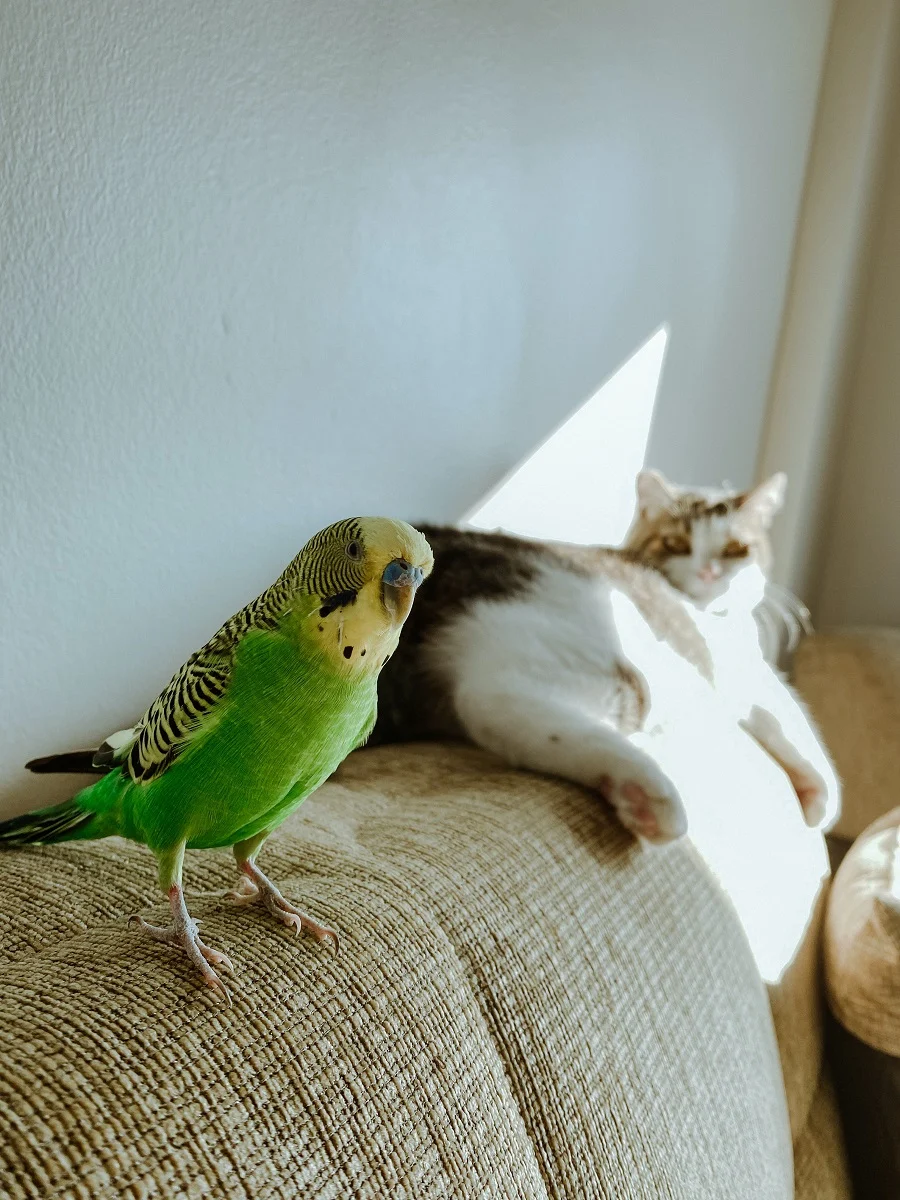
The presence of other household pets, particularly cats, dogs, ferrets, or even small rodents, introduces a significant and often underestimated risk to parrots. Even seemingly "well-behaved" animals can pose a threat due to their inherent predatory instincts or unintentional actions.
- Risks:
- Predation: A sudden movement from a parrot can trigger a dog’s prey drive or a cat’s hunting instinct.
- Bacterial Infection: A single scratch or bite from a cat or dog, even a minor one, can introduce Pasteurella multocida bacteria, which is often fatal to birds if not treated immediately.
- Crushing Injuries: A larger pet could accidentally step on or knock over a parrot.
- Stress: Constant exposure to a perceived predator can cause chronic stress, impacting a parrot’s immune system and overall well-being.
- Preventative Measures: Strict separation is the only truly safe approach. Parrots should never be left unsupervised with other pets, even for a moment. Ideally, they should inhabit separate rooms or areas where there is no physical access. Education for all family members, especially children, about this strict boundary is crucial.
Miscellaneous but Crucial Safety Considerations
- Hot Surfaces: Stove burners (even when cooling), irons, curling irons, and hot liquids can cause severe burns.
- Ceiling Fans: Moving ceiling fan blades are an extreme hazard, capable of causing fatal head trauma or wing injuries. Turn off all ceiling fans before a parrot is out of its cage.
- Pesticides and Insecticides: Avoid using these products inside the home. If necessary, remove the parrot from the premises for an extended period, and thoroughly ventilate the area before returning the bird.
- Jewelry and Small Objects: Rings, earrings, and other small items can be ingested, leading to impaction or heavy metal toxicity, or cause entanglement.
- Children: Young children must be supervised at all times when interacting with parrots, and taught gentle handling techniques to prevent accidental injury to both bird and child.
- Chemical Storage: All household chemicals, including cleaners, paints, and glues, must be stored in secure, inaccessible cabinets.
- Heated Perches/Lamps: While beneficial in some cases, these must be used with caution to prevent burns or overheating. Ensure proper wattage and placement.
Broader Impact and Implications
The implications of neglecting parrot safety extend beyond immediate physical harm. Accidents can lead to expensive emergency veterinary care, prolonged recovery periods, and significant emotional distress for owners. In tragic cases, preventable accidents result in the loss of a beloved companion. Proactive parrot-proofing, therefore, is not merely a recommendation but a fundamental aspect of responsible pet ownership, safeguarding the bird’s well-being, the owner’s peace of mind, and the financial investment in their pet.
Conclusion
Creating a parrot-proof home is an ongoing commitment that requires vigilance, education, and proactive measures. By understanding the unique vulnerabilities and natural behaviors of these intelligent birds, owners can transform their living spaces into secure environments where parrots can explore, play, and thrive without unnecessary risk. Regularly reviewing safety protocols, staying informed about potential hazards, and prioritizing the bird’s well-being will ensure a long, healthy, and happy life for these cherished feathered companions.

