


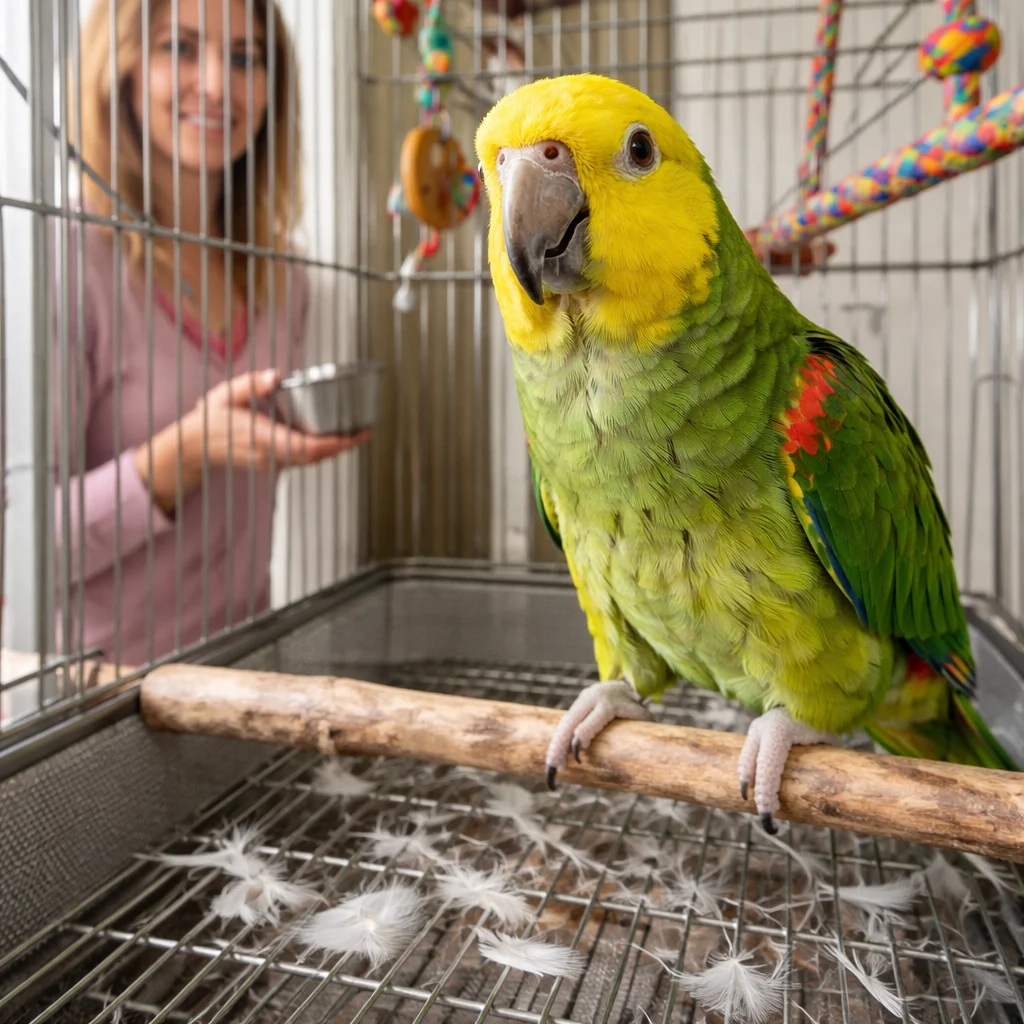
This distressing scenario is a common experience for many bird owners, frequently leading to immediate concern regarding their avian companion’s health. The sudden appearance of a significant quantity of feathers scattered across a cage floor can understandably trigger alarm, prompting thoughts of illness, stress, or self-mutilation. However, avian specialists emphasize that while such observations warrant attention, they do not automatically signify a severe problem. Often, the phenomenon is a natural and healthy biological process known as molting. Differentiating between normal molting and problematic feather plucking or loss is crucial for appropriate pet care and intervention.
The Avian Molt: A Natural Renewal Cycle
Molting is the physiological process by which birds shed old, worn, or damaged feathers and replace them with new ones. This cyclical event is vital for maintaining healthy plumage, which is essential for flight, insulation, camouflage, and social signaling. The frequency and intensity of molting vary significantly among species, influenced by factors such as age, season, diet, hormonal cycles, and environmental light exposure.
For many common pet bird species, such as parakeets and cockatiels, minor molts can occur several times a year, while larger parrots like African Greys, Amazons, and Macaws typically undergo one major molt annually. These major molts often coincide with specific times of the year, frequently after breeding seasons or during periods of environmental change, ensuring that birds have peak feather condition when needed most. The entire process can last several weeks to a few months, during which the bird’s energy reserves are significantly taxed.
During a molt, old feathers are pushed out by new ones developing within the follicle. These nascent feathers, known as "pin feathers" or "blood feathers," emerge encased in a waxy keratin sheath. The term "blood feather" refers to the fact that these growing feathers have a live blood supply running through their shaft, which nourishes their development. As the feather matures, the blood supply recedes, and the keratin sheath flakes off, often appearing as white, dandruff-like particles. Owners may observe their bird preening more intensely to help remove these sheaths, which can sometimes be itchy or irritating. The presence of numerous pin feathers, particularly around the head and neck, is a strong indicator of a healthy molt.
Feather Forensics: Distinguishing Molt from Plucking
The critical first step for any concerned bird owner is a simple "feather forensic" examination. The appearance of a fallen feather’s quill—the hollow, cylindrical base that was embedded in the skin—provides immediate clues about how it detached.
- Indications of Molting: A feather shed naturally during a molt will typically have a smooth, clear, and slightly pointed quill. This indicates a clean separation from the follicle, suggesting it simply slid out as part of the natural replacement cycle. The quill should appear intact and undamaged. Owners may also notice the aforementioned white keratin flakes (dander) accompanying these feathers, which are normal byproducts of new feather growth.
- Indications of Plucking or Self-Mutilation: In contrast, a feather removed by plucking will often exhibit signs of trauma. The quill might appear chewed, jagged, broken, or snapped off, indicating forceful extraction or destruction by the bird’s beak or feet. If the tip of the quill is bloody, ragged, or appears to have been torn from the skin, it is a strong indicator of plucking or over-preening. In severe cases, the feather might be entirely absent, with only the damaged quill remaining in the skin, or the skin itself may be visible, irritated, or wounded.
Beyond examining individual feathers, a broader assessment of the bird’s plumage and skin can provide further insights. The "Mist & Part" test involves lightly misting the bird with water or a specialized avian spray, then gently parting the feathers to observe the underlying skin. During a healthy molt, this process will reveal numerous "spikes" or pin feathers pushing through the skin, signifying new growth. Conversely, bare, red, inflamed, or scratched skin without visible new feather growth is a concerning sign that points towards plucking or a dermatological issue.
The "Hot Spot" Species Check: Recognizing Plucking Patterns
Behavioral feather plucking often follows predictable patterns depending on the species, offering another diagnostic layer for owners. While any bird can technically pluck feathers from any part of its body, certain areas are more commonly targeted.
- African Greys: These intelligent and sensitive parrots frequently target feathers under their wings or on their inner thighs. This pattern can be attributed to their tendency towards anxiety and stress, which might manifest in plucking in less accessible, private areas.
- Cockatiels: Smaller birds like cockatiels often focus on the shoulders or the center of the chest. These areas are easily reached and may become targets due to boredom or mild irritation.
- Cockatoos: Known for their strong beaks and remarkable dexterity, cockatoos often pluck from the chest, belly, and even the head. Their ability to use their feet to scratch and remove feathers from areas inaccessible to their beaks makes them particularly adept at comprehensive plucking. The appearance of raw, bare skin on the head, rather than the characteristic "spikes" of pin feathers during a molt, is a critical red flag.
- Other Species: Lovebirds and some conures might target the lower back or rump. Amazon parrots sometimes pluck from their breast and legs. Macaws, while less prone to chronic plucking than some other species, can still develop the habit, often starting on the chest or under the wings.
The "Rule of Thumb" remains consistent across all species: during a normal molt, head feathers should predominantly appear as "spikes" of new growth, not as totally bare, raw, or scratched skin. Any deviation from this generally healthy presentation warrants closer investigation.
Biology vs. Behavior: Unpacking the Root Causes of Feather Loss
It is imperative to understand that natural molting and pathological feather plucking stem from fundamentally different origins: biological necessity versus a complex interplay of medical, environmental, and psychological factors.
1. Biological (Molting): This is a genetically programmed, hormonally regulated process essential for survival and health. It is not indicative of distress unless the molt itself is unusually prolonged or severe due to underlying health issues.
2. Behavioral (Plucking/Over-Preening): This is a self-inflicted problem driven by a multitude of potential causes, often requiring veterinary intervention and significant changes in care. The primary categories of plucking causes include:
-
Medical Conditions: A wide array of underlying health issues can manifest as feather plucking or poor feather quality.
- Nutritional Deficiencies: Inadequate diets lacking essential vitamins (especially Vitamin A, D3) and minerals (calcium) or essential fatty acids can lead to dry, itchy skin and poor feather development, prompting plucking.
- Parasites and Infections: External parasites (mites, lice) or internal parasites (Giardia) can cause intense itching. Fungal or bacterial skin infections can also irritate the skin.
- Organ Disease: Liver disease, kidney disease, or thyroid imbalances can affect feather quality and lead to discomfort.
- Viral Diseases: Psittacine Beak and Feather Disease (PBFD) and Polyomavirus are devastating viral infections that directly impact feather follicles, causing abnormal feather growth and loss.
- Heavy Metal Toxicity: Exposure to lead, zinc, or other heavy metals can lead to a range of symptoms, including skin irritation and feather damage.
- Allergies: Environmental allergens (dust, pollen, specific foods) can cause pruritus (itching) leading to plucking.
- Pain: Underlying pain from injury or internal conditions can cause a bird to focus on and pluck feathers from the painful area.
-
Environmental Factors: The bird’s immediate surroundings play a significant role.
- Low Humidity: Dry air, especially common in heated indoor environments, can lead to dry, itchy skin.
- Lack of Bathing Opportunities: Regular bathing or misting is crucial for feather and skin hydration.
- Inadequate Lighting: Lack of full-spectrum UV lighting can disrupt hormonal cycles and nutrient metabolism, affecting feather health.
- Poor Cage Environment: Cages that are too small, lack appropriate perches, or are unclean can cause stress and boredom.
- Dietary Issues: Beyond nutrient deficiencies, an overall poor-quality diet (e.g., seed-only diets) is a major contributor.
-
Behavioral and Psychological Issues: These are often the most complex and challenging to address.
- Boredom and Lack of Enrichment: Highly intelligent and social birds, when left alone for long periods without stimulation, can develop self-mutilating behaviors as an outlet for frustration or under-stimulation.
- Stress and Anxiety: Changes in environment, new pets, household conflict, inconsistent routines, or perceived threats can induce chronic stress.
- Loneliness and Lack of Social Interaction: Parrots are flock animals. Insufficient interaction with their human caregivers can lead to isolation and distress.
- Hormonal Imbalances: Hormonal surges, particularly in sexually mature birds, can lead to aggressive nesting behaviors, territoriality, and sometimes over-preening that escalates to plucking.
- Learned Behavior: Birds may learn that plucking elicits a response from their owners, even negative attention, thus reinforcing the behavior.
- Trauma: Past experiences of abuse, neglect, or even sudden loud noises can trigger anxiety and plucking.
The 2-Step "Peace of Mind" Check and Beyond
For bird owners, the initial "feather forensics" and "Mist & Part" tests are crucial for an immediate assessment. However, persistent feather loss, skin irritation, or any doubt about the cause necessitates a consultation with an avian veterinarian.
Veterinary Diagnosis and Treatment: An avian vet will conduct a comprehensive physical examination, assess the bird’s diet and environment, and likely recommend diagnostic tests, which may include:
- Blood Work: Complete Blood Count (CBC) and biochemistry panels can identify infections, inflammation, organ dysfunction, and nutritional deficiencies.
- Feather Biopsies: Microscopic examination of feather follicles can diagnose viral diseases (like PBFD), bacterial infections, or fungal conditions.
- Skin Scrapes/Cultures: To identify parasites, bacteria, or fungi affecting the skin.
- Viral Testing: Specific tests for PBFD, Polyomavirus, and other avian viruses.
- Heavy Metal Screening: Blood or tissue tests to detect lead or zinc toxicity.
- Dietary Analysis: To pinpoint nutritional imbalances.
Management and Recovery:
Once the underlying cause (or causes) of plucking is identified, a multi-faceted approach to management is typically required.
- Addressing Medical Issues: This is paramount. Treating infections, correcting nutritional deficiencies with supplements (e.g., omega fatty acids, methionine, lysine, Vitamin A, D3), managing organ disease, or addressing toxicity will resolve medically induced plucking. Specialized "Molting & Skin Relief Recovery Systems" often target both the itch (for comfort) and any underlying nutritional deficiencies.
- Environmental Enrichment: This is a cornerstone for behavioral plucking.
- Cage Size: Provide the largest cage possible to allow for movement and exercise.
- Toys: Offer a wide variety of foraging, shredding, preening, and puzzle toys, rotated frequently to prevent boredom.
- Out-of-Cage Time: Ensure ample supervised time outside the cage for exploration and interaction.
- Social Interaction: Dedicate consistent daily time for interaction, training, and positive reinforcement.
- Light Cycles: Mimic natural daylight with 10-12 hours of bright, full-spectrum light (including UV-A and UV-B) followed by 12-14 hours of uninterrupted darkness.
- Humidity: Maintain adequate humidity through regular misting, bathing, or a humidifier.
- Dietary Adjustments: Transitioning to a high-quality pelleted diet supplemented with fresh fruits, vegetables, and sprouts is often critical.
- Behavioral Modification: Working with an avian behaviorist can help identify triggers and implement strategies to redirect plucking behaviors, reduce anxiety, and promote positive interactions. This might involve training, desensitization, or counter-conditioning.
- Topical Treatments/Collars: In severe cases, veterinarians might prescribe topical sprays to soothe irritated skin or, as a last resort, recommend an Elizabethan collar to prevent further self-mutilation while underlying issues are addressed.
Broader Implications and Avian Welfare
The distinction between a healthy molt and problematic feather loss is not merely an academic exercise; it has profound implications for avian welfare. Misinterpreting plucking as molting can lead to delayed intervention, allowing medical conditions to worsen or behavioral issues to become entrenched and more difficult to resolve. Conversely, panicking over a normal molt can lead to unnecessary veterinary visits and stress for both bird and owner.
The incidence of feather plucking in captive parrots highlights the challenges of meeting the complex needs of these intelligent, long-lived creatures in a domestic environment. It underscores the responsibility of pet owners to provide not just food and shelter, but a stimulating, species-appropriate environment that caters to their physical, emotional, and psychological well-being. Organizations like UnRuffledRx, founded by specialists such as Diane Burroughs, LCSW, are dedicated to advancing "behavior-first" protocols and developing nutritional support to help parrots thrive, reflecting a growing recognition of the holistic approach required for avian health.
Ongoing research in avian nutrition, ethology, and veterinary medicine continues to shed light on the intricate causes of feather disorders, leading to improved diagnostic tools and more effective management strategies. Ultimately, a vigilant, informed, and proactive approach by bird owners, in collaboration with avian veterinary professionals, is the cornerstone of ensuring the health and happiness of these remarkable companions.

