


Along the wide, sandy expanse of riverbanks, a delicate ballet of survival unfolds. Small black-and-white birds, their plumage a stark contrast against the earthy tones of their habitat, press themselves gently into the ground. Exposed to the open sky, they lay their eggs, their only defenses the innate camouflage of their nesting sites and the ancient instinct for survival. Yet, mere distances away, the presence of free-ranging dogs, ever watchful for an easy meal, presents a constant, tangible threat. This precarious existence, however, is increasingly being safeguarded by a force far more powerful than predation: a dedicated community keeping watch.
This is the frontline of Parveen Shaikh’s vital work, a mission focused on protecting the Endangered Indian Skimmer (Rynchops albicollis). This unique species, characterized by its extraordinarily long lower mandible that it uses to "skim" the water’s surface for food, depends entirely on these fragile sandbanks for its very survival. Her tireless efforts, undertaken in close collaboration with local communities and the esteemed Bombay Natural History Society (BNHS), have been instrumental in transforming a narrative of alarming decline into one of hopeful recovery. This remarkable achievement has garnered well-deserved international recognition, culminating in her selection for the prestigious 2026 Whitley Award. The award is specifically intended to expand her community-led riverine protection initiatives to Prayagraj on the Ganges River, a testament to the proven efficacy of her model.
The genesis of Shaikh’s profound understanding of ecological fragility was forged along the Chambal River. It was here that she witnessed firsthand how seemingly subtle environmental shifts could precipitate cascading changes, fundamentally reshaping entire ecosystems. While the river’s waters remained visibly clear, the construction of upstream dams began to exert an insidious influence, altering its natural flow patterns. Consequently, seasonal drops in water levels, once predictable and manageable, began to shrink the natural barriers that had historically shielded nesting sites from terrestrial threats. What had once been secure, isolated havens for breeding birds gradually became accessible to a host of predators, including free-ranging livestock and opportunistic humans. The vulnerability of entire colonies of breeding birds to disturbance escalated dramatically.
A Chronology of Protection: From Vulnerability to Recovery
The journey of the Indian Skimmer along the Chambal River offers a compelling case study in adaptive conservation. Prior to the mid-2010s, the species faced a grim trajectory. Data from the BNHS indicated a significant population decline across its known range. By 2017, the numbers of Indian Skimmers observed along the Chambal River had dwindled to approximately 400 individuals, a stark reminder of the precarious state of this species. This alarming trend spurred Parveen Shaikh and her collaborators to intensify their engagement with the local communities who inhabit the riverine landscape.
The core of their strategy involved the establishment of a "nest guardian program." While conceptually straightforward, its practical implementation proved transformative. During the critical breeding season, which typically spans from March to June, trained members of the local community take on the responsibility of diligently monitoring the nesting areas. Their role is multifaceted: they act as a deterrent to potential predators and human disturbances, meticulously track changes in water levels, and provide early warnings of any emerging threats. The consistent presence of these guardians has become a silent yet unwavering line of defense for the skimmers. The impact of this community-driven approach has been demonstrably positive. Since the program’s inception in 2017, the Indian Skimmer population along the Chambal River has witnessed an impressive surge, nearly doubling to reach an estimated 1,000 individuals. This growth represents a significant milestone for a species whose global population remains under considerable pressure, with estimates suggesting a total population of only a few thousand mature individuals worldwide.
"Seeing small successes, such as a protected nest or a chick taking its first flight, reminds me that consistent effort can create real change," Shaikh has stated, underscoring the profound motivational impact of these tangible conservation victories. This sentiment is echoed by conservationists worldwide who recognize that empowering local communities is not merely a strategy but a fundamental requirement for long-term ecological sustainability.
Beyond Protected Areas: Conservation in the Galapagos
Thousands of kilometers away, in the geologically unique volcanic highlands of the Galapagos Archipelago, another compelling conservation narrative is unfolding. Here, the focus shifts from riverbanks to the very soil itself. Hidden within farmlands on Santa Cruz Island, the Galapagos Petrel (Pterodroma phaeopygia) undertakes its annual pilgrimage, returning to nest in the silent sanctity of its burrows. This elusive seabird spends the majority of its life at sea, navigating vast oceanic expanses before returning to the archipelago to carve out fragile nesting sites in the sandy soil.
For Paola Sangolquí, a marine conservation coordinator at Fundación Jocotoco, protecting these subterranean sanctuaries has become a life’s work. Her leadership embodies a crucial paradigm shift in conservation thinking: moving the focus beyond the traditional boundaries of officially designated protected areas. Sangolquí’s approach is deeply rooted in the understanding that effective conservation necessitates direct engagement and collaboration with the individuals who live and work on the land. This means working hand-in-hand with farmers, landowners, and local communities, recognizing that conservation efforts are most impactful when they are integrated into the fabric of human landscapes. The principle is clear: conservation does not cease at park borders; it extends across the diverse terrains where human lives and livelihoods are intertwined with nature.
The challenges faced by the Galapagos Petrel are distinct yet equally formidable. Invasive species, such as introduced rats and feral cats, pose a significant threat to the petrels’ eggs and chicks. Furthermore, agricultural expansion has led to the alteration and fragmentation of the landscape, diminishing the availability of safe, undisturbed spaces crucial for successful breeding. For years, many of these vital nesting sites remained undocumented, hidden in plain sight within private farmlands. It was through meticulous fieldwork, conducted in close coordination with the Galapagos National Park Directorate, that the presence of these crucial petrel colonies began to be systematically revealed.
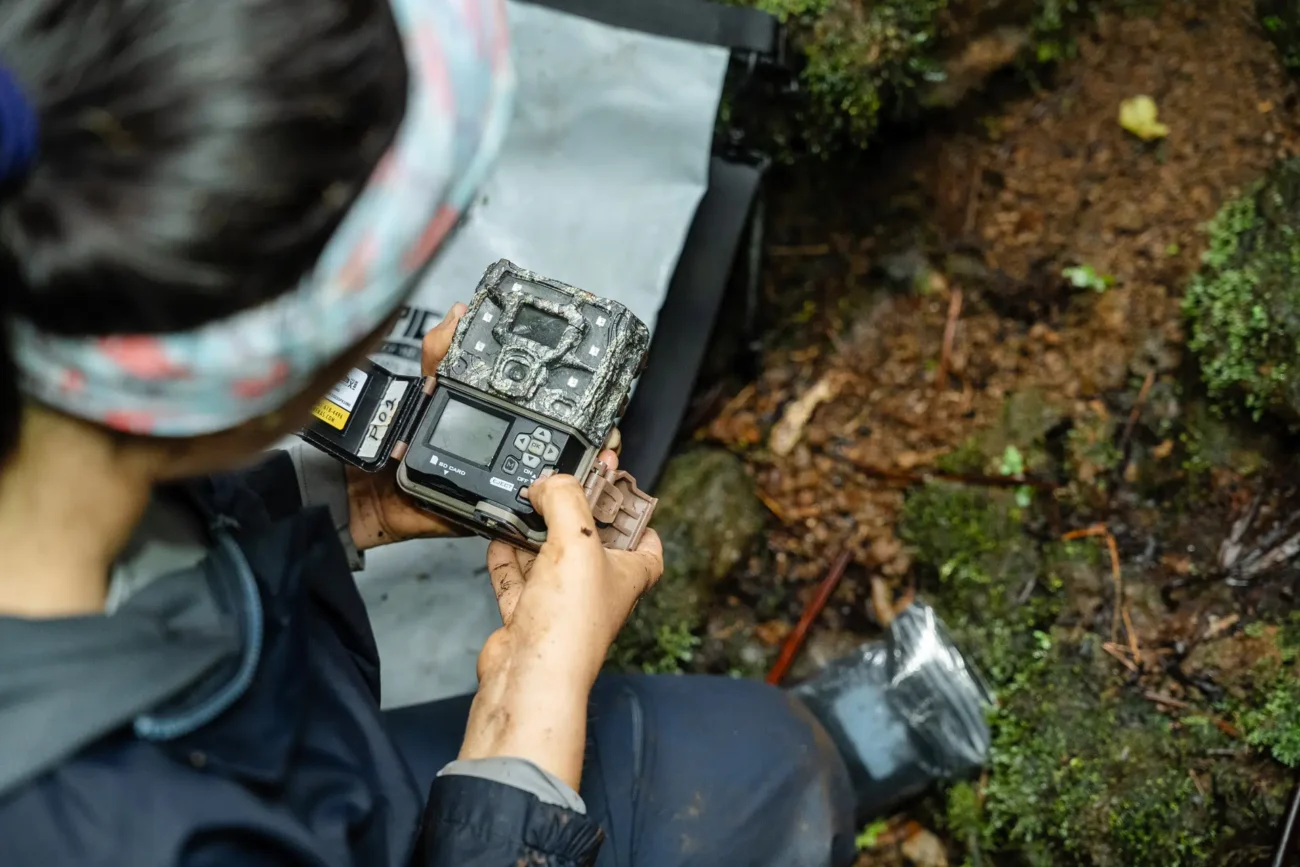
The conservation work in these private lands is a steady, methodical process. It involves the careful protection of existing burrows, continuous monitoring of nesting activity, and the implementation of robust predator control measures. Crucially, it also entails the painstaking process of building trust and fostering a sense of shared responsibility with the landowners who share their territory with these remarkable birds.
"As awareness has grown, local communities and landowners hosting nests have begun to see the petrel as a symbol of shared responsibility," Sangolquí observes. "Every time, I see a chick successfully fledge, I am reminded why we do this work; it is about giving a species a real chance to tell its story." This growing sense of connection is palpable. Landowners are increasingly viewing the Galapagos Petrel not as a distant, abstract entity, but as an integral part of their own environment. The future of this species is becoming intrinsically linked with their own, fostering a profound shift where conservation evolves from an external intervention to a shared, collaborative endeavor.
A Shared Horizon: The Power of Local Stewardship
Despite the vast geographical distances, the distinct ecological niches, and the differing species involved, the conservation successes of Parveen Shaikh and Paola Sangolquí are united by a powerful, common thread: conservation that originates from within the territory itself. Whether along the ever-shifting edges of a mighty river or beneath the quiet soil of a volcanic island, these vital efforts are sustained by individuals who make a conscious choice to remain, to observe with keen eyes, and to care with unwavering dedication.
This collective decision – quiet, constant, and deeply rooted in local commitment – holds the profound possibility of recovery for endangered species. It underscores a fundamental truth: that the most effective and enduring conservation strategies are those that empower and engage the people who live closest to nature. In their actions lies a powerful testament to the resilience of both wildlife and human communities, forging a shared horizon of hope for the natural world.
The entire BirdLife Partnership extends its heartfelt congratulations to both Parveen Shaikh and Paola Sangolquí for their extraordinary contributions to wildlife conservation. Their work serves as an inspiring example of how dedicated individuals, working in partnership with local communities, can achieve remarkable successes in protecting our planet’s most vulnerable species. The recognition through awards like the Whitley Award not only honors their individual achievements but also highlights the critical importance of community-based conservation models for the future of biodiversity. The expansion of Shaikh’s work to the Ganges and Sangolquí’s continued efforts in the Galapagos represent vital steps forward in securing a more sustainable future for these iconic species and their habitats.

