


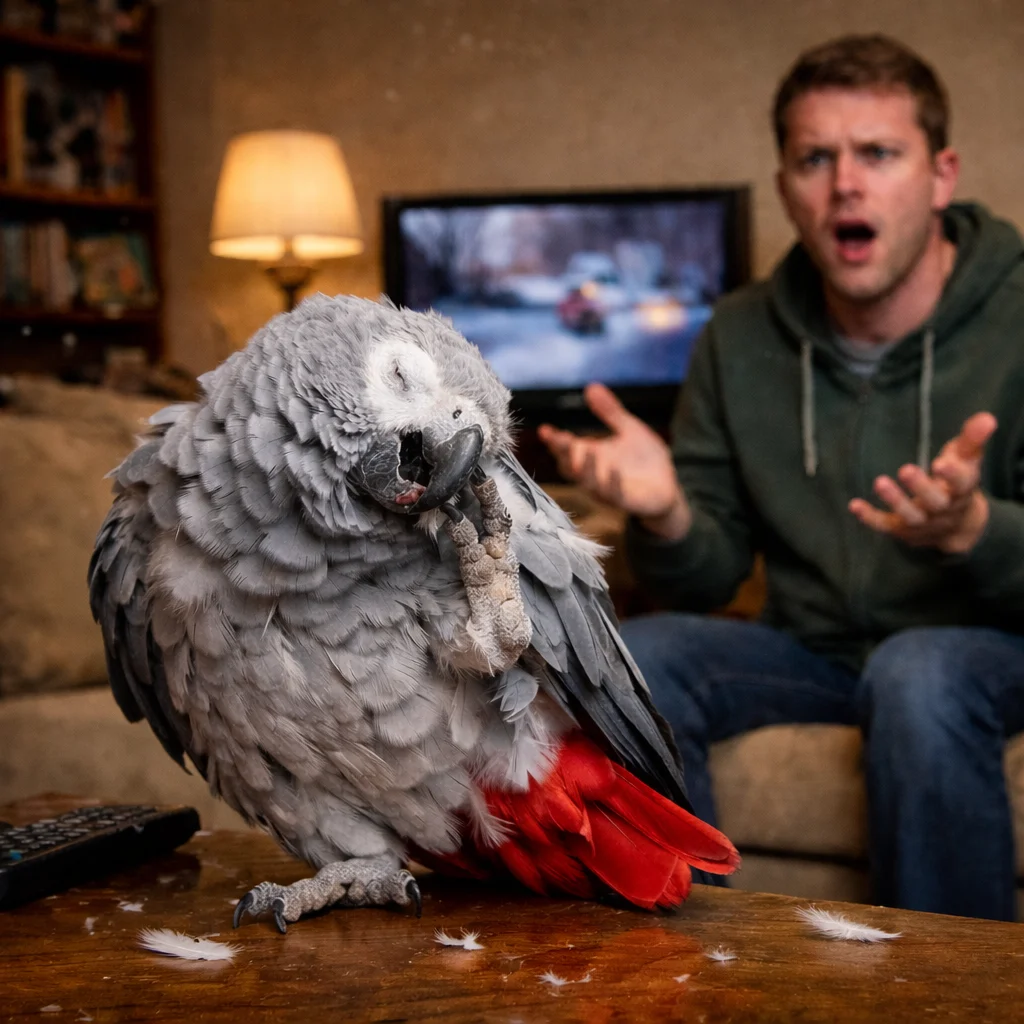
For many bird owners, observing their avian companions meticulously preening and occasionally scratching is a normal, reassuring sight. However, a significant increase in these behaviors, particularly during a molt, often triggers a critical question: Is this merely the natural discomfort of feather renewal, or could it signal the alarming emergence of feather destructive behavior (FDB)? This dilemma, often fraught with anxiety, underscores the importance of informed observation and timely intervention to safeguard a bird’s health and well-being. This article aims to provide a comprehensive guide to understanding the nuances of avian molting, identifying early warning signs of potential issues, and outlining appropriate care strategies, drawing upon expert insights and current veterinary understanding.
The Physiology of Molting: A Deeper Dive into Avian Renewal
Molting is a fundamental biological process for all birds, representing the cyclical replacement of old, worn-out feathers with new ones. This process is essential for maintaining flight efficiency, insulation, waterproofing, and camouflage. While the frequency and intensity of molts vary by species, age, and environmental factors, most captive birds undergo at least one major molt annually, often influenced by photoperiod (daylight length) and hormonal changes.
Feathers, composed primarily of keratin (a protein), are non-living structures once fully grown. As they age, they become brittle, frayed, and less effective. The molting process begins with the shedding of these old feathers, making way for the emergence of new "pin feathers." These nascent feathers are encased in a waxy keratin sheath and supplied with blood through a central shaft, giving them the colloquial name "blood feathers." As the new feather matures, the blood supply recedes, and the keratin sheath flakes off, eventually revealing the fully formed feather.
This growth phase is inherently uncomfortable. The new feathers pushing through the skin can cause itching, irritation, and even mild pain. The keratin sheaths themselves are itchy and can feel tight, prompting birds to preen extensively to break them down. This natural process demands a significant physiological investment, requiring substantial energy and a robust supply of nutrients, particularly protein for keratin synthesis, and vitamins for healthy skin and follicle function. A study published in Frontiers in Physiology (Chen et al., 2020) highlights the intricate metabolic demands during feather growth, underscoring why nutritional deficiencies can profoundly impact the molting experience.
Distinguishing Normal Molt Discomfort from Emerging Concerns
The challenge for owners lies in differentiating between the intensified preening and scratching associated with a normal, albeit uncomfortable, molt and the insidious beginnings of FDB. While both involve increased feather manipulation, the underlying motivations and outcomes differ significantly.
Normal Molt Discomfort: During a typical molt, birds will exhibit increased preening, often focusing on areas where new pin feathers are abundant, such as the head, neck, and chest. This preening is usually methodical, involving the bird gently nibbling and manipulating the keratin sheaths to help them flake off. Scratching with their feet is also common, particularly on the head and neck, to alleviate itching. These behaviors are generally intermittent, and the bird can easily be distracted by food, toys, or social interaction. The feathers, while perhaps appearing a bit disheveled or dusty from keratin flakes, typically remain intact, and bald spots fill in as new feathers emerge. The bird’s overall demeanor remains bright, active, and engaged, albeit possibly a little more irritable or quiet than usual due to the discomfort.
Concerning Signs: The Onset of Feather Destructive Behavior: In contrast, FDB manifests differently. The key red flags are escalation and fixation. Instead of gentle preening, the bird may engage in aggressive pulling, chewing, or even breaking off new or old feathers. The focus becomes obsessive, often concentrated on specific areas, and the bird may appear unable to disengage from the behavior, even when offered distractions. Vocalizations of distress, such as squawking or growling, might accompany these episodes. Visible feather damage, such as bent, frayed, or broken feathers, or even completely pulled-out feathers, becomes apparent. Unlike normal molting, where bald spots quickly fill in, FDB can lead to persistent bare patches, sometimes accompanied by irritated or damaged skin. This behavior often extends beyond the molting period, becoming chronic.
Timeline and Progression of Observation:
Owners should observe patterns over weeks, rather than hours.
- Initial Observation (Days 1-7 of increased activity): Note the intensity and duration of preening/scratching. Is it concentrated on pin feathers? Does the bird stop when offered a treat or a favorite toy? Are feathers visibly damaged?
- Evolving Concern (Weeks 1-3): If the behavior steadily intensifies, becomes more aggressive, or focuses on healthy, non-molting feathers, it warrants closer attention. If bald spots are not filling in, or if skin irritation becomes visible, the concern level escalates.
- Red Flag (Beyond 3 Weeks or Acute Symptoms): Persistent, fixed plucking, visible skin lesions, bleeding, or any change in general health (lethargy, fluffed posture, loss of appetite) immediately necessitates veterinary consultation.
The crucial distinction lies in the bird’s ability to disengage and return to normal activities. A bird experiencing normal molt discomfort might preen intensely for a period, then stop to eat, play, or rest. A bird engaging in early FDB struggles to break away from the behavior, indicating a deeper underlying issue.
Nutritional Foundations: Fueling a Healthy Molt
The quality of a bird’s diet plays a pivotal role in the molting process and can significantly influence the severity of discomfort and the likelihood of FDB. Feathers are approximately 90% protein, making a high-quality protein source essential during molts. Furthermore, healthy skin and feather follicles rely heavily on specific micronutrients.
- Vitamin A: Critical for the health of epithelial tissues, including skin and feather follicles. A deficiency can lead to abnormal keratinization, making skin dry, flaky, and prone to irritation, and causing new feathers to emerge poorly formed or brittle. Many all-seed diets are notoriously deficient in Vitamin A.
- Essential Fatty Acids (EFAs): Omega-3 and Omega-6 fatty acids are vital for skin hydration, elasticity, and reducing inflammation. They contribute to the luster and integrity of new feathers. Deficiencies can result in dull, dry feathers and irritated skin, exacerbating molting discomfort.
- Other Vitamins and Minerals: B vitamins (especially biotin), Vitamin E, and minerals like zinc and sulfur are also crucial for feather and skin health.
When a bird’s diet is suboptimal, its body struggles to meet the high demands of molting. This can manifest as an unusually rough, prolonged, or intensely itchy molt, which, in turn, can predispose the bird to developing FDB as it seeks relief from chronic irritation. As the Merck Veterinary Manual (2024) notes, nutritional imbalances are a common underlying factor in many avian dermatological and feather disorders. Many avian specialists, like those at the Association of Avian Veterinarians, consistently emphasize the shift from seed-only diets to balanced pelleted diets supplemented with fresh produce to prevent such deficiencies.
Intervention Strategies: Proactive Care for Avian Well-being
The primary goal during a molt is to reduce irritation and prevent the escalation of discomfort into a destructive habit. A calm, consistent, and supportive approach is key.
What Tends to Help:
- Increase Humidity: Regular misting with plain water, offering daily baths, or using a room humidifier can soften keratin sheaths, making them easier to remove and reducing skin dryness and itchiness.
- Gentle Interaction: Offering gentle head scratches (if the bird enjoys them) can help break down stubborn pin feather sheaths in hard-to-reach areas, providing relief.
- Nutritional Support: Ensure a high-quality, balanced diet. For birds on seed-heavy diets, transition to a pelleted diet supplemented with a variety of fresh vegetables, fruits, and small amounts of healthy fats (e.g., flaxseed, chia seeds, small amounts of nuts). Consult an avian vet about appropriate supplements, especially if dietary deficiencies are suspected.
- Environmental Enrichment: Provide new, engaging toys to redirect attention, especially foraging toys that encourage natural behaviors and mental stimulation. Rotating toys regularly can prevent boredom.
- Adequate Sleep: Ensure 10-12 hours of uninterrupted sleep in a quiet, dark environment. Sleep deprivation can heighten stress and irritability.
- Maintain Routine: Birds thrive on predictability. Consistent feeding times, interaction, and sleep schedules reduce overall stress.
What Often Backfires:
- Over-reacting or Scolding: Direct confrontation or punishment for excessive preening or plucking can increase the bird’s stress and anxiety, potentially worsening the behavior. Birds do not understand punishment in the human sense and may associate the owner’s negative reaction with the behavior itself, reinforcing it as a way to gain attention.
- Sudden Environmental Changes: Drastically altering the cage setup, introducing many new toys simultaneously, or moving the cage can be stressful during an already uncomfortable period.
- Ignoring the Problem: Hoping the behavior will resolve on its own, especially if it progresses beyond mild discomfort, can allow FDB to become deeply ingrained and much harder to treat.
- Self-Medicating: Administering supplements or remedies without veterinary guidance can be ineffective or even harmful, potentially masking underlying issues or causing toxicity.
Support doesn’t mean doing nothing; it means observing closely and responding with practical, science-backed steps that reduce irritation and stress instead of amplifying them. Diane Burroughs, LCSW, founder of UnRuffledRx and an ABA-trained behavior specialist, emphasizes this approach, advocating for calm, science-backed care to distinguish normal behavior from real problems.
When to Seek Professional Avian Veterinary Care
While many molting discomforts can be managed at home with supportive care, certain signs unequivocally warrant immediate veterinary attention. Delaying professional evaluation can lead to worsening conditions and more complex treatment protocols.
Call a vet if you observe:
- Bald areas that are not filling back in: This suggests feather loss beyond normal molting or a failure of new feathers to grow.
- Open skin, bleeding, or visible wounds: These indicate self-mutilation or severe irritation that requires medical intervention to prevent infection and further damage.
- Persistent pulling or damaging of feathers: If the bird is clearly pulling out or breaking feathers, especially healthy ones, and this behavior is becoming habitual, it’s a critical sign of FDB.
- Lethargy, unusual quietness, or fluffed-up posture for prolonged periods: These are general signs of illness in birds and could indicate an underlying medical condition exacerbated by or contributing to feather issues.
- Squinting or half-closed eyes: Another general sign of discomfort or illness.
- Changes in droppings or appetite: These can point to systemic health problems.
- Any behavior that feels "off" and doesn’t improve with supportive care: Trust your instincts as an owner. If you are worried, it’s always appropriate to seek professional advice.
An avian or exotics veterinarian can rule out medical causes of FDB, such as parasites (e.g., mites, giardia), bacterial or fungal infections, allergies, organ disease (e.g., liver disease), and certain viral conditions (e.g., PBFD, Polyomavirus). They can also assess nutritional status, recommend appropriate diagnostics, and develop a tailored treatment plan that may include medication, environmental modifications, and behavioral counseling. Cooper & Harrison (1994), in their foundational text Avian Medicine, stress the multi-factorial nature of FDB, often requiring a holistic diagnostic approach.
The Broader Implications of Feather Destructive Behavior
Feather destructive behavior is not merely a cosmetic issue; it’s a complex syndrome with significant welfare implications for captive birds. If left unaddressed, early plucking can escalate into chronic self-mutilation, leading to skin infections, pain, and even systemic illness. The underlying causes are often multifactorial, encompassing environmental stressors (e.g., boredom, lack of enrichment, inadequate cage size, poor lighting, smoke), nutritional deficiencies, medical conditions, and psychological factors (e.g., anxiety, fear, phobias, learned behavior).
The challenge for owners and veterinarians alike is that FDB is often a symptom, not a diagnosis. Unraveling the root cause requires diligent observation, a thorough medical workup, and sometimes, collaboration with avian behaviorists. The long-term impact on a bird’s quality of life can be profound, transforming a vibrant companion into a stressed, often uncomfortable animal. Early intervention, based on a clear understanding of the difference between normal molting and pathological behavior, is therefore paramount in preventing the progression of this challenging condition and ensuring the bird’s continued health and happiness.
FAQ: Quick Answers Owners Search For
-
Can plucking start before feathers look damaged?
Yes. Early plucking may involve pulling out whole feathers cleanly, leaving surrounding feathers looking normal at first. The feather follicle, however, may show signs of trauma. -
How long should I watch before worrying?
Watch patterns over weeks, not hours. Normal molt discomfort shifts or improves; plucking becomes repetitive, increasingly aggressive, and fixated on specific areas, often persisting beyond the typical molting cycle. -
Can molting look fine one day and worse the next?
Yes. Molting discomfort often comes in waves, with some days being itchier or more intense than others. Concern arises when the behavior steadily intensifies over time or becomes rigidly focused and difficult to interrupt. -
What’s the real red flag?
Fixation – repeated, obsessive focus on one spot or feather area that cannot be interrupted by normal environmental cues like eating, resting, play, or interaction. This indicates a compulsive element that distinguishes it from temporary discomfort.
References
Chen, Y., Zhao, S., Li, Y., Wang, X., Hou, Y., & Li, B. (2020). Nutritional Regulation of Feather Follicle Development and Feather Growth. Frontiers in Physiology, 11, 574735.
Cooper, J. E., & Harrison, G. J. (1994). Avian Medicine. W.B. Saunders.
Merck Veterinary Manual. (2024). Feather Picking in Birds. Retrieved from https://www.merckvetmanual.com/exotic-and-laboratory-animals/pet-birds/feather-picking-in-birds
Meet Diane Burroughs, LCSW – licensed psychotherapist, ABA-trained behavior specialist, and founder of UnRuffledRx. With 30+ years of hands-on experience, Diane helps bird owners distinguish normal behavior from real problems using calm, science-backed care.

