


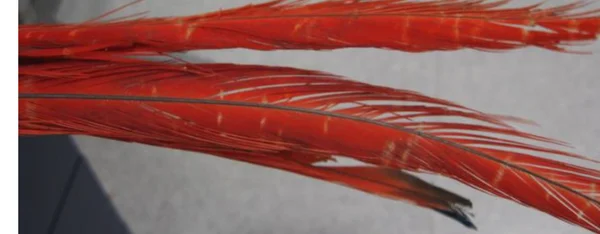
Feathers, far more than mere ornamentation, are intricate biological marvels essential for a bird’s survival and well-being. They facilitate flight, provide crucial insulation, aid in thermoregulation, offer waterproofing, and play a vital role in camouflage, communication, and display. The health and structural integrity of these complex appendages are directly linked to a bird’s overall physiological state. When a bird experiences periods of stress, malnutrition, or illness during feather development, these disruptions can manifest as visible imperfections known as "stress bars." Understanding the anatomy of feathers and the factors influencing their growth is paramount for avian enthusiasts and caregivers seeking to ensure their birds maintain optimal feather health.
The Intricate Architecture of Avian Feathers
At the foundational level, every feather begins its growth encased within a protective structure called the bird feather sheath. This keratinous casing shields the delicate, vascularized feather pulp as it develops from the follicle. As the feather matures, the sheath gradually flakes away, revealing the intricate mature structure.
The central axis of a typical contour or flight feather is the rachis, a strong yet flexible shaft that provides the primary support. Extending outward from the rachis are numerous parallel barbs, which collectively form the broad, flat surface known as the vane. Each barb, in turn, is equipped with thousands of microscopic barbules. These barbules possess tiny hooklets (barbicels) that interlock with the barbules of adjacent barbs, creating a cohesive, lightweight, and aerodynamic surface. This ‘Velcro-like’ mechanism allows feathers to withstand the forces of flight and maintain their smooth, efficient shape. Should this interlocking system be disrupted, birds can meticulously "zip" their feathers back together through preening, restoring the feather’s integrity. Beyond flight, this sophisticated design makes feathers exceptionally durable and functional, enabling birds to repel water, regulate body temperature, and effectively maneuver through their environment.
Feathers are primarily composed of beta-keratin, a fibrous protein unique to reptiles and birds. The continuous synthesis of this protein, along with various pigments, requires a steady and balanced supply of specific nutrients.
Nutritional Pillars for Robust Feather Growth
The growth of strong, healthy feathers is a metabolically demanding process, heavily reliant on a bird’s nutritional intake. Keratin synthesis, in particular, requires an ample supply of high-quality protein, especially sulfur-containing amino acids such as methionine and cysteine. These amino acids are critical for forming the disulfide bonds that give keratin its strength and rigidity.
Beyond protein, a spectrum of vitamins and minerals plays indispensable roles:
- Vitamin A: Essential for healthy epithelial tissues, including feather follicles, and proper keratinization. Deficiency can lead to abnormal feather growth and poor feather quality.
- B Vitamins (especially Biotin): Crucial for metabolism, energy production, and cell growth. Biotin, in particular, is directly involved in keratin formation.
- Vitamin D3: Necessary for calcium absorption and metabolism, which indirectly supports overall physiological health, including feather development.
- Vitamin E: An antioxidant that protects cells from oxidative damage, contributing to healthy tissue development.
- Calcium: While primarily known for bone health, calcium plays a role in numerous cellular processes, indirectly impacting feather quality.
- Zinc: Involved in protein synthesis, immune function, and feather pigmentation.
- Selenium: An essential trace mineral with antioxidant properties, supporting cellular health.
A diet lacking these critical components, particularly one dominated by seeds (which are often deficient in essential amino acids, vitamins, and minerals), will invariably lead to compromised feather quality.
Distinguishing Healthy from Unhealthy Feathers
Healthy bird feathers are typically smooth, vibrant in color, strong, flexible, and free from visible deformities or breakage. They lie sleekly against the bird’s body, providing an efficient barrier against the elements and supporting effortless flight.
In contrast, unhealthy feathers present a range of concerning symptoms. They may appear dull, brittle, frayed, discolored, or malformed. These compromised feathers affect more than just aesthetics. Damaged flight feathers hinder a bird’s ability to fly efficiently, limiting their capacity to escape predators, navigate their environment, or access food and water. Poor feather insulation makes birds vulnerable to temperature fluctuations, increasing their energy expenditure to maintain body warmth in cooler conditions. Furthermore, compromised feather integrity exposes the delicate underlying skin to irritation, injury, and a heightened risk of infection. For pet birds, unhealthy feathers can lead to discomfort, increased preening, plucking behaviors, and a general state of stress, making them more reliant on their owners for warmth and protection. In the wild, such conditions significantly reduce a bird’s chances of survival and successful reproduction.
The Chronology of Feather Growth and the Emergence of Stress Bars
Feather growth is a dynamic and continuous process, albeit with varying speeds depending on the species, feather type, and the bird’s overall health. Flight and tail feathers, being larger and more complex, generally take longer to grow than smaller contour or down feathers. For instance, a small finch might grow a contour feather in a few weeks, while a large parrot’s primary flight feather could take several months to fully emerge.
During its development, each growing feather, often referred to as a "blood feather," is connected to the bird’s circulatory system via the rachis. This direct blood supply delivers the essential proteins, vitamins, and minerals required for the feather to develop without structural weaknesses. The feather grows from its base within the follicle, steadily pushing outward.
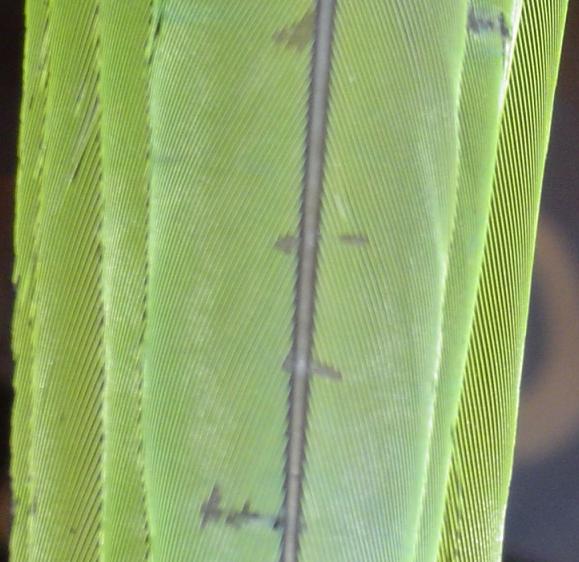
A crucial aspect of this growth process is its sensitivity to internal and external stressors. If a bird experiences a significant disruption—be it an illness, an acute environmental stressor, or a period of nutritional deficiency—during any particular phase of feather development, this interruption is literally recorded within the feather’s structure. This manifests as a "stress bar"—a thin, horizontal line or band that runs across the feather vane. These bars represent areas where keratin synthesis was temporarily inhibited or altered, resulting in a localized weakness in the feather’s structure. They serve as a chronological timeline, visually indicating when the bird’s physiological resources were diverted from optimal feather production.
Identifying Stress Bars in Avian Companions
Stress bars typically appear as distinct, horizontal lines or bands that traverse the feather vane, often disrupting its smooth texture and coloration. They can be darker, lighter, or simply thinner than the surrounding feather tissue, creating a weak point where the feather is more prone to breaking or fraying. When viewed against strong light, these bars may appear as subtle indentations or areas of reduced density.
These markings are most frequently observed on the larger, more metabolically demanding feathers, such as the primary flight feathers of the wings and the tail feathers, where their straight, symmetrical bands are readily apparent. In some instances, stress bars can also cause faded or uneven pigmentation, giving the affected feather a dull or streaky appearance compared to healthy plumage. The presence of multiple stress bars across several feathers, particularly those growing concurrently, strongly indicates that the bird experienced a specific, widespread stressful event that impacted its feather growth during that period. Avian veterinarians and experienced bird caregivers often use these stress bars as diagnostic clues to pinpoint periods of historical distress or illness in a bird’s life.
When to Intervene: Assessing the Significance of Stress Bars
Observing stress bars on a bird’s feathers warrants careful assessment rather than immediate alarm. A single, minor stress bar might merely reflect a transient, isolated stressor—such as a brief environmental change, a temporary dietary upset, or the normal physiological demands of a heavy molt. Such occasional occurrences may not indicate a serious underlying problem.
However, if stress bars are numerous, severe, or consistently appear across different feathers in successive molts, it signals a more persistent issue requiring intervention. Signs of concern include widespread dullness, brittleness, or noticeably slow feather growth alongside the stress bars.
The initial course of action involves a thorough evaluation of the bird’s diet, living environment, and daily routine. A common culprit for weak feathers is poor nutrition, especially diets dominated by seeds, which are often deficient in essential amino acids, vitamins, and minerals vital for keratin production. Chronic stress stemming from factors like inadequate sleep, inconsistent routines, environmental instability, or insufficient mental and physical enrichment can also significantly contribute to the formation of stress bars. Implementing a balanced diet, establishing a stable and predictable routine, and cultivating a low-stress, enriching home environment are crucial steps to promote the growth of strong, healthy feathers in subsequent molts.

If stress bars persist despite these adjustments, or if they are accompanied by other clinical signs such as feather plucking, excessive molting outside of seasonal patterns, significant weight loss (5-10% or more), lethargy, changes in droppings, or behavioral alterations, immediate consultation with an avian veterinarian is imperative. Chronic stress bars can be indicative of underlying health issues, including malnutrition, parasitic infestations, bacterial or viral infections, liver or kidney disease, heavy metal toxicity, or other systemic illnesses. Early detection and treatment of the root cause are vital to prevent long-term feather damage and safeguard the bird’s overall health and welfare.
Primary Causes of Compromised Feather Health
The factors contributing to unhealthy feather growth are multifaceted, often encompassing environmental, nutritional, and psychological stressors.
Environmental Disruptions
A bird’s environment plays a critical role in its overall health and, consequently, its feather quality. Suboptimal environmental conditions can induce chronic stress, directly impacting physiological processes, including feather development.
- Lighting: Inadequate or inappropriate lighting, particularly the absence of full-spectrum UV-B light, can interfere with vitamin D3 synthesis, impacting calcium metabolism and overall health. Furthermore, inconsistent light-dark cycles can disrupt a bird’s circadian rhythm, leading to sleep deprivation and chronic stress.
- Humidity and Temperature: Extremely low humidity can lead to dry, brittle feathers and skin irritation, while excessively high humidity can foster fungal or bacterial growth. Extreme temperature fluctuations or sustained exposure to uncomfortable temperatures (too hot or too cold) put physiological strain on a bird, diverting metabolic resources away from feather growth.
- Cage Environment: An overcrowded cage, lack of appropriate perches (leading to foot problems), or insufficient space for flight and exercise can cause physical and psychological stress. Exposure to household toxins like aerosols, cleaning products, or cigarette smoke can also irritate respiratory systems and stress the bird’s body.
- Social Environment: Constant exposure to loud noises, aggressive pets, or a lack of positive social interaction with caregivers or conspecifics can create a perpetual state of anxiety.
Dietary and Routine Irregularities
As previously highlighted, a consistent supply of nutrients is fundamental for feather integrity. Any sudden or prolonged disruption in diet can have immediate repercussions on feather growth. A switch from a balanced, pelleted diet supplemented with fresh produce to an exclusively seed-based diet is a classic example of a nutritional insult that frequently results in stress bars and brittle feathers. Birds require a complex array of essential amino acids, vitamins, and minerals that seeds alone cannot provide in adequate quantities.
Beyond diet, routine disruptions are significant stressors. Birds are creatures of habit and thrive on predictability. Inconsistent sleep schedules (e.g., late nights, insufficient darkness), irregular feeding times, frequent changes in cage location, or inconsistent handling can elevate stress hormones. These physiological changes can directly inhibit the precise cellular processes required for robust feather development, leading to the formation of stress bars.
Physical and Emotional Stressors
Feather growth is a delicate physiological process that is highly susceptible to both physical and emotional duress. When a bird experiences physical discomfort, illness, or excessive molting (beyond its natural cycle), its body’s resources are prioritized for immediate survival and immune response, often at the expense of optimal feather development. This can result in weak, brittle feathers with prominent stress bars. Conditions such as chronic pain, injuries, or internal parasites impose significant physical strain.
Emotional stress can be equally, if not more, damaging. Birds that feel insecure, fearful, lonely, or bored can experience prolonged psychological distress. Factors like exposure to perceived threats (e.g., predatory animals, unfamiliar people), persistent loud noises, lack of mental stimulation (leading to boredom), or insufficient social interaction can lead to chronic elevation of stress hormones like corticosterone. These hormones can suppress the immune system and interfere with metabolic pathways crucial for feather growth, resulting in poor feather quality. Providing a calm, predictable, and enriched environment with stable routines and positive social interactions is essential for mitigating both physical and emotional stress, thereby supporting the growth of vibrant, healthy plumage.
Proactive Strategies for Preventing Bird Stress Bars
Preventing stress bars requires a holistic approach that addresses all aspects of a bird’s physical and psychological well-being.
Establishing Consistent Routines
Predictability is a cornerstone of avian welfare. A stable daily routine significantly reduces stress levels and fosters optimal physiological functioning, including feather growth.

- Consistent Sleep Schedules: Ensure 10-12 hours of uninterrupted sleep in a quiet, dark environment. Covering the cage at a consistent time each evening helps regulate the bird’s circadian rhythm.
- Regular Feeding Times: Offer meals at predictable intervals, reinforcing a sense of security and promoting healthy digestion.
- Scheduled Out-of-Cage Time: Provide consistent opportunities for exercise, socialization, and exploration outside the cage, if appropriate for the species and individual bird.
- Stable Environment: Avoid frequent rearrangement of the cage or its location. Minimize sudden loud noises or startling movements.
Cultivating a Calm and Enriching Environment
A bird’s living space should be a sanctuary that balances safety with mental and physical stimulation.
- Appropriate Cage Size: Ensure the cage is sufficiently large for the bird to fully extend its wings, climb, and move comfortably.
- Varied Perches: Offer perches of different diameters, textures, and materials to promote foot health and prevent pressure sores.
- Environmental Enrichment: Provide a rotating selection of safe, engaging toys for chewing, foraging, and shredding. Foraging opportunities are particularly important for mental stimulation.
- Proper Lighting: Install full-spectrum UV-B lighting for several hours daily, mimicking natural sunlight, which aids in vitamin D3 synthesis and overall well-being.
- Air Quality: Ensure good ventilation and avoid exposing birds to smoke, strong fumes, or aerosolized chemicals.
- Social Interaction: Provide appropriate social interaction, whether with human caregivers or, for social species, compatible avian companions.
Regular Veterinary Check-ups and Comprehensive Enrichment
Proactive veterinary care is indispensable for maintaining long-term avian health. Birds are adept at masking signs of illness, often concealing symptoms until a condition is advanced. Annual wellness examinations by a qualified avian veterinarian are crucial for early detection of subtle health issues, nutritional deficiencies, or underlying conditions that might otherwise manifest as stress bars. These check-ups can include physical examinations, blood work, and fecal analysis to establish baseline health parameters and identify potential problems before they become critical.
Beyond routine care, comprehensive enrichment is key. This includes providing opportunities for:
- Foraging: Hiding food in toys or puzzle feeders encourages natural foraging behaviors, reducing boredom and promoting mental engagement.
- Bathing: Regular access to bathing opportunities (e.g., shallow water dish, misting) helps maintain feather cleanliness and hydration.
- Training and Socialization: Positive reinforcement training builds trust and provides mental stimulation. Social interaction with caregivers strengthens bonds and reduces feelings of loneliness or fear.
Responding to the Presence of Feather Stress Bars
Discovering stress bars on a bird’s feathers can be unsettling, but a calm, systematic approach is vital. While a few isolated stress bars might reflect minor, temporary stressors, a consistent or widespread presence demands immediate action.
The first step involves a comprehensive review of the bird’s current diet, environment, and daily routine. Ensure the bird is receiving a premium pelleted diet, supplemented with a diverse array of fresh vegetables, fruits, and appropriate sprouts. Discontinue any seed-heavy diets. Simultaneously, scrutinize the bird’s environment for potential stressors: excessive noise, inconsistent lighting or sleep schedules, inadequate cage size or enrichment, or exposure to household toxins. Work diligently to establish a stable, predictable, and enriching routine that prioritizes consistent sleep, regular feeding, scheduled interaction, and ample mental stimulation through foraging and safe toys.
If, despite these diligent adjustments, stress bars continue to appear in subsequent molts, or if their presence is accompanied by other worrying symptoms—such as lethargy, unexplained weight loss, changes in droppings, feather plucking, or any unusual behavior—it is imperative to schedule an immediate consultation with an experienced avian veterinarian. Persistent stress bars can be a critical indicator of underlying health issues that require professional diagnosis and treatment. An avian vet can perform thorough diagnostic tests, including blood panels, fecal analyses, and potentially imaging, to identify the root cause, which could range from nutritional deficiencies and internal parasites to bacterial infections, organ dysfunction, or systemic diseases. Addressing these underlying conditions promptly is crucial not only for improving feather quality but for safeguarding the bird’s overall health and longevity.
Conclusion: Prioritizing Feather Health for Overall Avian Well-being
The presence of stress bars on a bird’s feathers serves as a powerful visual diagnostic tool, offering a chronological record of past physiological disruptions. These seemingly minor imperfections are vital indicators of a bird’s overall health and well-being, signaling periods when its body was under undue stress, battling illness, or struggling with nutritional deficiencies. Understanding the intricate process of feather growth, the critical role of balanced nutrition, and the profound impact of environmental and psychological stressors empowers bird caregivers to implement proactive strategies for prevention.
By committing to a high-quality, balanced diet, establishing consistent and predictable routines, cultivating a calm yet enriching environment, and ensuring regular veterinary oversight, bird owners can significantly reduce the likelihood of stress bar formation. Beyond aesthetics, these measures contribute directly to a bird’s physical resilience, mental stability, and emotional contentment. Taking these steps not only promotes the growth of vibrant, strong feathers but also underpins the comprehensive health and quality of life for avian companions. The dedication to understanding and addressing the nuances of feather health is a testament to responsible bird care, fostering a thriving environment where birds can truly flourish.

