


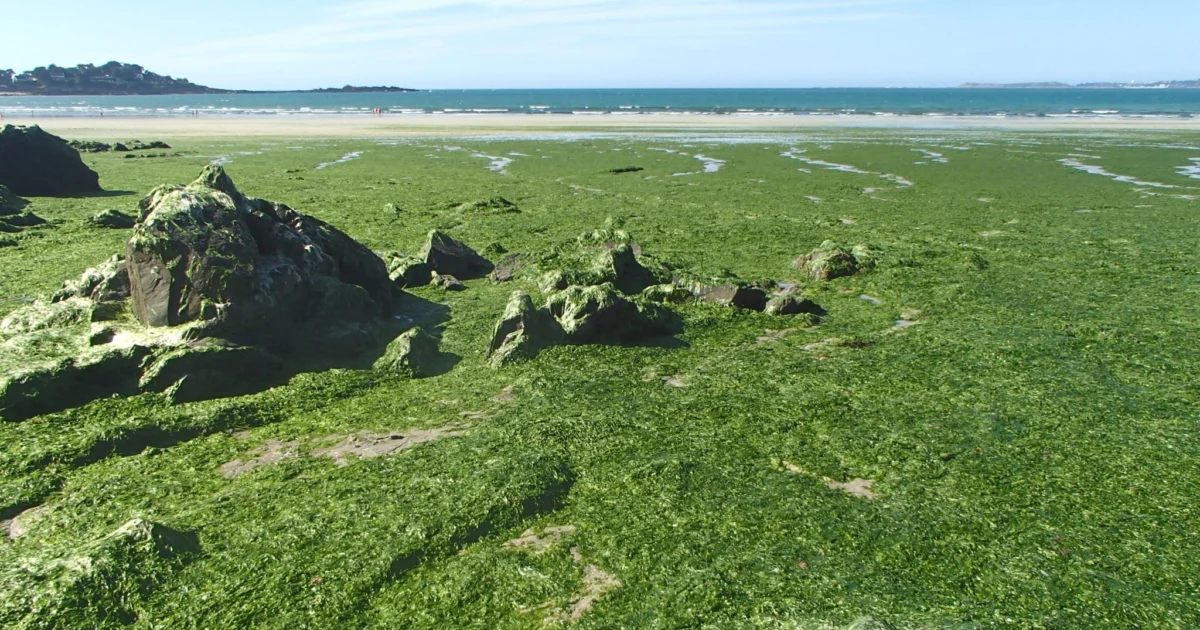
On certain sun-drenched summer days along the picturesque coast of Brittany, France, a disturbing transformation occurs. The normally serene sea erupts in an unnatural, vibrant green, its surface choked by thick, unsightly mats of algae. As these prodigious blooms decompose under the relentless sun, they release a foul, putrid stench that permeates the air, a stark and pungent indicator of a deeply rooted environmental crisis. These are not isolated incidents of natural phenomena; they are the visible symptoms of a much larger, pervasive problem fueled by the relentless runoff of nutrients from nearby agricultural lands, ultimately finding their way into rivers and, consequently, the delicate marine ecosystems. The noxious gases emanating from this rotting organic matter have, in alarming instances, been directly linked to the tragic deaths of both wildlife and, more disturbingly, human beings, underscoring the gravity of the situation.
Agriculture Under Intense Pressure: The Double-Edged Sword of Modern Farming
For decades, European agriculture has increasingly embraced intensive farming methodologies. This approach, while undeniably successful in boosting food production in the short to medium term, has come at a significant environmental cost. The widespread application of synthetic chemical fertilizers, potent pesticides, and vast quantities of animal manure has placed immense strain on natural resources, particularly our water systems and soil health. The excess nutrients, predominantly nitrogen and phosphorus, are not fully absorbed by crops. Instead, they are carried away by rainfall and irrigation, infiltrating rivers, lakes, and eventually flowing into coastal waters, leading to widespread and often devastating eutrophication. This nutrient pollution creates dead zones in aquatic environments, suffocates marine life, and disrupts the delicate balance of ecosystems.
The irony, and indeed the profound challenge, lies in the fact that this relentless pollution ultimately undermines the very foundation of agriculture itself. Healthy, fertile soils are the bedrock of sustainable food production. Clean water is essential for irrigation, livestock, and the overall health of crops. Functioning ecosystems, with their intricate web of beneficial insects, microorganisms, and natural predators, provide vital services such as pollination and pest control. By degrading these essential natural resources, intensive agriculture is, in effect, sawing off the branch it is sitting on. Projections from the European Environment Agency (EEA) consistently highlight the deteriorating state of water quality across the continent, with agricultural runoff identified as a primary contributor to nitrate and phosphate pollution in many water bodies. For instance, reports indicate that over 60% of EU rivers and 25% of its marine ecosystems show signs of eutrophication, directly attributable to nutrient enrichment.
Tap Water at Risk: The Invisible Threat to Human Health
The implications of agricultural nutrient runoff extend far beyond the visible blight of algal blooms. When excess fertilizers and manure seep into the groundwater, they pose a direct and insidious threat to human health and our fundamental access to safe, potable drinking water. The consequences can be severe and far-reaching. In numerous regions across Spain, for example, hundreds of thousands of residents have, at various times, been deprived of safe tap water. This drastic measure became necessary when nitrate levels in their groundwater supplies surged beyond established health limits, rendering the water unsafe for consumption. Regions like Catalonia, with its significant concentration of intensive livestock farming operations, have repeatedly faced warnings from environmental authorities. These warnings highlight the persistent threat of groundwater contamination from nitrates, jeopardizing drinking water supplies and imposing substantial financial burdens on municipalities for the necessary, and often complex, water treatment processes. Similar alarming scenarios are being reported in a multitude of agricultural heartlands throughout Europe, painting a grim picture of a continent struggling to safeguard its most vital resource. According to the World Health Organization (WHO), elevated nitrate levels in drinking water can lead to methemoglobinemia, or "blue baby syndrome," in infants, a potentially fatal condition. The long-term health effects of chronic exposure to lower levels of nitrates are also a growing concern.
Nature-Friendly Solutions: Cultivating a Sustainable Future
The disheartening reality of agricultural pollution is not an insurmountable fate. There exists a growing and promising array of nature-friendly solutions that offer a path towards sustainable food production while simultaneously safeguarding the environment. These methods, often referred to as agroecology and organic agriculture, empower farmers to cultivate bountiful harvests without compromising the health of our soils, the purity of our water, or the vitality of our ecosystems.
One cornerstone of these sustainable practices involves the strategic integration of nitrogen-fixing legumes, such as beans, clover, and alfalfa, into crop rotations. These remarkable plants have the natural ability to draw nitrogen from the atmosphere and convert it into a form that is readily usable by other plants, thereby enriching the soil and reducing the reliance on synthetic nitrogen fertilizers. Furthermore, livestock systems designed for nutrient recycling, where animal manure is carefully managed and returned to the land as a valuable fertilizer, significantly diminish the need for external nutrient inputs. This closed-loop approach not only reduces pollution but also enhances soil fertility and structure.
Beyond on-farm practices, the establishment of buffer strips—vegetated areas planted along the edges of rivers, streams, and lakes—plays a crucial role in intercepting nutrient-rich runoff before it can enter watercourses. These natural filters, often comprising grasses, shrubs, and trees, effectively trap sediment, fertilizers, and manure, preventing them from polluting aquatic environments. The restoration of wetlands, another vital ecological service, further enhances this protective function. Wetlands act as natural sponges, absorbing excess water and filtering out pollutants.

The benefits of these nature-friendly approaches extend far beyond pollution control. They actively contribute to the restoration of degraded ecosystems, providing essential habitats for a diverse array of wildlife, from pollinators to game birds. By fostering biodiversity and enhancing ecological resilience, these practices help to create more robust and adaptable agricultural landscapes. Moreover, they play a pivotal role in maintaining the vibrancy and economic stability of rural communities, ensuring that farming remains a viable and respected profession for generations to come. The International Federation of Organic Agriculture Movements (IFOAM) has reported that organic farming can lead to a 40-50% reduction in nutrient runoff compared to conventional methods.
The Peril of Weakening Environmental Protection: A Step Backwards
The European Union has, over many years, established a comprehensive framework of environmental legislation designed to protect its precious water resources and rich biodiversity. Landmark directives such as the Water Framework Directive, the Nitrates Directive, and the Birds and Habitats Directives represent decades of commitment to environmental stewardship. However, despite the existence of these robust legal instruments, agricultural pollution remains a pervasive and persistent problem across the continent. This enduring challenge is largely attributable to two critical factors: insufficient implementation of existing laws and a lamentable lack of consistent and rigorous enforcement.
Recent legal rulings by European courts against member states such as Belgium and the Netherlands, specifically concerning their failures to adequately control nitrate and nitrogen pollution stemming from intensive agricultural practices, serve as stark reminders of these ongoing enforcement gaps. These judgments underscore a systemic issue where national governments are, in many instances, falling short of their legal obligations to effectively apply and uphold established environmental regulations.
Compounding this problem is a worrying trend where certain EU member states, often in concert with powerful agricultural industry lobbies and their political allies, are actively advocating for the dilution of these very environmental safeguards. These proposals are frequently couped in the language of regulatory simplification and the reduction of administrative burdens for businesses. However, the underlying reality is that such measures would inevitably weaken environmental protections, diminish reporting and accountability requirements for polluters, and make it considerably more challenging to monitor and address pollution effectively. This dangerous trajectory risks unraveling decades of hard-won environmental progress at a critical juncture. Europe is already struggling to meet its ambitious water quality, biodiversity, and climate goals, and any rollback of environmental protections would severely jeopardize these efforts. The potential ramifications are profound: a further degradation of ecosystems, increased risks to public health, and a jeopardizing of our long-term capacity to produce food sustainably.
A Call to Action: Defending Environmental Laws for Future Generations
The path forward demands not a weakening of environmental protections, but rather a resolute commitment to their robust implementation and rigorous enforcement. Farmers, who are the stewards of our land, require greater support and resources to facilitate their transition towards more sustainable farming models. This support should encompass financial incentives, access to training and technical expertise, and the fostering of collaborative networks that promote the sharing of best practices. Investing in the transition to sustainable agriculture is not merely an environmental imperative; it is an investment in our collective future. It is an investment in the health of our citizens, the resilience of our rural communities, and the long-term security of our food systems.
Across Europe, citizens are increasingly voicing their concern and urging EU leaders to stand firm in defense of environmental protections, rather than succumbing to pressures to weaken them. The growing momentum behind environmental activism and the proliferation of public petitions are clear indicators of a populace that values clean water, healthy ecosystems, and a sustainable future. Adding one’s voice to these calls is a crucial step in ensuring that decision-makers prioritize the protection of Europe’s water, its precious natural heritage, and its vital environmental laws for the benefit of current and future generations. The fight to safeguard these essential resources is ongoing, and collective action is paramount. The time for complacency has long passed; the moment for decisive and sustained action is now.
Photo: Shutterstock
Written by Caroline Herman

