


Published on February 4, 2026, and last updated on the same date, the intricate world of pet bird behavior often presents owners with puzzling displays that can be both endearing and concerning. What appears as unusual antics, such as persistent cooing, wing flapping, or sudden aggression, is frequently rooted in a bird’s natural hormonal cycles. Far from being a mere phase, particularly in adult birds like an eight-year-old Sun Conure, these behaviors represent a normal biological response that necessitates informed direction rather than suppression.
The good news for worried bird owners is that these "big feelings" are manageable. Panic is unnecessary, and the goal is not to "shut down" a bird’s natural instincts, but to redirect this potent energy into healthy, constructive outlets. Failure to do so can lead to fixation, frustration, and significant long-term behavioral and health issues.
The Biological Imperative: What Hormonal Behavior Entails
Hormonal behavior in pet birds is a complex interplay of internal physiological states and external environmental triggers, mirroring the natural reproductive cycles observed in their wild counterparts. These displays are the outward manifestation of internal hormonal surges, primarily involving estrogen, testosterone, and prolactin, which prepare a bird for breeding.
What bird hormones looks like can vary widely by species and individual temperament, but common indicators include:
- Increased Vocalization: Louder, more persistent calls, often described as "cooing" or squawking, aimed at attracting a mate or signaling territory.
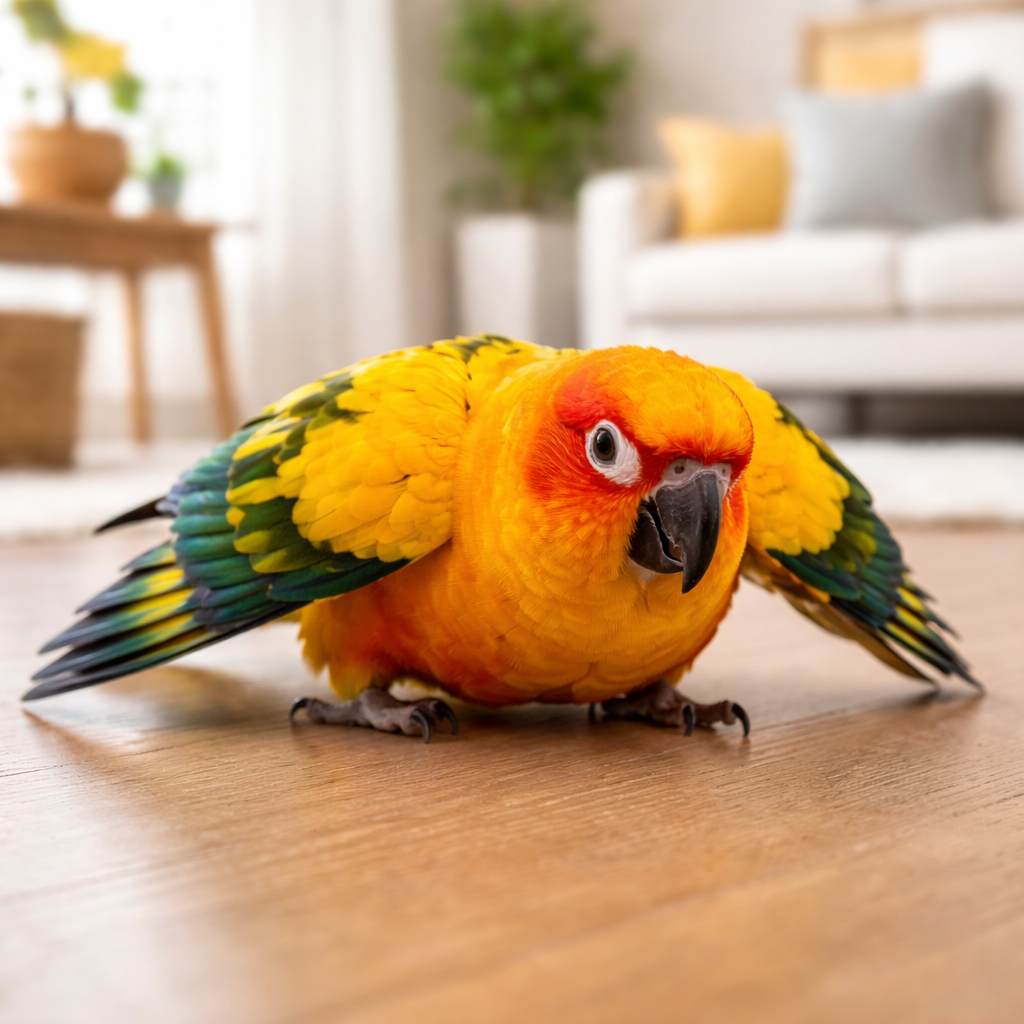
- Wing Flapping and Drooping: Displays of energy, often accompanied by a lowered head or bowed posture, indicative of courtship or territorial assertion.
- Nest-Seeking Behavior: Obsessive searching for dark, enclosed spaces, shredding materials, or attempting to "dig" into corners of cages or furniture.
- Regurgitation: A common courtship behavior where a bird regurgitates food for a perceived mate (which might be the owner).
- Territoriality and Aggression: Increased protectiveness of the cage, toys, or specific perches, often leading to biting or lunging at perceived intruders.
- Cloacal Rubbing: Rubbing their vent area on objects or people, a clear sign of sexual frustration or desire.
- Feather Plucking or Self-Mutilation: In severe cases, chronic stress from unfulfilled hormonal drives can manifest as self-harm.
Smaller parrots, such as cockatiels, budgies, and conures, often appear more "dramatic" or consistently hormonal throughout much of the year. This is not an owner’s imagination; species lower on the food chain typically mature more quickly and reproduce more frequently, meaning their bodies remain closer to a breeding-ready state for longer periods compared to long-lived parrots like macaws or cockatoos. For instance, small parrots can reach sexual maturity before one year of age, while larger species may not mature until seven or eight years old. This evolutionary adaptation ensures rapid population replenishment in the wild but presents unique challenges in a captive environment where breeding is not always desired or appropriate.
Normal vs. Chronic: When to Be Concerned
Occasional displays of hormonal behavior during certain seasons or situations are an expected part of owning an adult parrot. These are typically transient and resolve as the bird’s internal cycles shift. However, when hormonal behavior becomes chronic and constant, it crosses a critical threshold from normal physiological response to a significant welfare concern.
When a bird stays hormonally "switched on" all the time, it exacts a severe toll on their physical and mental health. Female birds can enter a dangerous cycle of repeated egg-laying, leading to calcium depletion, egg binding, prolapse, and chronic reproductive inflammation. Males, constantly in a state of sexual frustration, can become excessively aggressive, destructive, or develop stereotypical behaviors. In both sexes, the bird’s body and nervous system never fully settle, leading to chronic stress, irritability, fixation on specific objects or individuals, and a noticeable decline in overall well-being. This sustained state of reproductive hyperactivity has been identified in clinical findings, such as those by Dr. Rob Marshall and Tailai O’Brien in 2026, as a primary cause of numerous health complaints in pet birds.
Proactive Management: Redirecting Instinctual Drives
Effective management of hormonal behavior centers on understanding and strategically redirecting a bird’s natural drives. This involves a multi-faceted approach encompassing environmental enrichment, behavioral modification, and careful attention to diet and photoperiod.
-
Actively Reward Independent Behavior: The foundation of good behavioral management is positive reinforcement. Owners should make a conscious effort to observe and immediately reward any instance of calm, independent play or interaction. This could involve chewing on appropriate toys, foraging quietly, engaging with puzzle toys, or simply preening in a relaxed manner. By consistently rewarding these behaviors with preferred treats, owners teach the bird that these actions lead to positive outcomes, helping their nervous system establish a new, calmer default. This is not about "training tricks" but about guiding the bird toward behaviors that promote well-being.
-
Give Their Pent-Up Energy a Natural Parrot "Job": In the wild, parrots spend most of their day foraging, chewing, and exploring. Captive birds often lack these natural outlets, leading to boredom and misdirected energy. Providing ample opportunities for these species-appropriate behaviors is crucial.
- Foraging Opportunities: Hide food in puzzle toys, foraging boxes, or scatter it around the cage. This simulates the challenge of finding food in nature.
- Chewing and Shredding Materials: Offer a variety of safe wood toys, shreddable paper, natural fibers, and untreated branches. This satisfies the strong instinct to chew and destroy, which is often linked to nest-building drives.
- Environmental Enrichment: Regularly rotate toys, rearrange cage perches, and introduce new, safe objects to stimulate curiosity and prevent boredom.
It is important to start where your bird can succeed. If a bird is overstimulated outside the cage, begin these activities inside the cage in a familiar, secure environment. Once they demonstrate calmness and engagement there, gradually introduce them to play stands or training perches in other areas.
Common Mistakes and Misinterpretations
Many well-meaning owners inadvertently exacerbate hormonal behavior through common mistakes and assumptions. Understanding these pitfalls is crucial for effective management.
- Petting in the Wrong Places: Petting a bird anywhere other than the head and neck can be misinterpreted as courtship behavior. Stroking the back, under the wings, or near the vent area can stimulate hormonal responses, especially in females.
- Providing Nesting Opportunities: Offering dark, enclosed spaces (e.g., cuddle huts, boxes, even gaps behind furniture) can trigger nesting instincts. Similarly, allowing a bird to spend extended periods inside clothing or under blankets can create a perceived nesting site.
- Ignoring Light Cycles: Inconsistent or insufficient dark periods can disrupt a bird’s natural circadian rhythm and hormonal balance. Birds need 10-12 hours of uninterrupted darkness each night, mimicking natural photoperiods.
- High-Fat, High-Sugar Diets: Diets rich in seeds, nuts, or sugary treats can mimic the abundant food sources available in the wild during breeding season, inadvertently signaling to the bird that it’s time to reproduce. A balanced diet primarily of pellets, fresh vegetables, and limited fruits is vital.
- Assuming Behavior is "Cute" or "Loving": Owners often misinterpret hormonal displays, such as regurgitation or intense snuggling, as signs of affection. While a bird’s bond with its owner is real, these specific actions are often rooted in reproductive drives and should not be reinforced.
- Misinterpreting Aggression: Sudden biting or territoriality during hormonal periods is not an act of malice but a protective instinct. Punishing these behaviors can erode trust and worsen aggression.
Why this matters more than most people realize is that hormonal energy doesn’t simply burn itself out. If a parrot doesn’t learn where to channel that energy, it will persistently manifest in louder, more demanding, and potentially destructive ways. Over time, birds can become trapped in a cycle of being constantly keyed up, easily frustrated, and unable to settle, which is exhausting and detrimental to their well-being. Positive reinforcement is incredibly powerful in this context. It’s not about training for entertainment but teaching a bird which behaviors help their body calm down. Every time an owner rewards chewing, foraging, quiet play, or relaxed preening, they are actively helping the bird’s nervous system learn a new, healthier default. The challenge lies in the fact that birds respond to outcomes, not intentions. If a behavior reliably leads to attention, closeness, or emotional engagement, the bird’s brain labels it as successful, even if the human didn’t intend to reinforce a hormonal display.
Using Treats Without Making It Worse
Treats are powerful tools in behavioral modification but must be used judiciously. Get into the habit of having a selection of preferred treats readily available in a pocket or treat pouch. The key is to intentionally observe for and immediately reward natural, calm parrot behaviors. This creates a clear association for the bird: "When I do X (calm behavior), I get Y (treat)." This method keeps learning clear and avoids accidentally reinforcing unwanted behaviors.
The Critical Role of Veterinary Intervention
In the world of bird behavior, "acting out" is rarely just a mood; it is a data point. Based on the 2026 clinical findings of Dr. Rob Marshall and Tailai O’Brien, reproductive hyperactivity is a primary cause of many health complaints in pet birds. Owners must be vigilant in discerning when behavior has crossed the "Risk Threshold" from normal antics to a medical priority.
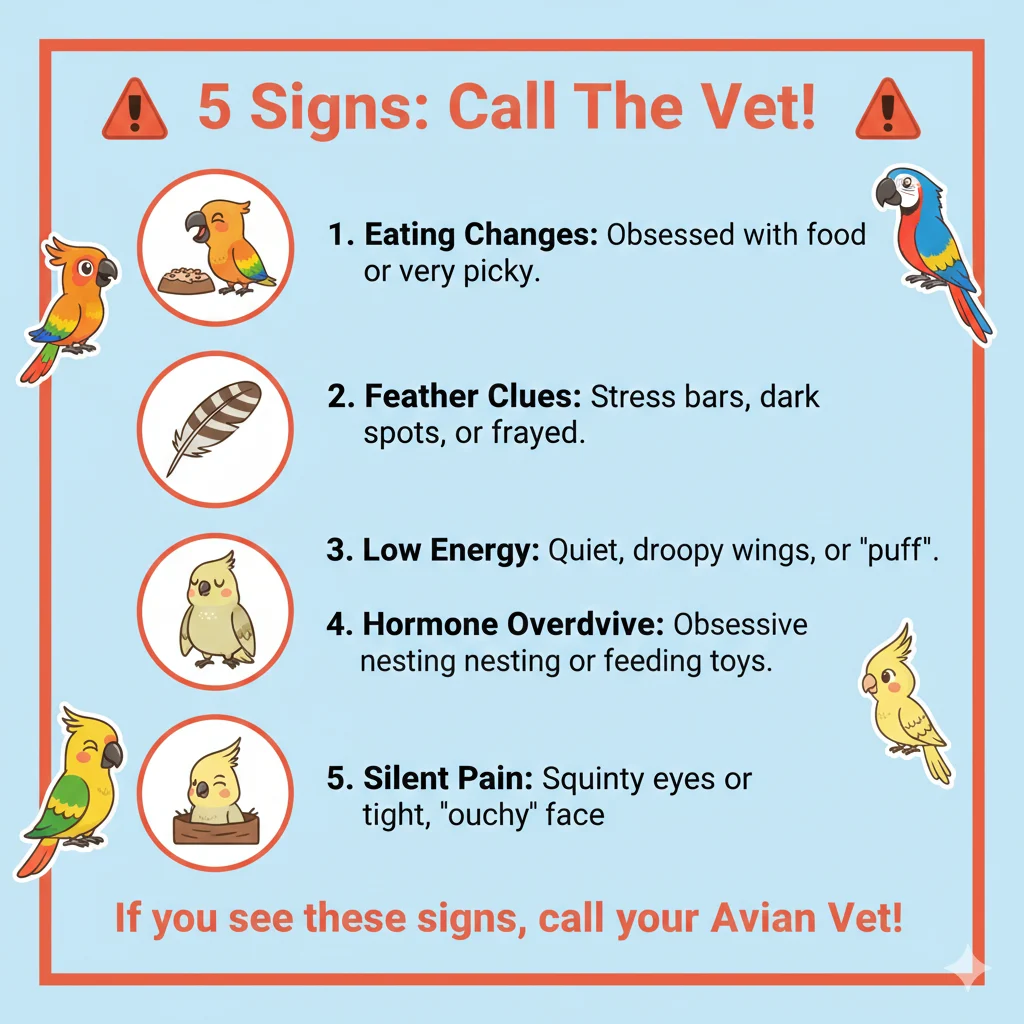
Use this 5-point protocol to determine if your bird’s behavior warrants immediate veterinary consultation:
- Sudden or Persistent Aggression: If a bird’s aggression is constant, unprovoked, causes injury, or makes interaction impossible, it may indicate underlying hormonal imbalance or pain.
- Excessive Egg Laying or Reproductive Issues: More than two clutches per year, chronic laying, soft-shelled eggs, egg binding (inability to pass an egg), or cloacal prolapse are all medical emergencies.
- Self-Mutilation or Feather Plucking: While not always hormonal, chronic plucking or self-harm can be exacerbated by stress from unmanaged hormonal drives and requires veterinary assessment.
- Significant Changes in Appetite, Droppings, or Energy Levels: These are general signs of illness but can accompany severe hormonal stress and should prompt a vet visit.
- Persistent Obsessive Behaviors: Unrelenting territoriality, constant regurgitation, or fixation on a mirror/toy, even after environmental modifications, suggests a deep-seated issue that may require medical intervention.
An avian veterinarian can assess the bird’s overall health, rule out other medical conditions, and discuss options such as hormonal implants (e.g., Lupron) to temporarily suppress reproductive hormones, dietary adjustments, or environmental management strategies. In rare, extreme cases, surgical options like salpingectomy (removal of the oviduct) for chronic egg layers might be considered, though these are invasive and carry risks.
Broader Implications for Avian Welfare
The long-term impact of unmanaged hormonal behavior extends beyond the individual bird to affect the human-animal bond and broader avian welfare. Birds suffering from chronic hormonal stress are more likely to develop fear-based aggression, phobias, and health complications that can shorten their lifespan and diminish their quality of life. This often leads to frustration for owners, potentially resulting in neglect, rehoming, or surrender to rescue organizations, exacerbating the already significant problem of unwanted pet birds.
Expert consensus among avian veterinarians and behaviorists emphasizes that understanding and addressing hormonal behavior is a fundamental aspect of responsible pet bird ownership. It requires a holistic approach that acknowledges the bird’s biological needs while adapting them to a captive environment. Education, proactive management, and timely professional intervention are paramount to ensuring these intelligent and sensitive creatures can thrive.
Bottom Line
Your bird isn’t being "bad," but their body is in a state of stress that they cannot control. Chronic hormonal behavior rarely resolves on its own and often leads to deeper health issues. By consistently rewarding calm, independent behavior and removing the triggers that "feed" the hormonal display, you help your bird settle into a lifestyle that is healthier for their body and much more livable for you. The journey of managing a bird’s hormonal cycles is an ongoing commitment, but one that yields profound rewards in the form of a happier, healthier, and more balanced avian companion.

