


The American Federation of Aviculture (AFA) has established a comprehensive suite of educational programs designed to bridge the gap between casual bird ownership and the rigorous scientific standards required for professional avian conservation and husbandry. As the global landscape for avian species faces increasing challenges from habitat loss and climate change, the role of educated aviculturists has transitioned from a hobbyist pursuit to a critical component of species preservation. The AFA’s educational initiatives, specifically the Fundamentals of Aviculture and the Avian Biology Classroom, serve as the primary framework for this professionalization, providing stakeholders with the biological, legal, and ethical foundations necessary to manage avian populations effectively.
The Evolution of Avicultural Education
Founded in 1974, the American Federation of Aviculture emerged during a period of significant legislative change, most notably the implementation of the Endangered Species Act and the Convention on International Trade in Endangered Species (CITES). These regulations necessitated a more sophisticated approach to bird keeping, moving away from wild-caught specimens toward sustainable, captive-bred populations. Recognizing that the survival of many species depended on the expertise of private and institutional breeders, the AFA prioritized the development of standardized educational tools.

The current curriculum is the result of decades of collaboration between veteran aviculturists, veterinary scientists, and educational experts. By synthesizing field experience with academic research, the AFA has created a pathway for individuals to gain certification in avian science, ensuring that the care provided to captive birds meets the highest possible welfare standards.
Fundamentals of Aviculture Level I: Establishing the Groundwork
The first tier of the AFA’s flagship program, Fundamentals of Aviculture (FOA) Level I, is an online course designed to provide a comprehensive introduction to the emerging science of aviculture. The course is structured into nine distinct chapters, each focusing on a pillar of avian management.
The curriculum begins with anatomy and physiology, providing students with the biological context required to understand how birds interact with their environment. This is followed by an exploration of avian behavior, which is essential for identifying stress and promoting psychological well-being in captive settings. Beyond biology, the course addresses the complex landscape of laws and regulations affecting aviculture, ensuring that practitioners remain compliant with local, national, and international statutes.

A significant portion of Level I is dedicated to preventative care. This includes modules on proper housing—emphasizing spatial requirements and material safety—as well as nutrition and hygiene protocols designed to prevent the onset of common avian illnesses. By establishing these fundamentals, the AFA ensures that even novice keepers possess the knowledge to provide a stable and healthy environment for their birds.
Fundamentals of Aviculture Level II: Intermediate Science and Specialized Breeding
For those seeking to advance their expertise, the FOA Level II course offers an intensive, 15-chapter deep dive into the technical aspects of bird breeding and specialized care. Admission to this level is strictly contingent upon the successful completion of Level I, maintaining a progressive learning structure that ensures all students share a common baseline of knowledge.
The Level II curriculum shifts focus toward the complexities of reproduction and population genetics. Key modules include:

- Avian Genetics and Color Mutations: Students learn the mechanics of Mendelian inheritance, allowing them to predict phenotypic outcomes and manage genetic diversity within captive lineages.
- Courtship, Nesting, and Incubation: This section covers the environmental and physiological stimuli required to induce breeding, as well as the technical requirements for artificial incubation.
- Microbiology and First Aid: To reduce mortality rates, the course provides instruction on basic microbiology, helping keepers identify pathogens and administer emergency first aid before veterinary intervention is possible.
- Conservation and Research: This module connects the work of private aviculturists to broader global conservation efforts, illustrating how captive breeding programs can support the survival of endangered species in the wild.
The development of this advanced curriculum was made possible through significant institutional support. A grant from the Pet Care Trust provided the initial impetus, while the Schubot Exotic Bird Health Center at Texas A&M University’s College of Veterinary Medicine contributed scientific oversight and funding. This partnership between a national federation and a leading veterinary institution underscores the academic rigor of the FOA program.
The Avian Biology Classroom: Community and Youth Outreach
While the FOA courses are designed for individual certification, the Avian Biology Classroom (ABC) is a versatile outreach tool intended for bird clubs, schools, and community educators. The ABC program democratizes avian science by providing free, downloadable presentations in PPT and PDF formats, allowing anyone to facilitate high-quality educational sessions.
The ABC program is organized into five core modules, each addressing a fundamental concept in biological science through the lens of ornithology.
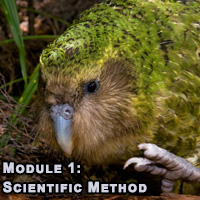
Module 1: The Scientific Method
This module introduces students to the process of inquiry. In the context of aviculture, the scientific method is used to evaluate the efficacy of different diets, the impact of environmental enrichment, and the success rates of various breeding protocols. By teaching students how to form hypotheses and analyze data, the AFA fosters a culture of evidence-based husbandry.
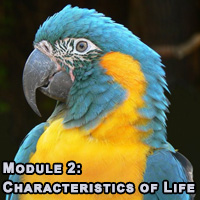
Module 2: Characteristics of Life
Understanding what constitutes life and the specific biological requirements of the class Aves is central to this module. It covers cellular biology, metabolic processes, and the unique physiological adaptations—such as high body temperatures and specialized respiratory systems—that distinguish birds from other vertebrates.
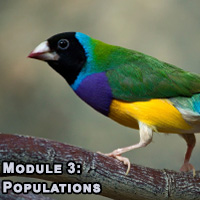
Module 3: Populations
This module explores the dynamics of avian populations in both the wild and captivity. It covers concepts such as carrying capacity, genetic bottlenecks, and the importance of maintaining a diverse gene pool. This knowledge is vital for aviculturists involved in "Species Survival Plans" (SSPs), where the goal is to maintain a self-sustaining and genetically healthy population.
Module 4: Mendelian Genetics
Building on the concepts introduced in the FOA courses, this module provides a simplified yet thorough explanation of how traits are passed from one generation to the next. It serves as a foundational tool for understanding why certain breeding pairs are more compatible than others and how to avoid the pitfalls of inbreeding depression.
Module 5: Ecological Terminology
The final module focuses on the relationship between birds and their ecosystems. By learning about niches, biomes, and trophic levels, students gain a better understanding of the natural history of the species they keep. This ecological context is essential for creating "naturalistic" captive environments that encourage natural behaviors.
Supporting Data and the Importance of Avicultural Literacy
The need for structured education in aviculture is supported by the scale of the avian pet industry and the precarious state of wild bird populations. According to the American Pet Products Association (APPA), millions of households in the United States alone own birds. However, avian veterinarians frequently report that the majority of health issues seen in clinical practice are the result of poor husbandry and malnutrition—problems that are entirely preventable through education.
Furthermore, data from the International Union for Conservation of Nature (IUCN) indicates that approximately 13% of all bird species are currently threatened with extinction. In several high-profile cases, such as the Spix’s Macaw and the California Condor, the expertise of aviculturists and the implementation of controlled breeding programs have been the only factors preventing total species loss. The AFA’s educational tools ensure that the next generation of keepers is equipped to handle these high-stakes conservation responsibilities.
Institutional Impact and Professional Implications
The professionalization of aviculture through the AFA’s curriculum has broad implications for the industry. For bird clubs and non-profit organizations, the ABC program provides a turnkey solution for member engagement and public education. For the individual, FOA certification serves as a mark of distinction, signaling to veterinarians, zoological institutions, and fellow breeders a commitment to scientific excellence.
The AFA also uses these educational platforms to advocate for the rights of responsible bird owners. By demonstrating that the avicultural community is self-regulating and highly educated, the AFA provides a powerful counter-argument to overly restrictive legislation that fails to distinguish between exploitative trade and legitimate conservation-based breeding.
Future Horizons in Avian Education
As technology evolves, the AFA continues to update its educational offerings. The transition to online learning platforms has made these courses accessible to a global audience, allowing enthusiasts in Europe, Asia, and Australia to benefit from the research conducted at Texas A&M and the collective wisdom of the AFA membership.
The organization remains committed to the philosophy that "education is the key to conservation." By providing the tools to understand the biology, genetics, and ecology of birds, the AFA is not just teaching people how to keep pets; it is training the stewards of the world’s avian heritage. Through the continued expansion of the Fundamentals of Aviculture and the Avian Biology Classroom, the federation ensures that the science of aviculture will continue to thrive, providing a safety net for species that might otherwise vanish from the earth.

