


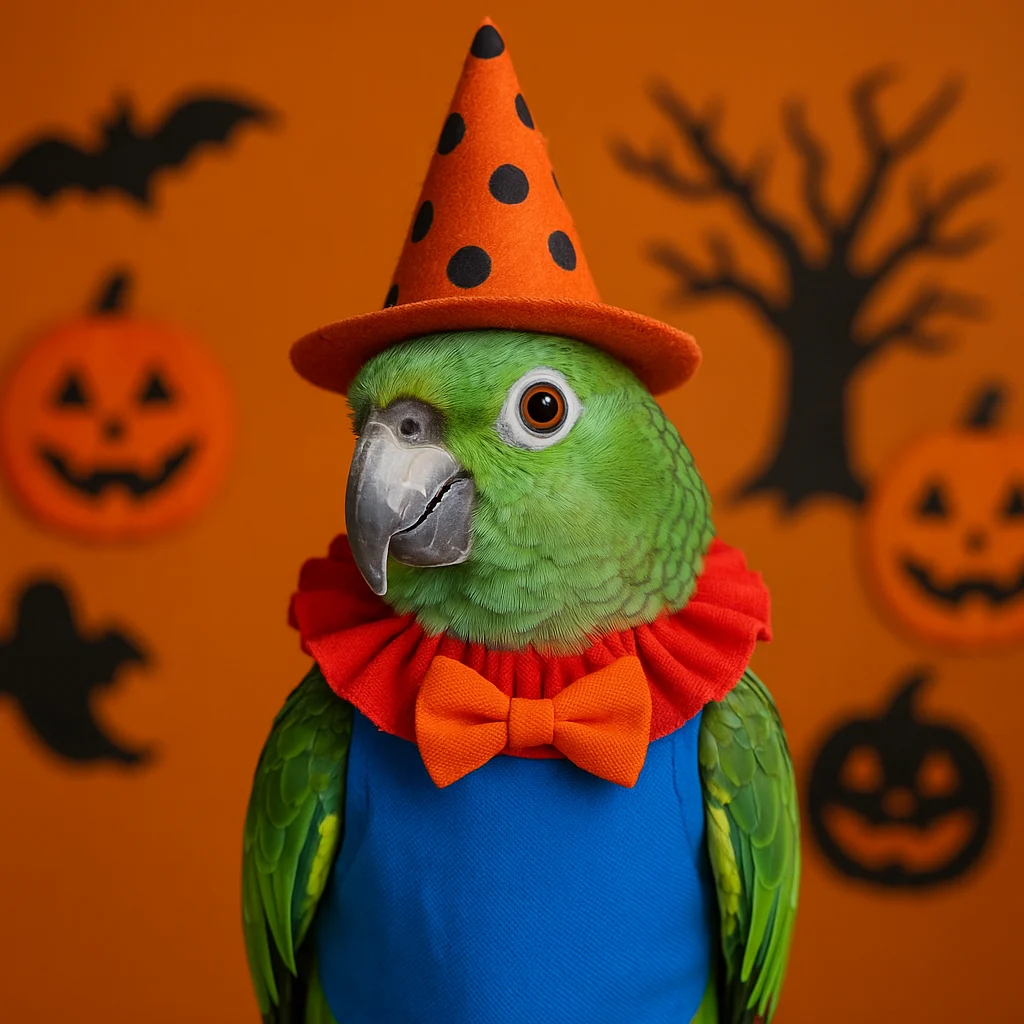
Halloween, a festive occasion for many, presents a unique set of challenges and potential distress for pet birds. From the incessant ringing of doorbells and the cacophony of excited children to flashing decorative lights and eerie sound effects, the holiday season can transform a bird’s typically predictable and secure environment into a source of profound anxiety and fear. This article, published on October 14, 2025, and last updated on November 3, 2025, delves into the physiological and psychological impacts of Halloween’s chaos on parrots and other avian companions, offering comprehensive strategies for owners to safeguard their pets’ well-being during this potentially overwhelming period. The primary objective is to equip bird owners with actionable insights to mitigate stress, foster a sense of security, and ensure a tranquil, scare-free experience for their feathered family members.
Understanding Avian Vulnerability to Holiday Chaos
Birds, particularly parrots, are creatures of routine and highly sensitive to changes in their environment. Their evolutionary history as prey animals has honed their senses, making them acutely aware of potential threats. The sudden influx of strangers, often clad in bizarre, predator-like costumes, coupled with unfamiliar sounds and visual stimuli, triggers their innate "flight or fight" response. A confident parrot that typically thrives in its home can become agitated, withdrawn, or exhibit stress behaviors such as screaming, feather plucking, or biting when confronted with the unpredictable nature of Halloween festivities. Research indicates that chronic stress can lead to a range of health issues in birds, including a weakened immune system, digestive problems, and behavioral pathologies. Understanding these underlying biological and behavioral mechanisms is crucial for developing effective mitigation strategies.
According to the American Pet Products Association (APPA) 2023-2024 National Pet Owners Survey, approximately 5.2 million U.S. households own birds. This significant number underscores the widespread relevance of avian welfare concerns during holidays like Halloween. Birds possess a highly efficient respiratory system and a rapid metabolism, making them particularly susceptible to environmental stressors. When a bird perceives a threat, its body releases corticosteroids, commonly known as stress hormones. While a short-term surge can be adaptive, prolonged elevation of these hormones can suppress the immune system, increase susceptibility to illness, and lead to chronic anxiety. Avian veterinarians consistently advise owners to prioritize a stable environment, especially for species known for their intelligence and emotional complexity, like African Greys or Macaws.
Halloween’s origins, tracing back to the ancient Celtic festival of Samhain, involved rituals to ward off spirits. Over centuries, it evolved into a holiday characterized by costumes, jack-o’-lanterns, and trick-or-treating. These modern traditions, while enjoyable for humans, inadvertently create a sensory overload for animals with heightened perceptions, turning a celebration into a source of potential trauma.
The Impact of Auditory Overload and Startle Responses
One of the most significant stressors for birds during Halloween is the sheer volume and unpredictability of noise. Doorbells ringing incessantly, children squealing with excitement, festive music, and even spooky sound effects from decorations can overwhelm a bird’s sensitive auditory system. Birds’ hearing is often more acute than humans’, with many species capable of perceiving a wider range of frequencies and distinguishing subtle variations in sound. This heightened sensitivity means that sounds tolerable or even pleasant to humans can be profoundly distressing for birds.
The sudden and unexpected nature of these noises can trigger a startle response, leading to a rapid increase in heart rate and stress hormone levels. Repeated startling can lead to chronic anxiety, fear, and even phobias. Experts recommend creating a "sound buffer" for avian pets. This involves closing windows and doors to muffle external sounds, playing calming white noise or soothing classical music, and strategically covering the bird’s cage with a breathable, dark blanket. Moving the bird’s cage to a quieter, interior room, away from the main entrance, can further minimize exposure to the holiday’s auditory assault. Rewarding calm behavior, rather than attempting to comfort a fearful bird, is often more effective, as it reinforces positive coping mechanisms and builds resilience.
Protecting Precious Sleep: The Importance of Avian Circadian Rhythms
Trick-or-treating activities typically commence in the late afternoon and extend into the evening, directly coinciding with the natural bedtime of most pet birds. Birds require a consistent sleep schedule, typically 10-14 hours of uninterrupted darkness, to maintain optimal physical and psychological health. A disrupted sleep cycle can have immediate and long-term negative consequences, manifesting as irritability, increased vocalizations, nipping, or even a suppressed immune system.
For birds, darkness signals safety and triggers their natural sleep processes. The intermittent flashing of lights from decorations, the opening and closing of doors allowing light into their space, and general household activity can prevent them from entering deep, restorative sleep. To combat this, owners should establish their bird’s bedtime routine earlier on Halloween night. Moving the bird to a completely dark, quiet, and secure room well before trick-or-treating begins is paramount. Using a blackout curtain or a thick cage cover can ensure complete darkness. Maintaining a predictable bedtime routine is a cornerstone of avian welfare, and special attention on Halloween ensures that this critical aspect of their care is not compromised.
The Threat of Unfamiliarity: Costumes and Strangers
Masks, elaborate costumes, and face paint, while fun for humans, can appear as menacing predators or unfamiliar entities to a bird. Birds rely heavily on visual cues for identification and safety. When familiar faces are obscured by wigs or masks, or when strangers with unusual appearances approach, it can trigger an instinctual fear response. This perception of threat can lead to defensive behaviors, such as biting, screaming, or attempts to escape, which can pose a risk of injury to both the bird and its handler.
Avian behaviorists strongly advise against exposing birds to costumed individuals or large gatherings of unfamiliar people. Even a brief photoshoot with a bird dressed in a costume is highly discouraged. Such acts can be profoundly stressful, restricting the bird’s movement and potentially causing physical discomfort or injury if the costume material is ingested. The safest approach is to relocate the bird to a separate, quiet room where it will not encounter guests or see costumes. This isolation provides a crucial psychological buffer, allowing the bird to remain calm and undisturbed while the festivities unfold elsewhere.
Proactive Measures: Crafting a Sanctuary for Your Feathered Friend
Effective Halloween preparation for bird owners involves a multi-faceted approach, emphasizing prevention and creating a secure environment.
- Pre-Halloween Preparations: In the days leading up to Halloween, begin gradually acclimating your bird to any new sounds or visual changes that might occur in the house. Ensure their designated safe room is ready – clean, stocked with fresh food and water, and equipped with familiar toys and perches.
- During the Event:
- Enrichment: Offer a favorite foraging toy or a stimulating puzzle before the evening’s activities commence. Engagement in a rewarding activity can distract the bird from external stressors.
- Acoustic Management: As previously mentioned, utilize white noise machines, calming music, or nature tracks to mask jarring external sounds. Close all windows and blinds to reduce both noise and visual stimuli.
- Routine Maintenance: Strive to keep the bird’s daily routine as normal as possible. Predictability is a powerful comfort for birds, signaling safety and stability.
- Calming Support: For birds prone to severe anxiety, natural calming aids can be considered. Products like UnRuffledRx™ Calming Formula or Aloe Vera Bird Spray, developed by avian wellness experts like Diane Burroughs, are designed to naturally alleviate stress. Consultation with an avian veterinarian before introducing any supplements is always recommended.
- Post-Event Wind-Down: Once the trick-or-treating subsides and the house returns to normalcy, offer your bird a special calm evening snack, such as a plain almond, walnut, or unsweetened dried fruit. Provide extra praise and gentle interaction to reinforce a sense of security and positive reinforcement for their resilience.
Beyond the Evening: Long-Term Well-being and Responsible Pet Ownership
The implications of holiday-induced stress extend beyond a single evening. Chronic or severe stress can lead to long-term behavioral problems, such as increased aggression, feather destruction, or self-mutilation. It can also compromise the bird’s immune system, making it more susceptible to illness. Responsible pet ownership during holidays requires foresight and a commitment to protecting the animal’s welfare. This not only safeguards the bird’s health but also strengthens the human-animal bond, built on trust and consistent care.
Avian welfare organizations consistently advocate for proactive planning during potentially stressful events. Their recommendations often align with the strategies outlined here, emphasizing environmental management, behavioral enrichment, and minimizing exposure to known stressors. By prioritizing their bird’s well-being, owners contribute to a broader culture of responsible pet care, recognizing that animals are not merely accessories but sentient beings with complex needs.
Navigating the Treats and Tricks: Essential Safety Guidelines
Beyond stress management, Halloween presents specific safety hazards that bird owners must be aware of:
- Can I dress my bird up? It is strongly advised against. Costumes can restrict movement, impede breathing, cause overheating, and the materials themselves can be toxic if chewed or ingested. The stress of being handled and dressed can also be significant.
- What if my bird screams all night? Persistent screaming is a distress signal. Ensure the bird is in a quiet, dark space. Instead of reacting to screams, which can inadvertently reinforce the behavior, reward moments of quiet with soft praise or a small treat. White noise or calming music can help create a soothing environment.
- Can I share Halloween candy? Absolutely not. Human treats, especially Halloween candy, often contain chocolate, xylitol, high sugar content, or artificial colorings and flavors, all of which are toxic or harmful to birds. Chocolate contains theobromine, which is highly poisonous to many animals, including birds. Instead, offer bird-safe alternatives like small pieces of plain, unsalted nuts (almonds, walnuts) or unsweetened dried fruits (e.g., cranberries, apricots) as special treats.
- Decorations: Keep all decorations, especially those with small parts, glitter, tinsel, or electrical cords, well out of reach of curious beaks. Ingesting foreign objects can lead to serious digestive issues or impaction. Candles and open flames are also significant fire hazards and pose a risk of burns.
Industry and Innovation: Supporting Avian Wellness
The growing understanding of avian psychology and physiology has led to the development of specialized products designed to support bird wellness. Experts like Diane Burroughs, LCSW, with her background in psychotherapy and Applied Behavior Analysis (ABA), have spent years developing safe and trusted products. Her UnRuffledRx™ parrot wellness products, including calming formulas and aloe vera sprays, are examples of innovations aimed at supporting bird health from the inside out. Such products, when used judiciously and in consultation with avian veterinarians, can offer an additional layer of support for birds facing environmental stressors. These developments reflect a broader trend in the pet industry towards holistic wellness and science-backed solutions for animal care.
Conclusion: No Tricks, Just Treats for a Calm Bird
Halloween does not have to be a source of terror for your feathered companions. With careful planning, a commitment to creating quiet, secure spaces, ensuring consistent sleep, and providing appropriate calming support, you can transform fright night into a peaceful evening for your flock. Recognizing your bird’s unique needs for calm and predictability is the first step; creating that peace requires the right tools and strategies. Share your "calm-not-carved" bird photos on social media and demonstrate how a thoughtful approach can lead to a truly chill Halloween for avian pets.
In conclusion
Knowing your bird needs calm and predictability is one thing—but actually creating that peace takes the right tools. Don’t worry, I’ve got you covered. From UnRuffledRx™ Calming Formula to Aloe Vera Bird Spray, I’ve spent years developing safe, trusted products that support bird wellness from the inside out.
Related Posts:
Why Fireworks Are Traumatic for Birds
Finding a Bird Sitter for a Worry-Free Getaway
How to Calm a Stressed Parrot
References:
Burroughs, D. (2024). “Why Fireworks Scare Birds and How to Help.” BirdSupplies.com Blog.
Association of Avian Veterinarians (AAV): Stress Management and Enrichment in Companion Birds.
Link to this blog
https://birdsupplies.com/blogs/bird-care/halloween-stress-for-birds
Diane Burroughs, LCSW, brings over 30 years of experience helping bird lovers build stronger, healthier bonds with their parrots. With a foundation in psychotherapy and Applied Behavior Analysis (ABA), Diane combines proven behavioral science with simple, real-life strategies anyone can use. Through her books, behavior consultations, and UnRuffledRx parrot wellness products, she’s dedicated to helping real bird owners create trust, confidence, and a lifetime of positive experiences with their feathered companions.
Diane’s products have been featured in the Journal of Avian Medicine and Surgery and at ExoticsCon, a national conference for exotic animal veterinarians. Her bird collars and supplements are trusted by avian vets and stocked in clinics across the U.S. With thousands of individualized behavior plans under her belt, Diane’s mission is simple: to help parrots and their people thrive together.
TAGS: #HalloweenBirdCare #ParrotAnxiety #BirdCalmingTips
SHARING IS CARING! ❤️
Love what you read? Help spread the word on Facebook & Instagram 🐦
✍️ Leave a comment below and tell us how your bird handles Halloween!

