


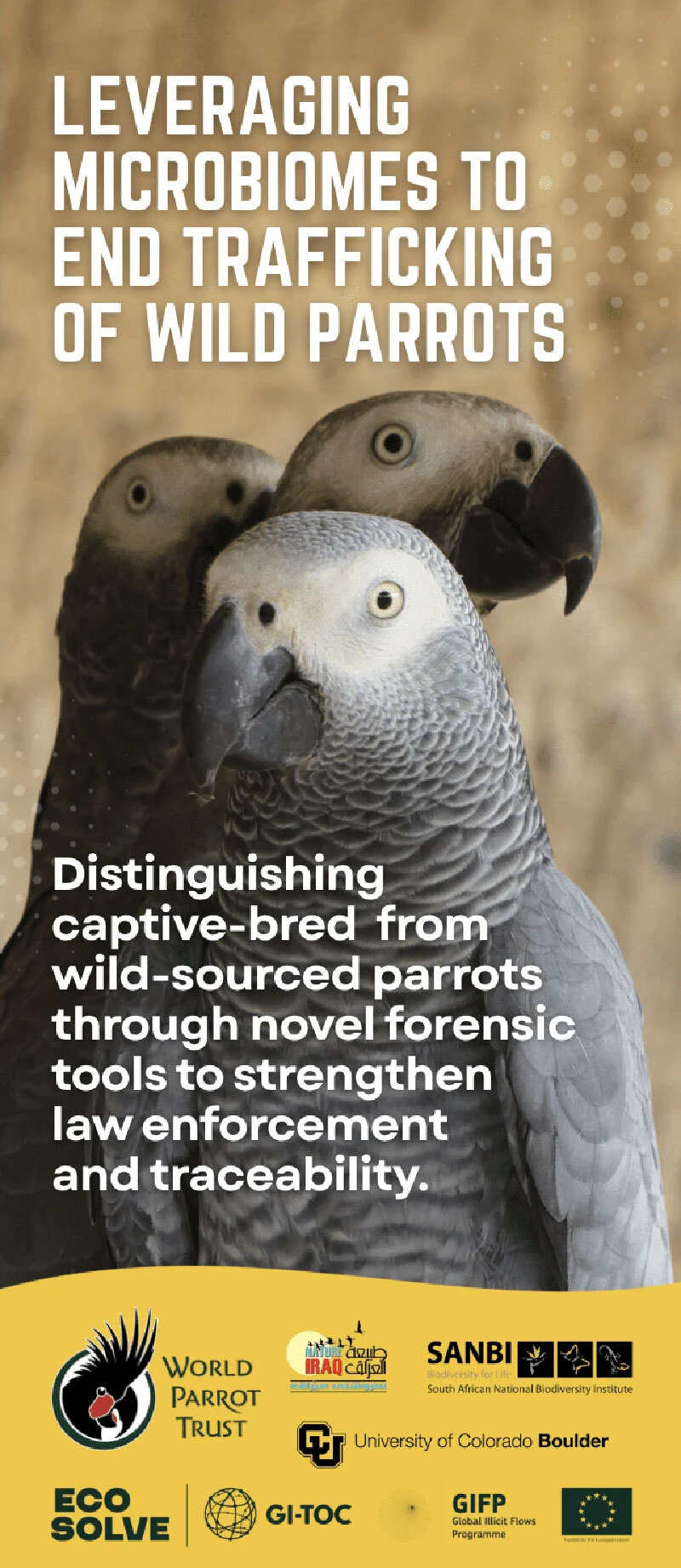
Groundbreaking research and sophisticated investigative tools are now being profoundly powered by advances in genomics, ushering in a new era for wildlife conservation and forensic science. The rapid evolution of sequencing technologies has enabled scientists to meticulously map entire genomes – the complete genetic instruction set within an organism. This monumental capability has, in turn, unlocked the potential for developing novel applications that can accurately identify species, distinguish individuals, and even comprehensively map the genetic makeup of entire communities of organisms through a field known as metagenomics. This scientific leap is proving to be a critical ally in the global battle against the illicit wildlife trade, offering unprecedented precision in verifying the origins of trafficked animals, notably the highly sought-after African Grey Parrot.
The Silent Crisis: African Grey Parrots and the Illegal Trade
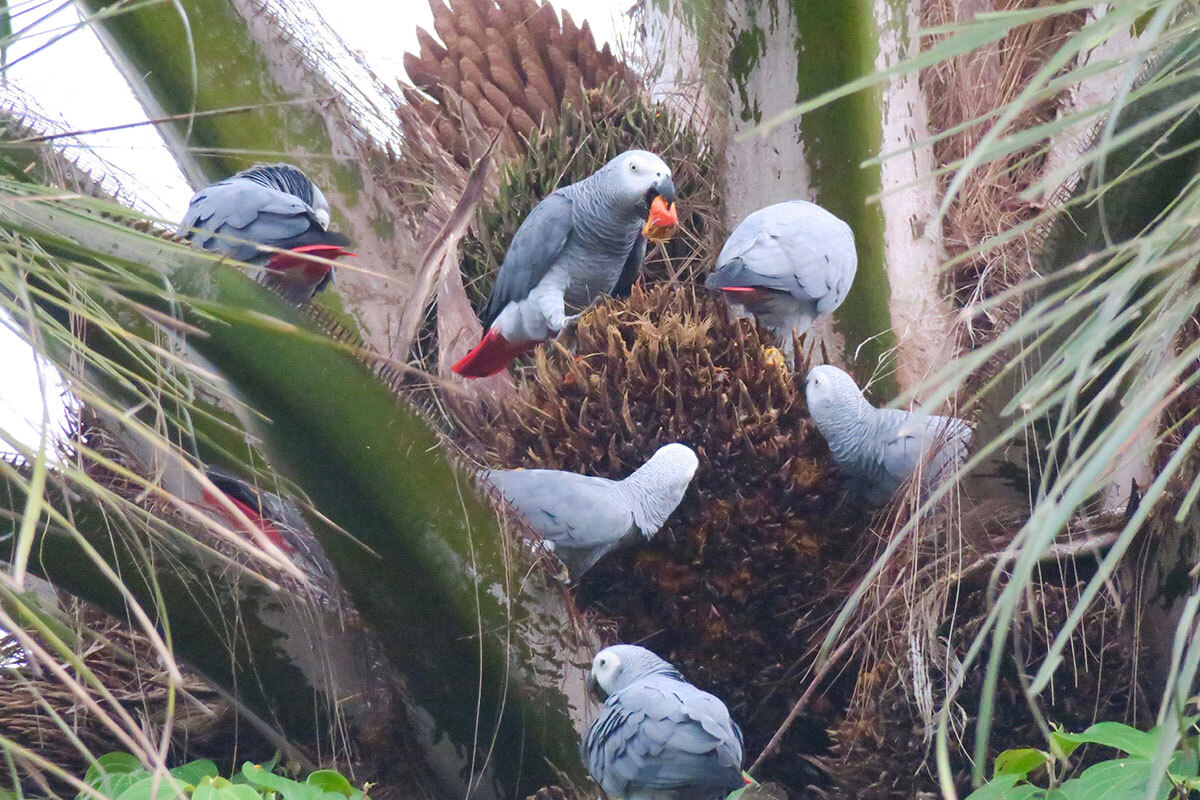
The African Grey Parrot (Psittacus erithacus) stands as a poignant symbol of both extraordinary avian intelligence and the devastating impact of the illegal wildlife trade. Renowned for their remarkable ability to mimic human speech and sounds, these intelligent birds have long been coveted as pets, driving an insatiable demand that has pushed their wild populations to the brink. Native to the rainforests of Central and West Africa, their numbers have plummeted dramatically over recent decades due to rampant habitat destruction and, more critically, unsustainable harvesting for the international pet trade. In response to this precipitous decline, the African Grey Parrot was uplisted to Appendix I of the Convention on International Trade in Endangered Species of Wild Fauna and Flora (CITES) in 2016, effectively banning all international commercial trade in wild-caught specimens.
Despite this crucial protective measure, the illegal trade persists, driven by lucrative profits and sophisticated trafficking networks that exploit legal loopholes. A significant challenge for regulators and conservationists lies in distinguishing between legally captive-bred birds and illegally wild-caught individuals that are laundered into the legal supply chain. This deceptive practice allows traffickers to evade detection, undermining conservation efforts and further imperiling wild populations. Disturbingly, since 2020, over 46,000 African Grey Parrots have been exported from South Africa alone, officially declared as "captive-bred." This staggering figure immediately raises red flags for investigators, as it presents a substantial opportunity for wild-caught birds to be falsely labeled and trafficked under the guise of legitimate trade. Genomics now offers a potent countermeasure, providing the scientific evidence needed to scrutinize—and ultimately challenge—such claims.
Genomics Unveiled: From DNA to Metagenomics
To fully appreciate the revolutionary impact of genomics in this context, it is essential to understand the fundamental concepts. DNA, or deoxyribonucleic acid, is the hereditary material found in all living organisms, carrying the genetic instructions for development, functioning, growth, and reproduction. It is the basic blueprint of life. Genomics, by contrast, is the broader scientific discipline dedicated to the study of the entire genome of an organism. This includes not just the DNA sequence itself, but also the intricate interplay of genes, their functions, and their interactions within the organism and with its environment.
The advent of sophisticated DNA sequencing machines, which have evolved from cumbersome, room-sized devices to increasingly compact and efficient instruments, has made it possible to rapidly and affordably decode entire genomes. This technological advancement has opened doors to a multitude of applications beyond understanding individual organisms. Metagenomics, a specialized branch of genomics, takes this a step further by studying genetic material recovered directly from environmental samples. Instead of focusing on a single organism, metagenomics allows scientists to analyze the collective genomes of entire communities of microorganisms (such as bacteria, fungi, and viruses) present in a given environment. This collective genetic information, often referred to as a "microbiome," can serve as a unique biological fingerprint.
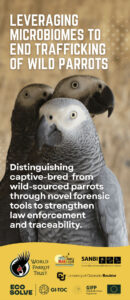
For conservationists, this capability is a potential game-changer in the fight against the illegal wildlife trade. Forensic scientists are pioneering the development of tools that leverage the profiling of gut microbiomes to accurately distinguish between wild-sourced and captive-bred parrots. The underlying principle is elegantly simple yet scientifically robust: wild birds, living in their natural habitats, are exposed to a vastly different diet and microbial environment compared to birds raised in captivity. These differences manifest as distinct and measurable signatures within their gut microbiome. A wild parrot feeding on diverse native fruits, seeds, and insects in a complex ecosystem will harbor a different bacterial community in its gut than a captive-bred parrot consuming a standardized diet of pellets and seeds in an aviary. By analyzing these microbial profiles, investigators can generate powerful evidence to verify—or refute—claims of captive breeding, thereby unmasking illegal trafficking operations.
A Chronology of Exploitation and Emerging Defense
The exploitation of African Grey Parrots dates back centuries, but the scale of the trade escalated dramatically in the latter half of the 20th century. For decades, millions of wild-caught birds were exported, primarily to Europe and North America, for the burgeoning pet market.
- Pre-2000s: Large-scale, largely unregulated trade in wild-caught African Grey Parrots. Population declines begin to be noticed by conservationists.
- Early 2000s: Growing scientific consensus on the severe impact of trade on wild populations. Increased calls for stronger protection.
- 2007: The European Union, a major destination market, bans the import of wild-caught birds, a move that significantly impacted the trade routes but did not halt it entirely.
- 2016: African Grey Parrots are uplisted to CITES Appendix I at the 17th Conference of the Parties (CoP17) in Johannesburg, South Africa. This landmark decision aimed to provide the highest level of international protection, prohibiting all commercial international trade.
- Post-2016 Challenges: Despite the CITES Appendix I listing, a new challenge emerged: the laundering of wild-caught birds through legal "captive-bred" channels. Countries with established breeding facilities, or those acting as transit hubs, became implicated.
- 2020 Onwards: The reported export of over 46,000 "captive-bred" African Grey Parrots from South Africa highlights the ongoing challenge and the scale of potential misrepresentation. This period underscores the urgent need for forensic tools to verify origins.
- Recent Breakthroughs: Simultaneously, cutting-edge genomic research begins to yield promising results, with forensic scientists developing and refining gut microbiome profiling techniques. These tools transition from theoretical potential to practical application, offering a critical new line of defense.
- Current Efforts: Conservation organizations like the World Parrot Trust, supported by partners such as Lafeber, actively champion and fund the implementation of these genomic tools, working to integrate them into enforcement strategies globally.
Supporting Data and the Scale of the Crisis
The illegal wildlife trade is a multi-billion-dollar global industry, ranking among the most profitable illicit activities alongside drugs, arms, and human trafficking. Estimates suggest its annual value could be as high as $23 billion, making it a significant driver of biodiversity loss and a threat to global security. Within this vast illicit economy, the trade in exotic birds holds a prominent position, with parrots, particularly the African Grey, being highly prized.
The 46,000 "captive-bred" African Grey Parrots reportedly exported from South Africa since 2020 serve as a stark illustration of the scale of the problem. While South Africa does have legitimate captive breeding operations, the sheer volume raises serious questions about the authenticity of all these birds. Conservationists argue that it is highly unlikely such a large number could genuinely originate solely from captive breeding facilities within such a relatively short timeframe, especially given the lengthy breeding cycles and specific care requirements of African Grey Parrots. This discrepancy points to a systematic exploitation of legal trade mechanisms to launder wild-caught birds, likely sourced from their natural habitats in the Democratic Republic of Congo (DRC) and other Central African nations where wild populations are being decimated.
Population data further underscores the severity of the crisis. Historically, African Grey Parrot populations were robust, but recent estimates indicate declines of up to 90% in some regions over the past few decades. For instance, a 2015 study estimated a 99% decline in Ghana’s population over 40 years. These figures paint a grim picture, making every wild-caught bird removed from its ecosystem a significant loss that further pushes the species towards extinction. The economic incentives for traffickers are immense, with a single wild-caught African Grey Parrot fetching hundreds, if not thousands, of dollars on the black market, particularly in Asian countries where demand remains high. This high profit margin fuels the continued exploitation, making robust, scientifically verifiable enforcement tools like genomics absolutely essential.
Official Responses and Stakeholder Perspectives
The emergence of genomic tools has been met with considerable enthusiasm and a sense of renewed hope across various stakeholder groups involved in wildlife conservation and law enforcement.
Conservation Organizations: Groups like the World Parrot Trust (WPT) have been at the forefront of advocating for and implementing these advanced techniques. A spokesperson for the WPT might articulate: "This technology is nothing short of a revolution for wildlife forensics. For years, we’ve struggled to definitively prove the origin of birds suspected of being illegally sourced. Gut microbiome profiling provides irrefutable scientific evidence that can break through the obfuscation tactics of traffickers. Our partnership with organizations like Lafeber is crucial in transforming this scientific breakthrough into a tangible tool for on-the-ground conservation." They emphasize the non-invasive nature of sampling (e.g., fecal samples), which is vital for animal welfare.
Law Enforcement and Customs Agencies: Officials tasked with interdicting illegal wildlife shipments often face immense challenges due to sophisticated smuggling methods and the difficulty of rapid, on-site identification. An official from a national wildlife enforcement agency could state: "Our officers are at the front lines, but without definitive proof of origin, prosecuting these cases effectively can be incredibly difficult. Genomics offers us a powerful new weapon. It strengthens our evidence, deters traffickers, and allows us to pursue convictions with greater certainty. The ability to distinguish between wild and captive birds with high accuracy will significantly enhance our capacity to disrupt these criminal networks." They would also highlight the need for international cooperation and standardized protocols for sample collection and analysis.
Government Regulators and CITES Authorities: For bodies like CITES, responsible for regulating international trade in endangered species, the technology promises to enhance the integrity of the permit system. A representative might observe: "The CITES Appendix I listing for African Grey Parrots was a vital step, but its effectiveness is undermined by fraudulent claims of captive breeding. Genomic verification provides an independent, objective method to audit trade flows and ensure compliance. This strengthens the entire regulatory framework and supports our mandate to protect endangered species from commercial exploitation."
Scientific Community: Researchers involved in developing these genomic tools are continuously working to refine methodologies, expand genetic databases, and improve accessibility. A leading forensic geneticist could remark: "The interdisciplinary nature of this work, combining molecular biology, bioinformatics, and conservation science, is incredibly rewarding. We are not just advancing fundamental scientific understanding; we are directly contributing to tangible solutions for a pressing global crisis. The goal is to make these tools more robust, faster, and eventually, deployable even in remote field settings."
A Future Laboratory in Your Pocket: Broader Implications
The transformative potential of genomics extends beyond current applications, pointing towards a future where sophisticated investigative capabilities are dramatically more accessible and efficient. Traditional DNA sequencers, once the size of refrigerators and requiring specialized laboratory environments, are rapidly being miniaturized. The development of portable devices, roughly the size of a USB flash drive, represents a paradigm shift for investigative work.
These "laboratory-in-your-pocket" sequencers will offer several profound advantages:
- Rapid On-Site Analysis: Instead of sending samples to distant, centralized laboratories and waiting weeks or months for results, investigators could potentially perform sequencing and analysis directly at customs checkpoints, seizure sites, or even in remote field locations. This drastically cuts down turnaround times, allowing for quicker intervention and prosecution.
- Increased Accessibility: The reduced size and potentially lower cost of these portable devices will democratize access to advanced genomic profiling. Smaller conservation organizations, local law enforcement units, and anti-poaching patrols in developing nations could be equipped with these tools, empowering them with scientific capabilities previously out of reach.
- Enhanced Deterrence: The knowledge that such powerful, rapid verification tools exist will serve as a significant deterrent to traffickers, making it far riskier to attempt to launder wild-caught animals.
- Broader Applicability: The methodology developed for African Grey Parrots—using metagenomics to identify environmental signatures—can be readily adapted to other illegally traded species. Imagine verifying the origin of pangolin scales, rhino horn, illegal timber, or even identifying the geographical source of bushmeat with a portable device. This has implications for a vast array of wildlife crime.
- Cost-Effectiveness: While initial development costs are high, the long-term cost-effectiveness of rapid, on-site analysis can be substantial, reducing logistical expenses associated with sample transport and specialized laboratory services.
This month’s Lafeber donation directly supports the World Parrot Trust’s mission to integrate microbiome profiling as a routine forensic tool. By leveraging these non-invasive sampling techniques to identify the origin of birds with high certainty, conservationists and law enforcement can effectively slow the laundering of wild parrots through legal supply chains. This targeted approach is crucial for protecting high-risk species like the African Grey Parrot, allowing wild populations a chance to recover and disrupting the criminal enterprises that profit from their demise.
In conclusion, the convergence of genomic science, technological innovation, and dedicated conservation efforts is forging a powerful new frontier in the fight against wildlife crime. Genomics, with its capacity to reveal the intricate genetic stories embedded within every organism and its microbial companions, is no longer just a research tool but an indispensable weapon in protecting the planet’s most vulnerable species. As these technologies continue to advance and become more accessible, the future holds the promise of a more equitable and effective global response to the pervasive threat of illegal wildlife trade, safeguarding biodiversity for generations to come.

