


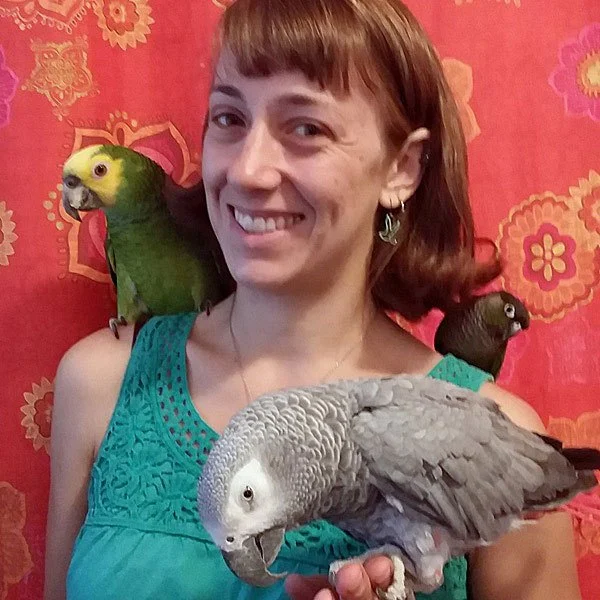
The "Avian Vet Insider" webinar series is set to host a crucial session on Friday, April 10, 2026, focusing on the complex and often challenging topic of avian neoplasia. Led by the highly respected Dr. Stephanie Lamb, this initial installment, "Avian Neoplasia, Part 1," will provide an in-depth exploration into the various manifestations of cancer in pet birds, ranging from benign skin masses to severe, debilitating, and sometimes incurable diseases. Scheduled for 12:00 p.m. PST, the online event is designed to equip both seasoned avian veterinarians and concerned pet bird owners with essential knowledge and practical insights into recognizing, understanding, and potentially managing these conditions. The webinar emphasizes the broad spectrum of neoplastic disorders, acknowledging their significant impact on avian health and welfare, and underscores the necessity for continued education in this specialized field.
The Upcoming Webinar: A Deep Dive into Avian Neoplasia
Avian neoplasia, a term encompassing abnormal cell growth and tumor formation, represents a diverse group of conditions that can affect any organ system in birds. Unlike some more commonly discussed ailments, avian cancers often present unique diagnostic and therapeutic challenges due to the varied physiology of avian species and the often subtle nature of initial symptoms. This webinar, the first of a two-part series, is strategically designed to lay a comprehensive foundation, addressing both the more prevalent forms of avian cancer and some of the rarer presentations that may confound even experienced practitioners. Dr. Lamb’s presentation will navigate the intricacies of this subject, aiming to demystify complex medical terminology and provide actionable information.
The decision to dedicate a multi-part series to avian neoplasia reflects the growing recognition within the veterinary community of its prevalence and impact. Historically, cancer in birds might have been considered less common or less understood than in mammalian species. However, as avian veterinary medicine advances and pet birds live longer, diagnoses of neoplastic conditions are becoming more frequent. This shift necessitates a robust educational response, providing up-to-date information on pathology, diagnostics, and management strategies. The "Avian Vet Insider" series, known for its commitment to high-quality, practical content, is ideally positioned to deliver this critical knowledge.
Dr. Stephanie Lamb: A Leading Voice in Avian Medicine
Dr. Stephanie Lamb, the featured speaker for this important webinar, brings a wealth of expertise and a compassionate approach to avian veterinary medicine. Her extensive background includes specialized training and hands-on experience in diagnosing and treating a wide array of avian health issues, with a particular focus on complex internal medicine cases, which often include neoplastic diseases. Dr. Lamb is recognized for her ability to translate intricate scientific concepts into understandable language, making her an ideal educator for an audience comprising both veterinary professionals and dedicated pet owners. Her work emphasizes not only the scientific rigor required for effective treatment but also the profound bond between birds and their human companions, advocating for treatments that prioritize quality of life.
Her participation in the "Avian Vet Insider" series is a testament to her commitment to advancing avian welfare through education. Dr. Lamb frequently contributes to veterinary journals, speaks at national and international conferences, and actively engages with the pet bird community, sharing her knowledge to empower owners and improve patient outcomes. Her approach integrates the latest research with practical clinical experience, offering attendees a balanced and comprehensive perspective on challenging topics such as avian neoplasia. The opportunity to learn directly from a clinician of her caliber is a significant draw for the upcoming event.
Understanding Avian Neoplasia: A Growing Concern
Avian neoplasia refers to the uncontrolled growth of abnormal cells, leading to the formation of tumors. These tumors can be benign (non-cancerous) or malignant (cancerous), and their impact on a bird’s health varies dramatically depending on their type, location, and rate of growth. While precise epidemiological data on avian cancer prevalence can be challenging to gather across all species, veterinary oncologists and pathologists report that certain types of cancers are increasingly observed in pet birds, particularly those living longer lifespans under human care. Factors such as genetics, environmental influences, diet, and chronic inflammation are believed to play roles, though specific etiologies often remain elusive.
The challenges associated with avian neoplasia are multifaceted. Early detection is often hindered by birds’ natural instinct to mask signs of illness, a survival mechanism in the wild. By the time symptoms become evident, the disease may be advanced. Furthermore, the small size of many avian patients, coupled with their delicate physiology, can complicate diagnostic procedures and therapeutic interventions. Specialized equipment, techniques, and expertise are often required, making access to advanced care a significant consideration for many pet owners. This webinar aims to shed light on these complexities, offering strategies for earlier recognition and more informed decision-making.
Common and Rare Manifestations of Avian Cancer
The spectrum of avian cancers is broad, with certain types appearing more frequently than others. Common neoplastic conditions include lipomas, which are benign fatty tumors often seen in budgerigars and Amazon parrots, typically presenting as soft, movable masses under the skin. While usually harmless, large lipomas can impede movement or become ulcerated. Another relatively common type is fibrosarcoma, a malignant tumor of connective tissue that can occur in various locations, often presenting as firm, rapidly growing masses. Squamous cell carcinoma, a malignant tumor of the skin, is also observed, particularly around the beak, eyelids, and feet, and can be highly invasive.
Reproductive cancers are notably prevalent in female birds, especially those that are chronic egg layers. Ovarian and oviductal adenocarcinomas are frequently diagnosed, often leading to internal laying, coelomic distention, and systemic illness. These can be particularly aggressive and challenging to treat. Kidney tumors (renal adenocarcinomas) and liver tumors (hepatocellular carcinomas) are also reported, often manifesting with non-specific signs such as lethargy, weight loss, or changes in droppings.

On the rarer side, specific lymphomas and leukemias can affect various avian species, impacting the lymphatic system or blood-forming tissues. Pancreatic and thyroid carcinomas, although less common, also pose significant diagnostic puzzles. The webinar will delve into the characteristic presentations of these various tumor types, providing attendees with visual aids and case examples to enhance understanding. Recognizing the subtle differences between benign and malignant growths, and understanding species predispositions, are critical components that Dr. Lamb will address.
The Critical Role of Early Detection and Diagnosis
Early and accurate diagnosis is paramount for improving the prognosis of avian neoplasia. Dr. Lamb will likely emphasize the importance of vigilant observation by pet owners, noting subtle changes in a bird’s behavior, appetite, weight, posture, or physical appearance. A comprehensive diagnostic workup typically begins with a thorough physical examination by an avian veterinarian. This is often followed by advanced imaging techniques such as radiography (X-rays), ultrasonography, and sometimes computed tomography (CT scans) or magnetic resonance imaging (MRI) to visualize internal masses, assess their size, location, and potential invasiveness.
Cytology (microscopic examination of cell samples) and histopathology (microscopic examination of tissue biopsies) are definitive diagnostic tools. Fine needle aspirates (FNAs) can provide cellular samples for initial assessment, while surgical biopsies offer more comprehensive tissue architecture for a conclusive diagnosis. Blood work, including complete blood counts and biochemistry panels, can provide insights into a bird’s overall health status and may reveal systemic impacts of neoplastic disease, such as anemia or elevated liver enzymes. The webinar will detail these diagnostic pathways, discussing the advantages and limitations of each method and guiding attendees on what to expect during a diagnostic process.
Treatment Modalities and Prognostic Considerations
Treatment options for avian neoplasia vary widely depending on the type of cancer, its stage, location, and the overall health of the bird. Surgery is often the preferred treatment for localized tumors that can be completely removed, especially for benign masses or early-stage malignant tumors. However, the feasibility of surgery is often constrained by the tumor’s size, its proximity to vital organs, and the bird’s anesthetic risk.
For more advanced or inoperable cancers, other modalities may be considered. Chemotherapy, while less commonly applied in avian medicine than in mammalian oncology, is an evolving area. Specific protocols are being developed for certain avian cancers, though challenges include drug toxicity, dose determination, and client compliance. Radiation therapy is another specialized option, particularly for tumors that are sensitive to radiation or in locations difficult to access surgically. Supportive care, including pain management, nutritional support, and fluid therapy, is crucial regardless of the primary treatment chosen, aiming to maintain the bird’s quality of life.
Prognosis is highly variable, ranging from excellent for easily resectable benign tumors to guarded or poor for aggressive, metastatic cancers. Factors influencing prognosis include the tumor type, its biological behavior, the stage of the disease at diagnosis, the bird’s species, age, and overall health, and the owner’s ability to pursue aggressive treatment. Dr. Lamb’s presentation will address these prognostic indicators, helping owners and veterinarians make informed decisions about treatment plans and end-of-life care, always with an emphasis on the bird’s welfare.
The Emotional and Practical Impact on Bird Owners
Dealing with a cancer diagnosis in a beloved pet bird can be an emotionally taxing experience for owners. The financial burden of diagnostic tests and treatments, coupled with the emotional toll of witnessing a bird’s decline, can be substantial. Many owners face difficult decisions regarding aggressive treatment versus palliative care, balancing the potential for extending life with ensuring a good quality of life. The webinar implicitly acknowledges this profound human-animal bond, offering not just scientific data but also a platform for understanding and support. It aims to empower owners with knowledge, allowing them to engage more effectively with their veterinarians and make choices that align with their bird’s best interests and their own capacity for care. Understanding the disease process can alleviate some anxiety and help owners feel more in control during a challenging time.
The "Avian Vet Insider" Series: A Commitment to Education
The "Avian Vet Insider" webinar series, likely organized by a prominent entity in avian health such as Lafeber Company, has established itself as a vital educational resource for the avian community. These webinars consistently provide timely and relevant information on a wide range of topics critical to avian health and welfare, drawing on the expertise of leading specialists in the field. The series reflects a broader commitment to advancing avian veterinary medicine and promoting responsible pet bird ownership. By offering accessible, high-quality professional development and owner education, these initiatives contribute significantly to improving the lives of pet birds globally. The choice of "Avian Neoplasia" as a two-part series highlights the complexity and importance of the topic, signifying a dedicated effort to provide thorough coverage.
Registering for the Event and Looking Ahead: Part 2 and Future Directions
Prospective attendees are encouraged to register well in advance for "Avian Vet Insider – Avian Neoplasia, Part 1." Registration details, including how to access the webinar platform and any associated materials, will be available through the hosting organization’s official channels. Given the online nature of the event, participants from various geographical locations can attend, though they are advised to use the provided time zone converter to ensure they log in at 12:00 p.m. PST (Pacific Standard Time) on Friday, April 10, 2026. This forward-looking scheduling for 2026 allows ample time for planning and promotion, ensuring a broad reach.
Following this foundational first part, "Avian Neoplasia, Part 2" is anticipated to delve deeper into specific treatment protocols, advanced management strategies, and potentially emerging research in avian oncology. While details for the second installment will be announced separately, its planning underscores the comprehensive approach being taken to address this significant health challenge. Educational initiatives like these webinars are instrumental not only in disseminating current knowledge but also in fostering a collaborative environment where veterinarians and owners can collectively work towards better outcomes for birds affected by cancer. The long-term implications include improved diagnostic accuracy, more effective treatment regimens, and an enhanced understanding of preventive measures, ultimately contributing to a higher standard of care for avian companions.

