


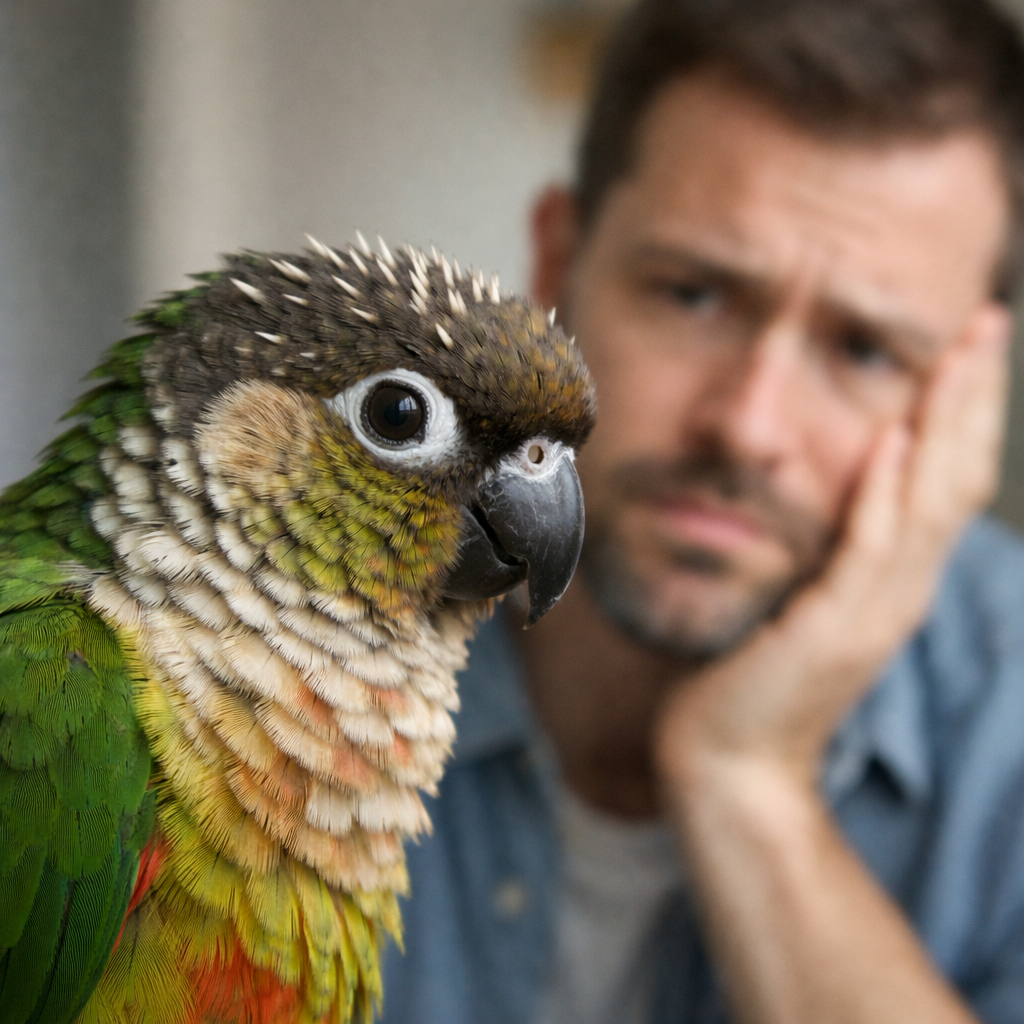
For bird owners, the sight of numerous small, spiky protrusions on their pet’s body, particularly during periods of molting, often raises questions and concerns. These are pin feathers, a completely normal, yet sometimes uncomfortable, stage in the avian feather replacement cycle. Understanding the biology of pin feathers, how they develop, and the best ways to support a bird through this process is crucial for ensuring their comfort and maintaining their overall health. This guide aims to provide a detailed, fact-based overview for owners of healthy birds experiencing a normal molt, emphasizing supportive care and clearly delineating situations that necessitate professional avian veterinary attention.
The Avian Molt: A Biological Imperative
Feathers are marvels of biological engineering, providing insulation, facilitating flight, aiding in camouflage, and playing a critical role in display and communication. However, feathers are also subject to wear and tear from daily activities, environmental exposure, and preening. To maintain their integrity and functionality, birds regularly replace their feathers through a process known as molting. This isn’t a sporadic event but a highly regulated biological imperative, often influenced by seasonal changes, hormonal fluctuations, and a bird’s age and reproductive status.
Molting typically occurs once or twice a year, though the frequency and intensity can vary significantly between species. For instance, many passerine birds undergo a complete post-nuptial molt annually, while some larger parrots may have a more continuous, staggered molt. The process is energetically demanding, requiring significant protein and nutrient resources for the synthesis of new keratin, the primary component of feathers. During a molt, old, damaged feathers are shed, making way for new growth. This replacement is usually symmetrical, ensuring that the bird maintains its flight capabilities and insulation throughout the process. The synchronization of feather follicle activation is key; rather than replacing feathers one by one, the body activates groups of follicles simultaneously, often in specific body regions, leading to the "all at once" appearance of pin feathers. This synchronized growth is regulated by a complex interplay of hormones, including thyroid hormones and sex steroids, which respond to environmental cues like photoperiod (day length). As noted by Chen et al. (2020), molecular signaling and nutritional regulation are critical in orchestrating this intricate process.
Understanding Pin Feathers: Anatomy and Development
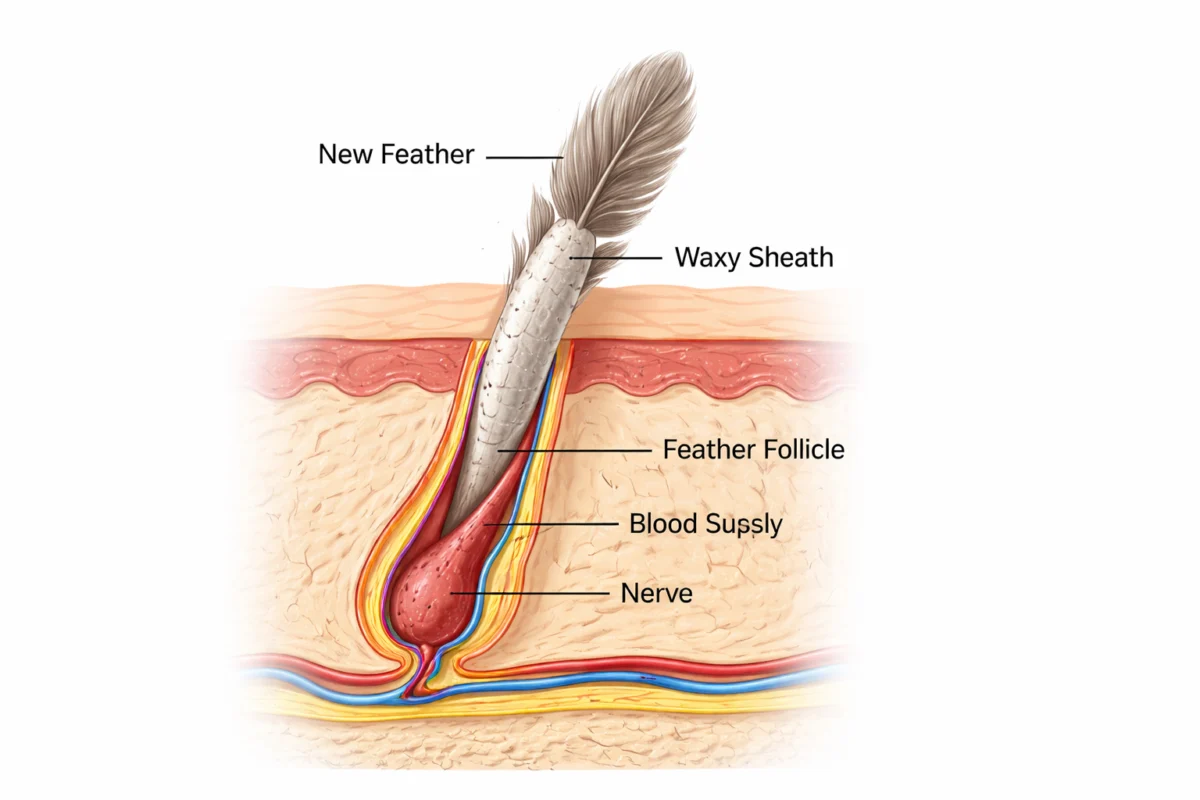
Pin feathers are, in essence, nascent feathers encased in a protective keratin sheath. When an old feather is shed, a new one begins to grow from the dermal papilla within the feather follicle. This new feather, initially a cylindrical structure, is nourished by a small blood supply that extends into its base. The visible "spike" is this protective keratin sheath, which safeguards the delicate developing feather structure – the calamus, rachis, barbs, and barbules – as it pushes through the skin. These sheaths appear pale or whitish due to their keratinous composition and are most easily observed on areas like the head and neck, where feather density is high, and the bird cannot easily preen them.
The appearance of pin feathers in clusters is a hallmark of a normal molt. This phenomenon is a testament to the body’s efficiency in replacing large sections of plumage. The follicles were already primed beneath the skin, and the visible growth marks the active emergence of these new feathers. While this simultaneous growth is natural, it can make the skin feel "busy" or irritated for the bird, even in the absence of any medical issues. The integrity of the keratin sheath is vital; it prevents damage to the forming feather and its associated blood supply. As the feather matures, this sheath dries out and becomes flaky, eventually disintegrating to release the fully formed feather beneath. This process is a testament to the complex integumentary morphology of birds, as described by Stettenheim (2000) and Lucas & Stettenheim (1972).
Navigating the Stages of Pin Feather Discomfort
The development of a pin feather is a dynamic process, and a bird’s sensation can change considerably as it progresses through different stages. Owners often observe a shift in their bird’s behavior, reflecting these internal changes.
-
Early Growth: The Tender Phase
In its initial stages, each pin feather is actively growing and still connected to a small, vital blood supply within the shaft. The surrounding skin and the feather follicle are highly sensitive, rich in nerve endings. During this phase, any direct pressure, squeezing, or rough handling of the pin feathers can cause significant discomfort or even pain. Birds in this stage may exhibit heightened sensitivity to touch, flinch away from hands, or vocalize if a tender area is accidentally contacted. They might also engage in gentle, focused preening around these sensitive areas, but generally avoid aggressive manipulation. The primary concern here is avoiding any action that could rupture the delicate blood supply or damage the developing feather. -
The Itchy Phase: A Common Challenge
As the pin feather continues to mature, the protective keratin sheath begins to dry out and break down. This drying process, coupled with the emerging feather structure pressing against nerve endings in the skin, often leads to intense itching. This is the stage most frequently noticed by owners, as birds will visibly increase their scratching, rubbing against perches or cage bars, and engaging in focused, sometimes vigorous, preening. This behavior can occasionally be mistaken for feather plucking due to its intensity, but it’s typically a natural response to physical irritation. The itchiness can be exacerbated by dry environmental conditions, as low humidity can make the keratin sheaths harder and less pliable, impeding their natural breakdown. Providing opportunities for bathing and ensuring adequate environmental humidity become particularly important during this period to soften the sheaths and alleviate discomfort. -
Release and Resolution: The Final Stage
Once a pin feather is fully developed and the keratin sheath has completely dried, it becomes brittle and flakes away. This allows the new, fully formed feather to unfurl and settle into its proper position. During this stage, fine white flakes – remnants of the keratin sheaths – are commonly observed around the bird’s environment or on its plumage. The bird’s preening efforts shift from scratching to more deliberate manipulation, gently breaking apart the remaining sheath material. As the sheaths are shed and the feathers open, the associated irritation subsides, and the bird’s comfort significantly improves. This final stage marks the successful completion of the individual feather’s growth cycle, contributing to the bird’s renewed, vibrant plumage.
Distinguishing Pin Feathers from Blood Feathers: A Critical Difference
While all pin feathers contain a blood supply in their early stages, the term "blood feather" is specifically reserved for larger, actively growing feathers—typically those of the wings and tail—that are still connected to a significant, active blood supply. The distinction is crucial due to the potential severity of injury.
Pin feathers are simply new feathers that are still growing. In their early phase, they are connected to a small blood supply, which is why touching or breaking them prematurely can cause discomfort or minor bleeding. However, these are often smaller body feathers with less substantial blood vessels.
Blood feathers, on the other hand, are larger, structural feathers that, due to their size and developmental needs, have a more extensive and robust blood supply. Breaking a blood feather can result in substantial bleeding that, particularly in smaller avian species, can quickly become dangerous. Uncontrolled hemorrhage can lead to hypovolemic shock, a life-threatening condition. Dr. Teresa L. Lightfoot, a renowned avian veterinarian, emphasizes the importance of immediate action when a blood feather breaks, highlighting the potential for significant blood loss (Lightfoot, 2024).
What to do if a Blood Feather Breaks:
If a blood feather breaks, immediate action is paramount:
- Apply Direct Pressure: Gently but firmly apply pressure to the bleeding site using a clean cloth or gauze. Maintain pressure for at least 5-10 minutes without peeking.
- Use a Clotting Agent: If bleeding persists after initial pressure, apply a commercial avian styptic powder (e.g., Kwik Stop, cornstarch, or flour) directly to the bleeding tip of the feather. Continue to apply gentle pressure.
- Monitor Closely: Once bleeding appears to stop, monitor the bird closely for 30-60 minutes. Reapply the clotting agent and pressure if minor bleeding resumes.
- Seek Veterinary Care: If bleeding continues beyond 10-15 minutes, appears heavy, or if you are unsure about its control, contact an avian or exotics veterinarian immediately. This constitutes an emergency.
What NOT to do:
Never attempt to pull a blood feather yourself. Feather removal is extremely painful for the bird, can worsen bleeding, and may permanently damage the feather follicle, potentially preventing future feather growth in that spot. Blood feathers should only be removed by an avian veterinarian or a trained veterinary professional who can assess the situation, administer pain relief, and ensure proper post-procedural care.
Proactive Support for a Healthy Molt: Actionable Steps for Owners
The goal during a bird’s molt is to ease skin irritation, prevent excessive or fixated scratching, and protect the emerging new feathers. Several home-based strategies can provide meaningful relief:
-
Optimizing Environmental Conditions: Humidity and Bathing
Humidity plays a crucial role in softening the keratin sheaths of pin feathers, making them more pliable and easier for the bird to preen off. Dry indoor environments, particularly in heated homes, can exacerbate itchiness. Providing regular opportunities for bathing is highly beneficial. This can include a shallow dish of fresh water for self-bathing, a gentle misting with plain water, or even taking the bird into a steamy bathroom. The moisture helps to moisturize the skin and soften the sheaths, aiding in their natural breakdown and release. Ensure the bathing water is lukewarm and the bird is allowed to dry thoroughly in a warm, draft-free area. -
Nutritional Foundations: Fueling Feather Growth
Feather production is one of the most metabolically demanding processes for a bird. A diet rich in essential nutrients is critical for growing strong, healthy feathers and maintaining healthy skin.- Proteins and Amino Acids: Feathers are primarily made of keratin, a protein. Therefore, a diet adequate in high-quality protein and specific amino acids, particularly sulfur-containing amino acids like methionine and cysteine, is vital. These are the building blocks for keratin.
- Vitamins: Vitamin A is crucial for healthy epithelial tissues, including skin and feather follicles. Vitamin E acts as an antioxidant, protecting cells from damage, and supports skin health.
- Omega Fatty Acids: Omega-3 and omega-6 fatty acids are essential for maintaining skin hydration and elasticity, reducing inflammation, and contributing to feather sheen and quality.
A well-balanced, high-quality pelleted diet, supplemented with fresh fruits, vegetables, and occasional sprouted seeds, is generally recommended over an all-seed diet, which is often deficient in many essential nutrients during molt, as highlighted in related avian health literature. As McGraw (2006) details, nutrition directly impacts feather coloration and structure, underscoring its importance.
-
Stress Reduction and Environmental Enrichment
A calm and predictable environment is crucial for a molting bird. Stress can weaken the immune system and potentially prolong or complicate the molting process.- Adequate Sleep: Ensure the bird receives 10-12 hours of uninterrupted sleep in a dark, quiet environment.
- UV Lighting: Full-spectrum UV-B lighting, mimicking natural sunlight, is important for overall health, vitamin D synthesis, and can indirectly support healthy skin and feather condition.
- Enrichment: Provide a variety of safe toys and foraging opportunities to keep the bird mentally stimulated and reduce the likelihood of focusing on perceived irritations.
- Routine: Maintain a consistent daily routine to minimize anxiety.
-
Facilitating Self-Preening
Birds are naturally equipped to manage their own plumage. Providing appropriate tools can aid their self-preening efforts:- Varied Perches: Offer natural branches with varying textures and diameters. Rougher surfaces can help birds rub off loose keratin sheaths.
- Preening Toys: Toys designed for shredding or with interesting textures can sometimes mimic natural preening actions.
- Grooming Stations: Some birds appreciate dedicated areas in their cage for rubbing their heads and bodies.
When to Offer Assistance (and When to Refrain)
While most birds are perfectly capable of managing their pin feathers independently through bathing and preening, some owners may wish to offer gentle assistance, particularly for areas the bird cannot reach, like the head and neck.
When Help May Be Appropriate:
- Head and Neck: These areas are often difficult for birds to preen themselves. If pin feathers here appear particularly tight or itchy, very gentle assistance may be considered.
- Established Sheaths: Assistance is only appropriate when the keratin sheath is fully dry, flaky, and appears ready to come off. This usually corresponds to the "release phase."
- Relief of Discomfort: If the bird clearly shows signs of discomfort from specific, stubborn pin feathers, and accepts gentle interaction.
How to Safely Assist (If Chosen):
If you choose to help, always use extreme caution and gentleness:
- Identify Ready Feathers: Look for white, flaky sheaths that are visibly separating from the feather.
- Gentle Rolling: Using your thumb and forefinger, very gently roll the dry sheath between your fingers. Do not squeeze, pull, or apply pressure directly to the base of the feather. The sheath should crumble easily.
- Observe Bird’s Reaction: If the bird shows any sign of discomfort, vocalizes, or tries to move away, stop immediately.
- Focus on Dry Areas: Never attempt to "open" a moist or tender pin feather. This can cause pain and bleeding.
When Not to Help:
- Moist or Tender Pins: Never touch pin feathers that appear soft, moist, or reddish at the base, as these are still actively growing and have a blood supply.
- Bird Resistance: If your bird is not accustomed to handling or shows any signs of stress, fear, or aggression, do not attempt to assist. The stress caused will outweigh any potential benefit.
- Uncertainty: If you are unsure whether a pin feather is ready or if your technique is correct, it is always best to err on the side of caution and let the bird manage it naturally. Many experienced owners opt not to assist at all, relying solely on environmental support and time.
Identifying Red Flags: When to Consult an Avian Veterinarian
While pin feather discomfort is a normal part of molting, there are clear indicators that suggest something beyond routine irritation. Normal pin feather itchiness should gradually improve as the sheaths open and new feathers emerge. Persistent, escalating, or abnormal signs warrant immediate consultation with an avian veterinarian.
Signs that Indicate a Problem:
- Rapidly Expanding Bald Areas: While some feather loss is normal during molt, rapidly expanding bald patches, especially with underlying skin irritation or redness, are concerning.
- Open Skin or Active Bleeding (not from a broken blood feather): Any unexplained skin lesions, cuts, or bleeding not directly attributable to a broken blood feather requires veterinary attention.
- Obvious Feather Destruction: If the bird is excessively plucking, chewing, or damaging its new or existing feathers, beyond normal preening, it could indicate underlying pain, severe itchiness, or a behavioral issue that needs to be addressed.
- Signs of Illness: Weakness, lethargy, loss of appetite, changes in droppings, puffed-up appearance, or any other general signs of illness are never normal and override any considerations about pin feathers. These symptoms indicate a systemic problem.
- Chronic, Unrelieved Itchiness: If the itchiness persists for an unusually long time, escalates despite home support, or leads to self-mutilation, it’s a sign that the discomfort is no longer normal.
- Abnormal Feather Growth: Distorted, malformed, or discolored new feathers can be indicative of nutritional deficiencies, viral infections (e.g., Psittacine Beak and Feather Disease), or other underlying health issues.
- Skin Lesions or Infections: Redness, swelling, scabbing, pustules, or any signs of infection around the feather follicles or on the skin.
These signs suggest potential underlying medical conditions such as nutritional deficiencies, parasitic infestations (mites or lice), bacterial or fungal skin infections, allergies, systemic diseases, or behavioral disorders exacerbated by discomfort. In such cases, home troubleshooting should cease, and an avian veterinarian must be consulted for proper diagnosis and treatment. Early intervention can prevent minor issues from escalating into more serious health problems.
Conclusion
The molting process, with its accompanying pin feathers, is a natural and essential part of a bird’s life cycle. For responsible bird owners, understanding this process is key to providing optimal care. While pin feathers can cause temporary discomfort, a healthy bird, supported by appropriate environmental conditions, a balanced diet, and a low-stress living situation, will typically navigate its molt with minimal issues. Vigilance for signs of abnormal discomfort or illness, coupled with the knowledge of when to seek professional veterinary assistance, ensures that our feathered companions remain healthy, comfortable, and well-plumed for years to come. By embracing these principles, owners can transform what might seem like a challenging phase into a period of healthy renewal for their beloved birds.

