


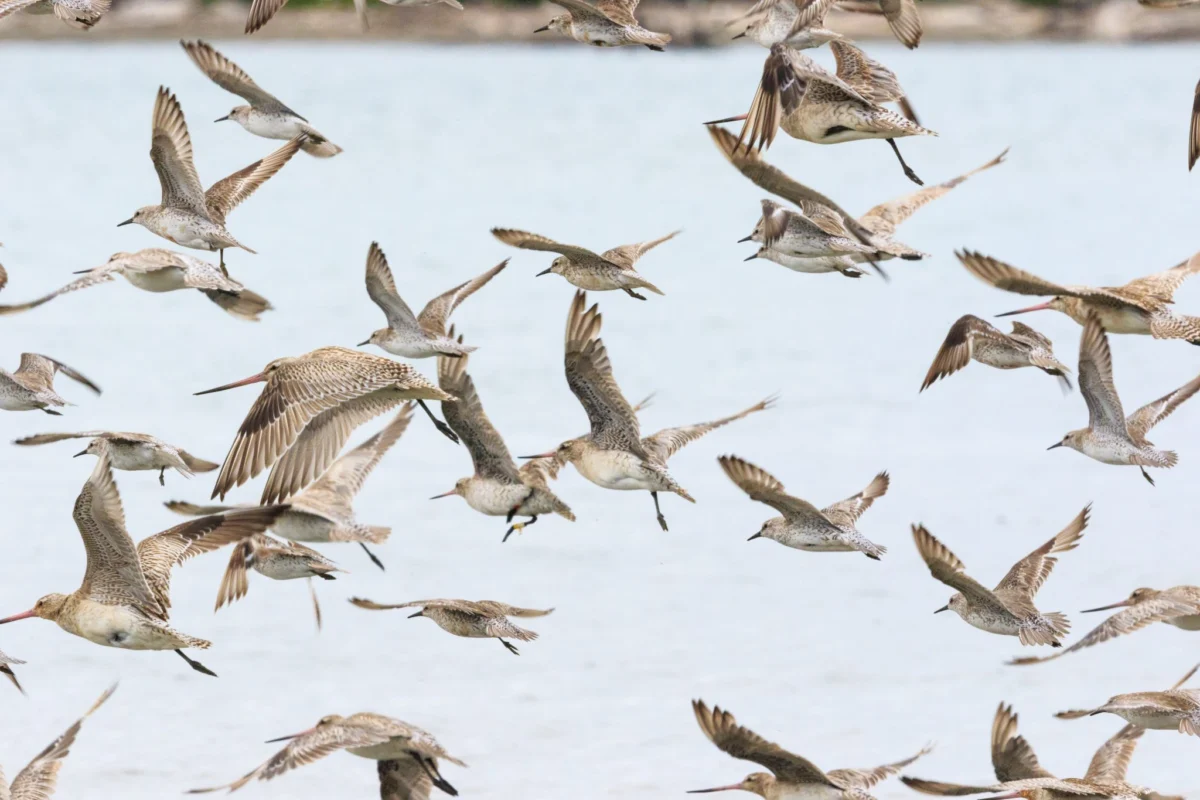
As the peak of avian migration unfolds across the globe this May, the shifting patterns and evident pressures on the world’s bird populations are sending a clear and urgent message: the natural systems that sustain all life on Earth are under significant strain. This year’s World Migratory Bird Day, observed annually in May and October to coincide with the major migration periods in each hemisphere, serves as a critical juncture to not only marvel at the wonder of these incredible journeys but also to heed the warnings they carry about our planet’s health.
Migratory birds are far more than just feathered travelers; they are indispensable ecological engineers. They act as vital couriers of nutrients across vast oceans, facilitate the pollination of countless plant species, diligently spread seeds to regenerate ecosystems, and play a crucial role in maintaining the health of agricultural lands by controlling pests and regulating disease transmission. However, the stark reality is that more than 40% of bird species worldwide are currently experiencing declines, a statistic that underscores the severity of the environmental challenges we face.
Martin Harper, CEO of BirdLife International, emphasizes the gravity of the situation. "Migratory birds connect us across countries, continents, and ocean currents," he stated. "Protecting the major migratory highways of the world is how we reverse those declines. And when we do, people gain too: cleaner water, food security, flood protection, and more resilience to a changing climate." The message from these long-distance voyagers is unequivocal: their struggles are inextricably linked to the well-being of our planet and, by extension, to our own future.
The Global Network of Avian Highways: Understanding Flyways
World Migratory Bird Day, an initiative that invites communities worldwide to engage with one of nature’s most awe-inspiring phenomena, highlights the interconnectedness of global ecosystems through the concept of bird flyways. These are the established aerial routes that birds follow as they travel between their breeding grounds, essential feeding areas, and seasonal refuges. BirdLife International, a global partnership dedicated to conserving birds and their habitats, views these flyways as critical infrastructure for biodiversity.

There are four major terrestrial flyways that span continents: the African-Eurasian, East Asian-Australasian, Americas, and Central Asian flyways. Complementing these are six marine flyways, which traverse vast oceanic expanses. These intricate networks connect habitats that may be thousands of kilometers apart, underscoring the need for international cooperation in conservation efforts. The integrity of these flyways is paramount; the degradation of even a single crucial stopover site, such as a drained wetland or a polluted coastline, can have cascading negative effects, leading to population declines and, in the most tragic instances, extinction. The recent documented extinction of the Slender-billed Curlew serves as a somber reminder of this vulnerability.
"Migration is one of the wonders of the natural world," Harper reflected. "It also carries a very practical lesson. International challenges need international cooperation. Protecting flyways helps bring birds back. It also brings real benefits to people: healthier wetlands, more reliable food, and stronger resilience as the climate keeps shifting."
Africa: A Crucial Nexus in Global Avian Journeys
The African-Eurasian Flyway, a critical migration system linking Africa, Europe, and Asia, exemplifies the interconnectedness of these routes. Birds along this vast corridor undertake arduous journeys, traveling from the Arctic regions to southern Africa and back again each year. The health of habitats within Africa is therefore of paramount importance to the success of these migrations.
Dr. Paul Matiku, Executive Director of Nature Kenya, a key BirdLife International partner, stresses Africa’s central role. "Africa is at the heart of some of the world’s great flyways," Matiku stated. "The health of our wetlands, rangelands, and coastlines matters far beyond our borders. When we protect these habitats, we protect birds, biodiversity, and the communities that live alongside them."
This year, Nairobi, Kenya, will host the Global Flyways Summit in September, marking the first time this significant international gathering will be held on the African continent. Co-hosted by BirdLife International and Nature Kenya, the summit is set to convene leaders from the scientific, policy, finance, business, and civil society sectors. The objective is to forge a united path forward, agreeing on concrete actions required to safeguard migratory birds and the ecosystems upon which they depend. A significant outcome of the summit will be the launch of the latest edition of the "State of the World’s Birds" report, with a special focus on flyways. This comprehensive report will provide the most up-to-date assessment of bird populations and offer critical insights into the broader health of global nature.

The Ecological Significance of Migratory Birds
The role of migratory birds extends far beyond their visual appeal. Their movements are integral to ecosystem functioning. For instance, the transport of nutrients by birds can significantly impact the productivity of both terrestrial and aquatic ecosystems. As they travel, they can carry seeds over long distances, aiding in plant dispersal and the recolonization of degraded areas. Their role in pollination is vital for a wide range of plant species, including many that form the basis of food webs. Furthermore, their consumption of insects and other invertebrates helps to regulate pest populations, which is of immense benefit to agriculture and forestry.
The decline in bird populations is a bellwether for the health of the environment. When bird numbers fall, it often signals underlying problems such as habitat loss, pollution, climate change, and unsustainable land use practices. These are issues that affect not only birdlife but also human well-being. For example, the degradation of wetlands, which are crucial stopover sites for many migratory birds, also diminishes their capacity to filter water, mitigate floods, and support local fisheries.
A Global Call to Action: Citizen Science and Conservation
World Migratory Bird Day presents a unique opportunity for individuals to actively participate in conservation efforts. BirdLife International and its partners encourage the public to engage in birdwatching and citizen science initiatives. By heading outdoors and meticulously recording bird observations, individuals contribute valuable data that informs conservation strategies and monitors population trends.
"You don’t need to be an expert to care about birds," Harper affirmed. "When we notice the wildlife around us, we start to understand the condition of the places we all rely on. Birds give us both a warning and an opportunity. They show us where nature needs urgent action, and where there is still hope."
The joy derived from observing birds is intrinsically linked to the responsibility of protecting them. In this spirit, BirdLife International is inviting everyone to participate in the "Race to Save Birds Challenge" on May 9th. This initiative is not about competitive speed or endurance but about fostering care and engagement. By taking part, individuals will observe birds, contribute essential data, and raise funds to support ongoing conservation work, thereby helping birds and nature to thrive.

Supporting Data and Broader Implications
The challenges facing migratory birds are substantial and multifaceted. For instance, the African-Eurasian Flyway, covering a vast geographical area, is impacted by a range of threats. In Europe, intensive agriculture and habitat fragmentation have led to significant declines in farmland bird species, many of which rely on these areas for breeding and foraging. In Africa, wetland degradation due to agricultural expansion, water extraction, and pollution, coupled with coastal development, threatens critical stopover and wintering grounds. The East Asian-Australasian Flyway, in particular, has seen dramatic declines, with some species facing a high risk of extinction due to the rapid loss of coastal wetlands in East Asia, driven by industrialization and urban development.
The implications of these declines are far-reaching. Loss of pollinator species, which include many migratory birds, can impact crop yields and the reproductive success of wild plants. A reduction in insectivorous birds can lead to outbreaks of agricultural pests, increasing reliance on chemical pesticides. Furthermore, the disruption of nutrient cycles can affect the productivity of marine and terrestrial ecosystems.
The State of the World’s Birds report, a quinquennial publication by BirdLife International, consistently documents these trends. The upcoming edition, focusing on flyways, is expected to provide an even more detailed picture of the connectivity between seemingly disparate regions and the urgent need for coordinated international action. The report’s findings will likely highlight specific species and habitats most at risk and provide evidence-based recommendations for conservation interventions.
The interconnectedness of the global environment means that the fate of migratory birds is a mirror reflecting the health of our planet. Their journeys, stretching across continents and oceans, serve as a potent reminder that environmental challenges are rarely confined by national borders. Addressing the decline of migratory bird populations requires a holistic approach, encompassing habitat protection, sustainable land and water management, climate change mitigation, and robust international cooperation. World Migratory Bird Day and initiatives like the Global Flyways Summit are crucial platforms for fostering this global dialogue and galvanizing the collective action needed to ensure that these magnificent journeys continue for generations to come.

