


The intricate beauty of the avian world often presents a dazzling array of colors, from the iridescent blues of a kingfisher to the vibrant reds of a cardinal. However, a more subtle palette also graces our feathered friends, with shades of brown and orange playing a significant role in their survival and reproduction. This exploration embarks on a journey to identify ten species of birds that exhibit a distinctive combination of brown plumage and an orange chest, a characteristic that often hints at their ecological roles and evolutionary strategies. While some familiar species may spring to mind, the pursuit of this specific coloration necessitates a broader geographical scope, venturing beyond national borders to encompass the rich biodiversity of our planet.
The Science Behind Avian Coloration
Understanding why birds possess such varied and striking colors is fundamental to appreciating their diversity. The development of colored feathers is not merely an aesthetic choice by nature; it serves crucial biological functions, primarily related to camouflage and sexual selection.
Camouflage: For many bird species, particularly females, muted coloration is a vital survival mechanism. Brown and other earthy tones allow them to blend seamlessly into their surroundings, providing effective concealment from predators. This camouflage is especially critical during the nesting season, where camouflaged females can better protect their eggs and vulnerable young from detection. The subtle hues of brown on their backs and wings help them disappear against tree bark, leaf litter, or soil, minimizing the risk of predation.
Sexual Selection: In stark contrast, male birds often display more vibrant and elaborate plumage. These striking colors serve as a powerful signal to potential mates, demonstrating their health, genetic fitness, and overall desirability. A male bird’s bright coloration, including vivid orange chests, can communicate to females that he is a strong candidate for reproduction, capable of acquiring resources and fending off threats, thereby ensuring the transmission of robust genes to their offspring.
The pigments responsible for these dazzling displays are primarily of two types: melanins and carotenoids.
- Melanins: These pigments are naturally produced within the bird’s body and are responsible for black, brown, and grey coloration. They are structurally robust and contribute to feather strength.
- Carotenoids: These pigments produce a wider spectrum of bright colors, including reds, oranges, and yellows. Unlike melanins, carotenoids cannot be synthesized by birds and must be obtained from their diet. This dietary dependence means that the intensity and vibrancy of carotenoid-based colors can be a direct indicator of a bird’s foraging success and overall health.
It is important to note that blue and iridescent colors are not caused by pigments but by the structural properties of the feathers that scatter light in specific ways. Therefore, our current quest for brown birds with orange chests will likely focus on species where melanin and carotenoid pigments play a dominant role.
A Global Census of Brown Birds with Orange Chests
Our initial brainstorming session yielded a few readily identifiable species, but the goal of ten distinct examples underscores the need for a comprehensive survey. As anticipated, the search quickly expanded beyond North America.
1. American Robin ( Turdus migratorius )
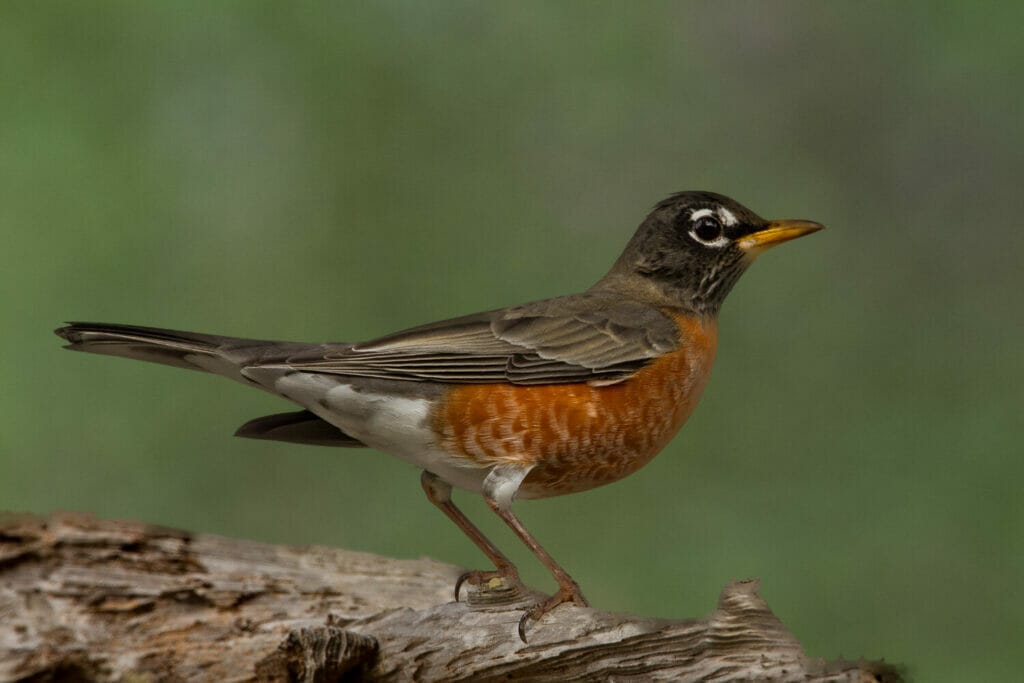
The American Robin is a familiar sight across North America and is perhaps the most iconic example of a brown bird with an orange chest in the United States. This thrush, belonging to the family Turdidae, is a medium-sized songbird, typically measuring between 7.9 and 11.0 inches in length with a wingspan of 12.2 to 15.8 inches. Its dorsal plumage is a dusky gray-brown, contrasting sharply with its distinctive rufous-orange breast and belly. While males exhibit a brighter orange hue, females tend to have a more muted, buffy-orange coloration, aligning with the principle of sexual dimorphism where females prioritize camouflage.
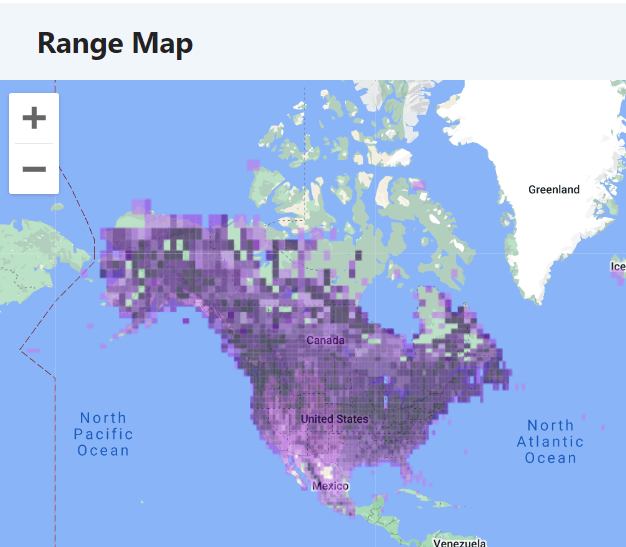
Distribution and Habitat: The American Robin boasts an extensive range, spanning throughout continental North America, including Canada and Alaska in the north, and extending down into Mexico. They are highly adaptable and commonly found in diverse habitats, from dense woodlands and forests to suburban gardens, parks, and open grasslands. Their presence is often associated with areas that provide ample foraging opportunities, particularly lawns and open fields where they hunt for earthworms and insects.
Diet and Behavior: As a member of the thrush family, the American Robin is primarily an insectivore, with earthworms forming a significant portion of its diet. They are frequently observed hopping across lawns, cocking their heads to listen for the tell-tale movements of their prey beneath the soil. During colder months, their diet shifts to include berries and fruits, which allows them to remain in more northerly regions year-round, contrary to the common perception of them being solely harbingers of spring. Their vocalizations are a familiar sound of dawn, with males singing a complex, melodic song to establish territory and attract mates.
Interesting Fact: The migratory patterns of American Robins are often misunderstood. While many individuals do migrate south for the winter, a significant number remain in their breeding grounds, especially in areas where food sources like winter berries are available. This can lead to the impression that they disappear entirely, only to magically reappear with the onset of spring.

2. European Robin ( Erithacus rubecula )
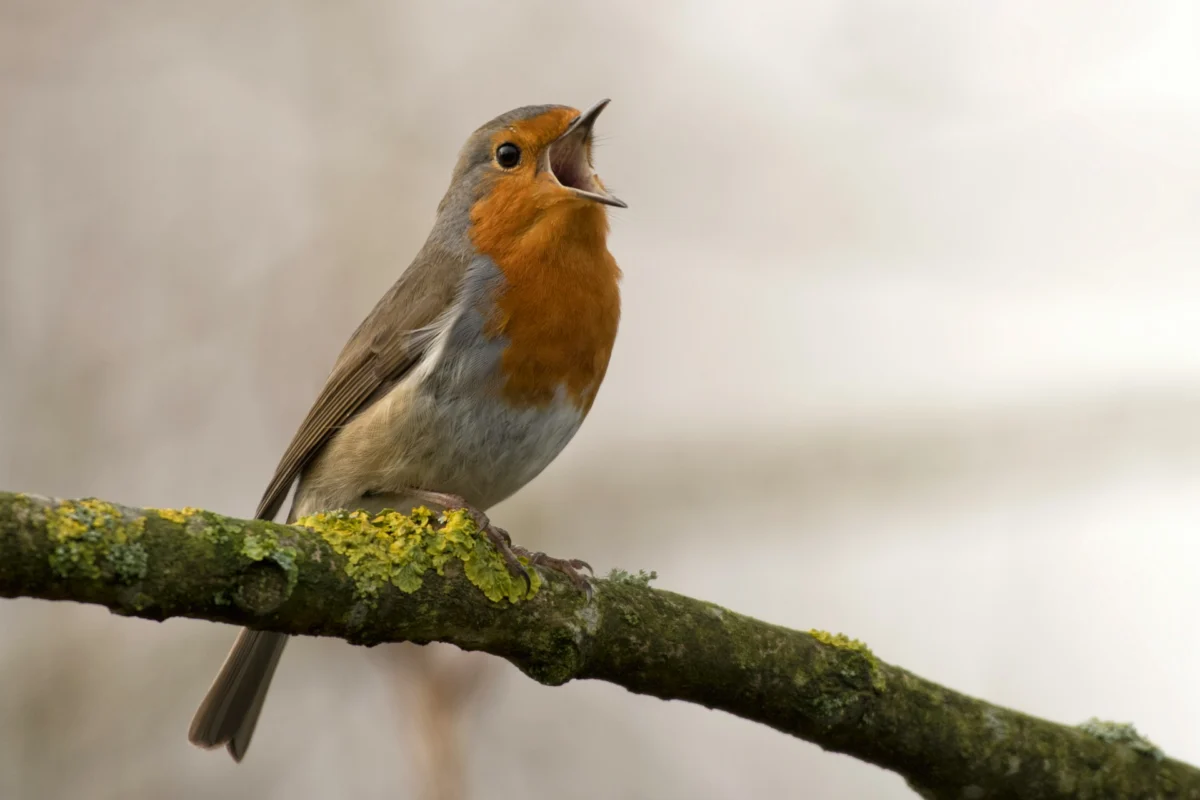
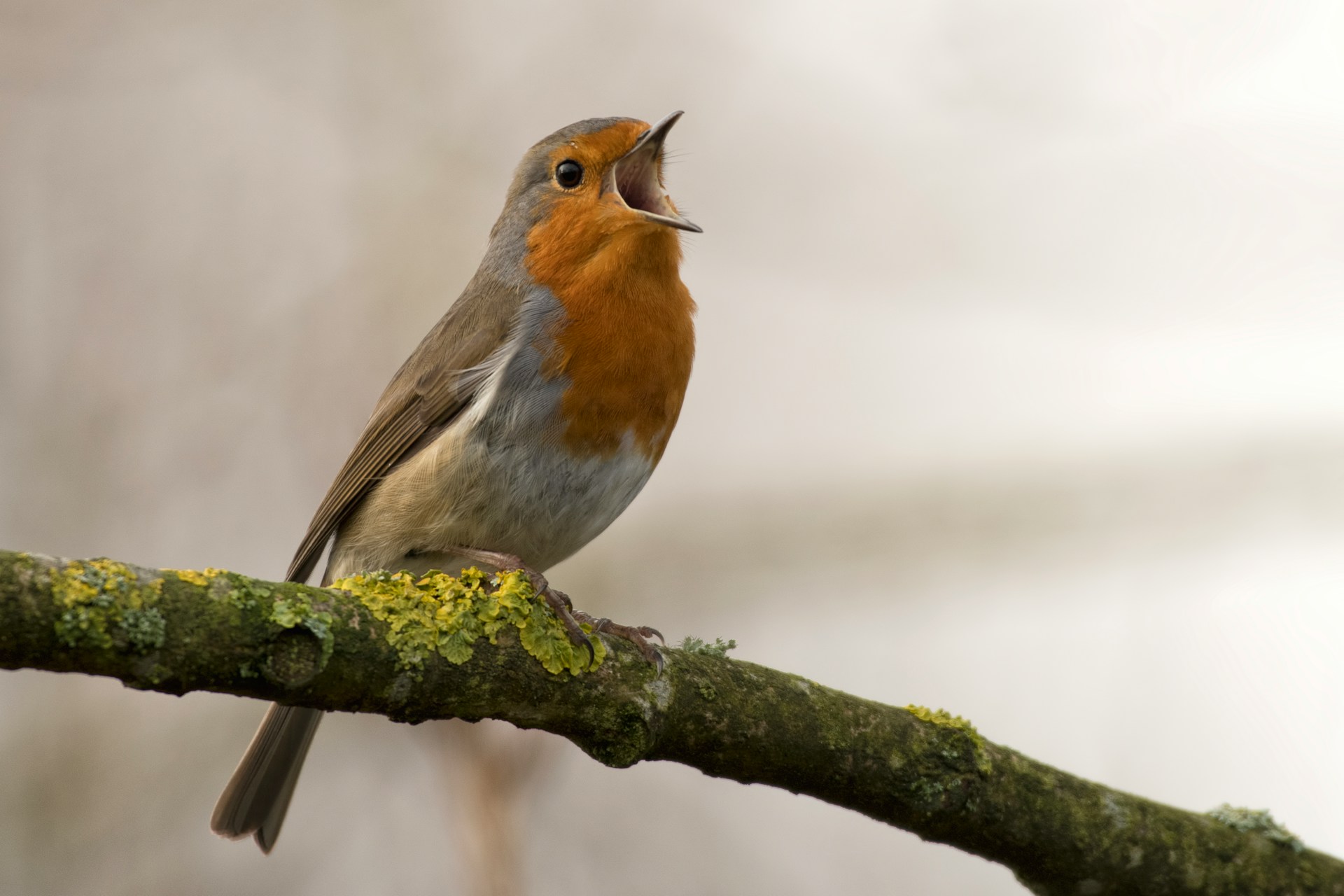
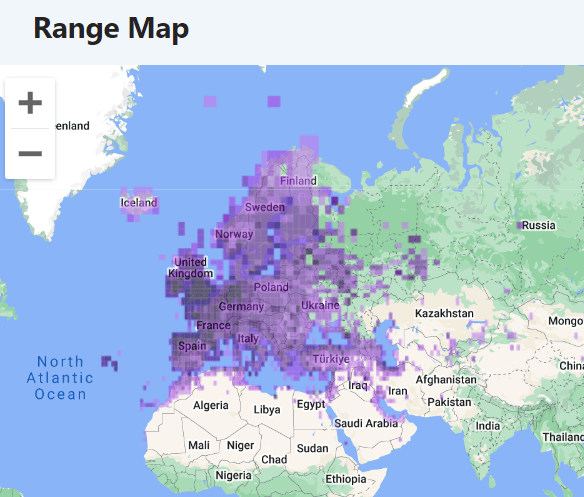
The European Robin, a small, plump bird, is instantly recognizable by its iconic bright orange-red breast and face, which extends up to its chin. This coloration is so distinctive that it has earned the bird the local moniker "Robin Redbreast." Its upperparts are a warm brown, and its underparts transition to a paler grey. European Robins typically measure around 5.5 inches in length and weigh between 0.49 and 0.88 ounces. While both sexes share this striking orange marking, there can be subtle differences in intensity, with males sometimes displaying a slightly richer hue.
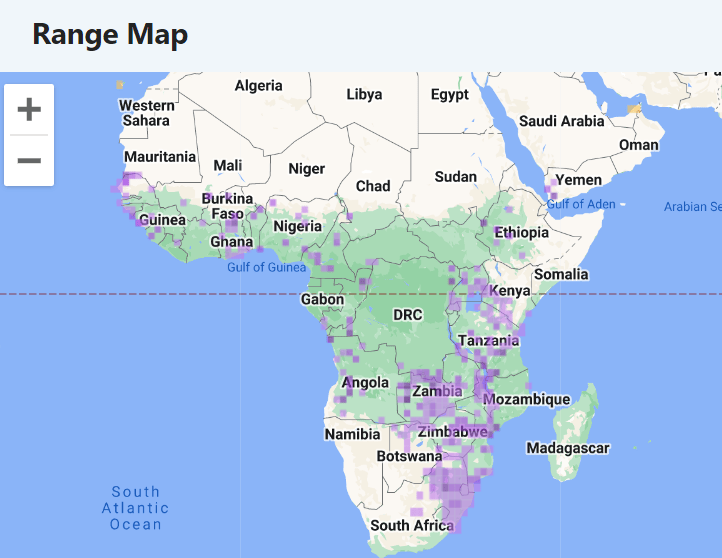
Distribution and Habitat: The European Robin is a ubiquitous resident across the entirety of Europe, extending its range into northern Africa and the Middle East. They are highly adaptable and can be found in a variety of habitats, including deciduous and coniferous woodlands, hedgerows, gardens, parks, and even urban areas with sufficient vegetation cover. They are often seen foraging on the ground or in low bushes.
Diet and Behavior: The diet of the European Robin is varied, consisting of small invertebrates such as insects, spiders, and earthworms, as well as fruits and seeds. They are known for their bold and inquisitive nature, often approaching humans with little fear. Their territorial defense is fierce, with males singing elaborate songs to ward off rivals and attract mates. The European Robin is also known for its diverse repertoire of calls and songs, which can change throughout the year and include warbling, ticking, and even mimicry.
Interesting Fact: The song of the European Robin is particularly complex and can vary significantly depending on the season and the individual bird. During the autumn and winter months, females also sing, which is unusual among passerine birds. This sustained vocalization likely plays a role in maintaining winter territories.
3. Zebra Waxbill ( Amandava subflava )
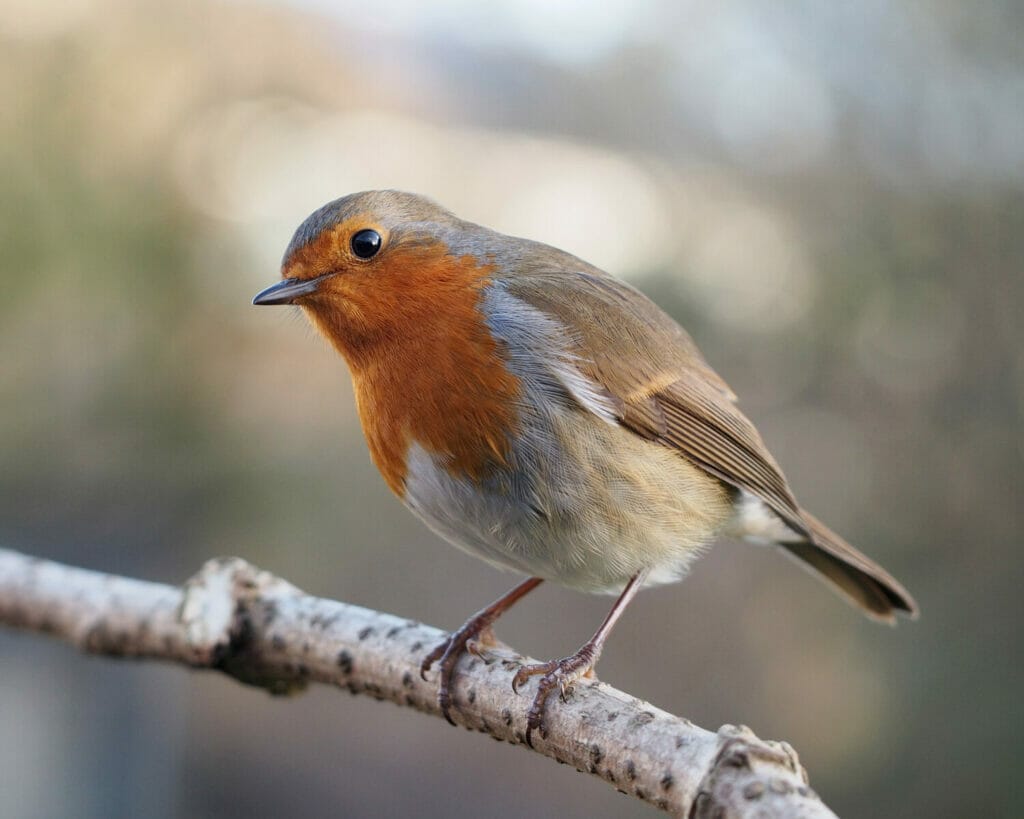
The Zebra Waxbill, also known as the Orange-breasted Waxbill, is a small finch native to sub-Saharan Africa. It is characterized by a vivid orange breast that stands in stark contrast to its olive-brown back. The rump of this species is a striking red. Measuring approximately 3.5 inches in length and weighing between 0.18 and 0.38 ounces, these diminutive birds are often seen in small flocks. While the description "brown with an orange chest" fits, it’s important to note the distinct olive undertones in their brown plumage.
Distribution and Habitat: This waxbill is found in southwestern and northeastern Africa, preferring grasslands, savannas, and open woodlands with a good supply of seeds and water. They are often found near water sources and are known to inhabit areas with tall grasses where they can find both food and nesting materials.
Diet and Behavior: The Zebra Waxbill is primarily a granivore, feeding on small seeds, which they extract from grass heads. During the breeding season, they supplement their diet with insects, particularly small arthropods, which provide essential protein for their developing young. Courtship rituals are notable for their formality, involving elaborate bowing displays and mutual preening between pairs, signifying their commitment to establishing a relationship.
Interesting Fact: The courtship of the Zebra Waxbill is a fascinating spectacle of avian social behavior. The male will present the female with a blade of grass or a seed, often accompanied by a series of bows and a distinctive chirping song. This ritualistic behavior is crucial for pair bonding and successful reproduction.
4. Sharp-shinned Hawk ( Accipiter striatus )
The Sharp-shinned Hawk presents a slightly different interpretation of the "brown with orange chest" description, as its coloration can vary, and the orange is often streaky. This small but agile raptor has a breast that can range from streaky orange to a more solid wash, fading into a pale belly. Its back is brown, becoming darker in adults than in younger birds. Adults typically measure between 9.4 and 13.4 inches in length with a wingspan of 16.9 to 22.1 inches. The streaky nature of the orange on their chest can sometimes be mistaken for brown, especially in certain lighting conditions.
Distribution and Habitat: The Sharp-shinned Hawk is a widespread resident across North America, found throughout the United States and into Canada and Alaska. Its range extends south into Central America and parts of northwestern and mid-eastern South America. They inhabit a variety of environments, including deciduous and coniferous forests, woodlands, and forest edges, where they can effectively hunt their prey.
Diet and Behavior: As a swift and agile raptor, the Sharp-shinned Hawk specializes in hunting other small birds, often pursuing them through dense forest undergrowth. Their exceptional maneuverability allows them to navigate complex environments with speed and precision. They are also known to occasionally prey on birds at backyard feeders, showcasing their adaptability to human-modified landscapes.
Interesting Fact: The name "Sharp-shinned" refers to the incredibly thin, almost blade-like appearance of their shins, a characteristic that aids them in their aerial pursuits. Their legs are also entirely featherless down to the toes, further enhancing their streamlined physique for hunting.

5. Orange-breasted Trogon ( Harpactes oreskios )
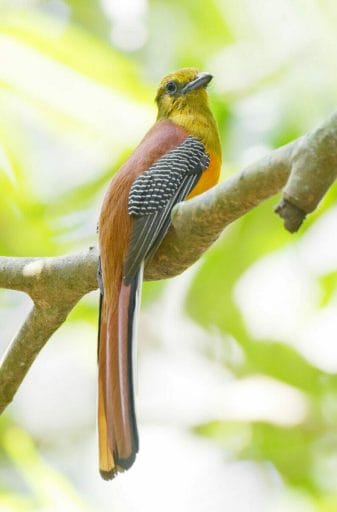
The Orange-breasted Trogon is a strikingly beautiful bird found in the rainforests of Southeast Asia. Both sexes of this species are alike in their coloration, featuring a vibrant orange breast that is bordered by a paler yellow. Their backs are a cinnamon brown, complemented by black and white barring on the wings. The neck and head present a muted olive-yellow hue. These trogons are relatively large, measuring between 9.8 and 12.2 inches in length and weighing around 1.7 to 2 ounces.
Distribution and Habitat: This trogon species is endemic to the low-level forests of Southeast Asia, inhabiting tropical and subtropical moist lowland forests. They prefer areas with dense vegetation and a well-developed understory, where they can effectively forage and find suitable nesting sites.
Diet and Behavior: The Orange-breasted Trogon has a varied diet that includes insects and plant matter. They are known for their unique hunting technique called "sally-stall." They will pursue insects from leaf to branch, startling them by hovering briefly in front of them before pouncing on their unsuspecting prey. This method highlights their specialized adaptations for insectivory within their forest habitat.

Interesting Fact: The sally-stall hunting technique employed by the Orange-breasted Trogon is a remarkable example of behavioral adaptation. By combining a swift pursuit with a sudden, precise stall, they can effectively ambush insects that might otherwise evade capture in the dense forest environment.
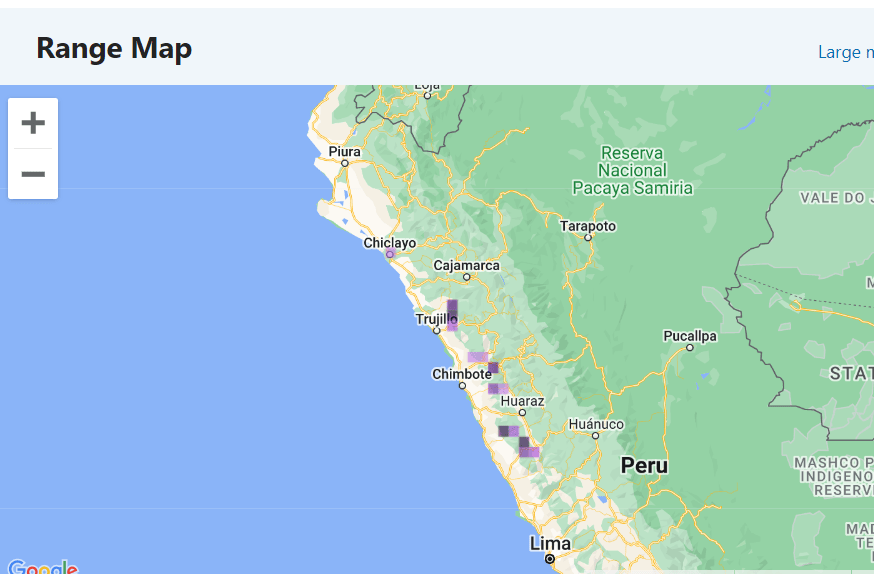
6. Russet-bellied Spinetail ( Synallaxis zimmeri )
The Russet-bellied Spinetail is an endangered species endemic to Peru, making it a rare and precious find for ornithologists and birdwatchers. This small spinetail is characterized by its russet-orange breast that extends down to its belly and tail, contrasting with its gray-brown upperparts. They measure approximately 6.5 to 6.7 inches in length and weigh between 0.42 and 0.49 ounces. The vulnerability of this species underscores the importance of conservation efforts.
Distribution and Habitat: This spinetail is found exclusively in western Peru, within the Andean region. They inhabit specific microhabitats, typically in shrublands and dry forest areas, which are increasingly threatened by human activities.
Diet and Behavior: The Russet-bellied Spinetail is omnivorous, with a diet primarily consisting of flying insects and spiders. They are adept foragers, flitting through vegetation in search of their prey. Their endangered status is largely attributed to habitat loss, with a lack of ecological corridors hindering their ability to expand their range to more suitable locations.
Interesting Fact: The conservation status of the Russet-bellied Spinetail serves as a stark reminder of the fragility of biodiversity. Habitat destruction, driven by agricultural expansion and deforestation, poses a significant threat to its survival, highlighting the urgent need for targeted conservation strategies to protect this unique species.
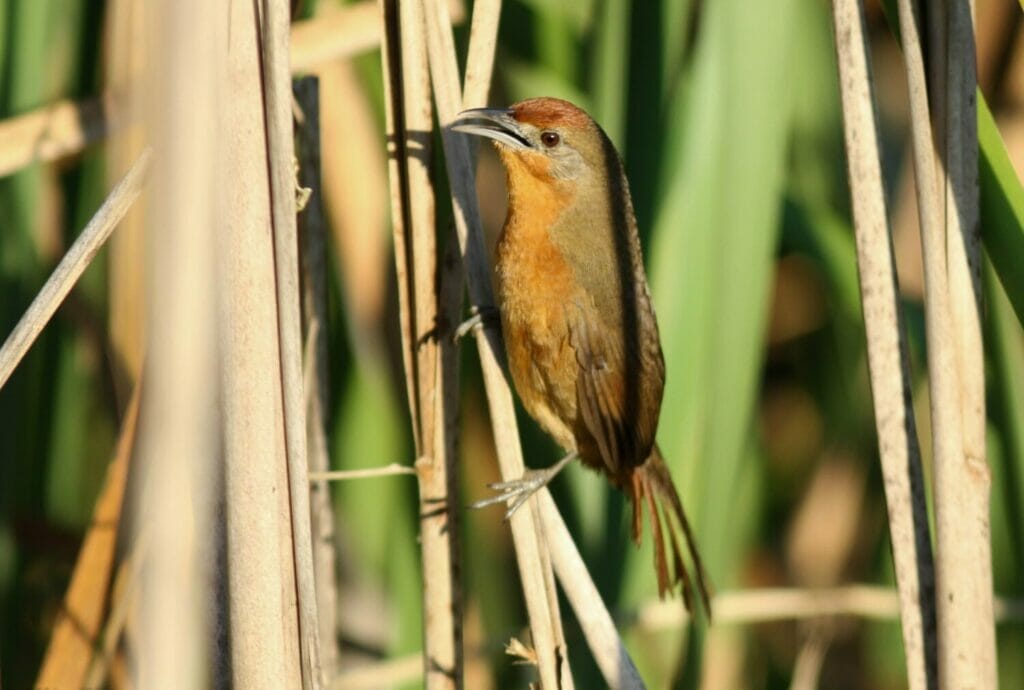
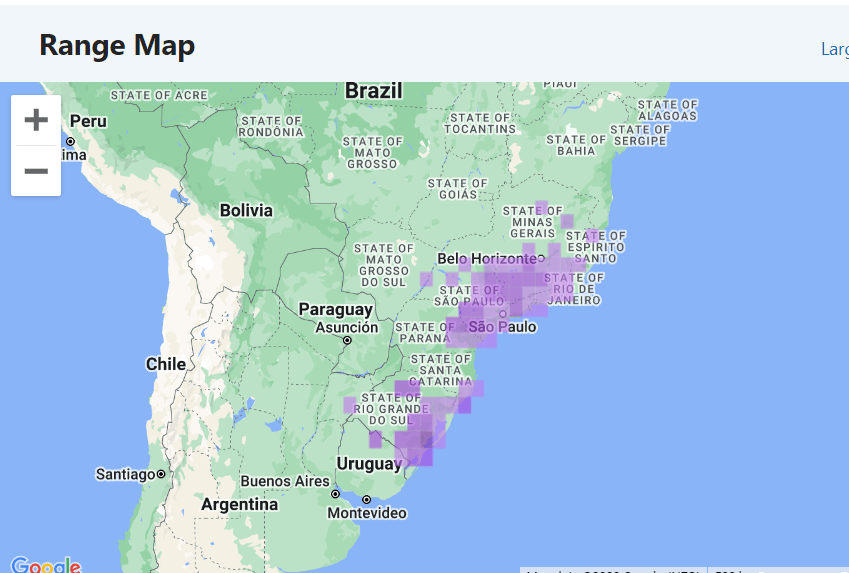
7. Orange-breasted Thornbird ( Phacellodomus ferrugineigula )
The Orange-breasted Thornbird, found in South America, presents a stunning display of color despite its predominantly brown plumage. Its warm brown tones gradually fade into a muted orange on its breast. These birds measure between 7 and 7.2 inches in length and weigh around 0.84 to 0.88 ounces. Their habitat preferences lean towards wetland and marshy areas, contributing to their specialized ecological niche.

Distribution and Habitat: This thornbird inhabits the eastern side of South America, favoring wetland and marsh habitats. These environments provide them with the necessary resources, including food and nesting materials, to thrive.
Diet and Behavior: Research on this elusive thornbird is limited, but it is believed to primarily feed on arthropods. Their preference for marshy environments suggests a diet that includes a variety of invertebrates found in such ecosystems. Information regarding their specific behaviors, such as nesting and social interactions, is less documented due to their elusive nature.
Interesting Fact: The relative obscurity of the Orange-breasted Thornbird in scientific literature underscores the vastness of unexplored biodiversity. The challenge in studying such species highlights the ongoing need for ornithological research and conservation initiatives to understand and protect these often-overlooked avian populations.

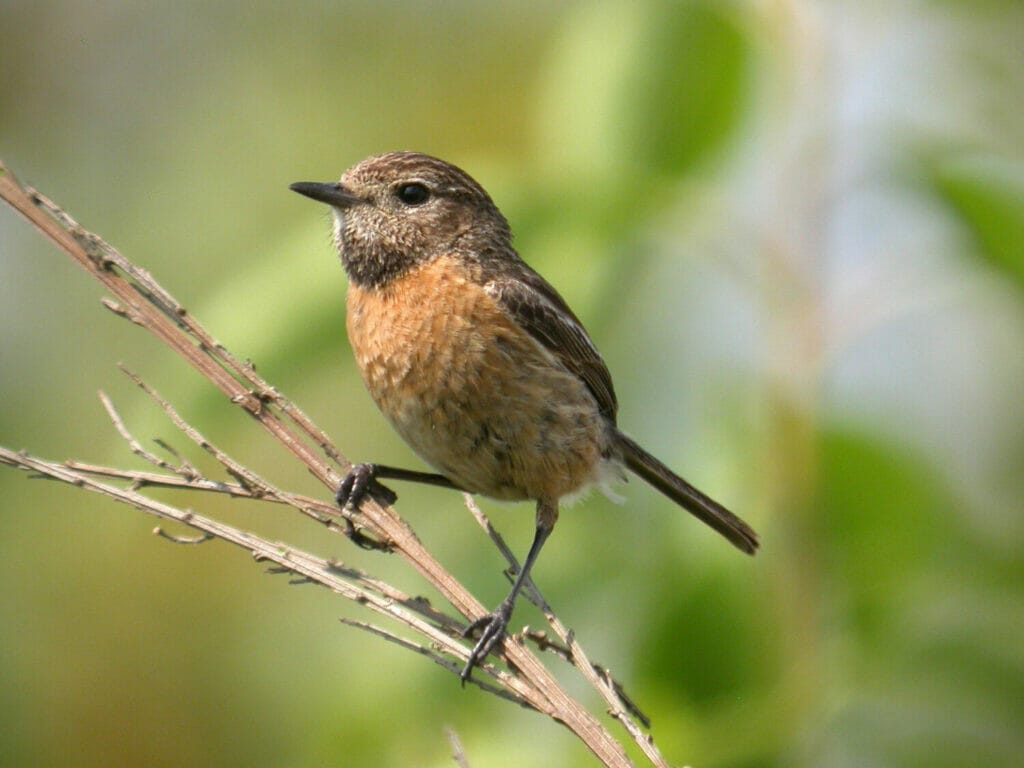
8. European Stonechat ( Saxicola rubicola )
The European Stonechat, particularly the female of the species, fits our criteria with its brown overall plumage and a pale buff belly that transitions into an orange chest. These small birds measure about 5 inches in length and weigh between 0.5 and 0.6 ounces. They are known for their characteristic call, which resembles stones being clicked together.
Distribution and Habitat: The European Stonechat is a common resident throughout Europe, extending its range into North Africa and the Middle East. They are typically found in open country with low-lying vegetation, such as heathlands, moors, grasslands, and coastal areas.
Diet and Behavior: Their diet consists predominantly of insects and their larvae. They are active hunters, often perching on prominent spots like bushes or fence posts to scan for prey. Occasionally, they will also consume seeds or small fruits. Their name is derived from their distinctive call, which is a series of sharp, clicking sounds reminiscent of striking stones.
Interesting Fact: The European Stonechat’s song, often described as a series of metallic clicks, is a familiar sound in its preferred open habitats. This unique vocalization is not only used for communication within the species but also contributes to the soundscape of the environments they inhabit.
9. Brambling ( Fringilla montifringilla )
The Brambling is an attractive finch found across Europe and Asia. Out of the breeding season, these birds exhibit an orange breast, a white rump, and intricate brown, black, and white patterns on their wings. They are relatively small, measuring between 5.3 and 6.2 inches in length and weighing between 0.6 and 1 ounce.
Distribution and Habitat: The Brambling has a vast distribution, spanning across Western Europe and extending eastward through Asia, reaching as far as Japan. They are migratory birds, and their preferred breeding habitats are coniferous forests. During winter, they often congregate in deciduous woodlands and agricultural areas.
Diet and Behavior: The Brambling’s diet primarily consists of fruits and seeds, though they will opportunistically consume insects when available. They are known for their migratory behavior, and in Europe, at times, enormous flocks numbering in the millions can be observed, creating a spectacular natural phenomenon.
Interesting Fact: The migratory gatherings of Bramblings can be truly awe-inspiring. The sheer scale of these flocks, sometimes reaching millions of individuals, is a testament to their social nature and the migratory success of this species. Observing such a phenomenon offers a profound insight into the dynamics of avian populations.
10. Barn Swallow ( Hirundo rustica )
While not strictly fitting the "brown" plumage requirement for its back, the Barn Swallow is a well-known bird with a distinctly orange or reddish-brown chest that is often considered in similar discussions. Its upperparts are a deep, iridescent blue-black, and its underside is a pale buff or creamy white, with a rufous throat and forehead. The chest, however, often displays a warm, orangey-brown hue that is quite prominent. This widespread species measures around 6.5 to 7.5 inches in length with a wingspan of 12 to 13 inches.
Distribution and Habitat: The Barn Swallow is one of the most widely distributed bird species in the world, breeding across the Northern Hemisphere and migrating to the Southern Hemisphere for the non-breeding season. They are typically found in open country, including meadows, fields, and near human settlements, where they can find suitable nesting sites, often on the rafters of barns and other agricultural buildings.
Diet and Behavior: Barn Swallows are aerial insectivores, expertly catching flying insects on the wing. They are incredibly agile flyers, performing acrobatic maneuvers to capture their prey. Their nesting behavior is also notable, as they construct cup-shaped nests from mud, often reinforced with grass and feathers, attached to vertical surfaces.
Interesting Fact: The migratory journey of the Barn Swallow is one of the longest undertaken by any passerine bird. Traveling thousands of miles between their breeding and wintering grounds, they rely on their exceptional navigational abilities and stamina to complete these arduous migrations.
Conclusion: A Palette of Brown and Orange
The quest to identify ten brown birds with orange chests has revealed a fascinating diversity within the avian world. While we successfully identified nine species that predominantly fit the "brown with an orange chest" description (American Robin, European Robin, Zebra Waxbill, Sharp-shinned Hawk, Orange-breasted Trogon, Russet-bellied Spinetail, Orange-breasted Thornbird, European Stonechat, and Brambling), the Barn Swallow, though not strictly brown on its back, is often associated with this color combination due to its prominent orange-brown chest. This highlights the nuances in avian plumage descriptions and the subjective nature of classification.
Each of these species, from the ubiquitous American Robin to the endangered Russet-bellied Spinetail, showcases the remarkable ways in which coloration serves evolutionary purposes. Whether for the subtle art of camouflage or the vibrant proclamation of fitness, these brown and orange hues are integral to the survival and reproductive success of these remarkable creatures. The Orange-breasted Thornbird, with its unexpectedly warm chest against a predominantly brown form, stands out as a particularly striking example of nature’s artistry. This exploration serves as a reminder of the vast, often understated, beauty that exists within the natural world and the continuous need for its preservation.

