


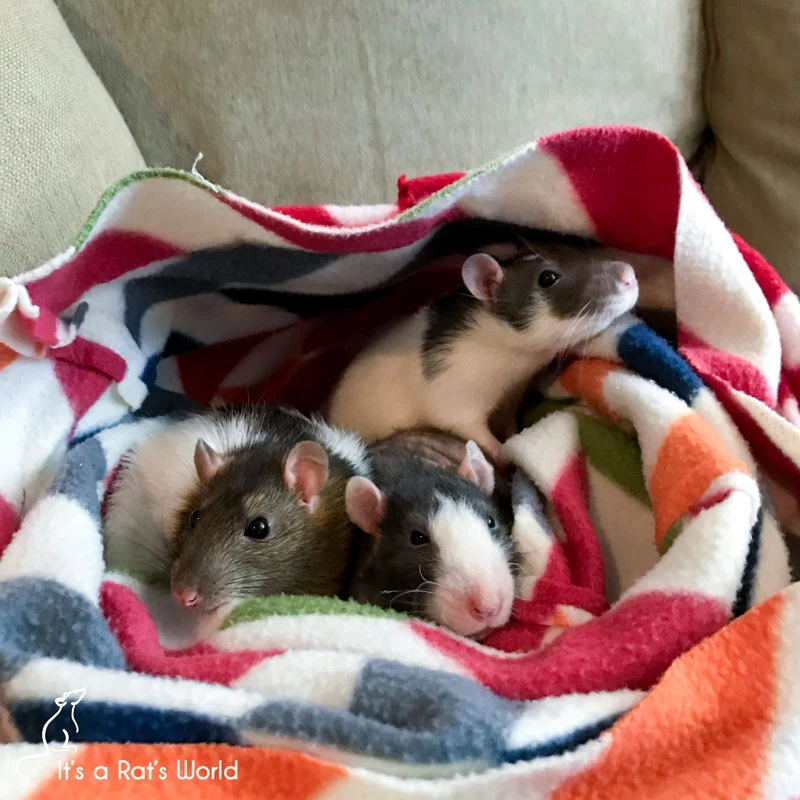
The call of summer adventure often beckons, but for many pet owners, the thought of leaving their beloved companions behind can cast a shadow over exciting travel plans. This dilemma is particularly pronounced for owners of pet rats, a species known for its intelligence, social nature, and unique care requirements. While entrusting a pet sitter with your rats might seem like the default option, the complexities of their specialized needs can make finding a reliable caregiver a stressful endeavor. However, for those embarking on road trips, a compelling alternative emerges: bringing your rats along for the journey. This approach, while requiring meticulous planning and preparation, can transform a typical vacation into an unforgettable expedition, fostering deeper bonds with your whiskered companions.
The Growing Trend of Traveling with Exotic Pets
The landscape of pet ownership is evolving, with an increasing number of individuals opting for companion animals beyond traditional cats and dogs. Rats, often misunderstood, are gaining recognition for their affectionate personalities, problem-solving abilities, and capacity for strong human-animal bonds. This shift in perception naturally leads to questions about integrating these unique pets into various aspects of their owners’ lives, including travel. While data on the precise number of rat owners who travel with their pets is scarce, anecdotal evidence and the burgeoning online communities dedicated to rat care suggest a growing interest in such endeavors. This trend is further supported by a broader movement towards responsible pet ownership, where owners seek to minimize the stress and disruption for their pets, even during vacations.
From Home Comforts to the Open Road: Adapting Rats to Travel
Rats, by nature, thrive on routine and familiarity. Abrupt changes to their environment can induce stress, leading to behavioral and even physical manifestations of discomfort. Therefore, a gradual acclimatization process is paramount for successful travel. Experienced rat owners advocate for introducing rats to novel experiences in a controlled and reassuring manner. This can begin with short excursions outside the home, utilizing specialized bonding pouches or soft, ventilated bags. These outings allow rats to experience new sights, sounds, and smells in close proximity to their trusted human, fostering a sense of security.

Brandi Saxton, a prominent figure in the rat community and the proprietor of "It’s A Rat’s World," emphasizes the importance of positive reinforcement during these initial explorations. "Taking a rat or two on an evening walk around our neighborhood helped," Saxton notes. "I’d put them in a bonding pouch or a small cloth bag with fleece scraps inside. Then throughout the walk I’d take them out and either hold them close to my chest or put them on my shoulder. This depended on whether they showed signs of apprehension or curiosity. I talked to them and reassured them they were safe and continually pet them (inside the bag, too)." This gentle introduction helps rats build confidence and associate new environments with positive interactions.
Short car rides serve as another crucial step in the preparation process. These brief journeys, perhaps to a local park or to pick up a child from school, allow rats to become accustomed to the motion of a vehicle and the novel olfactory landscape it presents. Saxton recounts her experience: "When my son was young, I liked taking a couple rats with me to pick him up from school. These rides were usually less than 30 minutes and gave me a chance to assess how my rats would react. They were always curious and excited to smell new things, which made car rides less scary for them." Observing their reactions during these short trips provides valuable insights into their individual temperaments and preparedness for longer journeys. It is crucial to remember that these acclimation activities should always be conducted with careful consideration of the prevailing weather conditions, avoiding extreme temperatures that could pose a risk to the rats’ health.
The Foundation of a Smooth Journey: Selecting the Right Travel Accommodations
The cornerstone of a successful road trip with pet rats lies in the selection of an appropriate travel cage. This enclosure serves as their temporary home, and its design and size are critical in minimizing stress and maximizing their comfort. The goal is to replicate, as closely as possible, the familiar and stimulating environment they experience at home.
For extended trips, the concept of a "travel cage" often expands to encompass a more substantial habitat. Saxton recounts a significant undertaking: a seven-week road trip to Washington D.C., during which she and her husband brought their four rats along. The challenge was to find a cage that was both spacious enough to accommodate multiple rats comfortably for an extended period and compact enough to fit within their vehicle. "It had to be big enough to hold four rats but also short enough to fit in our small car, while not being too wide to fit through the car door," Saxton explains. "I also knew the rats would get less time out of the cage than at home, so I didn’t want them to feel cramped and bored all day; it had to be their home away from home."

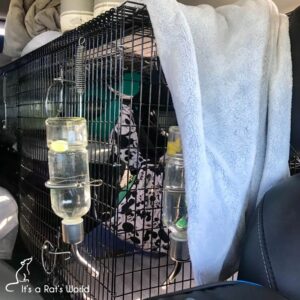
This led to the acquisition of a large cage, prioritizing space and amenities over strict portability. The chosen enclosure featured multiple levels, ample room for hammocks, hideouts, and a litter box, effectively creating a mobile sanctuary. For shorter excursions, such as rest stops, a smaller, more traditional pet carrier served as a convenient alternative. This dual-cage strategy offers flexibility and ensures that the rats have a secure and comfortable space regardless of the duration of the stop. While Saxton’s specific cage model, "The Rat Lodge by Martin’s Cage," is no longer in production, similar large, multi-level cages can often be found on the secondary market, highlighting the enduring need for such accommodations for traveling small pets.
Comprehensive Packing: Ensuring Your Rats’ Needs Are Met on the Road
A well-packed bag for your pet rats is as crucial as any other aspect of trip planning. The principle of preparedness dictates that it is always better to have too much than too little, especially when essential items might be difficult to procure on the road. This proactive approach ensures that your rats’ dietary, hygiene, and comfort needs are met without interruption.
Key items to include in your rat’s travel kit:
- Hydration Essentials: At least two water bottles with cage attachments are indispensable. Ensuring a constant supply of clean, fresh water is paramount, especially in varying temperatures. The original article stresses the importance of filtered water, a prudent recommendation given the variability in tap water quality across different regions. Having extra bottles allows for quick exchanges during cleaning or serves as a backup in case of malfunction.
- Nutrition and Feeding Supplies: A secure container of dry rat food, along with food dishes for both dry and fresh items, is essential. A small, insulated cooler filled with pre-cut fresh fruits and vegetables provides healthy treats and variety. Rat-specific snacks can also be included for enrichment.
- Hygiene and Cleaning: A compact cleaning kit is vital. This should include dish soap, a scrubber, a bottle brush for water bottles, paper towels, and unscented wet wipes for quick clean-ups. Antibacterial wipes for personal hygiene are also a must. Trash bags are necessary for the sanitary disposal of waste and soiled bedding.
- Comfort and Security: Extra bedding materials, such as fleece scraps, litter box bedding, and familiar hammocks or sleeping huts, help create a sense of home. Bonding pouches or small cloth bags can be invaluable for nervous rats during out-of-cage time or for providing a sense of security during transit. Large, soft blankets serve multiple purposes, including protecting surfaces during supervised playtime and providing warmth or shade for the cage.
- Emergency Preparedness: An emergency medicine kit, tailored to your rats’ specific health needs (especially if they are elderly or have pre-existing conditions), is a critical component. Consulting with your veterinarian to assemble a travel-specific first-aid kit is highly recommended.
The Rationale Behind Thorough Packing
The necessity for a comprehensive packing list stems from the inherent uncertainties of travel and the unique vulnerabilities of rats. Unexpected vehicle breakdowns, prolonged stops, or simply the logistical challenges of sourcing specialized pet supplies in unfamiliar locations can arise. Having an ample supply of food and water can be a lifeline in such situations, particularly during extreme weather.

The emphasis on filtered water is not merely a preference but a precautionary measure. The quality of tap water can vary significantly, and introducing unfamiliar water to a rat’s system could lead to gastrointestinal upset. Regular cleaning of water bottles is equally crucial to prevent the proliferation of bacteria, which can cause illness. The recommendation for two water bottles is a practical solution for maintaining hygiene and ensuring a continuous water supply.
Environmental control within the vehicle is another critical consideration. Direct sunlight can cause overheating and discomfort for rats, while extremely cold temperatures pose a significant risk of hypothermia. The use of a towel or windshield shade to block direct sun or to insulate the cage during colder periods is a simple yet effective strategy. Similarly, large blankets can protect vehicle upholstery during supervised out-of-cage time at your destination, and huts or bonding pouches offer a secure retreat for anxious rats.
The potential for stomach upset during travel, often referred to as "nervous tummies," is a common occurrence. This can lead to mushy stools, creating a messy and unpleasant situation. The inclusion of paper towels, wet wipes, extra bedding, and trash bags becomes invaluable in managing these incidents, ensuring a more hygienic travel experience for both the rats and their owners.
A particularly noteworthy piece of advice pertains to the use of bananas. Saxton shares an anecdote from the 1990s, where a portion of banana proved effective in firming up a rat’s stool during a long journey. This folk remedy, passed down through generations, highlights the value of having readily available, natural remedies for minor digestive issues.
Navigating Pet-Friendly Lodging and Travel Warnings
The logistical challenge of finding suitable accommodation for pets is a common concern for travelers. Websites like PetsWelcome offer resources for identifying pet-friendly hotels, but it is imperative to confirm directly with each establishment whether they accept rats specifically. Rat owners are advised to communicate their needs clearly to avoid any misunderstandings.
Once lodging is secured, a crucial safety measure is to display a "Do Not Disturb" sign on the hotel room door whenever the rats are left unattended. This prevents housekeeping staff from inadvertently entering the room and potentially disturbing or endangering the rats. Furthermore, it is essential to always check and adjust the room’s thermostat to ensure a comfortable temperature for the rats before leaving them alone.
Crucial Warnings for Car Travel:
The paramount rule of traveling with any pet, including rats, is to never leave them unattended in a vehicle. The interior of a car can become dangerously hot or cold very rapidly, posing a severe risk of heatstroke or hypothermia. Even brief periods can be life-threatening. To mitigate this risk during stops, it is advisable to leave the car running with the air conditioning or heating on, ensuring a stable and safe temperature environment for the rats.

Attention must also be paid to the functionality of water bottles. During transit, uneven surfaces or inclines can affect the pressure within the bottle, leading to leaks or making it impossible for the rats to access water. Regular checks throughout the journey are essential to ensure a consistent water supply.
An Adventure Worth Cherishing: The Rewards of Traveling with Rats
While the prospect of traveling with pet rats might initially seem daunting, the rewards can be profoundly enriching. The experience of sharing new sights and sounds with these intelligent and curious creatures can forge even deeper bonds and create lasting, cherished memories. Saxton reflects on her extensive travels with her rats, stating, "The idea of travelling with your rats may sound crazy and exhausting, but I really loved every trip I took with mine, and I cherish those memories. I even found that it strengthened bonds with some of my more standoffish rats. Although it’s easier to travel without rats, I honestly miss having travel buddies!"
The act of navigating the world with your rats by your side transforms a standard vacation into an extraordinary adventure. It requires a commitment to meticulous planning and a willingness to adapt, but for those who undertake it, the experience offers a unique opportunity to deepen the connection with their beloved companions and discover the world together. The journey becomes not just about reaching a destination, but about the shared exploration and the enduring memories created along the way.

