


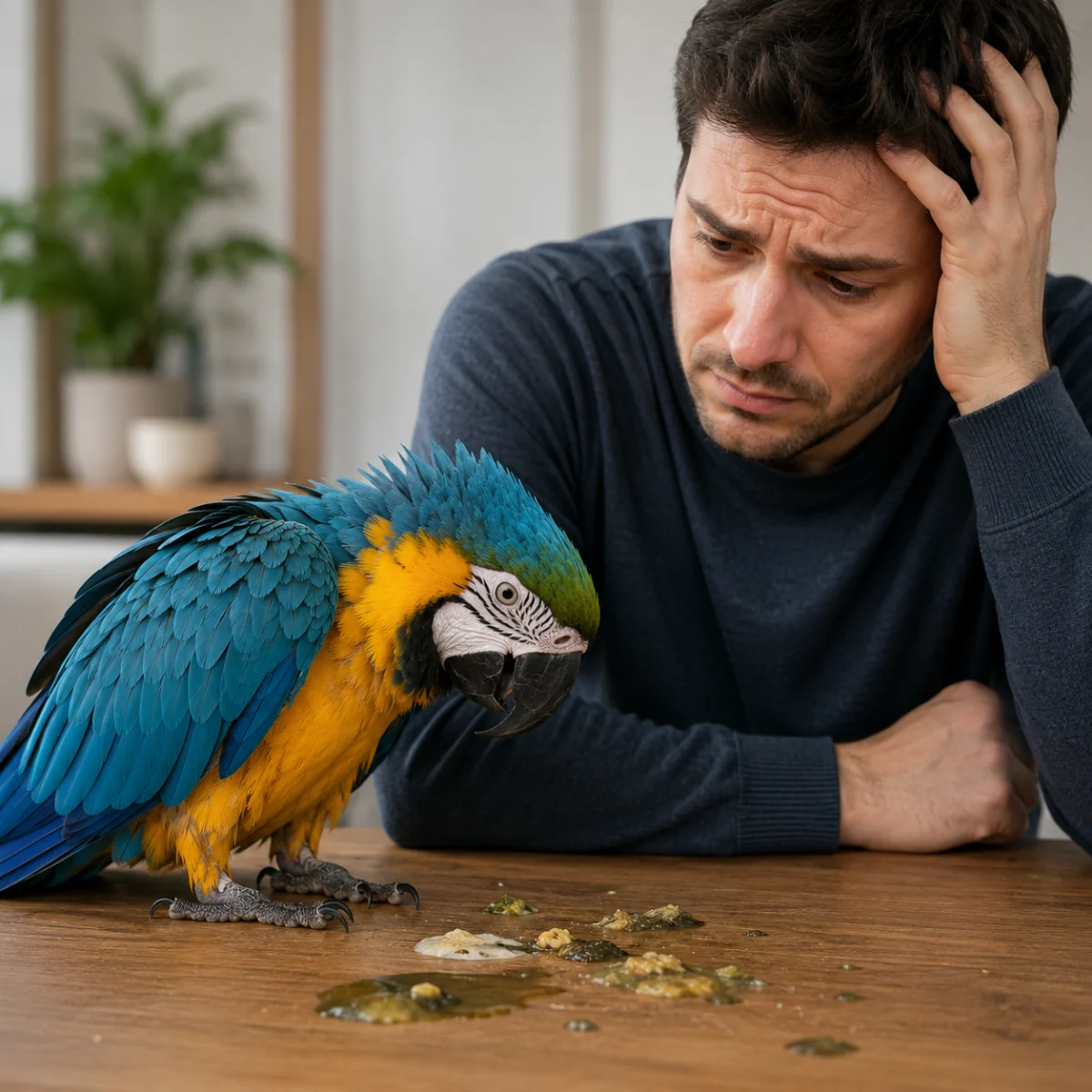
Understanding the nuances of a pet bird’s digestive health is paramount for responsible avian care, as subtle changes in droppings or behavior can be the earliest indicators of significant underlying health issues. Unlike mammals, birds excrete feces, urine, and urates simultaneously, making the interpretation of their droppings a unique diagnostic challenge for owners. This guide aims to equip bird owners with the knowledge to differentiate benign variations from serious symptoms that necessitate immediate veterinary intervention, emphasizing that early detection can be life-saving.
The Critical Distinction: Watery Droppings Versus True Diarrhea
One of the most frequent concerns for bird owners is the appearance of excessively liquid droppings. It is crucial to distinguish between polyuria (increased urine production, leading to watery droppings) and true diarrhea (abnormal, unformed fecal matter). The avian digestive system processes food rapidly, and the cloaca, where digestive, urinary, and reproductive tracts meet, mixes waste products before expulsion.
Polyuria often manifests as a larger-than-normal wet ring around a relatively normal, solid fecal component. This can be attributed to several factors, many of which are not immediately alarming. Dietary changes, particularly an increase in water-rich foods such as fruits, vegetables, or fresh greens, can naturally elevate water intake and subsequent urine output. Stress, a common trigger in birds, can also temporarily alter gut motility and water balance, leading to increased urination. Similarly, certain medications or a sudden increase in ambient temperature prompting higher water consumption might result in polyuric droppings. In these less concerning scenarios, the bird typically maintains its normal appetite, activity levels, and overall demeanor. Owners are advised to monitor the bird closely, observe its feeding and drinking habits, and assess its general vitality. If the bird remains bright, alert, and active, and the dietary or environmental cause is identifiable, the watery droppings may resolve on their own within a day or two.
Conversely, true diarrhea is characterized by the fecal portion itself being unformed, loose, or entirely liquid, often lacking the distinct coiled or solid appearance of healthy droppings. This indicates a disruption in the digestive process, where the intestines are unable to properly absorb water and nutrients. True diarrhea is a more serious symptom and rarely occurs in isolation. It is frequently accompanied by other signs of illness such as lethargy, fluffed-up appearance, decreased appetite, weight loss, or changes in behavior. Conditions like bacterial, viral, fungal, or parasitic infections, inflammatory bowel disease, or organ dysfunction (e.g., kidney disease) can all lead to true diarrhea. The presence of unformed feces, especially when persistent or combined with other clinical signs, warrants prompt consultation with an avian veterinarian. The avian veterinary community consistently emphasizes that persistent diarrhea is a red flag, indicating a systemic issue that requires professional diagnosis and treatment.
The Alarming Presence of Undigested Food in Droppings
The appearance of recognizable food particles – whole seeds, pieces of pellets, or vegetable matter – in a bird’s droppings is a particularly concerning sign that should never be dismissed as trivial. A healthy avian digestive system is remarkably efficient, designed to break down food into its most basic components for nutrient absorption. This process involves mechanical grinding in the ventriculus (gizzard) and chemical digestion in the proventriculus and intestines. When this system malfunctions, and food passes through largely undigested, it signals a significant problem.
Owners often notice this as seemingly whole seeds or identifiable food fragments in the fecal portion of the droppings. The implications are severe: the bird is not extracting essential nutrients from its food, leading to malnutrition despite an apparent normal or even increased appetite. This can result in progressive weight loss, weakness, and a decline in overall body condition.
The underlying causes for undigested food are varied and serious. They can include:
- Maldigestion: Issues with the proventriculus (glandular stomach) or ventriculus (gizzard) that prevent proper breakdown of food. Proventricular Dilatation Disease (PDD), a devastating viral condition, is a prime example, causing nerve damage that impairs stomach function.
- Malabsorption: Problems with the intestinal tract’s ability to absorb nutrients, which can stem from severe enteritis, parasitic infestations, or other inflammatory conditions.
- Pancreatic Insufficiency: Although less common in birds than in mammals, pancreatic issues can reduce the production of digestive enzymes.
- Infections: Bacterial, fungal, or parasitic infections can compromise the entire digestive tract, leading to both maldigestion and malabsorption.
- Foreign Body Obstruction: Partial blockages can interfere with normal food passage and digestion.
Avian health specialists, such as Diane Burroughs, LCSW, a licensed psychotherapist and avian behavior specialist, stress that if undigested food is observed, especially in conjunction with weight loss, vomiting, lethargy, or neurological changes, it constitutes an urgent veterinary emergency. Delaying care can lead to rapid deterioration of the bird’s health, making treatment more challenging and outcomes less favorable. Diagnostic tests, including fecal analysis, radiographs, blood tests, and potentially biopsies, are often necessary to pinpoint the exact cause.
Decoding the Spectrum of Dropping Colors
While consistency and the presence of undigested food are critical, the color of a bird’s droppings also provides valuable diagnostic clues. However, color changes must always be interpreted in the context of the bird’s diet and overall health. Isolated color changes without other symptoms are less concerning than those accompanied by behavioral shifts or signs of illness.
- Green Droppings:
- Dietary Green: If a bird has recently consumed a significant amount of green vegetables or fruits, the fecal portion may appear green due to pigment. This is generally benign if the bird is otherwise active and eating well.
- Dark Green/Biliverdinuria: A more ominous dark green color, particularly when accompanied by a noticeable decrease in appetite or lethargy, suggests a lack of food passing through the digestive tract. The bile pigments (biliverdin) that are normally reabsorbed or excreted with food are instead concentrated. This can indicate anorexia, liver disease, or systemic illness.
- Yellow Urates: The urates, the white or off-white part of the droppings, should typically be opaque white. A yellowish tint to the urates is a significant warning sign. This "biliverdinuria" indicates the presence of bile pigments in the urine, strongly suggesting liver dysfunction, systemic infection, or severe dehydration. Any yellowing of the urates warrants immediate veterinary attention.
- Black or Tarry Stool (Melena): This highly concerning symptom indicates the presence of digested blood originating from the upper gastrointestinal tract (proventriculus, ventriculus, or small intestine). The blood becomes dark and tar-like as it passes through the digestive process. Causes can include severe ulcers, tumors, or other internal bleeding. Melena is a medical emergency requiring urgent veterinary care.
- Red Droppings (Hematochezia): Red discoloration in droppings can be due to either fresh blood or certain dietary pigments.
- Dietary Red: If a bird has recently eaten red berries, beets, or other red-pigmented foods, the droppings may temporarily appear reddish. Owners should consider recent food intake.
- Fresh Blood: The presence of bright red blood, either mixed with feces or as streaks, indicates bleeding in the lower gastrointestinal tract (large intestine, cloaca) or from the reproductive tract. This can be caused by severe inflammation, cloacal prolapse, egg-laying complications, or trauma. If diet is ruled out, or if the bleeding is significant, it requires immediate veterinary assessment.
Distinguishing Regurgitation from Vomiting: A Crucial Observation
For bird owners, differentiating between regurgitation and vomiting is essential, as these behaviors, though outwardly similar, carry vastly different clinical implications.
Regurgitation is typically a controlled, deliberate act, often a natural and healthy part of avian behavior. It is primarily associated with courtship, bonding, or feeding offspring.
- Appearance: The bird usually stretches its neck, bobs its head, and brings up partially digested food from its crop in a controlled manner, often offering it to a mate, a favorite toy, or even its owner. The food expelled is typically warm and moist, often with a recognizable shape of the original food item.
- Bird’s Demeanor: During and after regurgitation, the bird generally appears alert, active, and otherwise healthy. There are no signs of distress, weakness, or illness.
- Context: It commonly occurs during breeding season, when a bird is strongly bonded to another bird or human, or when it is attempting to "feed" a cherished object.
Vomiting (Emisis), in contrast, is an involuntary, often violent expulsion of food or fluid from the proventriculus or ventriculus, indicating illness.
- Appearance: Vomiting is often messy and projectile, with food splattered on the bird’s face, head feathers, or surrounding cage. The expelled material may be more liquid, discolored, or contain mucus. The bird may shake its head vigorously to clear its beak.
- Bird’s Demeanor: A bird that is vomiting will almost always show other signs of illness. These can include lethargy, fluffed-up feathers, loss of appetite, weakness, abdominal discomfort, or a general sickly appearance. The act itself is typically accompanied by signs of distress.
- Causes: Vomiting is a symptom of a wide range of serious health problems, including infections (bacterial, viral, fungal, parasitic), toxins (lead, zinc, certain plants, household chemicals), internal organ disease (liver, kidney), proventricular disease, foreign body obstruction, or inflammatory conditions of the digestive tract.
The distinction is critical because treating vomiting as mere regurgitation can lead to dangerous delays in seeking veterinary care. Avian experts like Diane Burroughs strongly caution against dismissing messy, involuntary expulsions of food as normal bonding behavior. Any instance of true vomiting should be considered a medical emergency requiring prompt investigation by an avian veterinarian.
Common Etiologies of Avian Digestive Disturbances
Avian digestive symptoms, while sometimes benign, frequently signal underlying health issues ranging from simple dietary imbalances to severe systemic diseases. Understanding these common causes is essential for preventative care and timely intervention.
- Dietary Changes or Watery Foods: The most straightforward cause of altered droppings is often dietary. A sudden increase in water-rich foods (e.g., melon, cucumber, leafy greens) or a rapid switch in diet can temporarily increase the liquid component of droppings (polyuria). While generally not serious, abrupt dietary shifts should be avoided to prevent digestive upset. A balanced, consistent diet, rich in pellets supplemented with fresh vegetables and fruits, is recommended by avian nutritionists.
- Spoiled Food or Contaminated Water: Birds are susceptible to bacterial and fungal infections from spoiled food or unclean water. Wet chop, sprouts, and soft foods left in the cage for extended periods, especially in warm environments, can quickly become breeding grounds for harmful microbes. Similarly, dirty water dishes can harbor pathogens. Regular, thorough cleaning of food and water dishes, along with providing fresh food multiple times a day, is crucial. Digestive upset following consumption of suspect food warrants careful observation and potentially veterinary consultation if symptoms persist.
- Bacterial, Fungal, Viral, or Parasitic Diseases: Pathogenic microorganisms are a leading cause of avian digestive problems.
- Bacterial Infections: Common culprits include E. coli, Salmonella, Clostridium, and Campylobacter, leading to enteritis, diarrhea, weight loss, and lethargy.
- Fungal Infections: Candida albicans (yeast infections) can affect the crop and digestive tract, causing regurgitation, vomiting, and loss of appetite.
- Viral Infections: Highly contagious viruses such as Polyomavirus, PBFD (Psittacine Beak and Feather Disease), and Adenovirus can cause severe systemic illness with digestive manifestations. Proventricular Dilatation Disease (PDD), caused by Avian Bornavirus, directly impairs digestive function.
- Parasitic Infections: Internal parasites like Giardia, Coccidia, and various nematodes (roundworms) can cause chronic diarrhea, weight loss, and malabsorption.
These infections often require specific diagnostic tests (e.g., fecal cultures, PCR tests) and targeted antimicrobial, antifungal, or antiparasitic treatments.
- Toxins or Metal Exposure: Birds are highly sensitive to various toxins commonly found in household environments.
- Heavy Metals: Lead (from old paint, stained-glass solder, curtain weights) and zinc (from galvanized cage wire, toys, zippers) are particularly toxic, causing vomiting, diarrhea, neurological signs, and weakness.
- Pesticides and Herbicides: Exposure to garden chemicals can be lethal.
- Household Chemicals: Cleaning products, air fresheners, and non-stick cookware fumes (PTFE toxicity) can trigger acute respiratory and digestive distress.
- Toxic Plants: Many common houseplants (e.g., avocado, certain lilies, philodendron) are poisonous to birds.
Rapid identification and removal of the toxin, along with supportive veterinary care (e.g., chelation therapy for heavy metals), are critical.
- Foreign Material or Obstruction: Birds are naturally curious and may ingest non-food items. Rope fibers from toys, bedding materials, small toy parts, or even pieces of wood can irritate or partially obstruct the digestive tract. Symptoms can range from mild digestive upset to severe vomiting, anorexia, and impaction, potentially requiring surgical removal.
- Proventricular Disease or Malabsorption Syndromes: These represent more profound digestive system dysfunctions. As mentioned, PDD is a significant concern, leading to maldigestion due to nerve damage. Other conditions affecting the proventriculus or intestines can lead to chronic weight loss, despite a good appetite, and the passage of undigested food. These require extensive veterinary investigation to diagnose and manage.
Immediate Actions for Concerned Bird Owners
When digestive symptoms emerge, a methodical approach can provide valuable information for the avian veterinarian without unduly delaying critical care. The primary goal is to gather objective data while closely observing the bird for any signs of worsening health.
- Isolate and Observe: Move the bird to a quiet, warm, and secure hospital cage. This reduces stress and allows for easier monitoring of droppings, food intake, and behavior. Maintain a comfortable ambient temperature (e.g., 80-85°F or 27-30°C for small birds).
- Monitor Droppings: Place plain paper (like butcher paper or paper towels, avoiding newspaper ink) at the bottom of the cage. Observe the frequency, volume, color, consistency of the fecal component, and the appearance of the urates and urine. Note any presence of undigested food or blood.
- Quantify Food and Water Intake: Measure how much food and water your bird consumes. A sudden decrease or increase is significant.
- Assess Overall Demeanor: Note changes in activity level, posture (e.g., sitting low, fluffed up), vocalizations, alertness, and interaction with you or other birds.
- Check Weight: If you routinely weigh your bird, note any recent changes. Even a small weight loss in a bird can be very significant.
- Review Recent History: Consider any recent diet changes, new toys, exposure to household chemicals, stress events (e.g., new pet, visitors), or changes in the bird’s environment.
Preparing for the Veterinary Visit: Essential Information and Samples
A well-prepared owner can significantly assist the avian veterinarian in making a rapid and accurate diagnosis.
- Detailed History: Provide a comprehensive account of the bird’s symptoms, including onset, duration, progression, and any associated changes in appetite, water intake, activity, or behavior.
- Dietary Information: List all foods offered, brands of pellets/seeds, and any recent changes.
- Photos/Videos: Digital photos or short videos of the droppings (freshly passed, if possible) or the bird exhibiting symptoms (e.g., vomiting) can be invaluable, especially if the symptoms are intermittent.
- Fresh Dropping Samples: Collect several fresh droppings on wax paper or aluminum foil, seal them in a clean, airtight container (e.g., Ziploc bag), and keep them cool (but not frozen) for transport. This allows for immediate fecal analysis.
- Food Samples: Bring a small sample of your bird’s current diet for the vet to inspect.
The Role and Limitations of Probiotics in Avian Health
Probiotics, live beneficial microorganisms, are often considered as supportive agents for digestive health, particularly after disturbances to the gut microbiome. They work by introducing or replenishing "good" bacteria, which can help maintain a healthy balance in the digestive tract, aid digestion, and potentially enhance immune function.
- Best Use Cases: Probiotics can be beneficial following antibiotic therapy, which often depletes both harmful and beneficial gut bacteria. They may also help support digestive balance during periods of stress, after minor diet disruptions, or as a general wellness supplement for birds with a history of sensitive digestion.
- Limitations: It is critical to understand that probiotics are not a cure-all and should never be used as a substitute for veterinary care in a sick bird. They cannot resolve serious underlying conditions such as:
- Toxicity (e.g., heavy metal poisoning)
- Physical obstructions (e.g., foreign bodies)
- Severe parasitic infestations
- Organ disease (e.g., liver or kidney failure)
- Persistent vomiting or weight loss
- Proventricular Dilatation Disease (PDD)
- A bird exhibiting signs of being fluffed up, weak, or anorexic.
The avian veterinary community’s consensus is that probiotics serve as supportive therapy, aiding in the restoration of normal gut flora. They should be considered a complement to, not a replacement for, professional diagnosis and treatment when a bird is genuinely unwell. Misusing probiotics to delay veterinary intervention for a sick bird can have severe, even fatal, consequences.
When to Stop Troubleshooting and Call the Avian Veterinarian
The decision to seek professional veterinary care for a pet bird with digestive symptoms is one of the most critical an owner will make. While some minor, transient changes in droppings can be managed with careful observation, certain signs unequivocally demand immediate veterinary attention. The plain rule, often reiterated by avian health experts, is that while abnormal poop alone may be a clue, abnormal poop plus a bird acting sick is a veterinary problem.
Immediate Veterinary Consultation is Required If You Observe:
- Undigested Food in Droppings: This indicates a severe breakdown in the digestive process.
- Persistent Vomiting: Any instance of true, messy, involuntary vomiting, regardless of frequency.
- Significant Weight Loss: Even a small percentage of body weight loss in a bird can be critical.
- Lethargy or Weakness: A bird that is unusually quiet, sleeping more, difficult to rouse, or unable to perch properly.
- Fluffed-up Appearance: Persistent ruffling of feathers, often indicating the bird is trying to conserve body heat due to illness.
- Loss of Appetite (Anorexia): A bird refusing to eat or significantly reducing its food intake for more than a few hours.
- Changes in Posture or Demeanor: Sitting low on the perch, hunched posture, dull eyes, or lack of normal curiosity and interaction.
- Difficulty Breathing: Open-mouthed breathing, tail bobbing, or labored breaths.
- Passing Blood: Any visible red blood or black, tarry stool.
- Yellow or Green Urates: Indicative of liver disease or other serious metabolic issues.
- Persistent Diarrhea: True, unformed fecal matter that lasts for more than 24 hours.
These signs are not merely symptoms of digestive upset but often reflect systemic illness that can rapidly progress. Avian physiology dictates that birds often mask signs of illness until they are severely debilitated, making early intervention paramount. Delaying veterinary care in the presence of these symptoms significantly reduces the chances of a successful outcome. The costs associated with avian veterinary care are a small investment compared to the potential emotional and financial burden of a rapidly deteriorating pet.
Broader Implications of Avian Digestive Health
The focus on avian digestive health extends beyond individual pet birds. The principles of preventative care, early symptom recognition, and prompt veterinary intervention contribute to the broader welfare of avian populations and the responsible stewardship of companion animals. Research into avian gastrointestinal diseases continues to advance, providing better diagnostic tools and treatment options. Educational initiatives, often led by avian specialists and veterinary organizations, play a crucial role in empowering bird owners with the knowledge to provide optimal care. By understanding the intricate signals their birds provide through droppings and behavior, owners become vigilant advocates for their pets’ health, ultimately enhancing the quality of life for these intelligent and sensitive creatures.

