


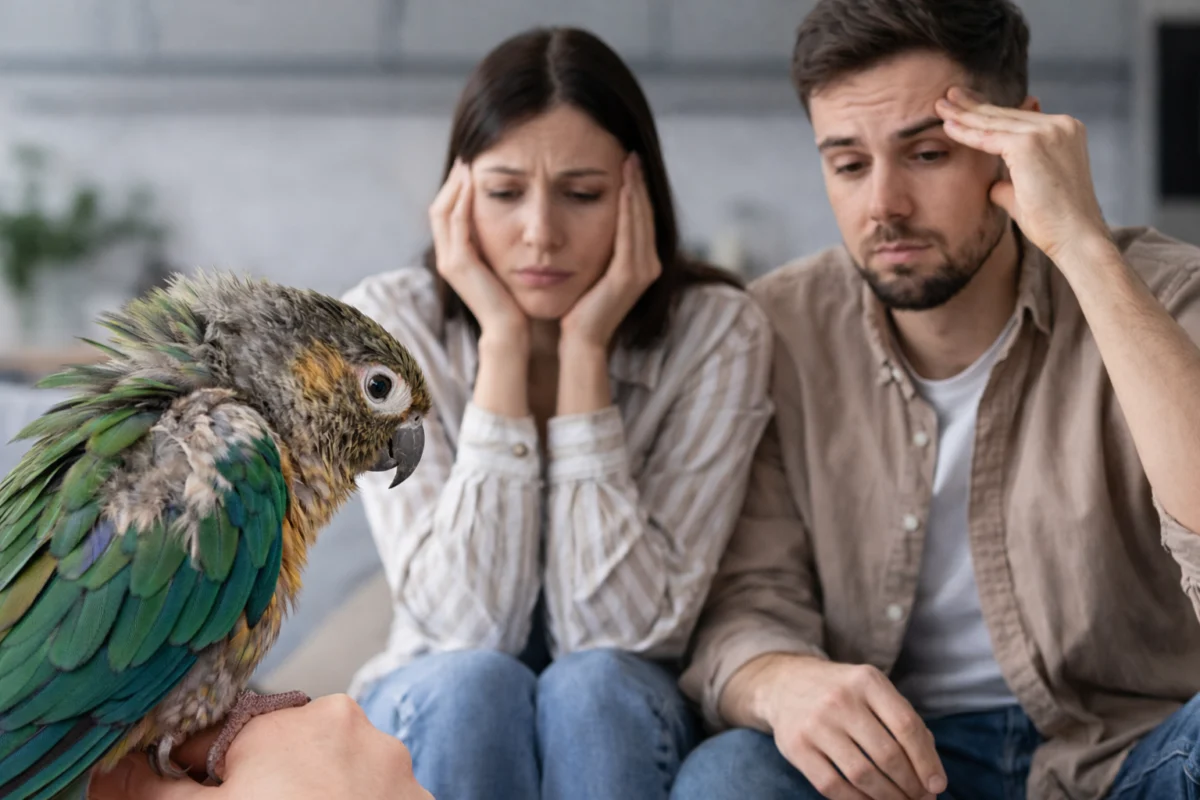
Chronic feather, skin, or "never-ending molt" issues in pet birds are not sudden occurrences; rather, they represent a prolonged and often distressing pattern for avian companions and their owners. Unlike a single rough feather day, these conditions typically manifest over weeks or months, characterized by excessive feather loss, poor regrowth, persistent irritation, and a cycle that seems to defy resolution. Owners frequently grapple with anxious questions: "Is this molting or plucking?" "Why does this feel unending?" and "Why won’t the feathers simply heal?" These queries underscore a critical juncture where routine care transitions into a need for deeper understanding and targeted intervention.
This guide serves as a comprehensive resource for navigating this complex challenge, moving beyond initial panic or basic advice to provide insights into recognizing when a bird’s natural repair mechanisms are failing and identifying the most effective next steps. It emphasizes the importance of meticulous observation of bird behavior and clarifies the role of behavior modification, asserting its place only after all potential medical causes have been thoroughly investigated and ruled out. Understanding the subtle cues and physiological demands of feather health is paramount for any concerned bird owner.
The Intricate World of Avian Feathers and Molting
Feathers are marvels of biological engineering, serving numerous vital functions for birds, including flight, insulation, waterproofing, camouflage, and display. Composed primarily of keratin, these complex structures are non-living once fully formed but are intrinsically linked to the bird’s overall health. Molting, the natural process of shedding old, worn feathers and growing new ones, is an essential physiological event for all birds. This process ensures the integrity of the plumage, maintaining its functionality and aesthetic.
A normal molt typically occurs in a predictable, cyclical manner, often influenced by seasons, light cycles, and reproductive status. It involves the gradual replacement of feathers, preventing a bird from losing too many at once and compromising its ability to fly or regulate body temperature. During a healthy molt, owners might observe increased feather shedding, the emergence of "pin feathers" (new feathers encased in a keratin sheath), and temporary changes in behavior such as increased preening or mild irritability. However, these phases are usually transient, with healthy new feathers emerging and the bird returning to its baseline within a few weeks or months, depending on the species and the extent of the molt.
Distinguishing Normal Molt from Concerning Patterns
The challenge for many owners lies in differentiating a normal, albeit sometimes intense, molt from a chronic, concerning issue. What owners notice is rarely a single isolated incident, but a repeating pattern: feathers fall, new ones grow back poorly or are immediately damaged, skin becomes irritated, and the cycle continues without resolution.
What is considered normal:
A healthy molt unfolds in distinct waves. Feathers are shed, new ones emerge, and then a period of calm ensues. Even the prickly "pin-feather" stage, which can cause temporary discomfort and itching, typically resolves as the feathers unfurl and the underlying skin settles. During this time, the bird may spend more time preening, bathing, and resting, all natural behaviors supporting the renewal process. Energy levels might be slightly lower, and appetite might increase due to the metabolic demands of feather growth.
What raises concern:
Several indicators should prompt an owner to investigate further:
- Unending Molt: The bird appears to be in a perpetual state of molting, never completing a cycle.
- Poor Feather Quality: New feathers are deformed, brittle, discolored, or develop "stress bars" – horizontal lines across the feather vane indicating periods of nutritional deficiency or stress during growth.
- Patchy Feather Loss: Instead of a uniform shedding, specific areas show significant baldness or thinning.
- Excessive Preening/Itching: The bird spends an abnormal amount of time preening, often leading to skin irritation, redness, or even self-mutilation.
- Skin Lesions: The underlying skin appears red, inflamed, flaky, scaly, or shows signs of trauma from over-preening or plucking.
- Behavioral Changes: Increased irritability, lethargy, loss of appetite, changes in vocalization, or a noticeable shift in overall demeanor.
- Weight Loss or Keel Prominence: A critical sign of underlying health issues, indicating the bird is not processing nutrients effectively or is expending too much energy on feather regrowth.
As avian expert Diane Burroughs, LCSW, often emphasizes, "The most important step is slowing down and naming the bird behavior you can actually see, day after day, without jumping to conclusions." This requires diligent observation and, ideally, documentation. Photographing affected areas weekly under consistent lighting conditions can provide objective evidence of progression or stagnation, moving beyond guesswork.
Underlying Causes: A Multifaceted Problem
Chronic feather and skin issues are rarely attributable to a single factor. Instead, they often result from a complex interplay of medical, nutritional, environmental, and behavioral stressors.
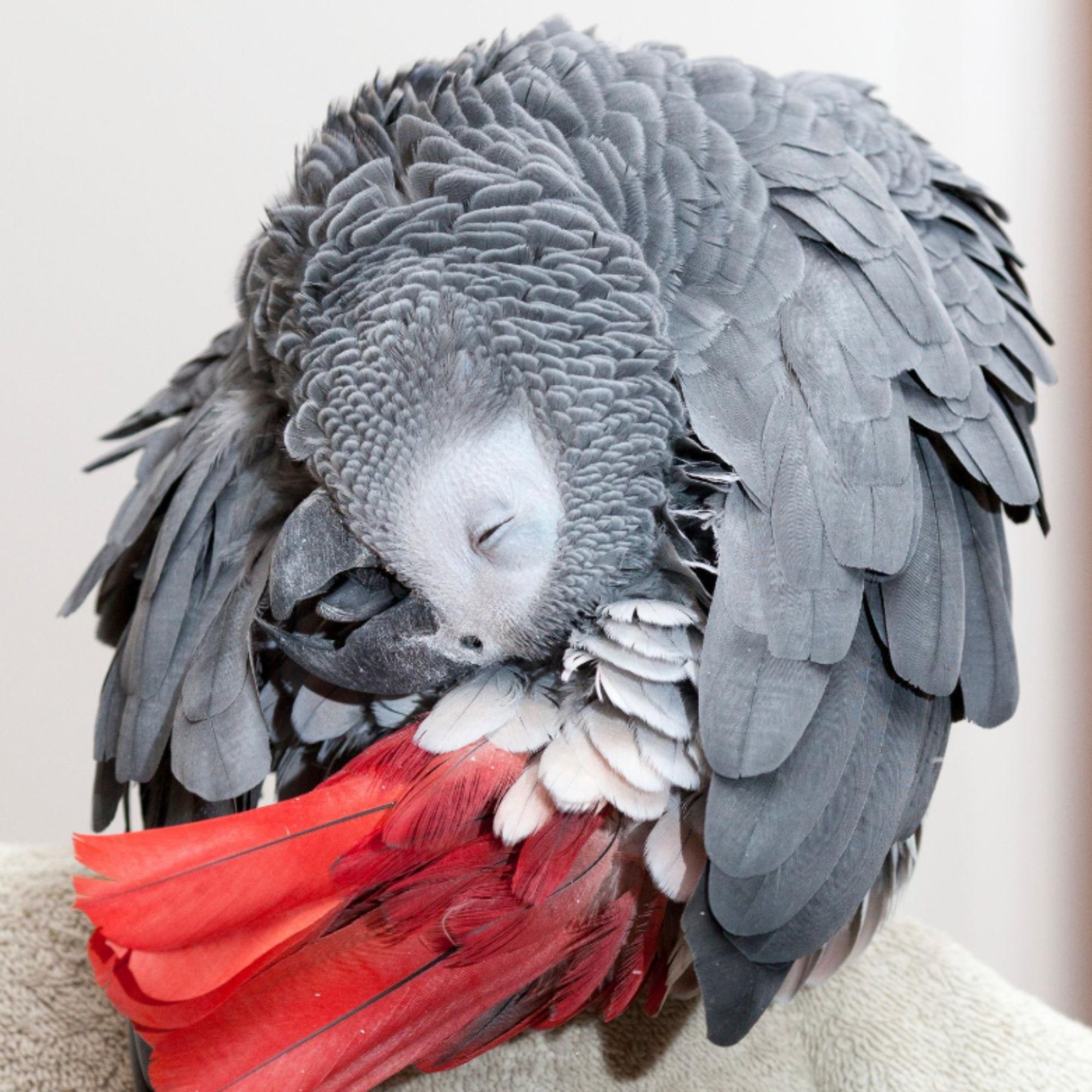
1. Medical Conditions:
Before any behavioral intervention, a thorough veterinary examination by an avian specialist is crucial. Many diseases manifest with feather and skin abnormalities.
- Viral Infections: Psittacine Beak and Feather Disease (PBFD) and Polyomavirus are notorious for causing feather deformities, loss, and immune suppression.
- Bacterial or Fungal Infections: Folliculitis (inflammation of feather follicles) or skin infections can lead to poor feather growth and irritation.
- Parasites: Mites, lice, or internal parasites can cause itching, feather damage, and general malaise.
- Organ Disease: Liver, kidney, or thyroid disease can impair feather quality and overall health.
- Allergies: While less common, birds can develop environmental or food allergies that manifest as skin irritation and feather plucking.
2. Nutritional Deficiencies:
Feather growth is one of the most metabolically demanding processes for a bird. Inadequate nutrition is a primary driver of poor feather quality and chronic molting.
- Seed-Only Diets: A common pitfall, seed-only diets are notoriously deficient in essential vitamins (especially Vitamin A), minerals (calcium), and amino acids vital for feather production. This can lead to brittle feathers, stress bars, and dull plumage.
- Lack of Omega Fatty Acids: Crucial for skin health and feather sheen, deficiencies can result in dry, flaky skin and poor feather texture.
- Protein Imbalance: Feathers are protein-rich. Insufficient or imbalanced protein intake impairs proper feather formation.
3. Environmental Factors:
The bird’s immediate environment significantly impacts its health and stress levels.
- Humidity: Indoor environments, especially in arid climates, often lack sufficient humidity, leading to dry skin and brittle feathers that are difficult to preen. Regular bathing or misting is essential.
- Lighting: Lack of full-spectrum lighting (specifically UVA and UVB) can disrupt natural cycles, calcium metabolism, and overall well-being, influencing molting patterns.
- Cage Environment: An appropriately sized cage, stimulating toys, and opportunities for exercise are vital. A sterile or cramped environment can lead to boredom and stress, contributing to feather destruction.
- Air Quality: Exposure to cigarette smoke, aerosols, strong cleaning chemicals, or fumes from non-stick cookware can be highly toxic to birds, causing respiratory issues and skin/feather irritation.
4. Behavioral and Psychological Stressors:
Even in the absence of medical or nutritional issues, chronic stress can manifest as feather problems. As Diane Burroughs explains, "Growing new feathers is one of the most demanding things a bird’s body does. It pulls nutrients, energy, and hormonal signals all at once. When a bird is already working that hard, piling additional stress on top – disrupted sleep, constant handling, environmental changes – means something has to give."
- Lack of Enrichment: Intelligent birds, especially parrots, require constant mental stimulation. Boredom can lead to self-destructive behaviors, including feather plucking.
- Social Isolation: Many pet birds are social creatures that thrive on interaction. Loneliness or lack of appropriate social engagement can cause significant stress.
- Changes in Routine: Birds are creatures of habit. Sudden changes in their environment, caregiver, or daily schedule can be highly stressful.
- Fear/Anxiety: Perceived threats, loud noises, or an unstable environment can induce chronic anxiety, impacting physiological processes.
Immediate Stabilization: A Focus on Support, Not Fixing
When chronic feather issues are identified, the immediate priority is stabilization and creating an optimal environment for healing, rather than attempting to "fix" everything at once. This phase focuses on reducing overall stress and providing the body with the resources it needs to heal.
Key Stabilization Strategies:
- Optimize Nutrition: Transition to a high-quality pelleted diet, supplemented with fresh vegetables, fruits, and a small amount of healthy grains. Ensure access to clean, fresh water.
- Environmental Enrichment: Provide a variety of safe, destructible toys, foraging opportunities, and perches of different textures and sizes.
- Humidity and Bathing: Offer daily opportunities for bathing (misting, shallow water dish, or shower perches) to keep skin hydrated and feathers clean.
- Consistent Sleep Schedule: Ensure 10-12 hours of uninterrupted, dark, quiet sleep daily. This is fundamental for immune function and stress reduction.
- Predictable Routine: Establish a consistent daily schedule for feeding, interaction, and rest. Predictability significantly reduces anxiety.
- Minimize Stressors: Identify and mitigate any known stressors in the bird’s environment (e.g., loud noises, other pets, overhandling).
What this phase is not:
- It is not about introducing new stressors like intense training sessions.
- It is not about making drastic, sudden changes to the environment or diet.
- It is not about forced interaction if the bird is showing signs of discomfort.
- It is not about immediately attempting to modify established feather-destructive behaviors.
The goal is to provide a "breathing room" for the bird’s body. When a bird is under constant stress, its physiological resources are diverted to coping mechanisms rather than healing and feather regeneration. Diane Burroughs likens it to human recovery: "Think about how people recover when they’re sick or run down. They don’t jump out of bed, style their hair, and power through the day. They rest more. They keep things simple. They eat gently and sleep longer. Birds need the same kind of support."
The Behavior Study Lens: Why Feather Problems Don’t Fix Themselves
Understanding bird behavior through a "behavior study" lens reveals why a holistic, patient approach is critical. Feather regrowth is inherently stressful, even for healthy birds. It demands significant physiological resources. When a bird’s system is already taxed by growth, additional stressors — such as erratic sleep, constant changes, or inappropriate handling — can overwhelm its ability to heal effectively. This often manifests in the feathers first, as they are a visible indicator of internal well-being.
Consider common ways stress is inadvertently added:
- Over-handling during molt: Pin feathers are sensitive; excessive handling can be painful and stressful.
- Constant introduction of new toys/perches: While enrichment is good, too much novelty can be overwhelming.
- Frequent cage rearrangements: Disrupts a bird’s sense of security and familiarity.
- Inconsistent daily routines: Lack of predictability creates anxiety.
- Attempting to "force" interaction: Can lead to fear and withdrawal, rather than bonding.
Recognizing these patterns does not imply owner fault but highlights areas where conscious adjustments can create a more supportive environment.

Where Behavior Modification Fits: After Medical Clearance
Behavior modification is a powerful tool, but its application must be correctly timed. As Diane Burroughs states, "After medical issues are ruled out, behavior work isn’t about correcting feather behavior. It’s about strengthening normal parrot activities—eating, bathing, chewing up stuff, exploring, and playing—so the bird spends less time fixated on their feathers."
Natural parrot behaviors—calm preening, foraging, bathing, chewing, and exploring—are inherently stress-relieving. When birds are actively engaged in these species-appropriate activities, their focus shifts away from their feathers. This reduction in feather-focused habits, combined with decreased stress and increased environmental predictability, often leads to improvements in both behavior and feather quality. It’s about empowering the bird to cope healthily, rather than forcing a change in an undesirable symptom.
When to Stop and Call a Professional
While initial stabilization strategies are beneficial, certain signs necessitate immediate professional veterinary intervention. These include:
- Weight loss or noticeable prominence of the keel bone: Indicates a significant health decline.
- Visible skin damage, wounds, or bleeding: Requires urgent medical attention to prevent infection.
- Low energy, lethargy, or reluctance to move: A critical sign of illness.
- Significant changes in appetite or droppings: Can indicate digestive or systemic issues.
- Sudden onset of severe feather loss or plucking: May point to an acute medical problem or severe stress.
- Any feather or skin issue that persists or worsens despite initial stabilization efforts.
Who to call first matters. If physical changes such as weight loss, skin damage, or appetite shifts are observed, an avian veterinarian should be the first point of contact. They can conduct diagnostic tests (blood work, feather biopsies, viral panels) to rule out underlying medical conditions. Once medical causes are excluded, and the issue appears habit-driven or stress-related, a qualified bird behaviorist can provide invaluable support. These specialists help owners understand avian psychology, reduce stress patterns, and reinforce healthier coping behaviors, ultimately improving the bird’s welfare and feather health.
Broader Impact and Implications
Chronic feather and skin issues in pet birds highlight broader implications for avian welfare and responsible pet ownership. The prevalence of these problems underscores the need for better education on species-specific care, nutrition, and environmental enrichment. For owners, these challenges can be emotionally and financially draining, often leading to guilt, frustration, and a desperate search for solutions.
The scientific community, as evidenced by references from Chen et al. (2020) on molecular signaling in feather growth, and Lightfoot (2024) on skin and feather disorders, continues to deepen our understanding of avian physiology and pathology. This research, combined with the practical application of behavioral science by experts like Diane Burroughs, helps bridge the gap between scientific knowledge and actionable care for pet birds. Ultimately, addressing these persistent issues requires a commitment to a holistic approach that prioritizes the bird’s physical health, psychological well-being, and a supportive, predictable environment.
Key Takeaway
With chronic feather and skin issues, the sequence and nature of interventions are critical. Begin by bolstering the bird’s foundational health through optimal nutrition, adequate rest, and predictable routines. If feather problems persist, worsen, or are accompanied by signs of distress like weight loss, pain, or skin damage, an avian veterinarian is the indispensable first call. Behavioral support, focusing on stress reduction and reinforcing natural parrot behaviors rather than coercive change, becomes effective only after medical causes have been definitively ruled out. This integrated, patient, and informed approach offers the best pathway to restoring a bird’s plumage and overall vitality.

