


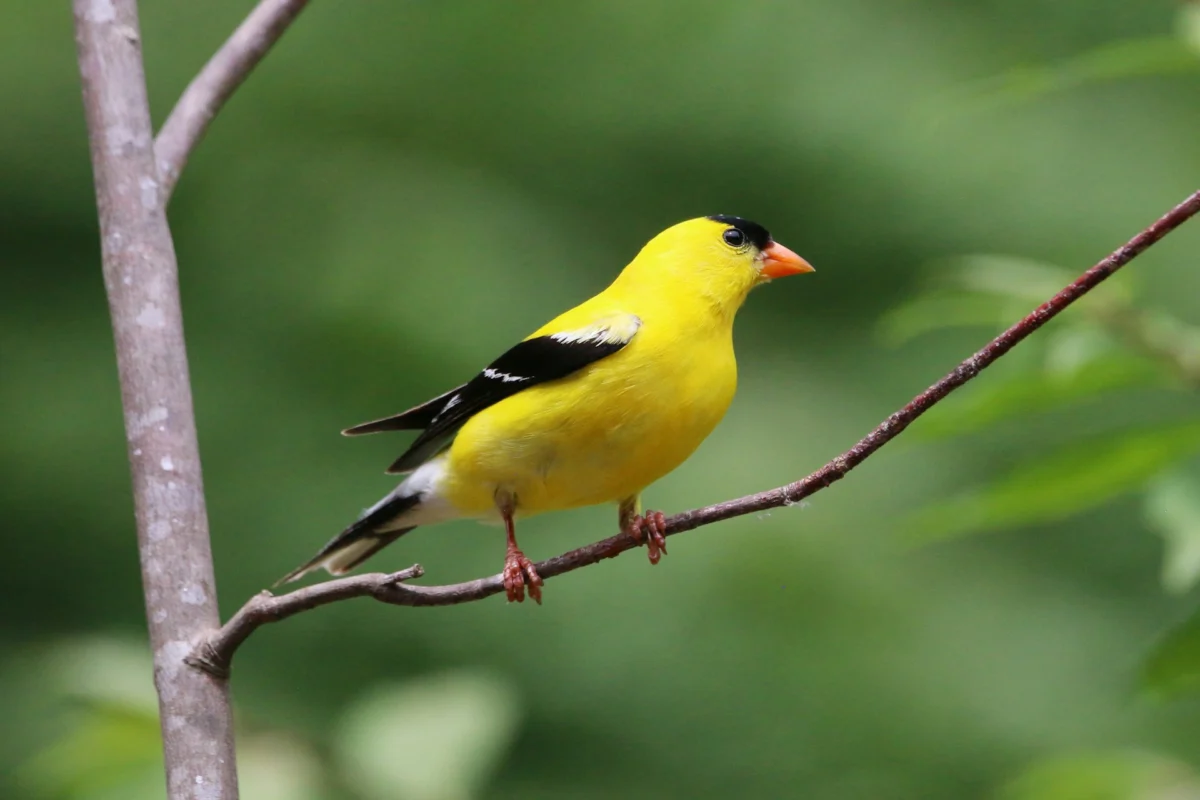
The American Goldfinch, with its striking canary-yellow plumage and distinctive black and white wing markings, is a welcome splash of color against the muted tones of winter. Their cheerful chirping adds a lively soundtrack to any outdoor space. For residents fortunate enough to live within their extensive range, the desire to attract these delightful songbirds during the colder months is a common aspiration. This guide delves into the essential strategies for transforming your yard into a haven for Goldfinches throughout winter, offering practical advice and shedding light on their fascinating life cycle.
Understanding the American Goldfinch: A Year-Round Resident in Many Regions
The American Goldfinch ( Spinus tristis) is a small passerine bird found across North America. While many bird species undertake extensive migrations to escape harsh winter conditions, a significant population of American Goldfinches remains in the northeastern United States year-round. This resident status makes them a prime candidate for winter bird feeding efforts. Their adaptability and reliance on readily available food sources, particularly seeds, are key factors in their ability to thrive during colder periods. Understanding their dietary needs and habitat preferences is the first step in creating an inviting environment.
Five Essential Steps to Welcome Goldfinches This Winter
Creating an attractive habitat for Goldfinches involves a multi-faceted approach, focusing on their primary food sources, shelter, and water needs. By implementing the following five steps, homeowners can significantly increase their chances of observing these vibrant birds throughout the winter months.
Step 1: Curate a Seed Selection That Appeals to Finicky Eaters
Goldfinches are highly seed-dependent birds, a trait that simplifies their attraction compared to species with more complex dietary requirements. Their primary food sources include the seeds of sunflowers, thistles (particularly Nyjer seed), and various composite plants.
Sunflower Seeds: Black oil sunflower seeds are a universally popular choice for many bird species, including Goldfinches. Their high fat content provides essential energy, crucial for surviving cold temperatures. Offering these seeds in a feeder provides a readily accessible and energy-rich food source.
Thistle (Nyjer) Seed: This tiny, oil-rich seed is a particular favorite of American Goldfinches. Their small beaks are perfectly adapted to extract Nyjer seeds from specialized feeders or socks. The consistent availability of Nyjer seed can be a powerful attractant, encouraging repeat visits. It is crucial to ensure the Nyjer seed is fresh and dry, as moisture can lead to mold and spoilage, rendering it unappealing and potentially harmful to birds. Regularly refreshing uneaten seed, ideally every three to four weeks, guarantees a clean and inviting offering.
Other Seed Sources: Beyond commercially available seeds, Goldfinches also forage on the seeds of native plants. Encouraging the growth of plants like sunflowers, asters, coneflowers, and native thistles in your garden can provide a natural and sustainable food source. In the wild, Goldfinches will also consume the bark of young twigs and fresh tree buds, particularly when seed availability is low.
Step 2: Select the Optimal Bird Feeder for Goldfinch Foraging
The type of bird feeder you choose plays a significant role in attracting and retaining Goldfinches. Their small size and specific feeding habits necessitate feeders designed to accommodate them while potentially deterring larger, more aggressive birds.

Specialized Goldfinch Feeders: Feeders specifically designed for Goldfinches are often small and may feature a mesh or tube construction. These designs can limit access for larger birds, ensuring that the Goldfinches have ample opportunity to feed without competition. This exclusivity can make your yard a preferred dining destination.
Thistle Seed Socks: These mesh bags filled with Nyjer seed allow Goldfinches to cling to the sock and extract seeds from between the fabric fibers. This method mimics natural foraging behavior and provides an engaging visual spectacle for observers.
Mesh and Tube Feeders: Feeders with mesh surfaces or tube designs are particularly effective in keeping thistle and other small seeds dry. Moisture can cause seeds to clump together, becoming difficult for finches to access and prone to mold. These feeder types help maintain seed quality and appeal. The design of some feeders also allows for presenting seeds in a way that mirrors how finches extract them from natural seed heads, further enhancing their comfort and encouraging longer stays.
Step 3: Cultivate a Native Plant Landscape
Beyond providing supplemental seeds, incorporating native vegetation into your yard offers a natural and aesthetically pleasing way to attract Goldfinches and other wildlife.
Seed-Producing Plants: Sunflowers (Helianthus annuus) are an obvious choice, as their mature seed heads are a treasure trove for finches. Asters (Symphyotrichum spp.) and coneflowers (Echinacea spp.) also produce abundant seeds that Goldfinches readily consume. These plants not only provide food but also contribute to the overall biodiversity and visual appeal of your garden.
Wild Thistle: As mentioned, wild thistle varieties are magnets for Goldfinches, particularly in early autumn, but their appeal extends throughout the winter. The finches’ dexterity in extracting the fine seeds from the thistle heads is remarkable to observe.
Nesting Materials: While primarily a concern during the breeding season, plants like cattails (Typha spp.), dandelions (Taraxacum officinale), and milkweed (Asclepias spp.) are valuable sources of downy fibers that Goldfinches use for nest construction. While less critical in winter for this purpose, their presence contributes to a more complete habitat.
Plants to Avoid: It is advisable to steer clear of planting burdock (Arctium spp.). The plant’s burrs can easily become entangled in a Goldfinch’s feathers, posing a significant risk of injury or death.
Step 4: Establish a Secure and Welcoming Environment
Attracting Goldfinches involves more than just providing food and suitable plants; it requires creating a safe and secure environment that minimizes stress and potential threats.

Managing Bird Interactions: Goldfinches can be wary of larger bird species that might be attracted to feeders. While they generally tolerate other small songbirds like chickadees and sparrows, larger birds such as Blue Jays can intimidate them. To mitigate this, consider placing multiple feeders at different locations or using feeders designed with smaller perches that are less accessible to larger birds. This separation can provide Goldfinches with a sense of security, allowing them to feed more comfortably.
Water Sources: The presence of a birdbath or a small fountain can significantly enhance the attractiveness of your yard. Birds require water not only for drinking but also for bathing, which is essential for maintaining the cleanliness and insulation of their plumage.
Step 5: Provide Access to Warm Water
During winter, natural water sources can freeze over, making them inaccessible to birds. Providing a source of unfrozen water is a crucial step in attracting Goldfinches and other species during the coldest months.
Heated Birdbaths: Heated birdbaths are specifically designed to prevent water from freezing, ensuring a constant supply for drinking and bathing. This is particularly important for Goldfinches, as maintaining clean plumage is vital for their survival in low temperatures. The ability to bathe and preen properly helps them retain body heat and stay healthy.
Benefits of Warm Water: The availability of warm water can be a powerful attractant, especially during periods of extreme cold. It signals to birds that your yard offers a reliable resource for essential needs, encouraging them to visit and linger.
Understanding Goldfinch Migration Patterns
The migratory behavior of American Goldfinches is influenced by geographic location. Those residing in the northernmost parts of their range, such as parts of Canada, may migrate south for the winter. However, populations in the mid-Atlantic and northeastern United States are largely non-migratory, allowing for year-round observation and attraction efforts. Finches that do migrate typically travel to warmer climates, some reaching as far south as Mexico, to find more abundant food sources and milder temperatures. In summer, some Goldfinches may venture north to cooler regions. This understanding is crucial for setting realistic expectations for observing these birds based on your local climate.
Seasonal Appearance: A Tale of Two Plumages
The American Goldfinch undergoes a notable change in appearance between its breeding and non-breeding seasons, a phenomenon known as molting.
Summer Plumage: During the spring and summer months, male Goldfinches are iconic for their brilliant, almost incandescent yellow bodies, complemented by a black cap on their heads and black wings with white markings. This vibrant coloration plays a role in courtship displays.
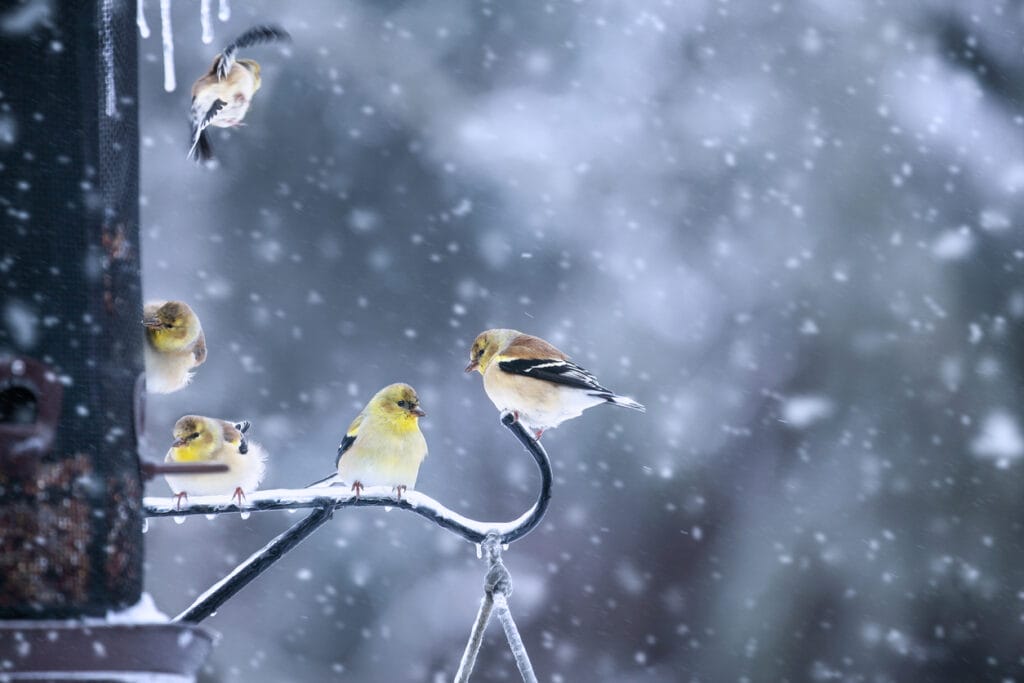
Winter Plumage: As winter approaches, both male and female Goldfinches adopt a more subdued, buffy-brown or grayish-brown plumage. The males lose their striking black cap and their bright yellow fades, making them much harder to distinguish from the females. This camouflage is thought to offer protection from predators during a time when food is scarce and visibility is often reduced. Juvenile birds also exhibit duller, earthier tones. The difficulty in differentiating sexes during winter highlights the importance of other attractants, such as feeders and water sources, for observation.
Expected Behaviors and Social Dynamics
Goldfinches are generally known for their somewhat nervous disposition, particularly around humans and larger birds. However, their attraction to a reliable food source often overrides this wariness. They are social birds and are typically comfortable in the company of other Goldfinches. During the non-breeding season, they often form flocks, which can lead to a flurry of activity at feeders. While these communal gatherings are common throughout the year, they are less likely to occur during the late summer breeding period when pairs are focused on nesting and raising young.
The Melodious Language of Goldfinches
The vocalizations of American Goldfinches are as characteristic as their appearance. Their songs are often described as a lively, rambling series of chirps and whistles, sometimes with a melodic, almost "per-chick-o-ree" cadence. They also employ shorter calls, including a distinctive "tee-yee" in flight.
When approaching a new food source, Goldfinches may exhibit a degree of caution, emitting nervous tweets and hovering before committing to feed. This initial hesitation is a natural response to unfamiliar stimuli. Their cheerful chatter during flight often signals their approach, allowing observers to anticipate their arrival even before they are visible.
Conclusion: Cultivating a Year-Round Birding Paradise
Attracting American Goldfinches to your backyard during the winter months is an achievable and rewarding endeavor for any bird enthusiast. By understanding their dietary preferences, providing appropriate feeders, incorporating native vegetation, ensuring a safe environment, and offering essential water sources, you can transform your yard into a welcoming sanctuary. The consistent presence of Goldfinches throughout the year, especially in regions where they are non-migratory, offers continuous opportunities for observation and enjoyment. The vibrant flash of yellow against the winter landscape is a testament to nature’s resilience and the effectiveness of thoughtful habitat management.
Frequently Asked Questions About American Goldfinches
What distinguishes an American Goldfinch from other "yellow finches"?
The term "yellow finch" can be broad, but in North America, the most commonly recognized bright yellow bird is the American Goldfinch. While the Yellow Warbler is also predominantly yellow, it typically displays reddish streaks on its breast and lacks the distinctive black cap found on breeding male Goldfinches. The American Goldfinch’s bright yellow plumage, particularly in males during the breeding season, is its most defining characteristic.
What is the typical lifespan of an American Goldfinch?
In the wild, the American Goldfinch has an average lifespan of approximately three to six years. However, with consistent access to food, water, and shelter, some individuals may live longer.
Are American Goldfinches always golden yellow?
No, the brilliant golden yellow plumage is primarily exhibited by adult males during the spring and summer breeding season as they seek mates. During the non-breeding season, and in females year-round, their coloration is a more muted, duller yellow or yellowish-green, often appearing more olive or brown. This seasonal variation is a fascinating aspect of their life cycle.

