


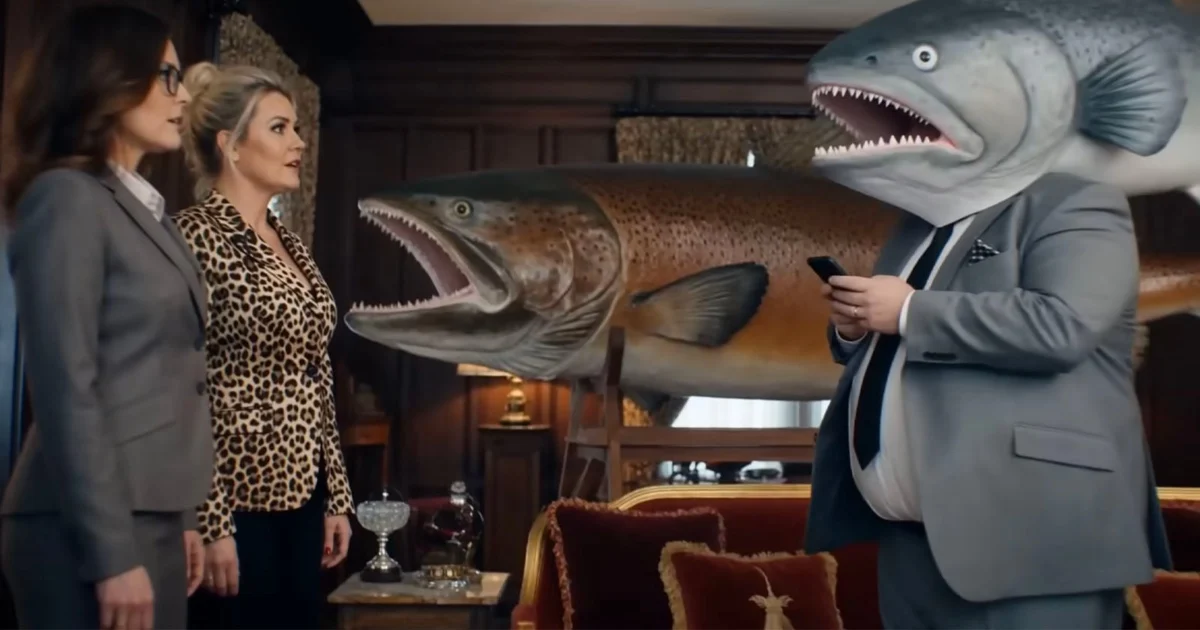
The digital asset giant Artlist has officially announced the launch of Artlist TV, a novel streaming service that distinguishes itself by hosting a library composed exclusively of content generated through artificial intelligence. Scheduled for a public debut on June 1, the platform represents a significant pivot for a company that built its reputation as a premier provider of royalty-free music, stock footage, and creative templates for human filmmakers. Artlist TV promises to offer a slate of original series and "cinematic stories" that aim to demonstrate the high-end capabilities of modern generative AI tools. According to the company, the platform is designed to showcase the creative potential inherent in its suite of AI-driven assets, moving beyond simple stock offerings into the realm of fully realized narrative entertainment.
The announcement has sent ripples through the digital media industry, marking one of the first instances where a major technology firm has attempted to package AI-generated video as a direct competitor to traditional streaming services like Netflix or Hulu. While the platform is marketed as a breakthrough in creative technology, it has immediately become a lightning rod for controversy within the professional filmmaking community. Critics argue that the move signals a shift away from supporting human creators toward a model that prioritizes automated "slop" over traditional craftsmanship.
A New Frontier in Narrative Content
Artlist TV is launching with a curated selection of shows that span multiple genres, each intended to highlight different facets of AI video generation, from character consistency to environmental rendering. The flagship production, "Terrible People," is described as a dark comedy centered on a chaotic public relations firm tasked with rehabilitating the reputations of the world’s most unlikable individuals. The show gained early notoriety when a massive billboard appeared in Los Angeles, signaling Artlist’s intent to compete for attention in the heart of the traditional entertainment industry.
Other titles in the initial lineup include "Deception," a mystery thriller involving a woman who vanishes during a high-stakes magic performance, and "The Sequence," a science-fiction drama exploring the psychological toll of a man experiencing memories that are not his own. These productions are produced internally by Artlist, utilizing the platform’s own proprietary AI tools, voiceover generators, and sound libraries. The goal, according to promotional materials, is to provide "premium creator content" that cannot be found elsewhere, effectively turning the platform into a living portfolio for what AI can achieve in a narrative format.
The Evolution of Artlist: From Stock Assets to AI Integration
The transition to a streaming platform for AI content is the latest step in Artlist’s decade-long evolution. Founded in 2016, the company initially focused on solving the licensing hurdles faced by independent creators by offering a subscription-based model for high-quality music. Over the years, Artlist expanded its ecosystem through organic growth and strategic acquisitions, including the purchase of the stock footage site Artgrid and the digital asset marketplace MotionArray.
By 2023, Artlist began aggressively integrating artificial intelligence into its workflow. In early 2024, the company launched a sophisticated AI voiceover generator, allowing users to convert text into natural-sounding narration using a library of synthetic voices. This pivot toward AI has been driven by a broader industry trend where generative technology is seen as the next frontier of "democratizing" content creation. With over 50 million users worldwide, Artlist’s shift carries significant weight, as it possesses one of the world’s largest datasets of licensed music and video—assets that are essential for training and refining generative models.
Industry Reaction and the "Cringe" Factor
Despite the technical ambition of Artlist TV, the reaction from the professional creative community has been overwhelmingly skeptical, if not outright hostile. Filmmaker Jakob Owens, a prominent figure in the digital cinematography space, voiced his frustration after seeing the "Terrible People" billboard in Los Angeles. In a widely shared social media post, Owens expressed exasperation at the concept of a platform populated entirely by synthetic content. "I say this with all due respect: I hope this fails miserably," Owens stated, echoing a sentiment shared by many who view generative AI as an existential threat to human creative vocations.
The criticism extends beyond the ethics of automation to the current quality of the content itself. Public reactions to the trailers for "Terrible People" and "The Sequence" on platforms like YouTube have highlighted the "uncanny valley" effect—a term used to describe the sense of unease felt by viewers when a digital representation of a human looks nearly, but not perfectly, real. Commenters have described the AI "acting" as stiff and the overall aesthetic as "cringe-worthy." One user noted that while the visual fidelity of AI-generated landscapes is improving, the emotional depth and nuanced movements of the characters remain a significant hurdle for the technology.
The Technical Infrastructure of Artlist TV
The production of shows for Artlist TV involves a complex pipeline of generative technologies. Unlike traditional filmmaking, which requires actors, sets, and cameras, these AI series are constructed using text-to-video and image-to-video models. These models analyze vast quantities of existing visual data to predict and generate new frames of video based on user prompts.
Artlist’s advantage in this space lies in its vertical integration. By using its own licensed music for scores and its AI voiceover tools for dialogue, the company can produce "content" at a fraction of the cost and time required for a traditional pilot episode. However, the technical limitations of 2024-era AI video are still apparent. Current models often struggle with temporal consistency—the ability to keep a character’s face or clothing exactly the same from one shot to the next—and physics-based movements, such as the way fabric folds or how liquids pour. Artlist TV appears to be an attempt to normalize these imperfections by framing them within the context of experimental "cinematic capabilities."
Market Implications and the Future of the Creator Economy
The launch of Artlist TV comes at a time when the global media landscape is grappling with the implications of generative AI. The 2023 Hollywood strikes by the Writers Guild of America (WGA) and the Screen Actors Guild (SAG-AFTRA) were driven in large part by concerns over AI replacing human labor. By launching a dedicated AI streaming service, Artlist is positioning itself at the center of this debate.
From a business perspective, Artlist TV serves as a proof-of-concept for the company’s enterprise tools. If Artlist can demonstrate that AI can carry a 20-minute narrative, it opens the door for advertising agencies, small businesses, and social media influencers to use Artlist’s tools to generate their own high-end video content without the need for traditional production crews. This "prosumer" market is where Artlist has traditionally found its greatest success.
However, the risk is the alienation of the very base that built the company. Many of the photographers, musicians, and cinematographers who contributed their work to Artlist and Artgrid in exchange for royalties now feel that their own contributions are being used to train the software that will eventually render their services obsolete. This tension highlights a growing divide in the creative industry between those who view AI as a tool for enhancement and those who view it as a tool for replacement.
Chronology of Artlist’s Shift Toward AI
- 2016: Artlist is founded as a royalty-free music subscription service for filmmakers.
- 2019: The company launches Artgrid, a high-end stock footage site.
- 2020: Artlist acquires MotionArray, expanding into templates, presets, and plugins.
- 2021: The company secures significant venture capital funding to expand its digital asset ecosystem.
- 2023: Artlist begins implementing AI-assisted search and curation features for its libraries.
- Early 2024: Artlist releases its AI voiceover generator, marking its first major foray into generative audio.
- May 2024: Teasers for "Terrible People" and other AI shows appear online; billboards are spotted in Los Angeles.
- June 1, 2024: Official launch of Artlist TV as a dedicated AI-generated content streaming platform.
Analysis of the AI Video Landscape
Artlist TV enters a market that is rapidly becoming crowded with generative video competitors. Companies like OpenAI, with its "Sora" model, and startups like Runway and Luma Labs, have demonstrated that high-fidelity video generation is no longer a distant dream. However, most of these companies have focused on providing tools for creators rather than becoming the platform for the content itself.
Artlist’s decision to become a "network" for AI content is a bold strategic move. It suggests that the company believes there is a viable audience for "AI-first" entertainment, or at the very least, that the marketing value of such a platform outweighs the potential backlash from the creative community. The success or failure of Artlist TV will likely serve as a bellwether for the industry. If "Terrible People" manages to find an audience despite its synthetic origins, it may embolden other tech firms to bypass human production entirely. If it fails due to the "cringe" factor or lack of emotional resonance, it may suggest that the "uncanny valley" remains a bridge too far for narrative storytelling.
As the June 1 launch date approaches, the industry remains divided. For some, Artlist TV is the inevitable next step in the evolution of media—a world where stories are limited only by imagination rather than budget. For others, it is a cautionary tale of a company losing sight of the human artistry that made it successful in the first place. Regardless of the outcome, Artlist TV has ensured that the conversation around AI in entertainment is no longer about "if" it will happen, but how the public will react now that it has arrived.

