


Ensuring a varied and nutritionally complete diet is paramount for the health and longevity of budgerigar parakeets, commonly known as budgies. While commercial budgie seed mixes and pellets form the foundation of their diet, supplementing with a diverse range of fresh, whole foods from the human pantry is essential for optimal well-being. This article delves into an extensive list of household items that are safe and beneficial for budgies, alongside a critical overview of foods that must be strictly avoided due to their toxic or detrimental effects.
Understanding Budgie Nutrition: From Wild Origins to Domestic Care
The dietary requirements of budgies are deeply rooted in their natural habitat. Originating from the arid grasslands of Australia, wild budgies primarily subsist on grass seeds, consuming them at various stages of ripeness, along with occasional insects and green vegetation. This natural diet, rich in diverse nutrients and fiber, starkly contrasts with the often-monotonous, high-fat, low-nutrient seed mixes historically provided to pet birds. Modern avian veterinary science now advocates for a diet comprising 70-80% high-quality pellets, specifically formulated to meet their nutritional needs, complemented by 20-30% fresh fruits, vegetables, and a small amount of carefully selected healthy human foods. This balanced approach helps prevent common pet bird ailments such as obesity, liver disease, and vitamin deficiencies.
The evolution of understanding avian nutrition has been significant. Decades ago, an all-seed diet was considered standard, leading to widespread health issues among pet birds. Research into the specific micronutrient requirements of psittacine species, coupled with analyses of their wild diets, has revolutionized pet bird care. Today, responsible budgie ownership emphasizes a diet that mirrors the complexity and nutritional richness of their wild counterparts, adapted for a captive environment. This includes providing a spectrum of textures, flavors, and foraging opportunities to stimulate their minds and bodies. The scientific community’s increased focus on species-specific dietary needs has led to the development of more sophisticated commercial diets and a clearer understanding of safe and beneficial supplements from human food sources.
Essential Dietary Principles for Budgie Owners
Before introducing any new food, budgie owners must adhere to several core principles. Firstly, natural, single-ingredient foods are always preferable. Highly processed human foods, laden with excessive salt, sugar, unhealthy fats, artificial colors, and preservatives, are universally unsuitable and potentially harmful. Secondly, portion control is crucial, especially for high-fat items, to prevent obesity. Budgies have high metabolisms but are small creatures, meaning even a tiny amount of an unsuitable food can have a significant impact. Lastly, hygiene is paramount; all fresh produce should be thoroughly washed to remove pesticides and contaminants, and uneaten fresh foods should be removed from the cage promptly to prevent spoilage and bacterial growth. Any new food should be introduced gradually, allowing the bird to acclimate and the owner to monitor for any adverse reactions.
Safe Snacks from Your Pantry: An Extensive Guide
Many common household staples can provide excellent nutritional enrichment for your budgie. These items, when offered in moderation and prepared appropriately, can enhance their diet with essential vitamins, minerals, fiber, and protein.
Grains, Seeds, and Legumes:
- Rolled Oats (and Steel-Cut Oats): A fantastic source of complex carbohydrates and fiber, supporting digestive health and sustained energy. They can be offered plain, dry, or soaked in water. Unsweetened nut milk (like almond milk) can also be used for soaking, though owners should be mindful of potential stickiness around the beak.
- Quinoa: This ancient grain, a member of the Amaranth family, is a complete protein and rich in various micronutrients, including magnesium and iron. Both cooked and uncooked quinoa (white, red, or black) are safe and highly beneficial. It can be sprinkled into their regular food or offered in a separate dish.
- Pasta: Plain, cooked, unsalted pasta, especially whole-wheat varieties, can be a fun and safe treat. Dry pasta can also serve as an engaging edible toy, encouraging natural chewing and foraging behaviors. Lentil, corn, or pea-based pastas are also acceptable alternatives, offering diverse nutrients.
- Chia Seeds: Despite their Mexican origin, these tiny seeds are a nutritional powerhouse, packed with Omega-3 fatty acids, fiber, and antioxidants. A small sprinkle (about 1/4 teaspoon) can be added to their food bowl daily. They can also be offered soaked in water as a pudding, though many budgies enjoy them dry.
- Hemp Seeds: Often found in commercial bird seed mixes, hemp seeds are rich in Omega-3 fatty acids and protein. They are safe and beneficial, free of psychoactive components. These provide a good source of healthy fats important for feather health.
- Sunflower Seeds: While often a favorite, these should be offered as an occasional treat due to their high fat content. Only unsalted, raw or roasted sunflower seeds are suitable. They are excellent for training or as a foraging reward, but their inclusion in daily seed mixes should be minimal to prevent obesity.
- Pumpkin Seeds: Similar to sunflower seeds, pumpkin seeds are high in fat and should be given sparingly. They must be unsalted. Due to their larger size, budgies might need assistance shelling them; offering half a seed at a time is recommended to prevent choking.
- Bread: Whole-wheat bread, free from excessive sugar, salt, or fats, can be offered in very small pieces as an occasional treat. Processed white bread or sugary brioche should be avoided. Any seeds on top, like sesame or poppy, are also safe.
Proteins and Dairy Alternatives:
- Boiled Eggs: A superb source of complete protein, essential amino acids, and vital vitamins (like B12 and D), especially beneficial for laying hens who require extra nutrients for egg production. Plain boiled eggs, scrambled eggs (without oil or salt), or even the finely crushed shell (for calcium) can be offered.
- Chicken: Plain, cooked chicken breast or thigh, unseasoned and without oil, can be offered in tiny pieces. While not a primary dietary component, it can provide a protein boost, particularly for birds under stress, recovering from illness, or those requiring extra nutritional support.
- Natural Peanut Butter: Choose natural varieties containing only peanuts and a tiny amount of salt, avoiding those with added sugar or hydrogenated oils. Due to its high fat content, it’s an occasional treat. Peanut butter can also be strategically smeared on new toys or perches to encourage exploration and reduce neophobia in budgies, making new items more appealing.
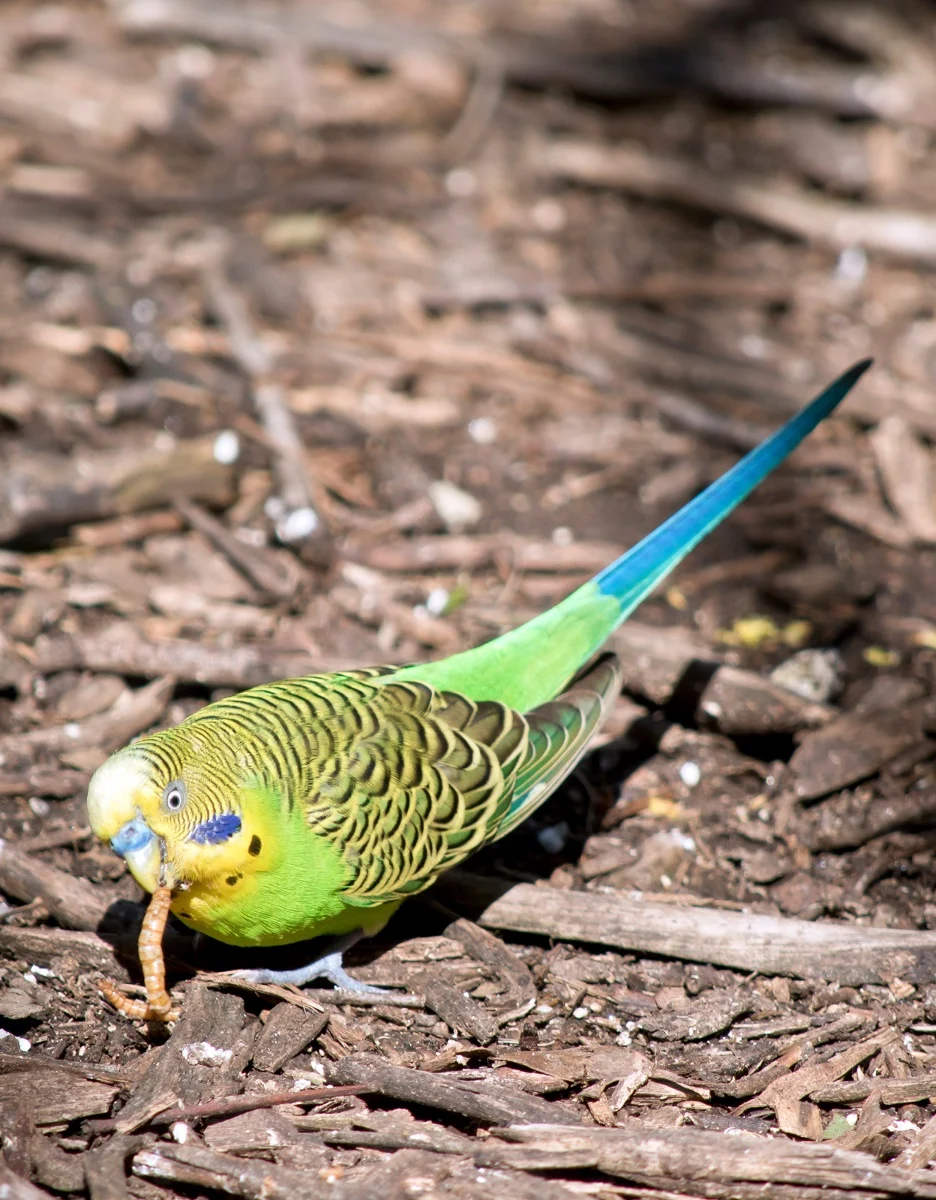
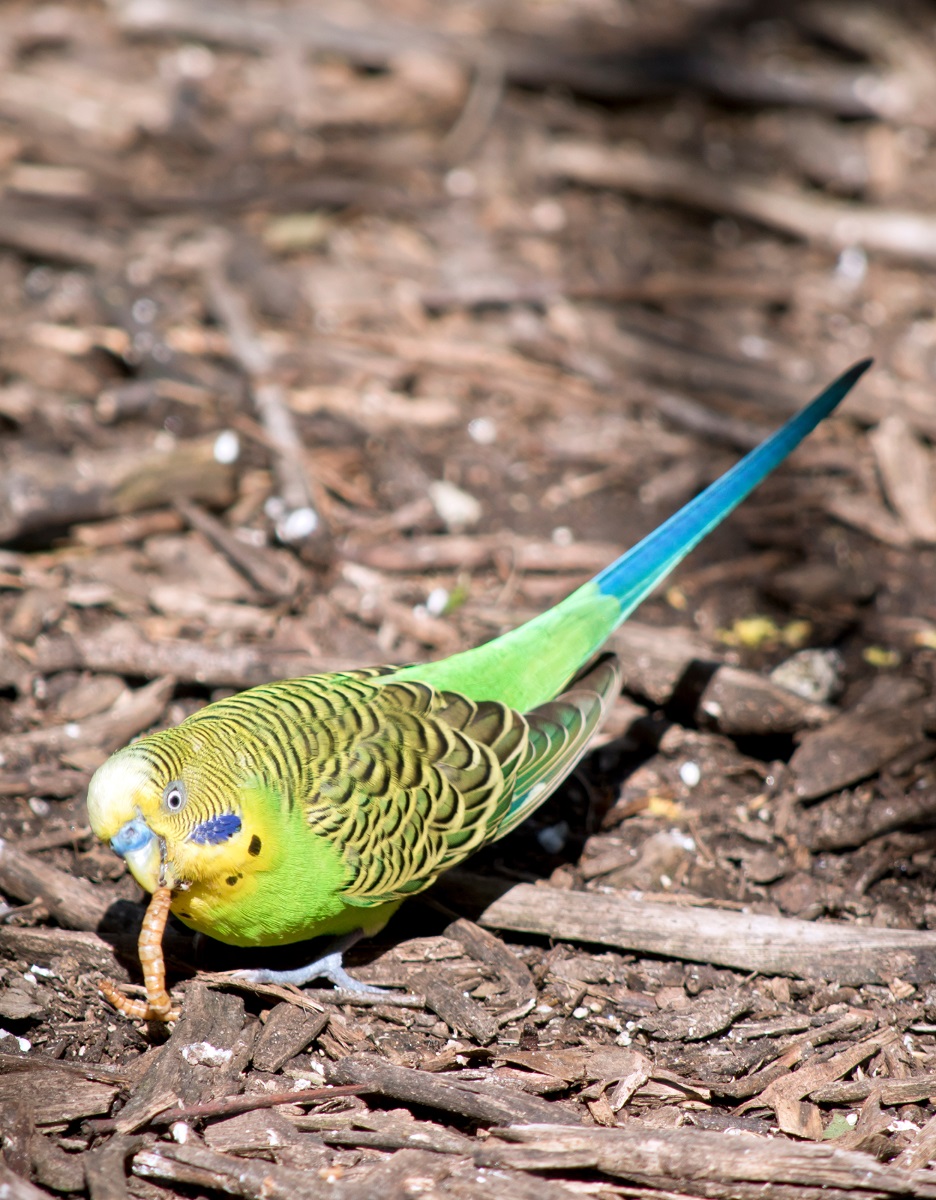
- Mealworms: As wild budgies consume insects, captive birds can enjoy an occasional mealworm. These provide a natural source of protein and can be a form of enrichment, tapping into their natural foraging instincts.
Nuts (in moderation):
- Almonds: Unsalted and unflavored almonds are safe in very small quantities. A quarter of an almond, chopped into tiny bits, is sufficient. Sprouting almonds can enhance their nutritional value by increasing enzyme activity and making nutrients more bioavailable.
- Cashews: Like almonds, cashews should be unsalted, unflavored, and offered sparingly due to their high fat content. Roasted cashews are acceptable, but never give them salted or honey-roasted varieties.
- Pine Nuts: These are also safe for budgies under the same conditions: very small amounts and strictly unsalted. They offer healthy fats and some vitamins.
- Peanuts: Human-grade, unsalted peanuts are safe in small amounts. Concerns about aspergillosis (a fungal disease) are primarily linked to improperly stored, low-quality peanuts in the shell. Offering them in a slightly opened shell can encourage natural foraging behavior and mental stimulation.
Fresh Produce and Other Wholesome Additions:
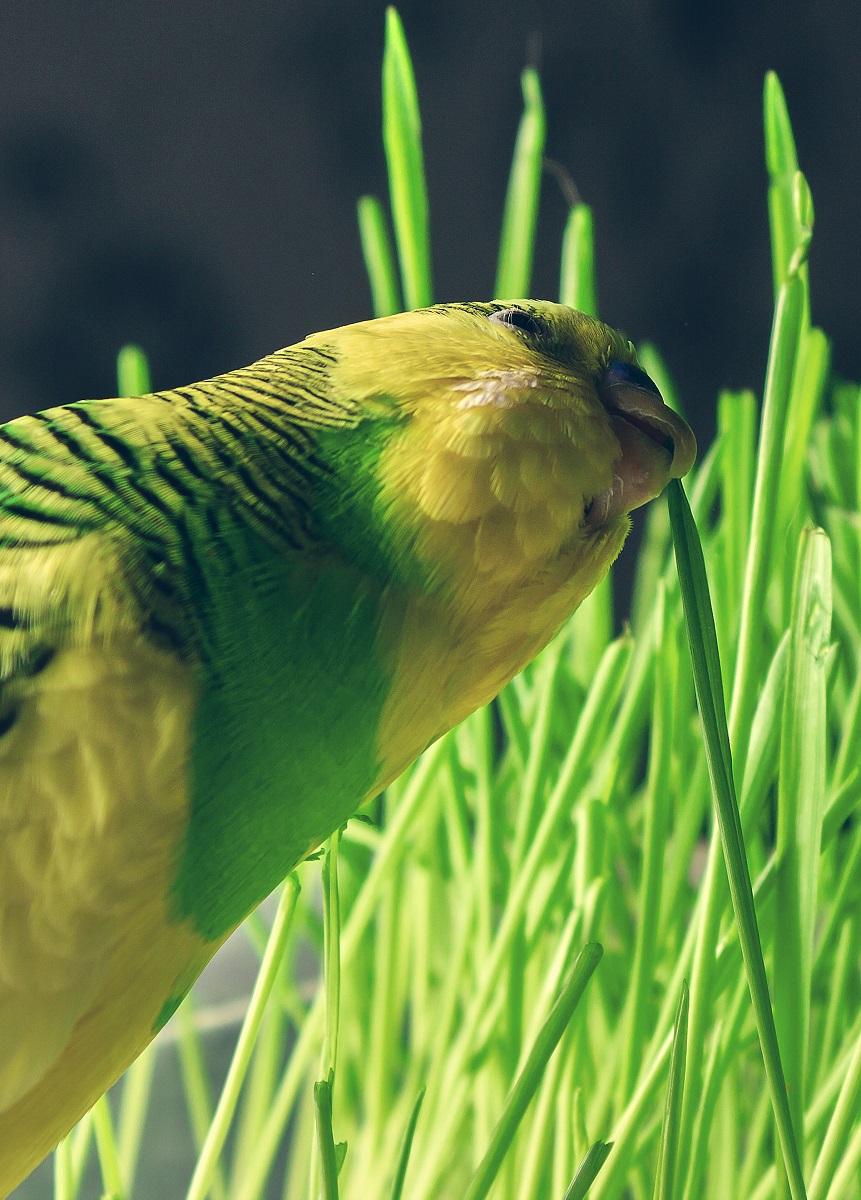
- Wheatgrass: An excellent source of green leafy nutrients, wheatgrass can be a regular part of a budgie’s diet. Both the seeds and sprouted wheatgrass are suitable. It’s best to offer it sprouted through a mesh to prevent ingestion of soil, which can harbor unhealthy additives, mold, or bacteria.
- Popcorn: Plain, air-popped popcorn, without butter, salt, or sugar, is a safe and enjoyable treat. Its texture is often appealing to budgies, and it can be used in homemade edible toys, providing both nutrition and entertainment.
- Cheerios (Plain): While containing some sugar and salt, plain, unsweetened Cheerios are relatively benign compared to other cereals. Half a cheerio as an occasional treat is generally acceptable, but it should not be a daily offering due to its processed nature.
- Dried Fruit (Unsweetened): Only offer dried fruit that is free of added sugars, sulfites, or other preservatives. If you have a dehydrator, homemade dried fruit is ideal. Remember that natural sugars become highly concentrated in dried fruit, so offer sparingly to prevent excessive sugar intake.
- Common Fruits and Vegetables: While not explicitly detailed for every item, it’s crucial to mention that a wide array of fresh fruits and vegetables are cornerstones of a healthy budgie diet. These include leafy greens (kale, collard greens, romaine lettuce, spinach in moderation due to oxalates), carrots, bell peppers (all colors), broccoli, apples (seeds removed), berries (blueberries, raspberries), melon, and citrus fruits. Always introduce new items gradually and observe your budgie’s reaction to ensure acceptance and no digestive upset.
The Forbidden Feast: Foods That Pose a Threat
Just as there are beneficial foods, there are many common human foods that are toxic or highly detrimental to budgie health. Owners must be vigilant to prevent their birds from accessing these items.
Highly Toxic Substances:
- Avocado: This is one of the most dangerously toxic foods for budgies and many other pets. Avocados contain persin, a fungicidal toxin that can cause respiratory distress, heart damage, weakness, and even sudden death, particularly in small birds like budgies due to their high sensitivity and small body mass. Immediate veterinary attention is required if ingestion is suspected.
- Chocolate: Containing both theobromine and caffeine, chocolate is highly toxic to budgies. These compounds act as stimulants and can cause severe symptoms, including hyperactivity, tremors, seizures, and cardiac arrest. Any chocolate ingestion warrants an emergency call to an avian veterinarian.
- Honey and Corn Syrup: While appearing natural, honey can contain botulism bacteria (Clostridium botulinum spores), which produce a deadly toxin. Similar to the warnings for infants, honey should never be given to budgies. Moreover, its high sugar content is wholly unsuitable for their delicate digestive systems.
- Alcohol, Coffee, and Tea: These beverages contain compounds (ethanol, caffeine, theobromine) that are highly toxic to budgies, affecting their nervous and cardiovascular systems. Even small amounts can be fatal. Herbal teas (tisanes) made with safe herbs like chamomile are generally acceptable, but ensure they are unsweetened and cooled.
- Onions and Garlic: These alliums contain sulfur compounds (thiosulphates) that can cause hemolytic anemia in birds, damaging red blood cells and leading to weakness and respiratory distress. Both raw and cooked forms should be avoided.
- Apple Seeds: Apple seeds contain cyanogenic glycosides, which release cyanide when digested. While the fruit itself is safe and healthy (when peeled and cored), the seeds must always be removed.
- Xylitol: This artificial sweetener, found in many sugar-free products (gum, candies, some peanut butter), is highly toxic to many animals, including birds, causing rapid blood sugar drops, weakness, and potentially liver failure.
Processed Perils:
- Chips (Potato and Corn): These are notorious for their high content of salt, unhealthy fats, artificial flavorings, and preservatives. None of these ingredients are appropriate for a budgie’s delicate system and can lead to kidney issues, obesity, and other metabolic health problems.
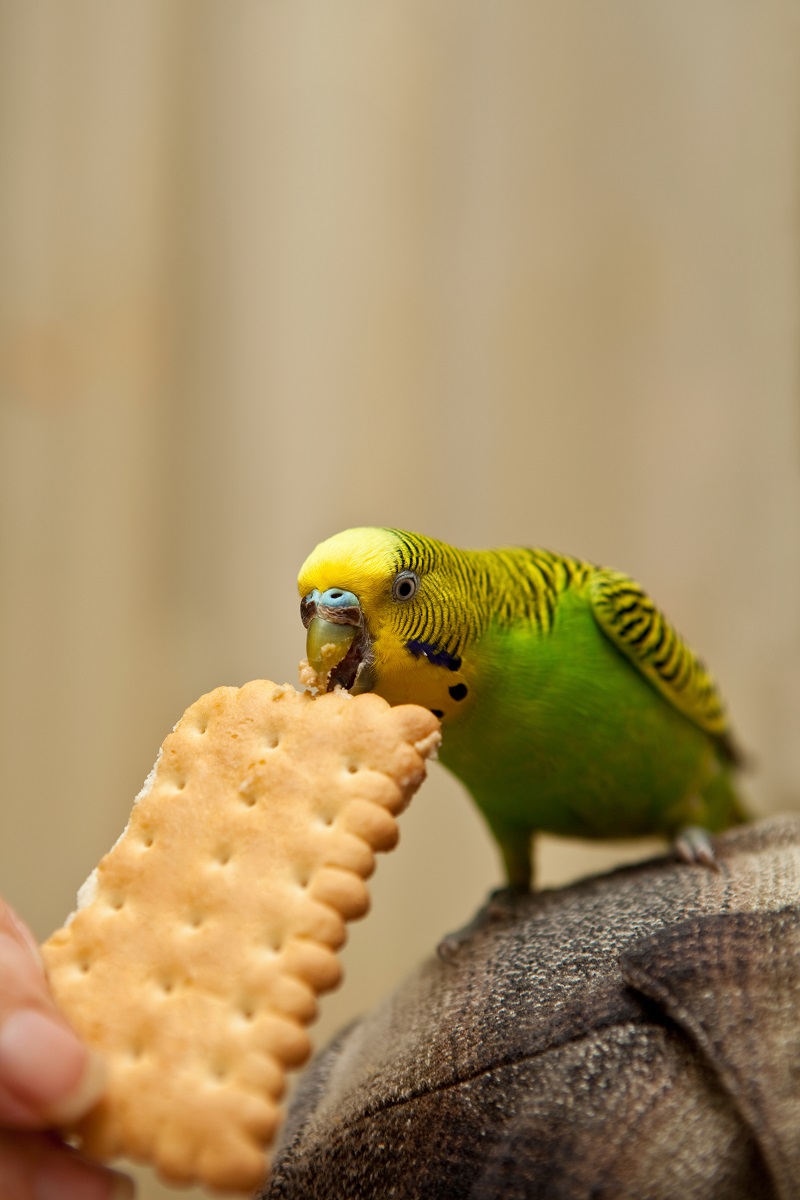
- Biscuits (Cookies/Crackers): Whether referring to savory crackers or sweet cookies, these items are typically high in refined sugars, unhealthy fats, and salt. While a tiny crumb might not be immediately fatal, regular consumption will contribute to poor health outcomes, including diabetes and cardiovascular disease.
- Processed Snacks: This category encompasses virtually all human junk food—pizza, candies, pastries, fried foods, etc. Their chemical additives, high sugar, fat, and salt content make them entirely unsuitable and dangerous for budgies.
Dairy and High-Fat Traps:
- Ice Cream: Budgies, like most birds, are lactose intolerant, lacking the enzymes to properly digest lactose. Ingesting dairy products like ice cream will cause digestive upset, diarrhea, and discomfort. Furthermore, ice cream is excessively high in sugar and unhealthy fats, making it a triple threat to their health.
- Cheese: While some harder cheeses have lower lactose levels due to the aging process, most dairy products, including cheese, are problematic for budgies. They are also typically high in fat and salt, contributing to obesity and kidney strain. It is best to avoid offering cheese altogether to prevent digestive issues and long-term health complications.
- Aloe Vera Plant Leaves: While the clear gel inside Aloe vera leaves is sometimes used topically, the outer green leaves contain aloin, a yellowish compound with a strong laxative effect. Ingesting the leaves can cause severe gastrointestinal distress and dehydration in budgies.
Expert Recommendations and Avian Veterinary Insights
Avian veterinarians consistently emphasize that diet is the cornerstone of a budgie’s health. Dr. Eleanor Vance, a certified avian veterinarian with extensive experience, states, "A diverse diet not only provides essential nutrients but also offers mental stimulation. Foraging for different textures and tastes keeps budgies engaged and prevents boredom-related behaviors often seen in birds on monotonous diets." She further advises, "Always introduce new foods gradually and in small amounts. Observe your bird for any adverse reactions, such as changes in droppings or behavior, and consult your vet if concerns arise."
The consensus among experts is that a high-quality pelleted diet should

