


Virginia, a state celebrated for its breathtaking landscapes and rich cultural tapestry, also harbors a remarkable avian population, with woodpeckers being a particularly captivating group for bird enthusiasts. These resilient birds, known for their distinctive drumming and arboreal lifestyle, showcase a fascinating diversity in appearance, size, and ecological niche. This article delves into the lives of eight of the most commonly encountered woodpecker species in Virginia, offering detailed insights into their identification, habitats, behaviors, and conservation status, providing a comprehensive guide for both seasoned ornithologists and casual observers alike.
The Drumbeats of Virginia: An Overview of Common Woodpeckers
Virginia’s woodlands, from the Appalachian Mountains to the coastal plains, provide a varied mosaic of habitats that support a robust diversity of woodpecker species. These birds play a crucial role in forest ecosystems, acting as natural pest controllers and creating cavities that benefit numerous other species. Understanding the unique characteristics of each woodpecker can enhance our appreciation for their presence and inform conservation efforts.
1. Red-Cockaded Woodpecker: A Jewel of the Longleaf Pine Ecosystem
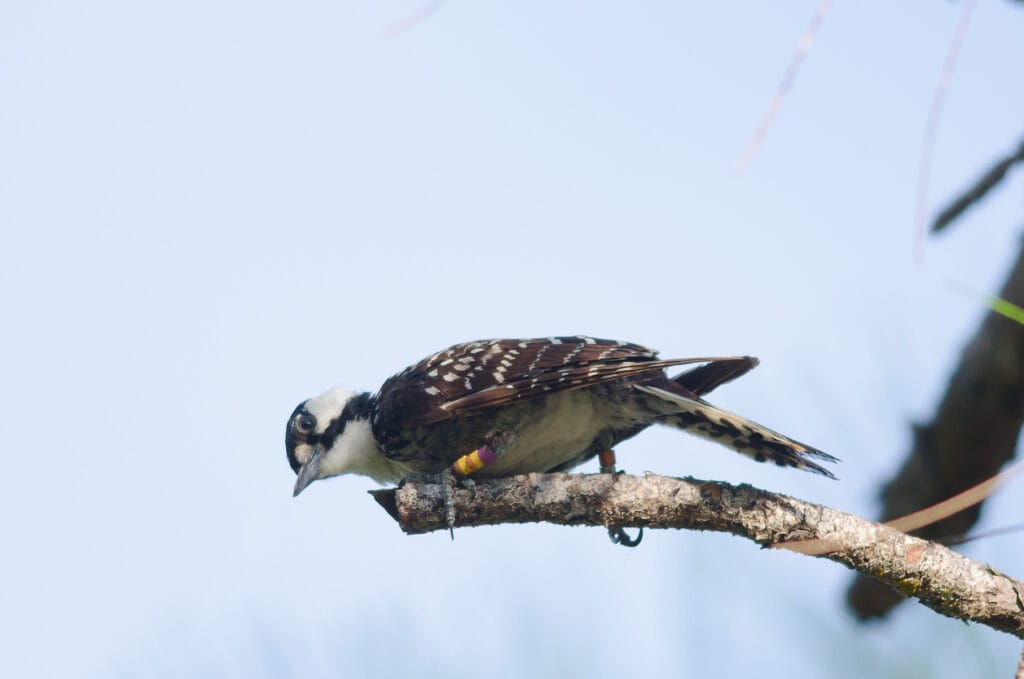
The Red-Cockaded Woodpecker (Picoides borealis) is a species of significant conservation concern, primarily found in the mature longleaf pine forests of the southeastern United States, including pockets within Virginia. Despite its name, the "red" coloration is subtle, often appearing as a small, reddish streak on the side of the male’s black cap, which can be difficult to spot. Distinguishing features include their striking black cap, white cheeks, and a distinctive pattern of black and white bars on their backs. Juvenile birds may exhibit a reddish spot in the center of their crown.
Identification: Adult males possess a barely visible red spot on the side of their black cap, while females lack this marking. Juveniles often display a reddish patch on the center of their head. They typically measure between 7.9 to 9.1 inches in length, with a wingspan of 13 to 16 inches, and weigh approximately 1.5 to 1.8 ounces.
Habitat and Ecology: Historically, Red-Cockaded Woodpeckers relied on old-growth pine forests with open understories, where natural fire cycles maintained suitable conditions. Their reliance on living pine trees, particularly longleaf pines, for excavating roosting and nesting cavities is a defining characteristic. These birds excavate their unique "resin wells" in living trees, creating a barrier of sticky pine sap that deters predators.
Conservation Status and Challenges: This species has faced severe population declines, plummeting from an estimated 1.5 million individuals to around 10,000. Habitat loss due to deforestation, fire suppression (which alters forest structure and reduces the availability of mature pines), and competition for nesting sites have been major contributors to their endangered status. Significant conservation efforts, including prescribed burning to restore longleaf pine ecosystems and the installation of artificial nest cavities, are underway to aid their recovery. Their diet consists primarily of insects and arthropods, such as ants and beetles, supplemented by occasional fruits and seeds.
2. Red-Headed Woodpecker: A Striking Spectacle of Color
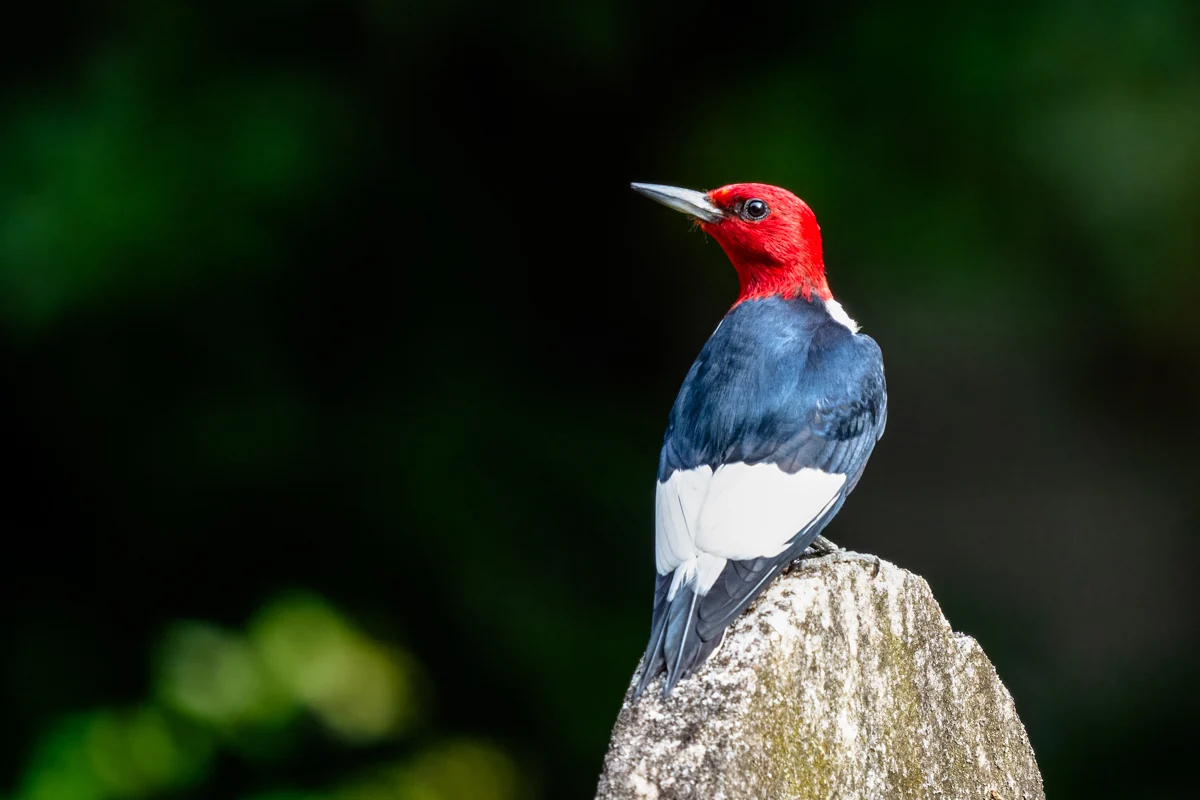
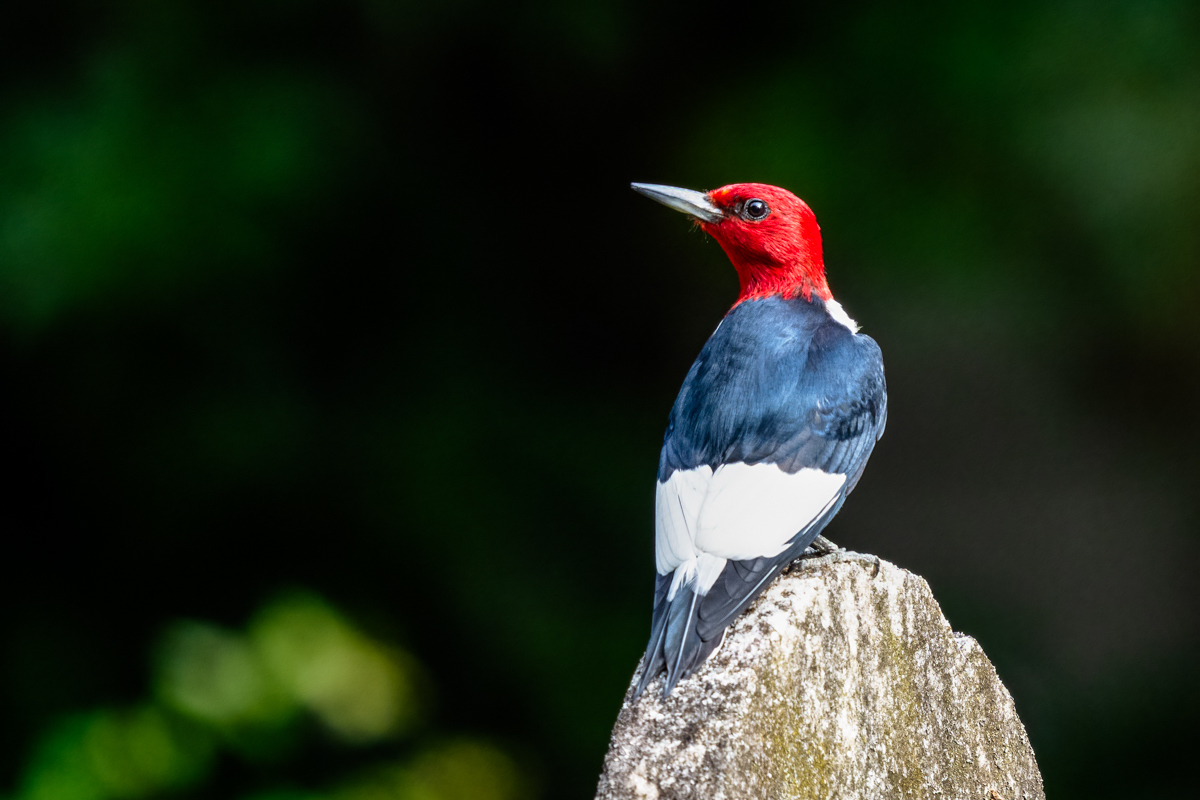
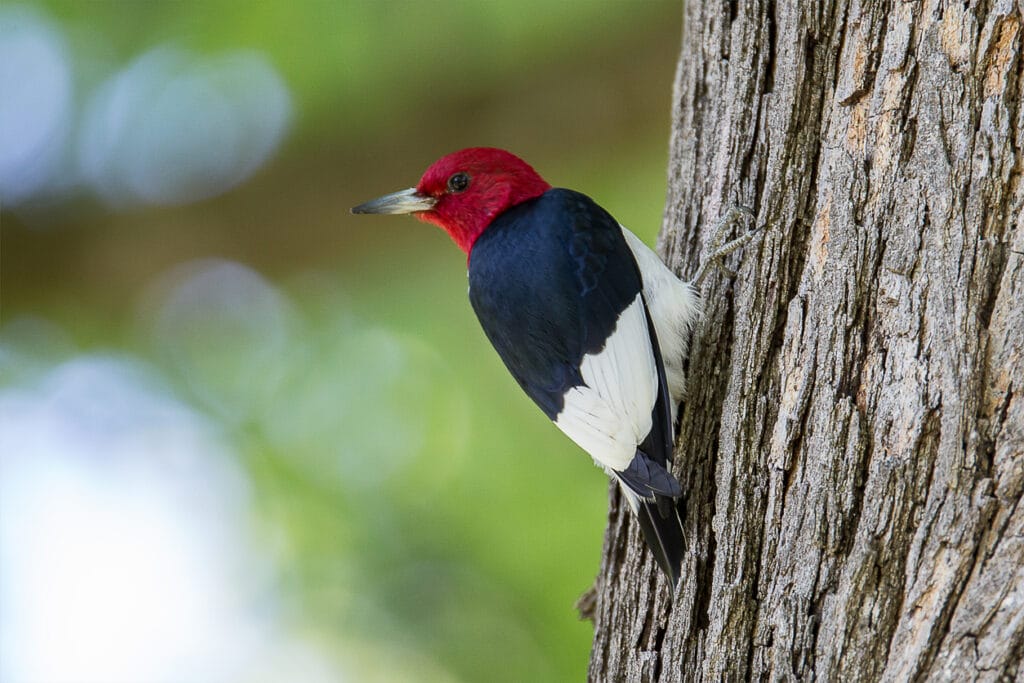
The Red-headed Woodpecker (Melanerpes erythrocephalus) is one of the most visually arresting woodpeckers, easily identifiable by its entirely red head, contrasting sharply with its black wings that feature bold white patches and bars, and a clean white belly. Immature birds are born with brown heads, which gradually transform to the characteristic red as they mature.
Identification: The most prominent feature is the uniformly red head. The body plumage is a striking combination of black wings with white secondary feathers and a white underside. They measure between 7.5 to 9.8 inches in length, with a wingspan of 16.5 to 16.7 inches, and weigh between 2 to 3.2 ounces.
Habitat and Behavior: These woodpeckers are often found in open woodlands, forest edges, orchards, and areas with a significant number of dead trees. Dead trees are crucial for their nesting habits, as they excavate cavities within them. While both male and female Red-headed Woodpeckers participate in nest building and incubation, males tend to undertake more of the drilling and nocturnal incubation duties. Their diet is diverse, including insects like beetles and grasshoppers, as well as fruits, seeds, and nuts.
Conservation Concerns: A decline in the availability of dead trees, often removed by landowners for aesthetic reasons, has severely impacted nesting sites. This scarcity leads to increased competition with other bird species for suitable cavities, contributing to a decrease in their population.
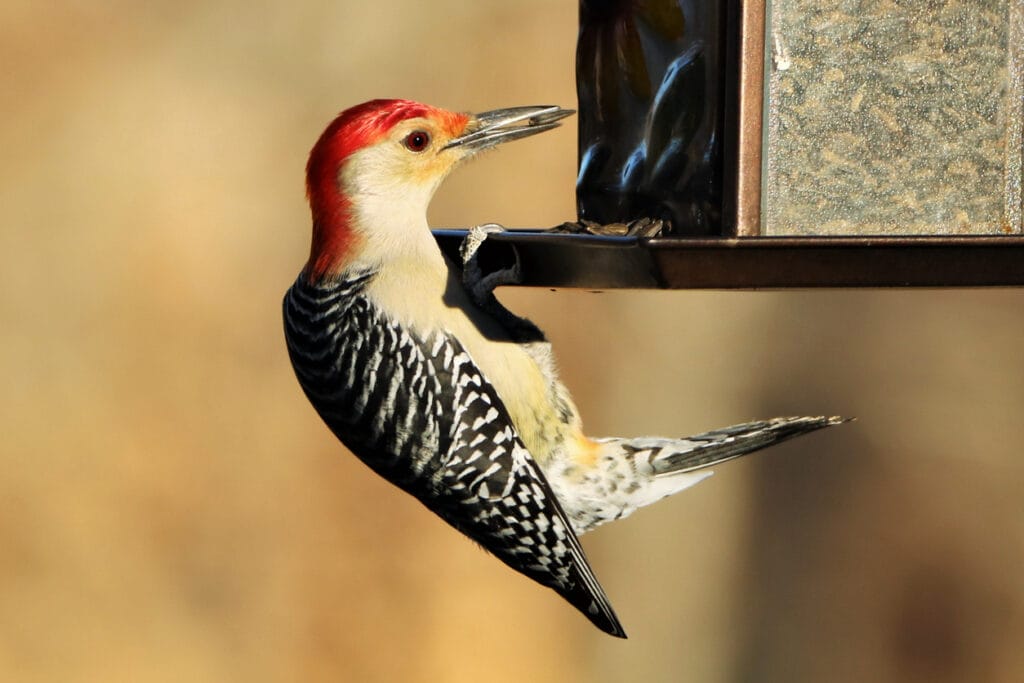
3. Red-Bellied Woodpecker: An Adaptable Woodland Resident
Often confused with its red-headed cousin, the Red-bellied Woodpecker (Melanerpes carolinus) presents a different, yet equally fascinating, set of characteristics. Contrary to its name, its most striking red coloration is not on its head but rather a vibrant wash across its nape and extending down its back. A faint reddish-orange hue can sometimes be observed on its belly, particularly in males. Their backs are marked with a distinctive black and white barring pattern.
Identification: Key identifiers include the red coloration on the nape and back, contrasting with black and white barring on the back. Males exhibit a more extensive red wash from the forehead to the nape, while females typically have red only on the nape and a touch above the bill. Their size ranges from 9 to 10.5 inches in length, with a wingspan of 13 to 16.5 inches, and they weigh between 2 to 3.2 ounces.
Habitat and Adaptability: Red-bellied Woodpeckers are highly adaptable and can be found in various woodland types, including hardwood forests, pine-hardwood mixtures, and pine flatwoods. Their flexible habitat requirements and opportunistic feeding habits have contributed to their successful expansion and increasing population numbers in recent years, reflected in a Continental Concern Score of 7/20. They forage for invertebrates such as flies, ants, and caterpillars, alongside fruits, nuts, and seeds.
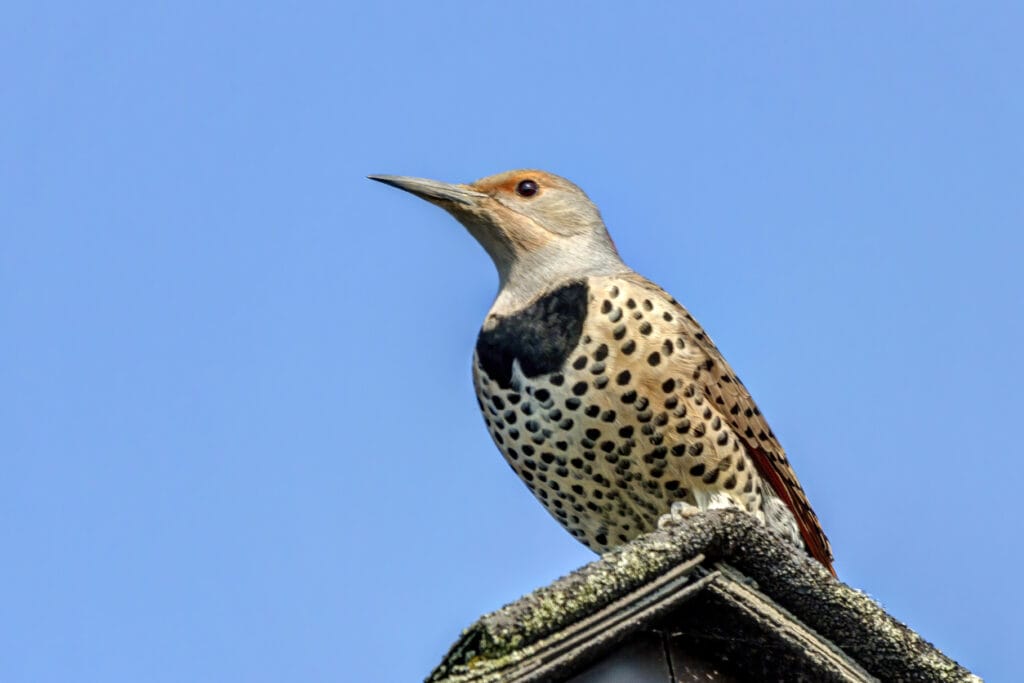
4. Northern Flicker: A Ground-Foraging Specialist
The Northern Flicker (Colaptes auratus) stands out from many other woodpeckers due to its unique plumage and foraging behavior. Typically exhibiting brown feathers with distinctive black spotting on their underparts and barring on their backs, they possess a more varied color palette. In Virginia, the Yellow-shafted Flicker subspecies is most common.
Identification: The Yellow-shafted Flicker is characterized by a brown face and throat, a gray upper head, and a distinct red patch on the nape. Males can be identified by a prominent black "mustache" mark on their cheeks, which is absent in females. Both sexes share yellow shafts on their flight feathers. They are larger woodpeckers, measuring 11 to 14 inches in length, with a wingspan of 16.5 to 20.1 inches, and weighing 3.9 to 5.6 ounces.
Habitat and Diet: Northern Flickers are often found in open spaces with scattered trees, including parks, groves, and forest edges. Uniquely among woodpeckers on this list, they frequently forage on the ground, expertly locating ants, beetles, and caterpillars. Their diet also includes fruits, seeds, and nuts. Their tendency to forage on the ground means they can sometimes be startled by passing humans.
Population Trends: While not facing immediate endangerment, Northern Flicker populations have seen a decline, largely attributed to habitat loss and human development. They hold a Continental Concern Score of 10/20, indicating a need for monitoring.
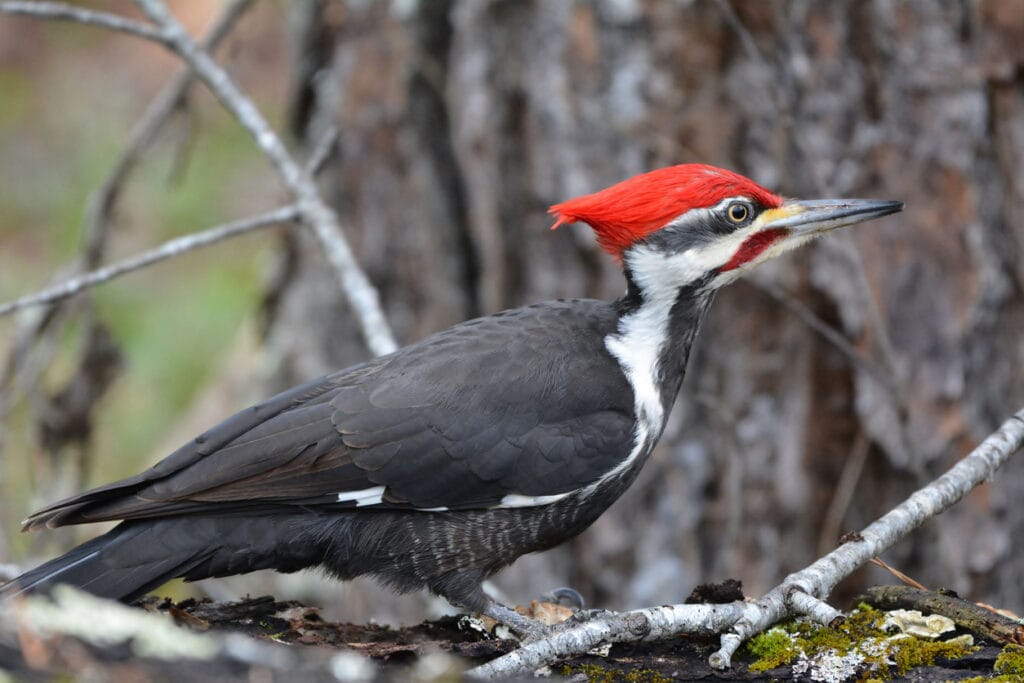
5. Pileated Woodpecker: The Giant of the Forest
The Pileated Woodpecker (Dryocopus pileatus) is the largest woodpecker species found in Virginia, a truly impressive bird that commands attention with its striking appearance and powerful presence. Its plumage is predominantly black, accented by a bold white stripe running along the cheeks and throat. The most defining features are its brilliant red crest and a prominent red mustache.
Identification: The vivid red crest is the most distinguishing mark, along with a red mustache. Females share similar plumage but typically have a black mustache and a shorter crest. They are substantial birds, measuring 15.8 to 19.3 inches in length, with an impressive wingspan of 26 to 29.5 inches, and weighing between 8.8 to 12.3 ounces.
Habitat and Behavior: Pileated Woodpeckers inhabit deciduous forests, including maple forests and cypress swamps, as well as suburban areas and parks that contain large, mature trees. They are particularly drawn to dead or decaying trees for both nesting and foraging. Their diet focuses heavily on insects, especially carpenter ants, along with larvae, caterpillars, nuts, and fruits.
Conservation Status: While not currently classified as endangered, their reliance on large, mature, and often dead trees makes them vulnerable to habitat disturbance and logging practices. They possess a Continental Concern Score of 7/20.
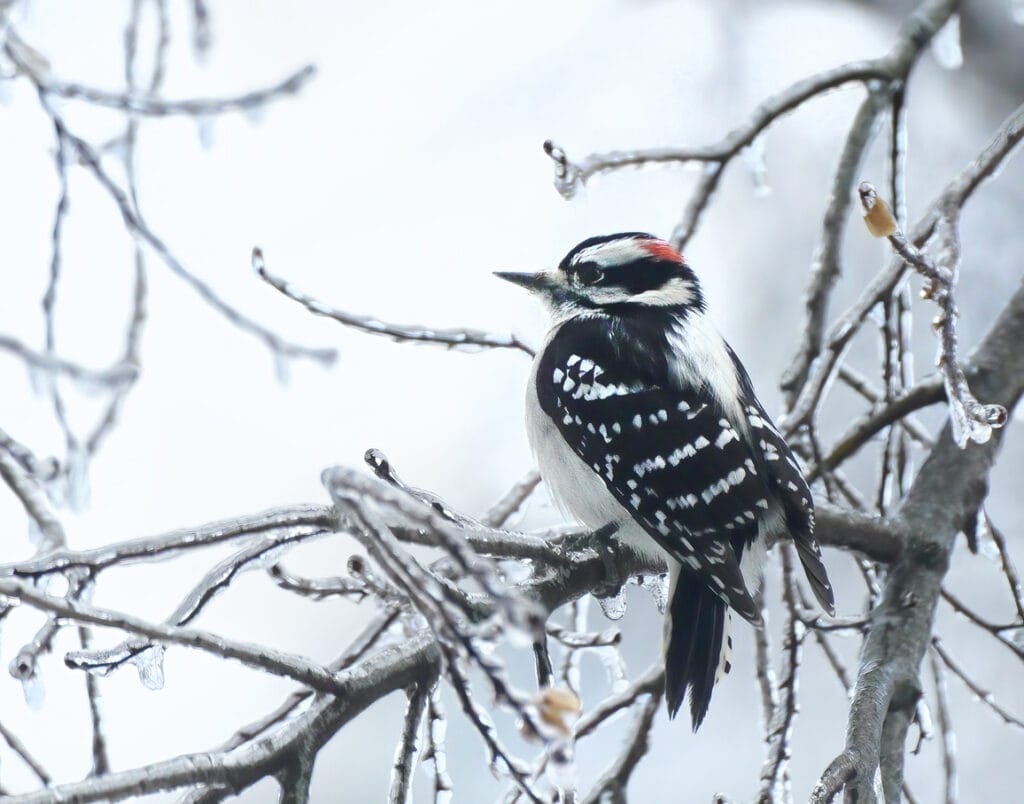
6. Downy Woodpecker: The Smallest, Yet Ubiquitous
The Downy Woodpecker (Dryobates pubescens) is the smallest woodpecker species in North America and a familiar sight in Virginia’s woodlands, parks, and even suburban backyards. They exhibit the classic black and white plumage characteristic of many woodpeckers.
Identification: Downy Woodpeckers have black wings with white spots, a black head, and a black back marked by prominent white stripes. Males are distinguished by a small red patch on the back of their head, absent in females. They are diminutive birds, measuring 5.5 to 6.7 inches in length, with a wingspan of 9.8 to 11.8 inches, and weighing a mere 0.7 to 1 ounce. Their small size can sometimes make them challenging to spot.
Habitat and Diet: These adaptable birds frequent deciduous woods, forest edges, clearings, parks, orchards, and suburban gardens. They are often attracted to suet feeders. Their diet consists mainly of insects such as ants, caterpillars, and beetles, supplemented by fruits and seeds, including berries and grain.
Conservation Status: With an estimated population of 13 to 14 million, the Downy Woodpecker is classified as "Least Concern" by the IUCN Red List, indicating a stable and healthy population with no immediate conservation threats.
7. Hairy Woodpecker: The Larger Cousin
The Hairy Woodpecker (Dryobates villosus) bears a striking resemblance to the Downy Woodpecker, often leading to confusion. However, several key differences can help distinguish these two species.
Identification: Both species share black wings with white spots, black heads with white cheeks, and a red patch on the male’s head. The primary distinguishing factor is size: Hairy Woodpeckers are significantly larger, measuring 7.1 to 10.2 inches in length, compared to the Downy Woodpecker’s 5.5 to 6.7 inches. Another crucial difference is bill length; a Hairy Woodpecker’s bill is nearly as long as its head, whereas a Downy Woodpecker’s bill is noticeably shorter. Furthermore, Hairy Woodpeckers have plain white outer tail feathers, while Downy Woodpeckers exhibit black barring on theirs. Males possess a red spot on their upper heads, while females do not. They weigh between 1.4 to 3.4 ounces, with a wingspan of 13 to 16.1 inches.
Habitat and Diet: Hairy Woodpeckers prefer deciduous forests with large trees, but they can also be found in burned forests, orchards, and suburban areas. Their diet primarily consists of insects, with a particular focus on the larvae of bark beetles and wood-boring beetles. They also consume ants, caterpillars, fruits, and nuts.
Conservation Status: With a Continental Concern Score of 6/20 and an estimated population of 9 million, Hairy Woodpeckers are generally considered to be in a stable and healthy condition.
8. Yellow-Bellied Sapsucker: The Sap Drinker
The Yellow-bellied Sapsucker (Sphyrapicus varius) presents a unique feeding strategy among woodpeckers, drilling small holes in tree trunks to consume sap. Their plumage is characterized by a white belly with a subtle yellow wash, and black backs, wings, and tails marked by white barring. Distinctive features include red crests and white stripes that frame their faces.
Identification: The most striking features are the red crests and the white facial stripes. The throat coloration differs between sexes: males have a red throat, while females have a white throat. Juvenile sapsuckers have a predominantly brown plumage, differing significantly from adults. They measure 7.1 to 8.7 inches in length, with a wingspan of 13.4 to 15.8 inches, and weigh 1.5 to 1.9 ounces.
Habitat and Diet: Unlike some woodpeckers that require dead trees, Yellow-bellied Sapsuckers thrive in various woodlands, including orchards, forest edges, and pastures. They are particularly attracted to maple and fruit trees, from which they extract sap. Their diet also includes spiders, ants, and fruits.
Conservation Status: With a stable population estimated at 10 million and a Continental Concern Score of 7/20, Yellow-bellied Sapsuckers are not considered to be in significant danger.
Understanding Woodpecker Adaptations
Woodpeckers possess a suite of remarkable adaptations that enable their specialized lifestyle:
Zygodactyl Feet: Gripping Power
Woodpeckers typically have zygodactyl feet, meaning two toes point forward and two point backward. This arrangement provides exceptional grip, allowing them to cling securely to vertical tree surfaces and feeders in various orientations while they forage or excavate.
Sharp Beaks and Elongated Tongues: Tools for Excavation and Extraction
Their strong, chisel-like beaks are perfectly adapted for drilling into wood to create nests and extract insects hidden within. Complementing their beaks are long, sticky tongues, often barbed, which can be extended to probe deep into crevices and capture prey with remarkable efficiency.
The Hyoid Bone: A Shock Absorber and Extender
A specialized hyoid bone, which wraps around the woodpecker’s skull, plays a dual role. It acts as a natural shock absorber, protecting the brain from the intense impact of repeated drumming against wood. Additionally, the structure of this bone allows the tongue to extend far beyond the beak, facilitating the capture of insects from deep within tree cavities.
Conclusion: Virginia’s Woodpecker Mosaic and Future Outlook
Virginia’s diverse habitats support a rich array of woodpecker species, each contributing uniquely to the state’s ecological health. From the critically endangered Red-Cockaded Woodpecker, a symbol of the imperiled longleaf pine ecosystem, to the common and adaptable Downy Woodpecker, these birds offer a window into the intricate workings of our natural world. While some species, like the Downy and Hairy Woodpeckers, exhibit stable populations, others, such as the Red-Cockaded and Red-headed Woodpeckers, face significant challenges due to habitat loss and fragmentation.
The ongoing efforts to conserve critical habitats, such as mature forests and areas prone to natural fire cycles, are paramount to the survival of vulnerable species. Continued monitoring of population trends and an increased understanding of the specific needs of each woodpecker species will be essential in ensuring that the vibrant drumming of these fascinating birds continues to resonate through Virginia’s woodlands for generations to come. For bird enthusiasts and conservationists alike, observing and protecting these avian architects remains a rewarding and vital endeavor.

Frequently Asked Questions About Virginia’s Woodpeckers
Are woodpeckers common in Virginia?
Yes, woodpeckers are indeed common in Virginia. Species like the Downy and Hairy Woodpeckers are frequently observed in wooded areas across the state. The larger Pileated Woodpecker is also quite common and readily seen in suitable habitats.
What is considered the rarest woodpecker in Virginia?
The Red-cockaded Woodpecker is considered one of the rarest woodpecker species in Virginia. Sightings are infrequent, with fewer than a thousand reports logged on platforms like eBird, highlighting its endangered status and the critical need for conservation.
Are woodpeckers protected in Virginia?
Woodpeckers are protected under federal law throughout the United States, including Virginia. It is illegal to harm these birds, interfere with their nests, or hunt them. This protection is crucial for their survival and the preservation of their ecological roles.

