


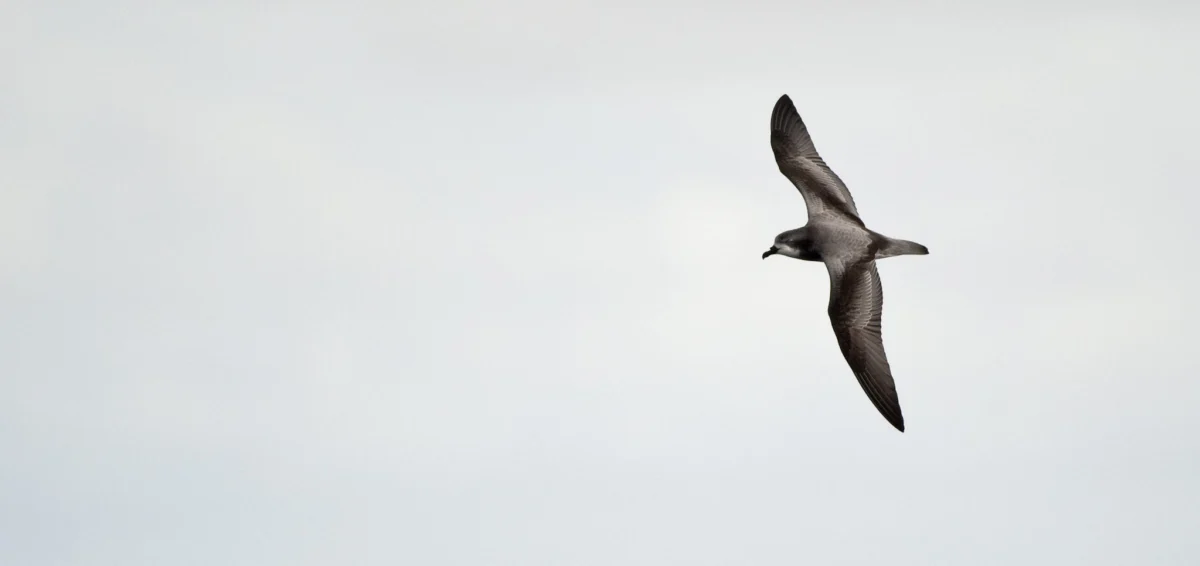
Fiji’s Gau Island, a verdant jewel in the Lomaiviti archipelago, is emerging as a critical stronghold for two of the Pacific’s most enigmatic seabirds: the Collared Petrel and the Critically Endangered Fiji Petrel. With two designated Important Bird and Biodiversity Areas (IBAs) and deeply engaged local communities, Gau represents a beacon of hope in the ongoing battle to protect these vulnerable avian populations. The island’s unique ecological significance is inextricably linked to its cultural heritage, with generations of Gau residents holding profound spiritual connections to the elusive Fiji Petrel, known locally as Kacau ni Gau.
The Mystery and Peril of the Fiji Petrel
The Fiji Petrel (Pseudobulweria macgillivrayi) is a species shrouded in mystery. Its existence was first documented in the 1850s, but for over a century, it vanished from scientific observation, leading many to believe it had succumbed to extinction. This prolonged absence cemented its status as one of the world’s rarest and least understood seabirds. The species was only rediscovered in the 1980s, and it wasn’t until 2009 that it was finally photographed at sea, a testament to its incredibly elusive nature.

Current assessments place the Fiji Petrel on the IUCN Red List with a Critically Endangered status, a designation reflecting extreme vulnerability. It is estimated that the global population may be as low as a mere 50 individuals, with Gau Island believed to be their sole breeding ground. This precarious situation underscores the immense importance of the conservation efforts underway on the island.
Gau Island: An Ecological and Cultural Nexus
Gau, the fifth-largest island in Fiji, is situated to the east of the main island, Viti Levu. It is home to 16 distinct villages, fostering a strong sense of community and a deep-seated respect for the natural world. This close-knit relationship with their environment has been instrumental in the success of conservation initiatives. The island’s rugged interior, characterized by dense forested highlands, provides the essential habitat for these ground-nesting seabirds. These pristine environments are precisely why they have been designated as Important Bird and Biodiversity Areas, recognized for their global significance in bird conservation.
A Collaborative Front Against Invasive Threats
The people of Gau have embraced their role as stewards of these precious species with immense pride. Working in partnership with organizations like NatureFiji-MareqetiViti, they have identified and are actively combating the primary threats to the petrel populations: invasive mammals. Rats, feral cats, and pigs pose a significant danger, preying on eggs and chicks, thereby decimating breeding success.

A comprehensive trapping and monitoring program has been implemented, encompassing over 1,000 hectares and involving three villages. This extensive network is crucial for controlling predator populations and creating safer nesting sites. Furthermore, stringent biosecurity measures are in place to prevent the introduction of new invasive species to Gau, particularly mongooses, which have had devastating impacts on wildlife in other parts of Fiji. The island’s remoteness has historically offered some protection, but the threat of human-introduced species remains a constant concern that necessitates vigilant management.
The Collared Petrel: A Vital Surrogate for Conservation
While the Fiji Petrel remains exceptionally difficult to locate and study, the Collared Petrel (Pterodroma brevipes) serves as a vital "surrogate" species in conservation efforts. Collared Petrels are known to nest in the forested hills at the heart of Gau Island, making their colonies accessible for monitoring and protection. By focusing on safeguarding the habitats and breeding grounds of the Collared Petrel, conservationists are simultaneously creating a more secure environment for the Fiji Petrel, should it also utilize these areas for nesting, even if its specific terrestrial locations remain largely unknown.
A Timeline of Rediscovery and Conservation
The story of the Fiji Petrel on Gau Island is a compelling narrative of loss, rediscovery, and dedicated conservation:

- 1850s: The Fiji Petrel is first discovered and described by scientists.
- Late 19th Century – 1980s: The species disappears from scientific records for over a century, leading to widespread belief that it is extinct.
- 1980s: The Fiji Petrel is rediscovered, sparking renewed interest and concern for its survival.
- 2009: The first photograph of a Fiji Petrel at sea is captured, providing crucial visual evidence of its continued existence and presence in marine environments.
- Early 2010s onwards: Conservation initiatives gain momentum on Gau Island, with a growing emphasis on community engagement and the establishment of Important Bird and Biodiversity Areas.
- Present Day: Ongoing trapping, monitoring, and biosecurity efforts are actively implemented, demonstrating a sustained commitment to protecting the island’s unique seabird populations.
Supporting Data and Ecological Significance
The ecological importance of Gau Island is further underscored by its designation as an Important Bird and Biodiversity Area (IBA). IBAs are globally recognized sites that play a critical role in the conservation of bird populations. For Gau, these designations highlight its significance as a breeding ground and critical habitat for threatened and endemic bird species.
- Habitat: The forested highlands of Gau provide the specific nesting conditions required by petrels, which typically excavate burrows in the soil. The presence of suitable substrate, protection from predators, and access to foraging grounds in the surrounding ocean are all vital components of their lifecycle.
- Threats: Invasive species are a pervasive threat to ground-nesting birds worldwide. In the Pacific, introduced predators like rats, cats, and pigs have caused widespread declines in seabird populations. On islands like Gau, where native predators are few, these introduced species can have a disproportionately devastating impact.
- Population Estimates: The critically low estimated population of the Fiji Petrel (around 50 individuals) means that every breeding success is incredibly significant. The loss of even a small number of chicks or breeding adults could have a profound impact on the species’ long-term survival.
Broader Impact and Implications
The conservation success on Gau Island has far-reaching implications beyond the immediate protection of its avian inhabitants. It serves as a powerful model for community-led conservation in the Pacific and globally.
- Empowerment of Local Communities: The project demonstrates the effectiveness of empowering local communities with the knowledge and resources to manage their natural heritage. The deep cultural ties between the people of Gau and the Fiji Petrel provide a strong intrinsic motivation for conservation, which is often more sustainable than external interventions alone.
- Ecosystem Health: Protecting seabird colonies contributes to the overall health of the marine and terrestrial ecosystems. Seabirds play a vital role in nutrient cycling, transporting nutrients from the ocean to land through their guano, which can fertilize vegetation.
- Scientific Understanding: The ongoing monitoring and research on Gau contribute invaluable data to the scientific understanding of seabird ecology, particularly for species like the Fiji Petrel, about which so little is known. This information is crucial for developing more effective conservation strategies.
- Cultural Preservation: By protecting the species that are integral to their cultural identity, the people of Gau are also preserving their heritage. The continued existence of the Kacau ni Gau ensures that the stories, traditions, and spiritual connections associated with the bird can be passed down to future generations.
Official Responses and Future Outlook
While specific official statements from Fijian government bodies or international conservation organizations regarding this particular project were not provided in the source material, the existence of IBAs and the collaboration with organizations like NatureFiji-MareqetiViti strongly suggest official recognition and support for these conservation efforts. Such designations typically involve a commitment from national environmental agencies to work with local communities and NGOs to protect these vital sites.

The success of the trapping and monitoring program, combined with the strong community involvement, offers a promising outlook for the future of Gau Island’s seabirds. The dedication of the Gau islanders, coupled with scientific expertise, is creating a resilient sanctuary. The challenge remains to maintain these efforts, adapt to any emerging threats, and continue to unravel the remaining mysteries surrounding the Fiji Petrel, ensuring its survival for generations to come. The island stands as a testament to the power of collaborative conservation, where human ingenuity and a deep respect for nature converge to protect some of the world’s most vulnerable species.

