



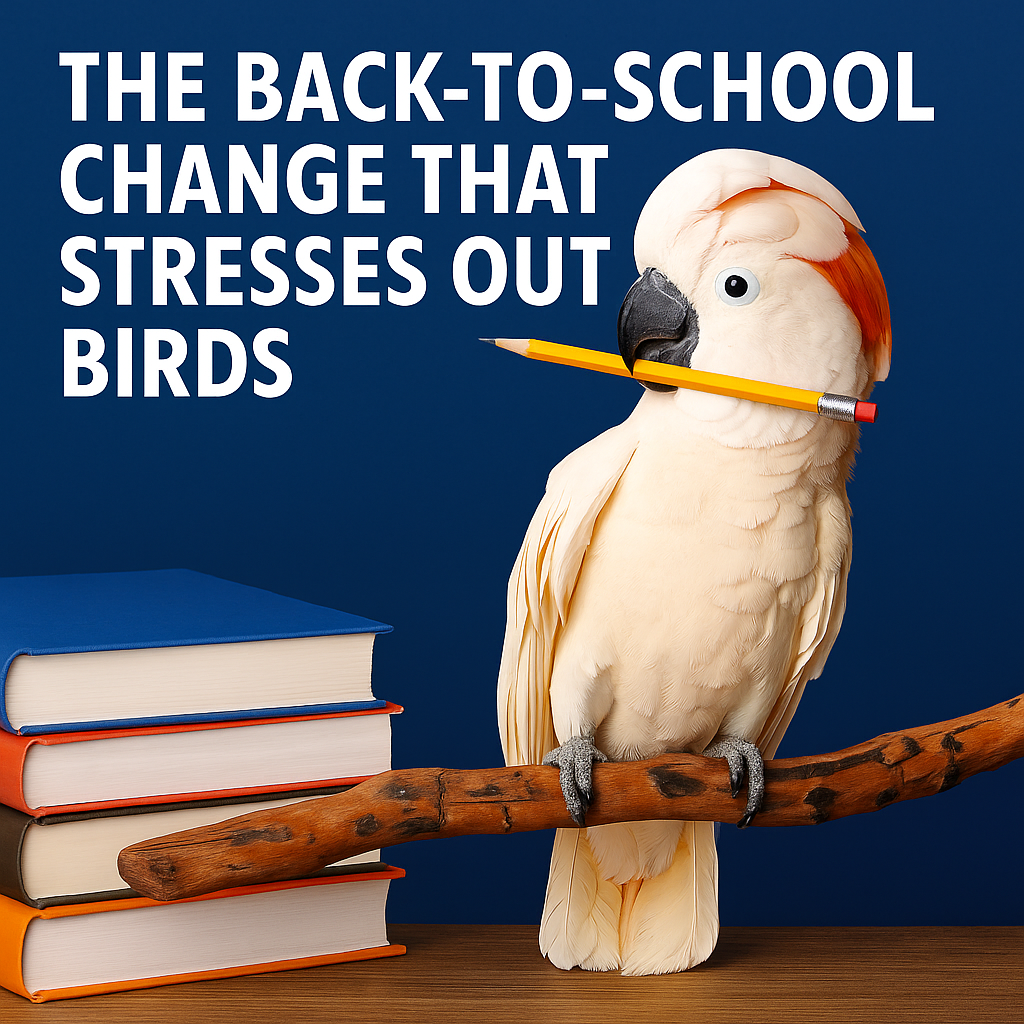
The annual transition back to school, the departure of young adults for college, or even the temporary disruption of family vacations, while seemingly routine for human households, often triggers significant stress and confusion for pet birds. These highly intelligent and socially complex animals thrive on predictability, making sudden shifts in household rhythms a profound challenge to their well-being. Recognizing this susceptibility, avian experts emphasize that proactive measures and minor adjustments can significantly aid feathered companions in navigating these periods of change, ensuring their continued happiness and health.
The Biological Imperative for Routine: Why Predictability Matters
Birds, particularly parrots, are creatures deeply wired for routine. In their natural habitats, consistent daily cycles of light, sound, foraging, social interaction, and rest are not merely preferences but fundamental survival mechanisms. Deviations from these patterns can signal danger or resource scarcity, triggering innate stress responses. This evolutionary hardwiring means that even in a domestic setting, pet birds rely heavily on the consistent flow of household activities to feel secure.
Avian species possess highly sensitive circadian rhythms, which are internal biological clocks dictating daily patterns of activity, feeding, and sleep. These rhythms are meticulously tuned to environmental cues, primarily light-dark cycles, but also to ambient sounds and human activity. When a household’s schedule abruptly shifts – for instance, from the relaxed, activity-filled days of summer to the structured, often quieter periods of the school year – a bird’s internal clock can be thrown into disarray. This disruption is not merely an inconvenience; it can lead to physiological and psychological stress as the bird struggles to recalibrate its expectations and behaviors to a new, unfamiliar rhythm. Research in avian behavior consistently demonstrates that stable environments contribute to reduced stress hormones and improved overall health outcomes in captive birds.
The "Back-to-School" Catalyst: A Detailed Chronology of Disruption
The summer months typically bring a heightened level of human presence to the home. Children are often home from school, college students return, and family vacations might lead to different interaction patterns. For a pet bird, this often translates into more consistent companionship, increased ambient noise and activity, and potentially more frequent out-of-cage time or direct interaction. The "soundtrack" of the house becomes a rich tapestry of voices, laughter, television, and movement, all contributing to a perceived sense of "flock" presence.
However, the onset of the academic year marks an abrupt and often dramatic shift. Early morning chaos, characterized by frantic backpack searches, hurried breakfasts, and slamming car doors, replaces leisurely awakenings. This initial burst of activity is quickly followed by prolonged periods of silence as family members depart for school and work. What was once a vibrant, active environment transforms into an eerily quiet space for much of the day. Feeding schedules may shift, interaction times become compressed, and the overall rhythm of human presence fundamentally alters. For a parrot that has spent months soaking up a steady stream of human interaction, the sudden silence and empty rooms can be profoundly disorienting.
From a bird’s perspective, this change can mimic the perceived abandonment by its flock. Highly social species like parrots interpret the absence of their human companions as a significant environmental stressor. The consistency of human presence, the sounds of familiar voices, and predictable interaction times form the bedrock of their perceived safety and social structure. When these elements are removed or drastically altered overnight, the bird is left to contend with a world that suddenly feels uncertain and potentially unsafe, often leading to a state of heightened anxiety as it attempts to "recalibrate to a brand-new beat."
Recognizing the Red Flags: Manifestations of Avian Stress
Birds are remarkably adept at masking signs of discomfort or illness, a survival instinct honed in the wild to avoid appearing vulnerable to predators. This innate tendency means that by the time an owner observes overt signs of stress, the bird may have been struggling for some time. Therefore, recognizing subtle changes in behavior is paramount.
Common behavioral indicators of stress include:
- Increased Vocalization or Sudden Silence: While some birds may exhibit excessive screaming, squawking, or repetitive calling, others might become unusually quiet or withdrawn, both signaling distress.
- Feather Plucking or Destructive Chewing: This is one of the most visible and concerning signs. Birds may over-preen to the point of feather damage or engage in excessive chewing of cage bars or toys, often as a displacement activity for anxiety.
- Repetitive Behaviors: Pacing, circling, head bobbing, or incessant cage climbing can indicate anxiety or boredom.
- Aggression or Clinginess: A previously independent bird might become unusually aggressive or nippy, while others may develop "Velcro bird" tendencies, refusing to let their owner out of sight.
- Changes in Social Interaction: A bird might avoid interaction, or conversely, demand constant attention in an uncharacteristic manner.
- Loss of Interest: Ignoring favorite toys, foraging puzzles, or previously enjoyed activities is a significant red flag.
Physiological and psychological signs include:
- Appetite Changes: A noticeable decrease in food intake, or in some cases, an increase due to stress-eating. Not eating is a critical concern for birds and warrants immediate veterinary attention.
- Sleep Pattern Disturbances: Increased napping during the day or restless sleep at night.
- Dull Plumage: While not immediate, chronic stress can impact feather quality over time.
- Heightened Anxiety: Exhibiting exaggerated startle responses or general nervousness.
Avian veterinarians frequently report an increase in stress-related behavioral issues following significant household changes. These observations underscore the critical need for owners to be vigilant and proactive in addressing their bird’s emotional well-being.
Expert Insights: Veterinary and Behavioral Perspectives
Avian veterinary professionals and animal behaviorists consistently highlight the profound impact of environmental stability on pet bird health. Dr. Eleanor Thompson, an avian veterinarian with two decades of experience, notes, "Many behavioral issues we see in clinics, from feather destructive behavior to aggression, can often be traced back to underlying stress caused by routine disruptions. Birds thrive on consistency, and sudden changes can overwhelm their coping mechanisms."
Behaviorists like Sarah Jenkins, who specializes in parrot behavior, emphasize that "prevention is always better than cure." She advises owners to think proactively about potential stressors and implement gradual adjustments. "We often see owners surprised by their bird’s reaction, but for these intelligent creatures, a shift in household dynamics is a monumental event. It’s not just about physical presence; it’s about the entire sensory landscape of their world changing."
The collective experience shared on online forums and social media platforms, where bird owners frequently express concerns about their parrots acting "off" after major household shifts, further corroborates expert observations. These discussions often revolve around themes of increased screaming, clinginess, or lethargy, highlighting a widespread recognition among pet parents that their birds are indeed sensitive to these changes.
Mitigation Strategies: A Proactive Approach to Avian Well-being
Successfully navigating household routine changes with a pet bird requires a multi-faceted approach centered on gradual acclimatization, environmental enrichment, and consistent, high-quality interaction.
1. Gradual Acclimatization:
The most effective strategy is to introduce changes incrementally. If a major schedule shift, such as an earlier wake-up time or longer periods of absence, is anticipated, begin adjusting the bird’s routine weeks in advance. For example, gradually shift feeding times by 15-30 minutes each day, or incrementally increase the duration of your absences. This allows the bird to adapt slowly, building confidence that departures are temporary and that a new, predictable pattern will emerge. Maintaining consistent wake-up and lights-out rituals provides a crucial anchor of predictability.

2. Environmental Enrichment:
A rich and stimulating environment is vital for mitigating stress during periods of change.
- Auditory Enrichment: Silence can be as stressful as sudden loud noises. Provide consistent, low-volume background noise. This could include "bird TV" (videos specifically designed for birds, often featuring other birds or nature scenes), soft classical music, nature sounds, or a familiar radio program. Some owners find that leaving a favorite television show playing, especially one the bird has watched with them, creates a comforting illusion of companionship. Advanced options include two-way security cameras with audio, allowing owners to remotely check in and even speak to their birds.
- Visual Enrichment: Position the cage near a safe window view, allowing the bird to observe outdoor activity. Rotate toys frequently to maintain novelty and engagement. Introduce new textures, shapes, and materials for chewing and manipulation.
- Mental Stimulation: Foraging toys and puzzle feeders are indispensable. These encourage natural behaviors, keep the bird mentally engaged, and make mealtime an enriching activity rather than a passive one. Supervised out-of-cage time, offering opportunities for exploration and interaction, is also crucial.
3. Consistent Human Interaction:
Even if the quantity of interaction must decrease, the quality should remain high. Dedicate specific, predictable times for focused interaction, training games, or simply quiet companionship. This reinforces the bond and reassures the bird that it remains a valued member of the "flock." After-school or after-work periods can be designated as "rebound" time, offering choices like training sessions, new toy introductions, or safe outdoor experiences, reinforcing independent play and positive interaction.
4. Creating a Safe Space:
Ensure the bird’s cage remains a secure sanctuary. It should be appropriately sized, clean, and equipped with varied perches, food, and water. A comfortable, predictable sleeping area, potentially covered at night, contributes to a sense of security.
5. Nutritional and Supplemental Support:
A balanced, species-appropriate diet is foundational to overall health and stress resilience. In consultation with an avian veterinarian, consider bird-safe calming products or supplements. These, much like herbal teas or weighted blankets for humans, can help ease anxiety during adjustment periods, providing an additional layer of support. However, these should always be used as an adjunct to behavioral strategies, not a replacement.
Broader Implications: The Human-Avian Bond and Ethical Pet Ownership
Understanding and actively managing a pet bird’s response to routine changes goes beyond mere pet care; it is a fundamental aspect of ethical pet ownership. Parrots, with their long lifespans and high intelligence, form deep bonds with their human companions and require consistent, thoughtful care to thrive. Neglecting their emotional needs during periods of stress can lead to chronic anxiety, manifesting in persistent feather destructive behaviors, aggression, or even immune system suppression, ultimately impacting their physical health and longevity.
By investing time in gradual transitions, enriching their environment, and maintaining consistent, positive interactions, owners not only alleviate their bird’s immediate stress but also strengthen the human-avian bond. This proactive approach fosters trust, confidence, and a lifetime of positive experiences for both the bird and its human family. As pet bird ownership continues to grow, so too does the responsibility to educate owners on the complex needs of these remarkable animals, ensuring their welfare in an ever-changing human world.
Conclusion
Life is inherently dynamic, filled with inevitable shifts in schedules, presence, and pace. For pet birds, particularly during transitions like the back-to-school season, these changes can be profoundly impactful. However, equipped with knowledge of avian psychology and a commitment to proactive care, owners possess a robust toolkit to ease their feathered companions through these adjustments. From implementing gradual schedule changes and enriching the bird’s environment with stimulating sounds and toys, to providing consistent, high-quality interaction and, when appropriate, veterinarian-approved calming aids, a thoughtful approach ensures that pet birds remain secure, supported, and cherished members of the family, adapting gracefully to life’s ebb and flow.

